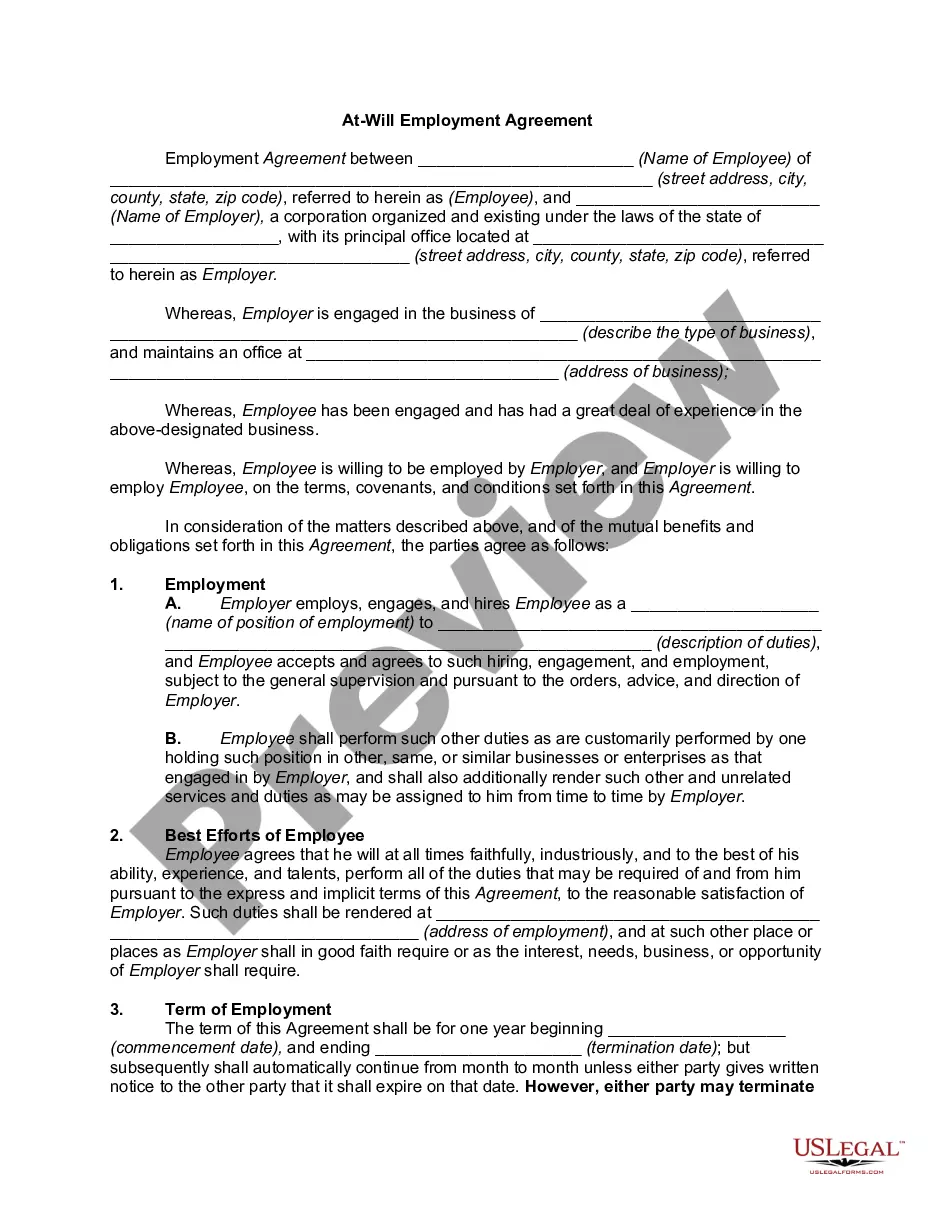
Physical Assault In School Uk In Bronx
Description

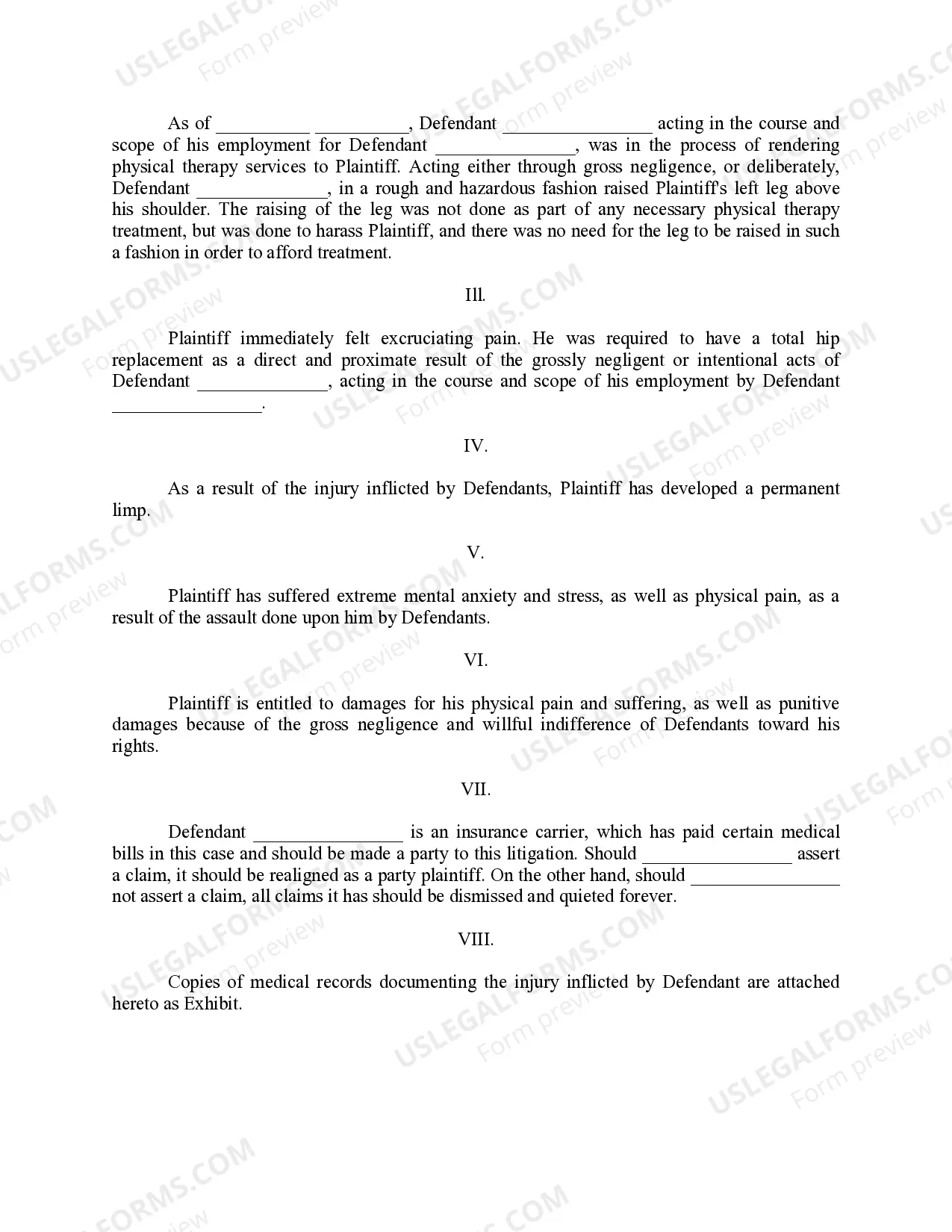
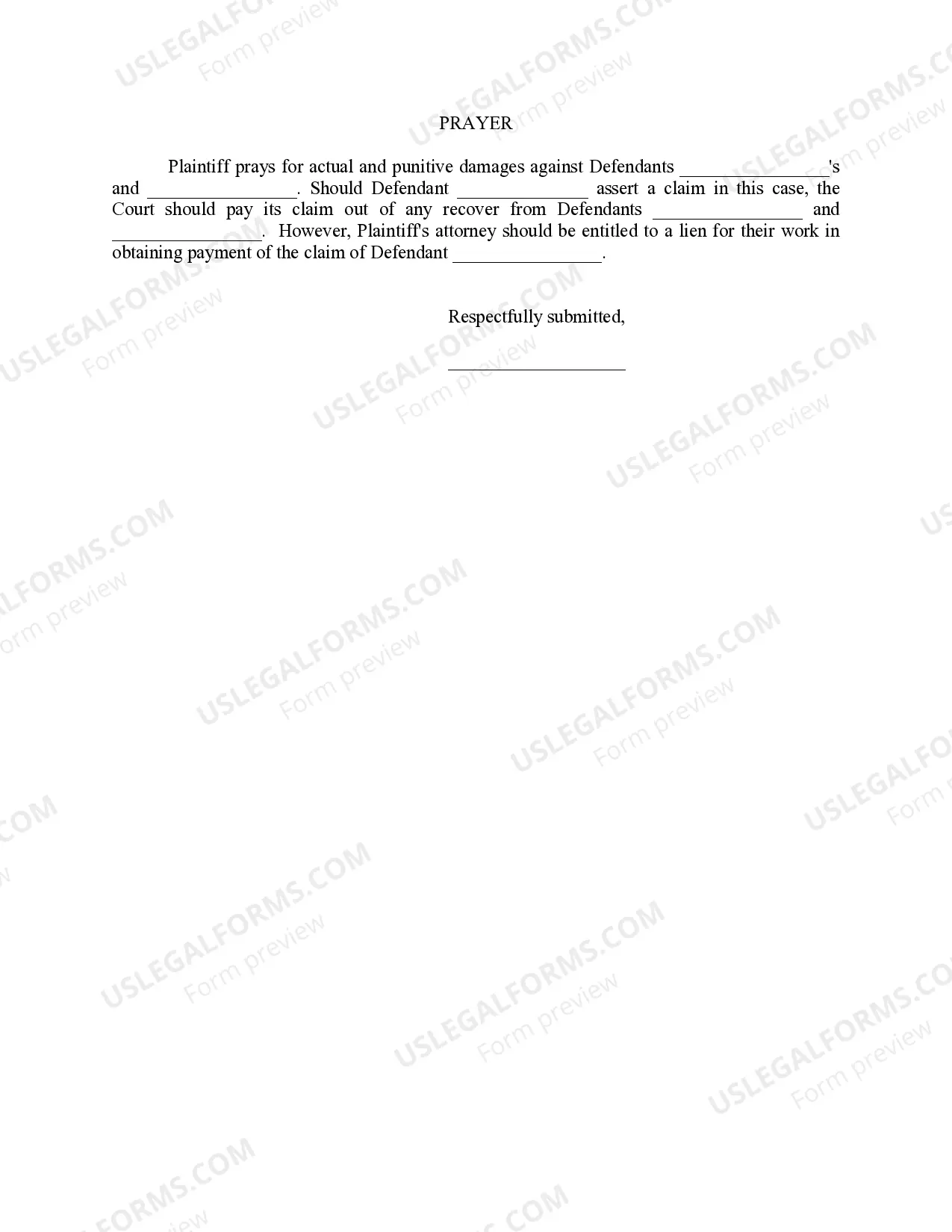

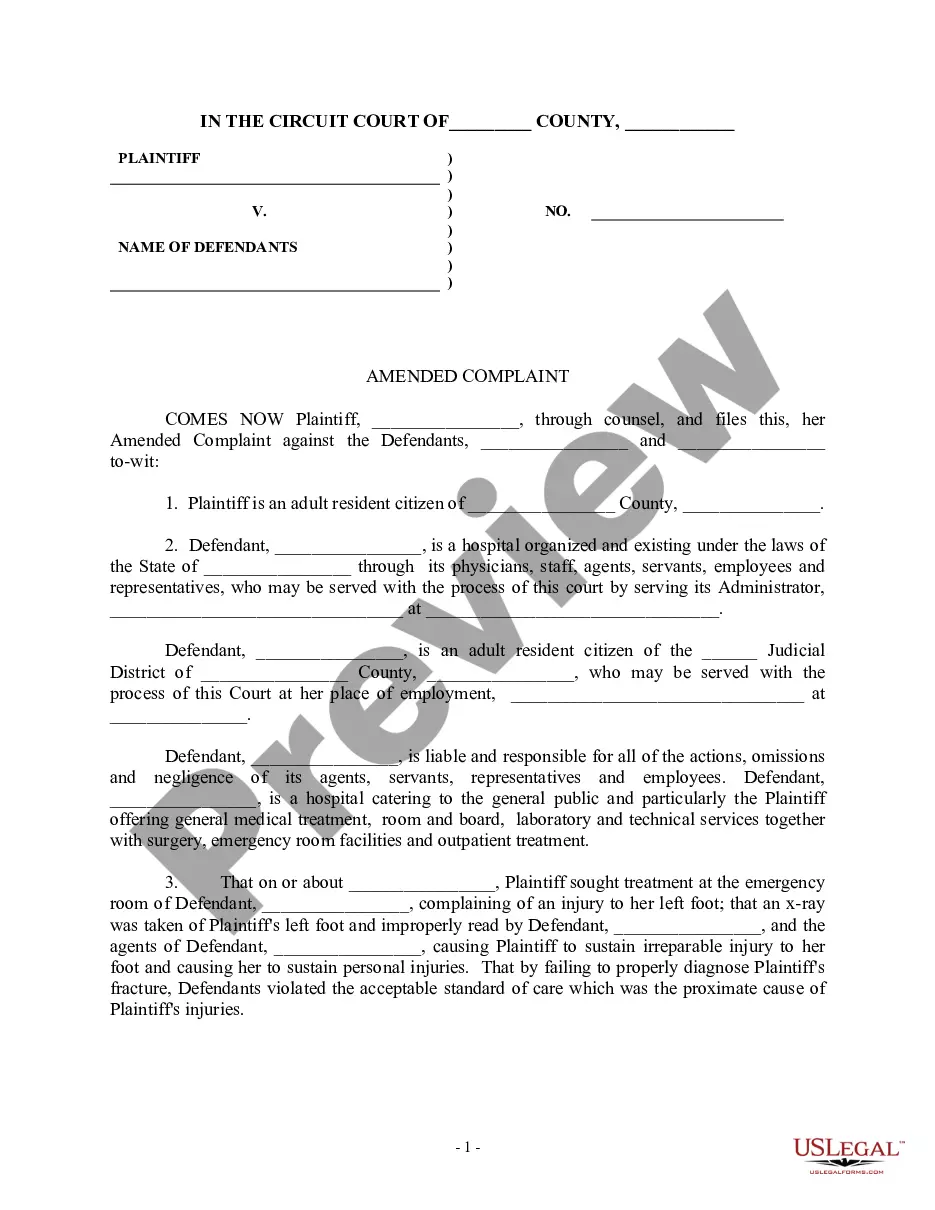
Get your form ready online
Our built-in tools help you complete, sign, share, and store your documents in one place.
Make edits, fill in missing information, and update formatting in US Legal Forms—just like you would in MS Word.
Download a copy, print it, send it by email, or mail it via USPS—whatever works best for your next step.
Sign and collect signatures with our SignNow integration. Send to multiple recipients, set reminders, and more. Go Premium to unlock E-Sign.
If this form requires notarization, complete it online through a secure video call—no need to meet a notary in person or wait for an appointment.
We protect your documents and personal data by following strict security and privacy standards.

Make edits, fill in missing information, and update formatting in US Legal Forms—just like you would in MS Word.

Download a copy, print it, send it by email, or mail it via USPS—whatever works best for your next step.

Sign and collect signatures with our SignNow integration. Send to multiple recipients, set reminders, and more. Go Premium to unlock E-Sign.

If this form requires notarization, complete it online through a secure video call—no need to meet a notary in person or wait for an appointment.

We protect your documents and personal data by following strict security and privacy standards.
Looking for another form?










Form popularity
FAQ
As of 2024, corporal punishment is banned in public schools in 33 states and the District of Columbia (see list below). The use of corporal punishment in private schools is legally permitted in nearly every state. Only New Jersey, Iowa, Maryland, New York, and Illinois prohibit it in both public and private schools.
You can do both. You can file criminal charges against the student and you can file for a civil restraining order. If the school refuses to move the child, that is their right unless there is a court order that the student cannot be in your presence.
In case of assault: If you have to respond physically to defend yourself or others, you should use reasonable force given the student's age, size and ability to inflict injury. 2. Be sure that the situation is stable and that a qualified individual assumes supervisory responsibility for your students. 3.
Teachers may not make intentional or reckless false statements, nor can they disrupt the educational interests of the school district. Teachers also cannot undermine authority or adversely affect working relationships at the school.
Causes for dismissal which have been upheld by the courts are immorality, misconduct on the job, incompetency, gross insubordination, wilful neglect of duty, drunkenness, or conviction of any crime involving moral depravity. It must be kept in mind that when action to dismiss is initiated, there must be cause.
Fines per parent will be capped to two fines within any three-year period. Once this limit has been reached, other action like a parenting order or prosecution will be considered. If you're prosecuted and attend court because your child hasn't been attending school, you could get a fine of up to £2,500.
If you're taken to court You could get a fine of up to £2,500, a community order or a jail sentence up to 3 months. The court could also give you a Parenting Order.
Children who are on roll at a school but are not in regular attendance. In this case, referrals should be made to the Education Welfare Service, or the school's Attendance and Welfare Officer.