Physical Assault On A Child In Bexar
Description

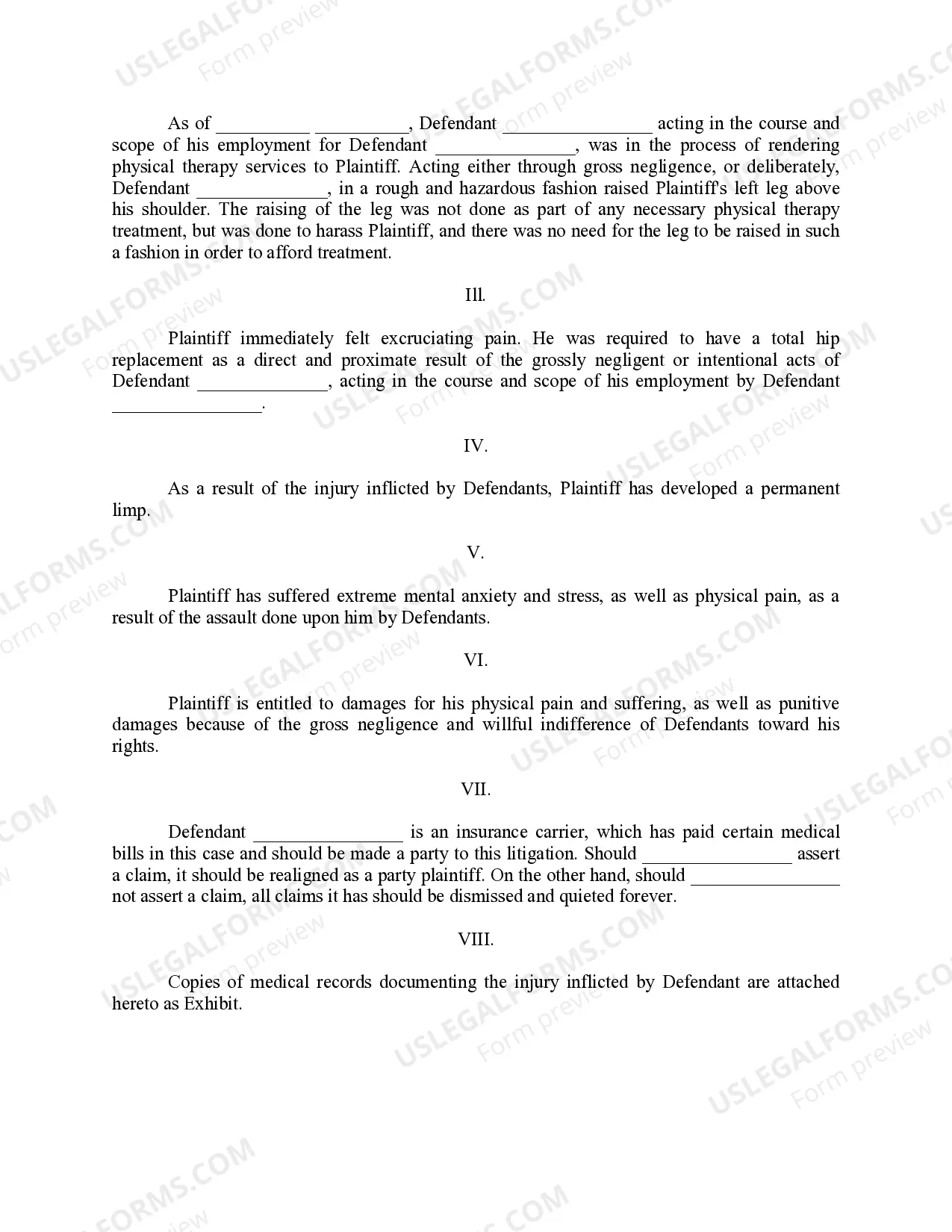
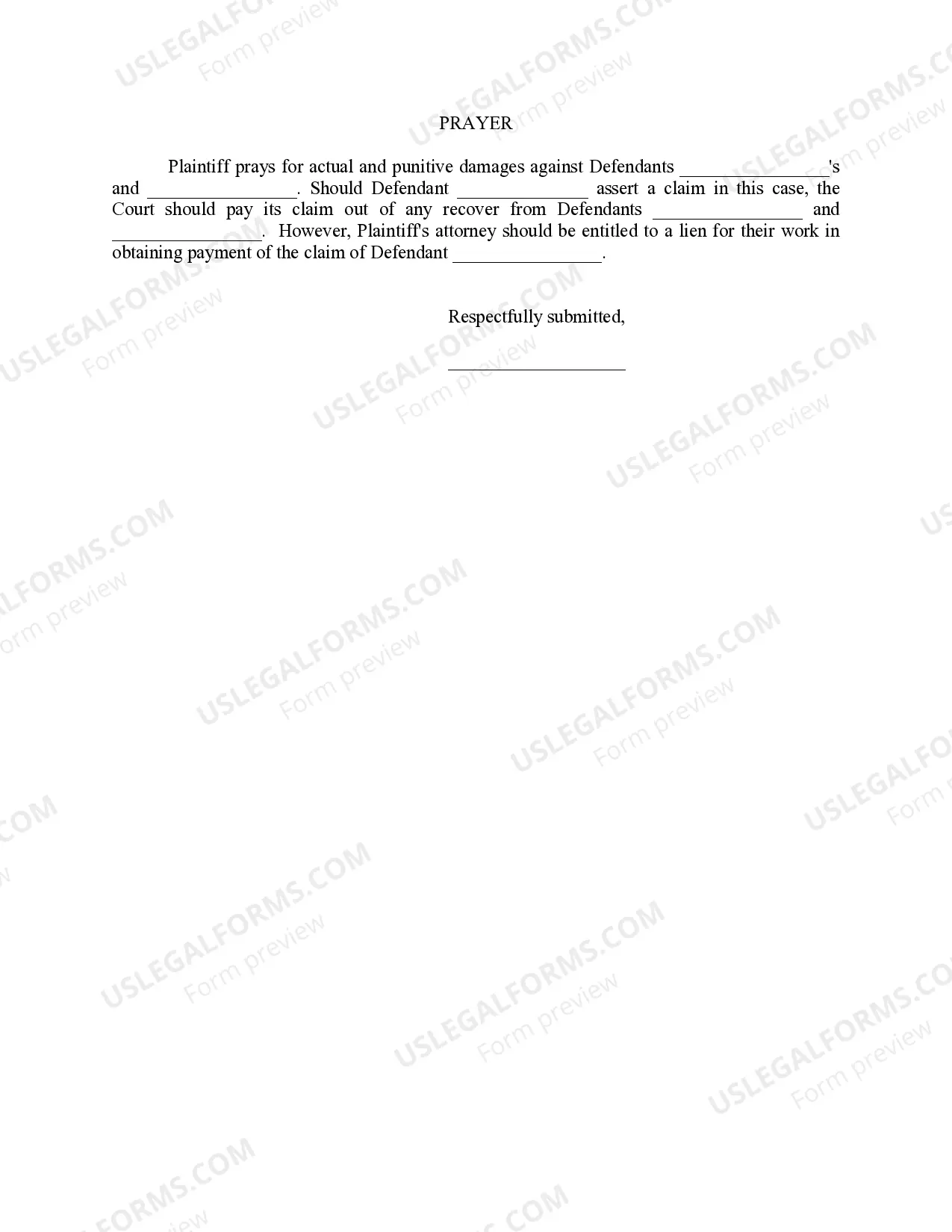

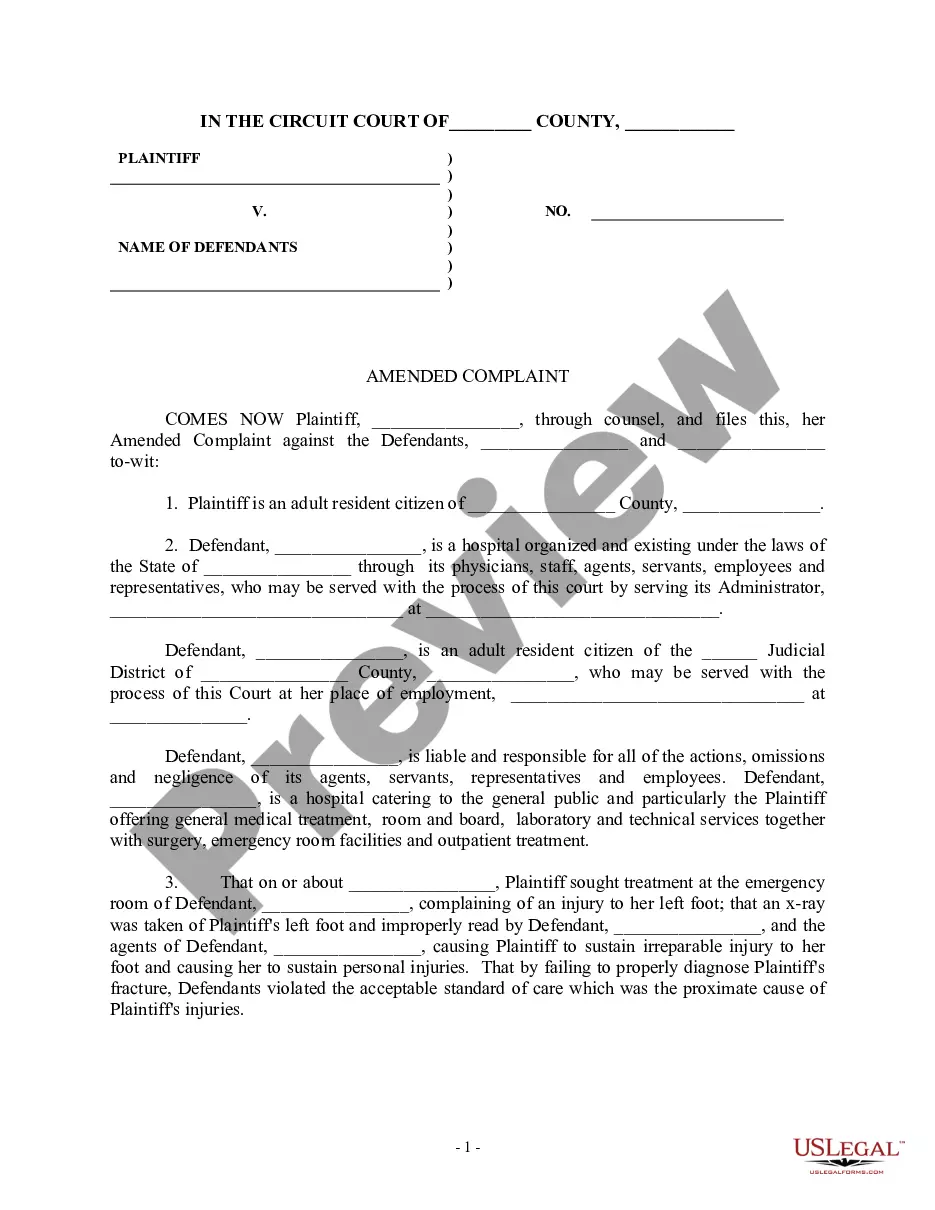
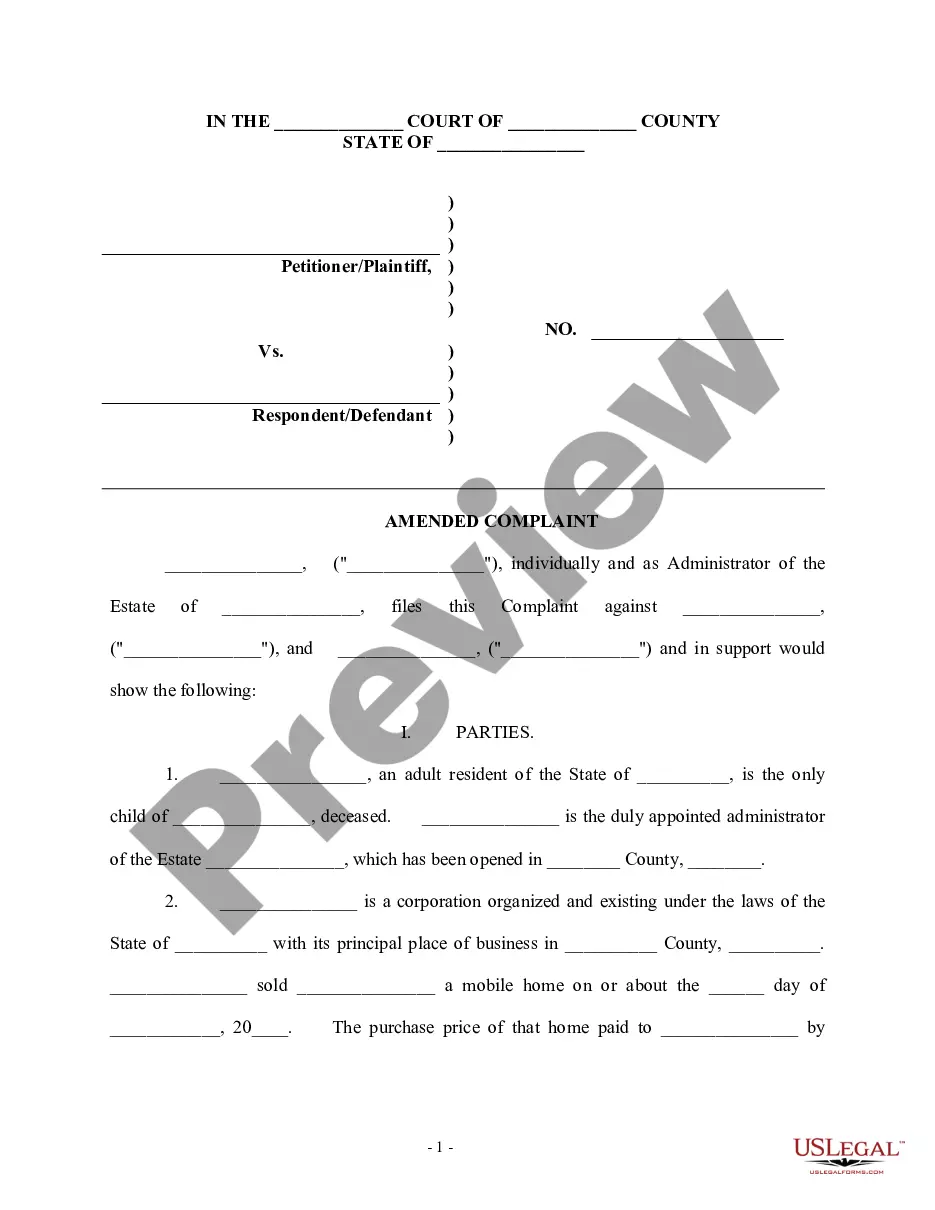
Get your form ready online
Our built-in tools help you complete, sign, share, and store your documents in one place.
Make edits, fill in missing information, and update formatting in US Legal Forms—just like you would in MS Word.
Download a copy, print it, send it by email, or mail it via USPS—whatever works best for your next step.
Sign and collect signatures with our SignNow integration. Send to multiple recipients, set reminders, and more. Go Premium to unlock E-Sign.
If this form requires notarization, complete it online through a secure video call—no need to meet a notary in person or wait for an appointment.
We protect your documents and personal data by following strict security and privacy standards.

Make edits, fill in missing information, and update formatting in US Legal Forms—just like you would in MS Word.

Download a copy, print it, send it by email, or mail it via USPS—whatever works best for your next step.

Sign and collect signatures with our SignNow integration. Send to multiple recipients, set reminders, and more. Go Premium to unlock E-Sign.

If this form requires notarization, complete it online through a secure video call—no need to meet a notary in person or wait for an appointment.

We protect your documents and personal data by following strict security and privacy standards.
Looking for another form?








Form popularity
FAQ
The time of release from jail may vary; the average time for release may be four (4) to six (6) hours from the time of bond approval. When you post bond for someone to be released from jail, please make allowances for unforeseen problems and possible delays.
MAGISTRATION. After a person has been arrested in Bexar County, he or she will be brought to the Central Magistrate Office to appear before a judge where charges will be explained to the accused and a bond will be set.
Depending on the severity of the assault, the punishment for assaulting a family member in Texas could range from 1 to 99 years in prison with up to $10,000 in fines. If you or a loved one have been charged with assault of a family member, the attorneys at the Law Offices of Randall B. Isenberg can help.
The Texas Family Code defines Family Violence as an act by a member of a family or household against another member that is intended to result in physical harm, bodily injury, assault, or a threat that reasonably places the member in fear of imminent physical harm.
At the Detention Center, the person who was arrested will go through a booking-in process. During that process, jail officials will ask for information such as the person's name, address, birth date, any medical problems, and the like. The booking-in officer may or may not take the person's fingerprints.
Essentially, the magistrate hearing protects the defendant's rights by ensuring the case has merit before it proceeds any further.
Magistrate Court is where defendants in criminal cases first appear soon after they are arrested. The Magistrate Judge will review the charges to determine whether or not there is probable cause for the arrest and detention of the defendant.
(a) A person commits first degree assault on a family or household member if the person recklessly engages in conduct that creates a substantial risk of death or serious physical injury to a family or household member. (b) First degree assault on a family or household member is a Class A misdemeanor.
Under Texas Penal Code Section 12.34, a third-degree felony can result in a prison sentence of two to 10 years and fines as large as $10,000.
