Physical Assault In Tagalog In Bexar
Description


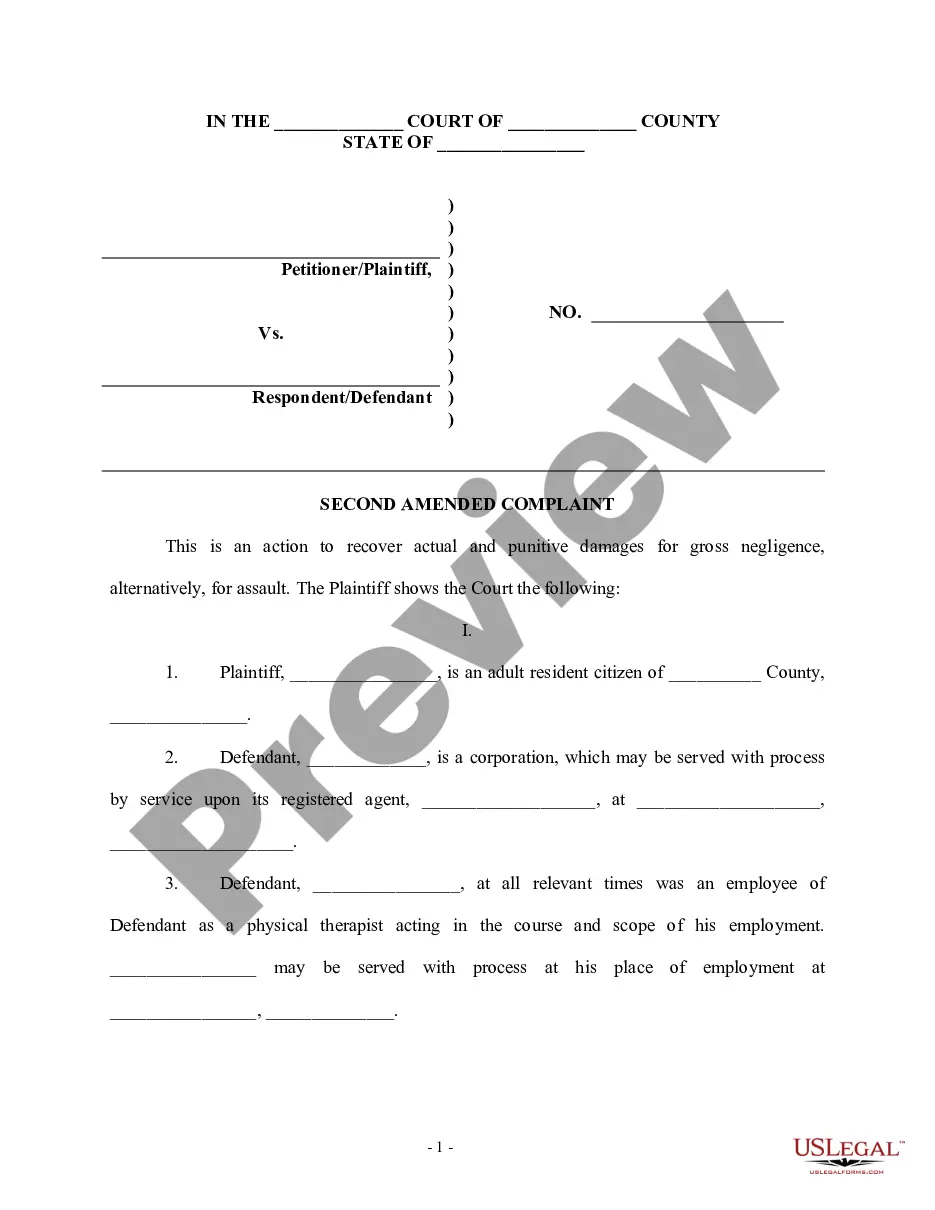
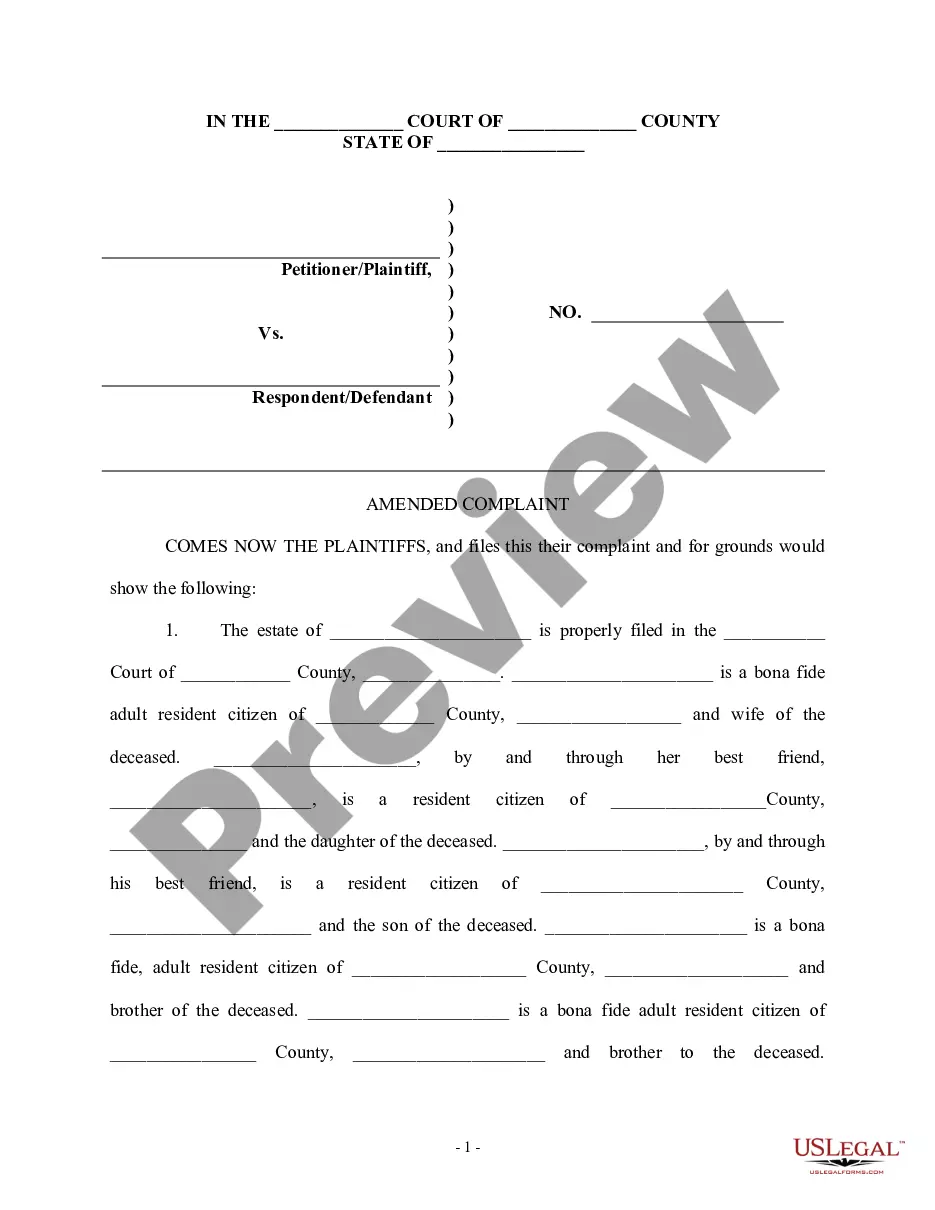
Get your form ready online
Our built-in tools help you complete, sign, share, and store your documents in one place.
Make edits, fill in missing information, and update formatting in US Legal Forms—just like you would in MS Word.
Download a copy, print it, send it by email, or mail it via USPS—whatever works best for your next step.
Sign and collect signatures with our SignNow integration. Send to multiple recipients, set reminders, and more. Go Premium to unlock E-Sign.
If this form requires notarization, complete it online through a secure video call—no need to meet a notary in person or wait for an appointment.
We protect your documents and personal data by following strict security and privacy standards.

Make edits, fill in missing information, and update formatting in US Legal Forms—just like you would in MS Word.

Download a copy, print it, send it by email, or mail it via USPS—whatever works best for your next step.

Sign and collect signatures with our SignNow integration. Send to multiple recipients, set reminders, and more. Go Premium to unlock E-Sign.

If this form requires notarization, complete it online through a secure video call—no need to meet a notary in person or wait for an appointment.

We protect your documents and personal data by following strict security and privacy standards.
Looking for another form?




Form popularity
FAQ
ASSAULT. ( a) A person commits an offense if the person: (1) intentionally, knowingly, or recklessly causes bodily injury to another, including the person's spouse; (2) intentionally or knowingly threatens another with imminent bodily injury, including the person's spouse; or.
Actual bodily harm (ABH): when someone is hurt or injured as a result of an assault. Grievous bodily harm (GBH) or wounding: when someone is seriously injured in an assault, such as being stabbed.
Assault. (3) intentionally or knowingly causes physical contact with another when the person knows or should reasonably believe that the other will regard the contact as offensive or provocative.
Physical assault is when an individual or a group attacks a person physically, with or without the use of a weapon, or threatens to hurt that person. It can include scratching, pushing, kicking, punching, throwing things, using weapons or physically restraining another person.
Grabbing someone's wrist, spitting in someone's face, or punching someone are examples of acts that could be considered assault. Assault is a crime even if there is no apparent injury.
Definition: An assault is the act of inflicting physical harm or unwanted physical contact upon a person. Actual bodily harm (ABH): Assaults which are described as actual bodily harm cause injuries which are serious but don't cause serious permanent damage to the victim.
Sentencing Guidelines Range: The sentencing range for this offence is between a fine and 4 years' custody. The maximum sentence for this offence is 5 years' custody.
: a threat or attempt to inflict offensive physical contact or bodily harm on a person (as by lifting a fist in a threatening manner) that puts the person in immediate danger of or in apprehension (see apprehension sense 1) of such harm or contact compare battery sense 1b. b.
These include: simple assault, aggravated assault, assault with a deadly weapon, sexual assault, vehicular assault, and. felony assault.
Both 'attack' and 'assault' refer to taking offensive or aggressive actions to hurt somebody. However, 'attack' is used more generally to refer to any act of using violence while 'assault' is specifically concerned with physical and personal violence.
