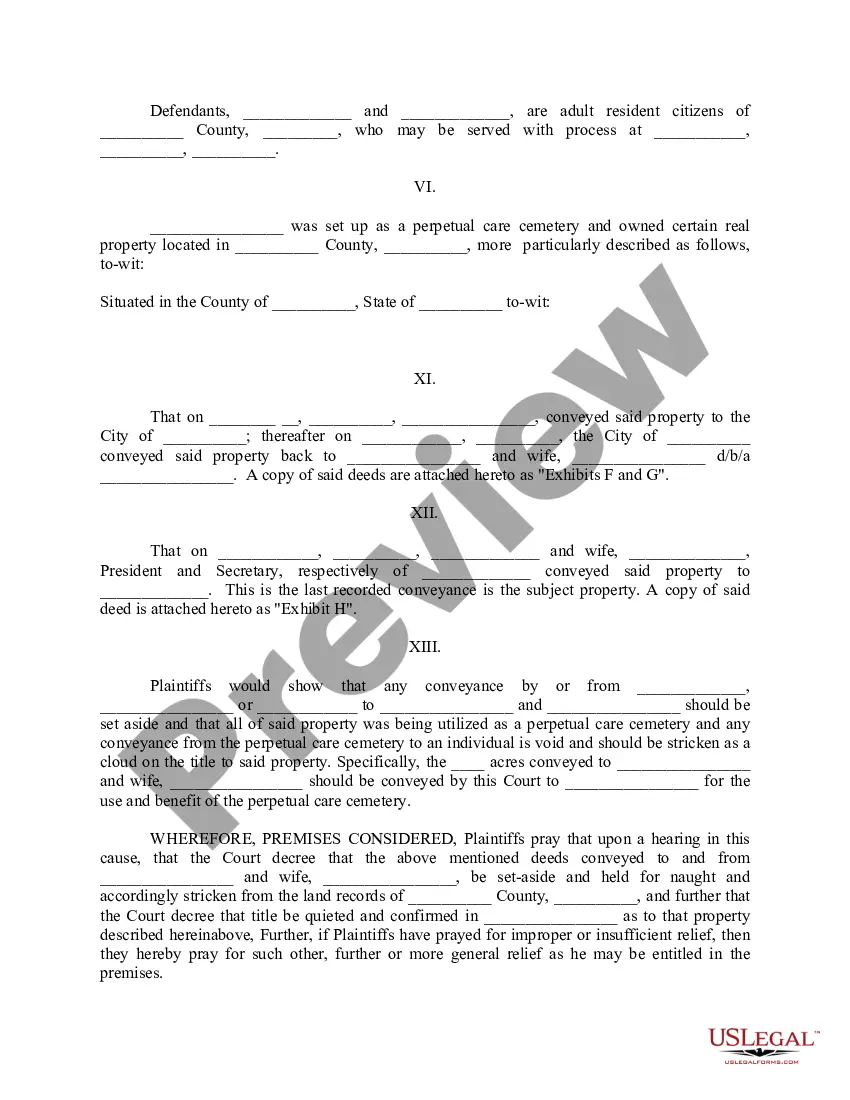
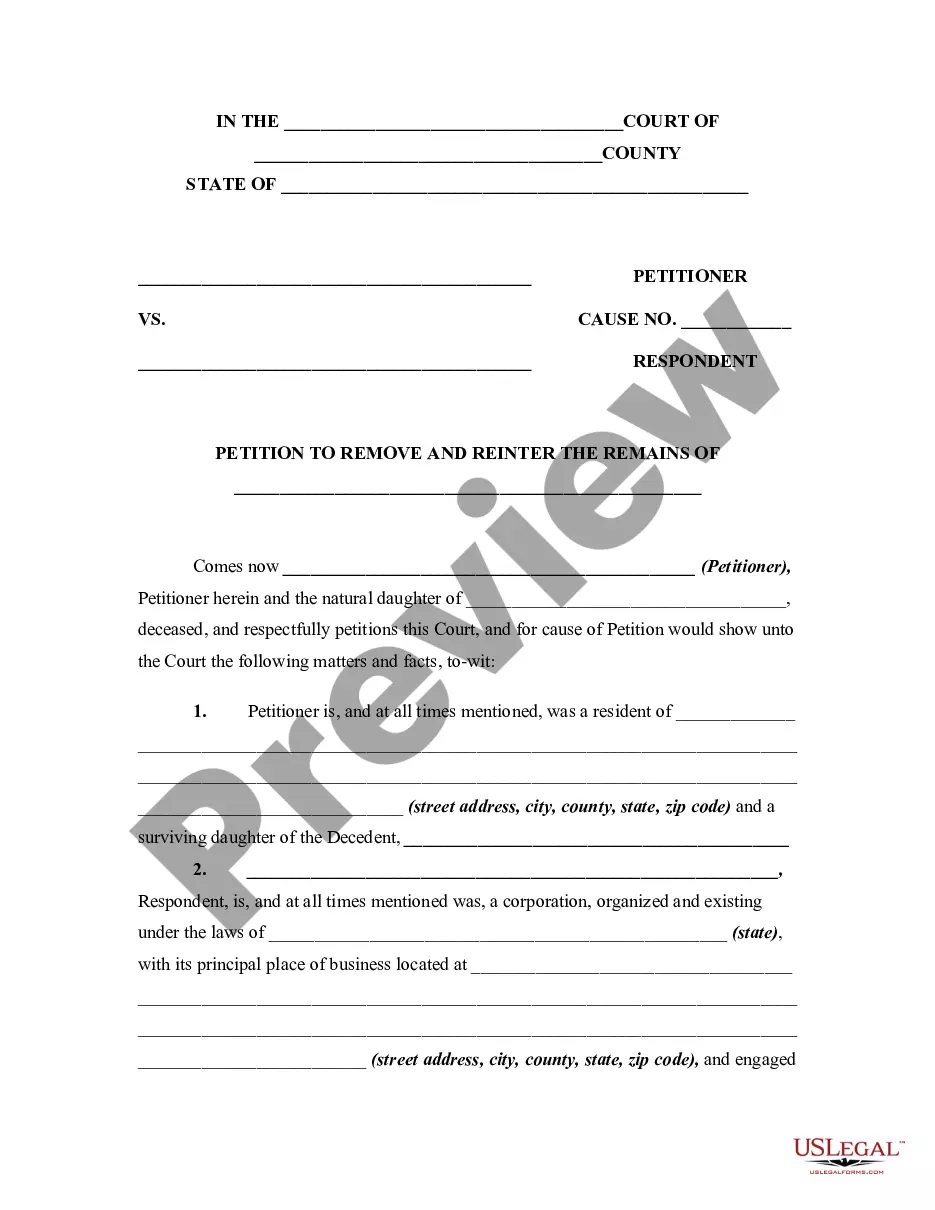
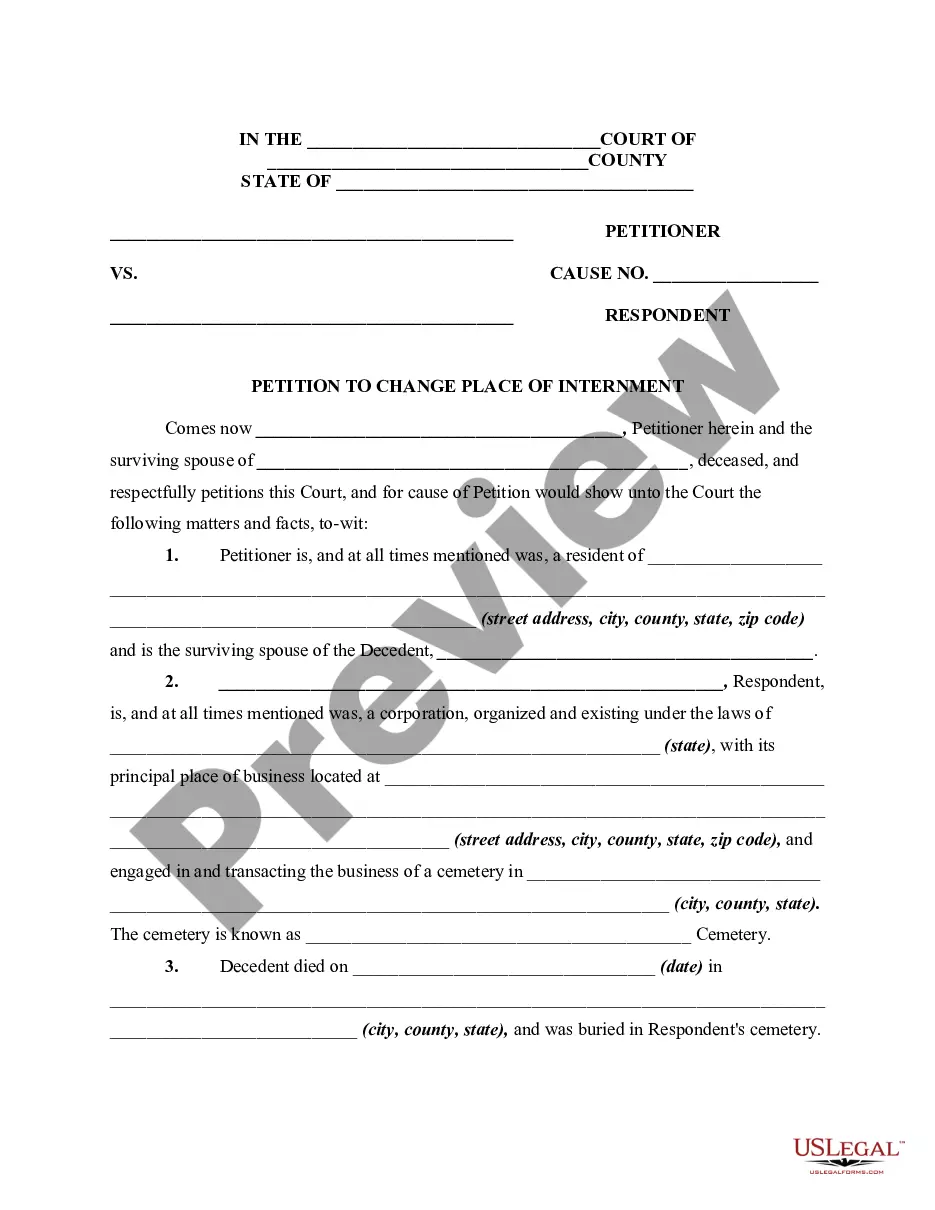
Conveyance Cemetery Without A Will In Ohio
Description


Get your form ready online
Our built-in tools help you complete, sign, share, and store your documents in one place.
Make edits, fill in missing information, and update formatting in US Legal Forms—just like you would in MS Word.
Download a copy, print it, send it by email, or mail it via USPS—whatever works best for your next step.
Sign and collect signatures with our SignNow integration. Send to multiple recipients, set reminders, and more. Go Premium to unlock E-Sign.
If this form requires notarization, complete it online through a secure video call—no need to meet a notary in person or wait for an appointment.
We protect your documents and personal data by following strict security and privacy standards.

Make edits, fill in missing information, and update formatting in US Legal Forms—just like you would in MS Word.

Download a copy, print it, send it by email, or mail it via USPS—whatever works best for your next step.

Sign and collect signatures with our SignNow integration. Send to multiple recipients, set reminders, and more. Go Premium to unlock E-Sign.

If this form requires notarization, complete it online through a secure video call—no need to meet a notary in person or wait for an appointment.

We protect your documents and personal data by following strict security and privacy standards.
Looking for another form?








Form popularity
FAQ
Most resources are subject to oversight Unless someone made arrangements for those assets to transfer at the time of their death or jointly owned them, anything that they possessed could need to pass through the Ohio probate courts before distribution to specific beneficiaries.
In Ohio, you can make a living trust to avoid probate for virtually any asset you own—real estate, bank accounts, vehicles, and so on.
Non-Probate Property in Ohio Assets and property with a transfer-on-death designation. Insurance proceeds with a named beneficiary. Payable-on-death bank accounts. Assets held in trust.
When discussing the preservation of cemeteries, the first question that must be answered is, “who owns the cemetery?” There are basically three types of ownership in Ohio: township, municipal and private.
Can You Bury a Body at Home? There are no state laws in Ohio that prohibit home burial, and state law allows family cemeteries. But many local governments have rules governing private burials. You might be able to establish a family cemetery at home.
In Ohio, probate is generally required for any assets that were solely owned by the deceased at the time of their death and don't already have designated beneficiaries. Probate assets include things like real estate, vehicles, and bank accounts and investments that don't have a payable-on-death (POD) designation.
TOD deeds allow you to name beneficiaries who will receive the property when you die, without the need for probate. With the TOD deed, you remain the owner of your property. Your heirs do not own any portion of the property during your life, avoiding the problems discussed above.
The care and maintenance of abandoned, inactive cemeteries tends to be the responsibility of the family or the landowner. Although active cemeteries are usually maintained by the owner or cemetery association, not all have provisions for perpetual care.