Conveyance Cemetery Without A Permit In Ohio
Description
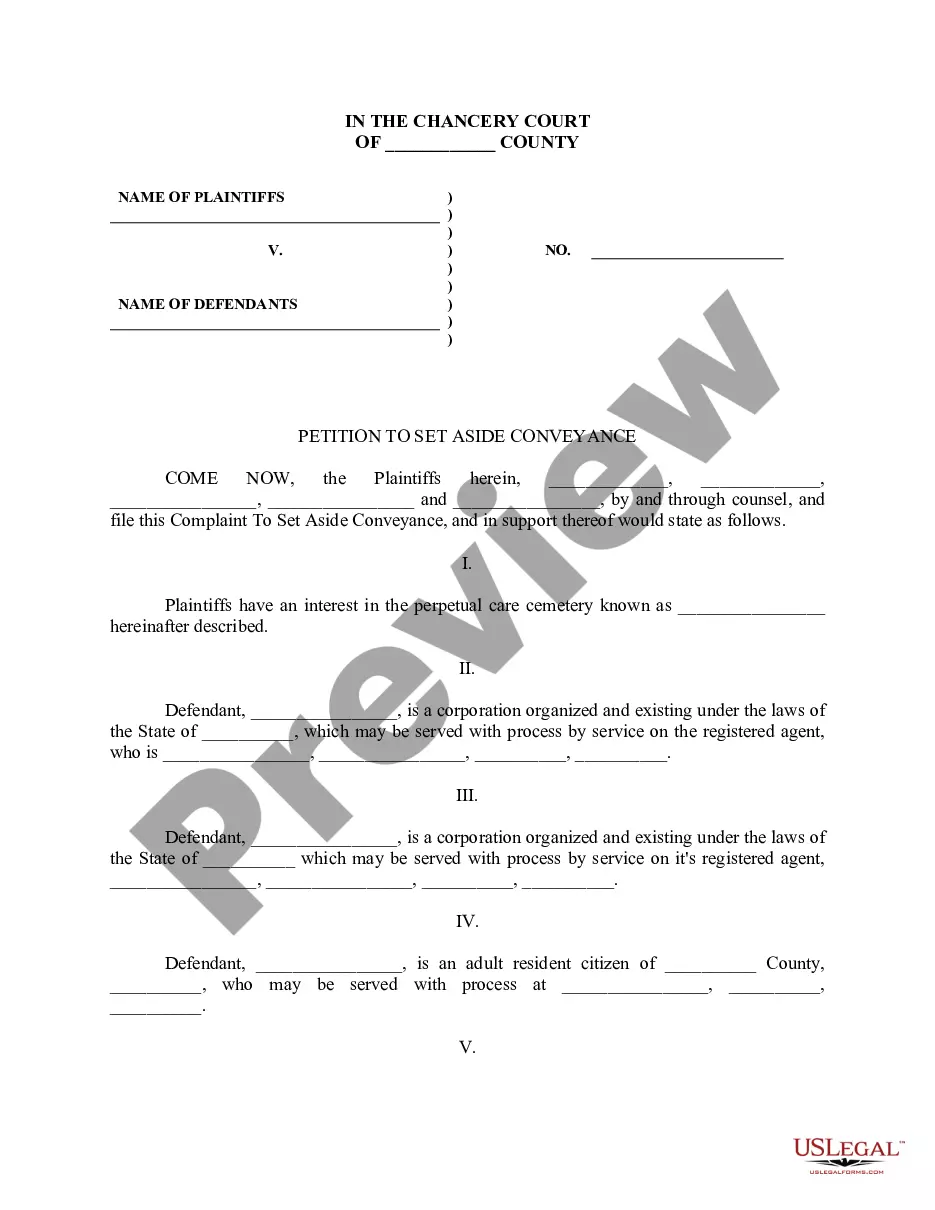
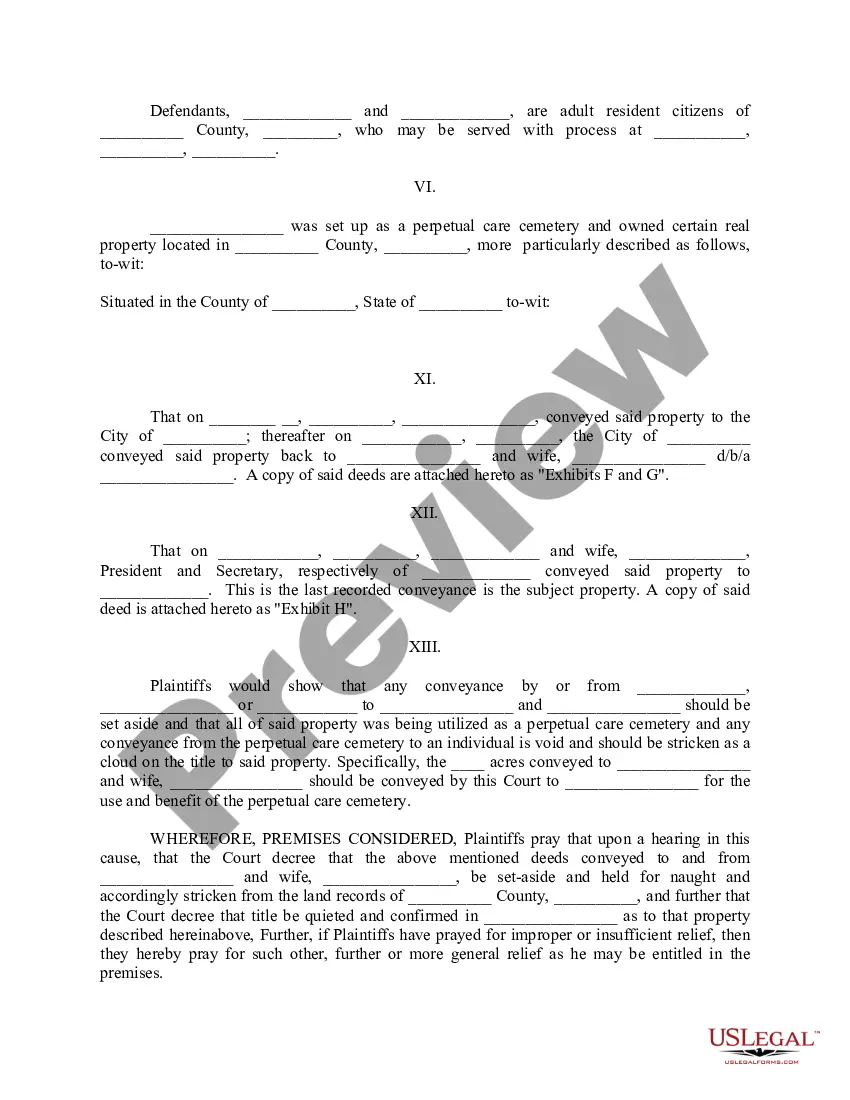

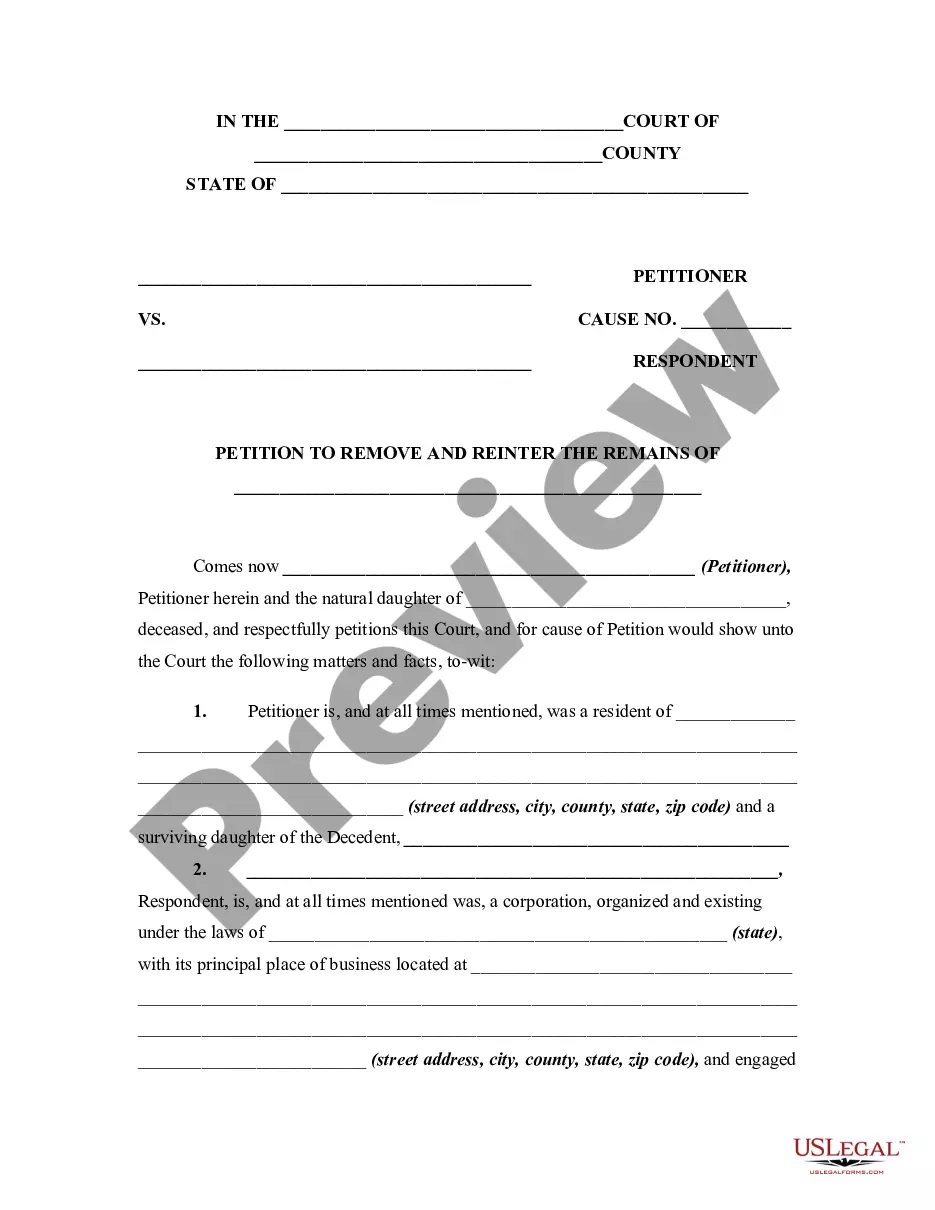
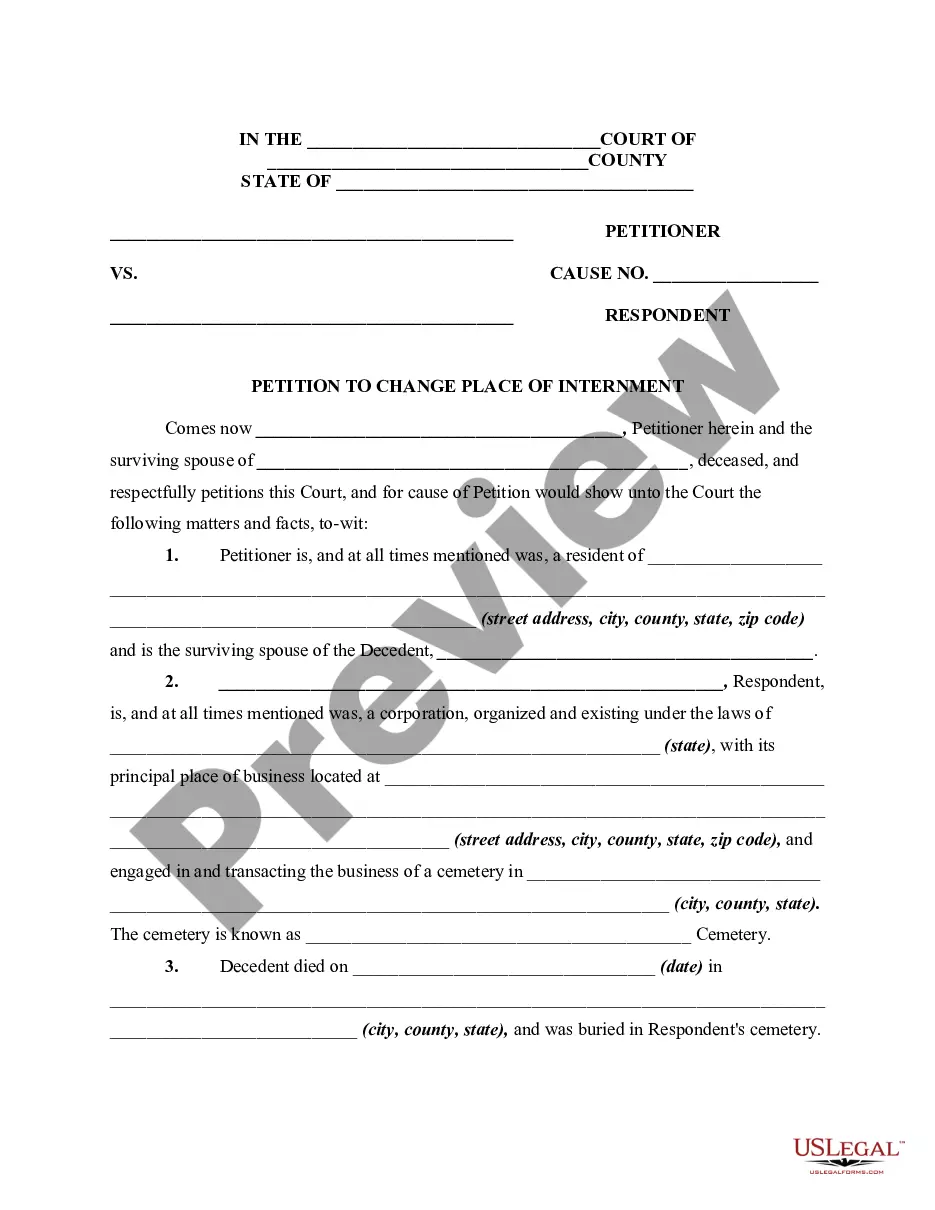
Get your form ready online
Our built-in tools help you complete, sign, share, and store your documents in one place.
Make edits, fill in missing information, and update formatting in US Legal Forms—just like you would in MS Word.
Download a copy, print it, send it by email, or mail it via USPS—whatever works best for your next step.
Sign and collect signatures with our SignNow integration. Send to multiple recipients, set reminders, and more. Go Premium to unlock E-Sign.
If this form requires notarization, complete it online through a secure video call—no need to meet a notary in person or wait for an appointment.
We protect your documents and personal data by following strict security and privacy standards.

Make edits, fill in missing information, and update formatting in US Legal Forms—just like you would in MS Word.

Download a copy, print it, send it by email, or mail it via USPS—whatever works best for your next step.

Sign and collect signatures with our SignNow integration. Send to multiple recipients, set reminders, and more. Go Premium to unlock E-Sign.

If this form requires notarization, complete it online through a secure video call—no need to meet a notary in person or wait for an appointment.

We protect your documents and personal data by following strict security and privacy standards.
Looking for another form?









Form popularity
FAQ
The Ohio Department of Commerce Division of Real Estate and Professional Licensing, registers Ohio cemeteries operated by a company or person, church, religious society, established fraternal organization, or political subdivision.
The ownership of the grave and the cemetery land remains with us. However, Exclusive Right of Burial will be issued to the named person stated on our interment form and can only be purchased when arranging a burial. A Deed of Grant will also be issued by us at the same time.
The care and maintenance of abandoned, inactive cemeteries tends to be the responsibility of the family or the landowner. Although active cemeteries are usually maintained by the owner or cemetery association, not all have provisions for perpetual care.
The use of land for cemeteries is subject to state and local regulations, including zoning laws that designate specific areas for burial purposes. Private landowners or religious societies can establish cemeteries, though they must adhere to any governmental zoning requirements.
Cemetery plot ownership laws dictate that the cemetery remains the actual owner of the land or physical property. Instead, what you're buying is the right to inter (bury) someone in that space subject to the rules and regulations that govern the cemetery.
The Department of Commerce's Division of Real Estate and Professional Licensing, and the Ohio Cemetery Dispute Resolution Commission, oversee cemeteries in Ohio.
When discussing the preservation of cemeteries, the first question that must be answered is, “who owns the cemetery?” There are basically three types of ownership in Ohio: township, municipal and private.
Section 1701.95 | Liability for unlawful loans, dividends, distribution of assets.
First, you should report the issue directly to cemetery management. If the issue continues to goes unaddressed, you can file a complaint with the Ohio Cemetery Resolution Commission — a 9-person commission that helps resolve complaints against registered cemeteries.