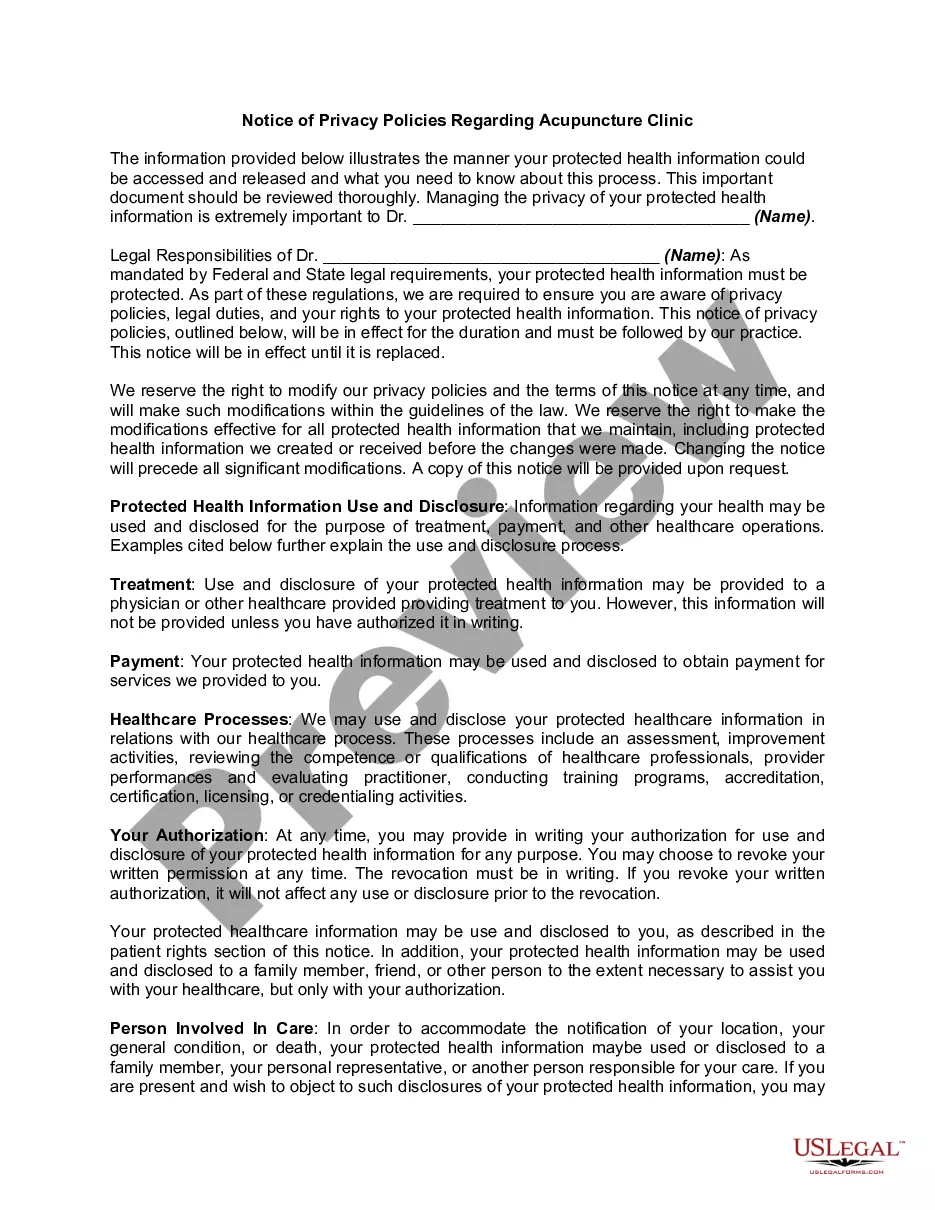
Conveyance Cemetery Without A Will In Nevada
Description


Get your form ready online
Our built-in tools help you complete, sign, share, and store your documents in one place.
Make edits, fill in missing information, and update formatting in US Legal Forms—just like you would in MS Word.
Download a copy, print it, send it by email, or mail it via USPS—whatever works best for your next step.
Sign and collect signatures with our SignNow integration. Send to multiple recipients, set reminders, and more. Go Premium to unlock E-Sign.
If this form requires notarization, complete it online through a secure video call—no need to meet a notary in person or wait for an appointment.
We protect your documents and personal data by following strict security and privacy standards.

Make edits, fill in missing information, and update formatting in US Legal Forms—just like you would in MS Word.

Download a copy, print it, send it by email, or mail it via USPS—whatever works best for your next step.

Sign and collect signatures with our SignNow integration. Send to multiple recipients, set reminders, and more. Go Premium to unlock E-Sign.

If this form requires notarization, complete it online through a secure video call—no need to meet a notary in person or wait for an appointment.

We protect your documents and personal data by following strict security and privacy standards.
Looking for another form?










Form popularity
FAQ
What Assets Are Exempt from Probate in Nevada? Real property titled solely in the name of the decedent or held as a tenant in common. Personal property, such as jewelry, furniture, and automobiles. Bank accounts held solely in the decedent's name.
The term for dying without a will is “intestate.” After paying remaining bills, taxes, and fees, through the deceased person's estate, his or her assets will be given to his or her surviving next of kin (known as heirs), as determined by Nevada law.
A person who dies without a will has died “intestate”, and his or her estate will be administered by a court-appointed administrator, and that person's assets pass to his or her heirs, who are those designated under state law to inherit the estate.
Who Gets What in Nevada? If you die with:here's what happens: children but no spouse, parents, or siblings children inherit everything spouse but no children, parents, or siblings spouse inherits everything parents but no children, spouse, or siblings parents inherit everything5 more rows
Understanding the Probate Process in Nevada If you have recently lost a loved one, you may be wondering what is involved in the probate process in Nevada. This process is generally straightforward and can take approximately six months to complete.
If you have recently lost a loved one, you may be wondering what is involved in the probate process in Nevada. This process is generally straightforward and can take approximately six months to complete.
Nevada allows people to be buried on their own property but limits where such burials are allowed. Under Nevada law, the board of county commissioners may create ordinances that allow burial on private property but only if the county has less than 50,000 people in its population.
Neglecting to write a will means forfeiting control over who will care for your children upon your death. Nicholas Amanti, a business and estate planning attorney in Massachusetts, also notes that without a will, the appointed guardian will have control over any inherited assets.
If there is no will, the decedent's property goes to their relatives based on intestate succession law. The other partner will retain their separate property only. Property owned by both parties as tenancy by the entirety or joint tenants with the right of survivorship will pass to the surviving partner.