Conveyance Cemetery Without A Will In Maryland
Description
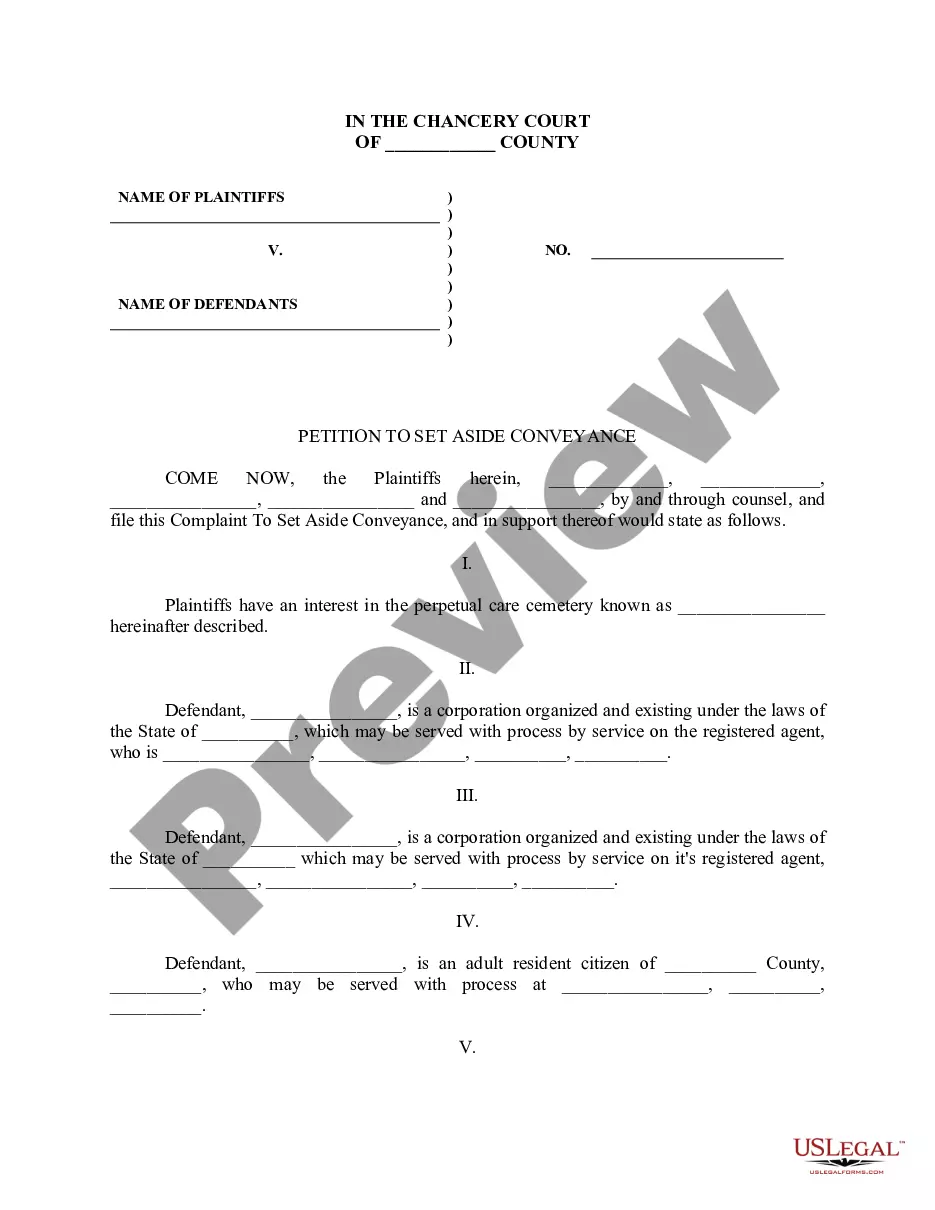
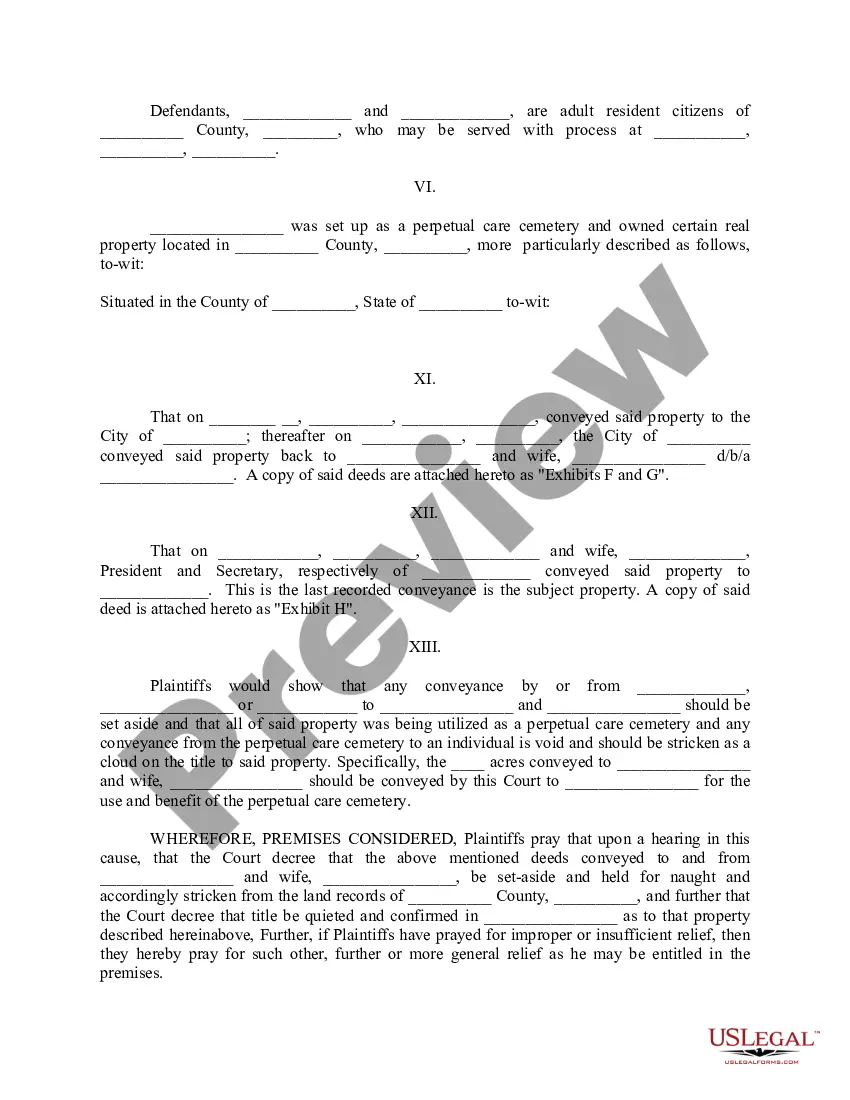

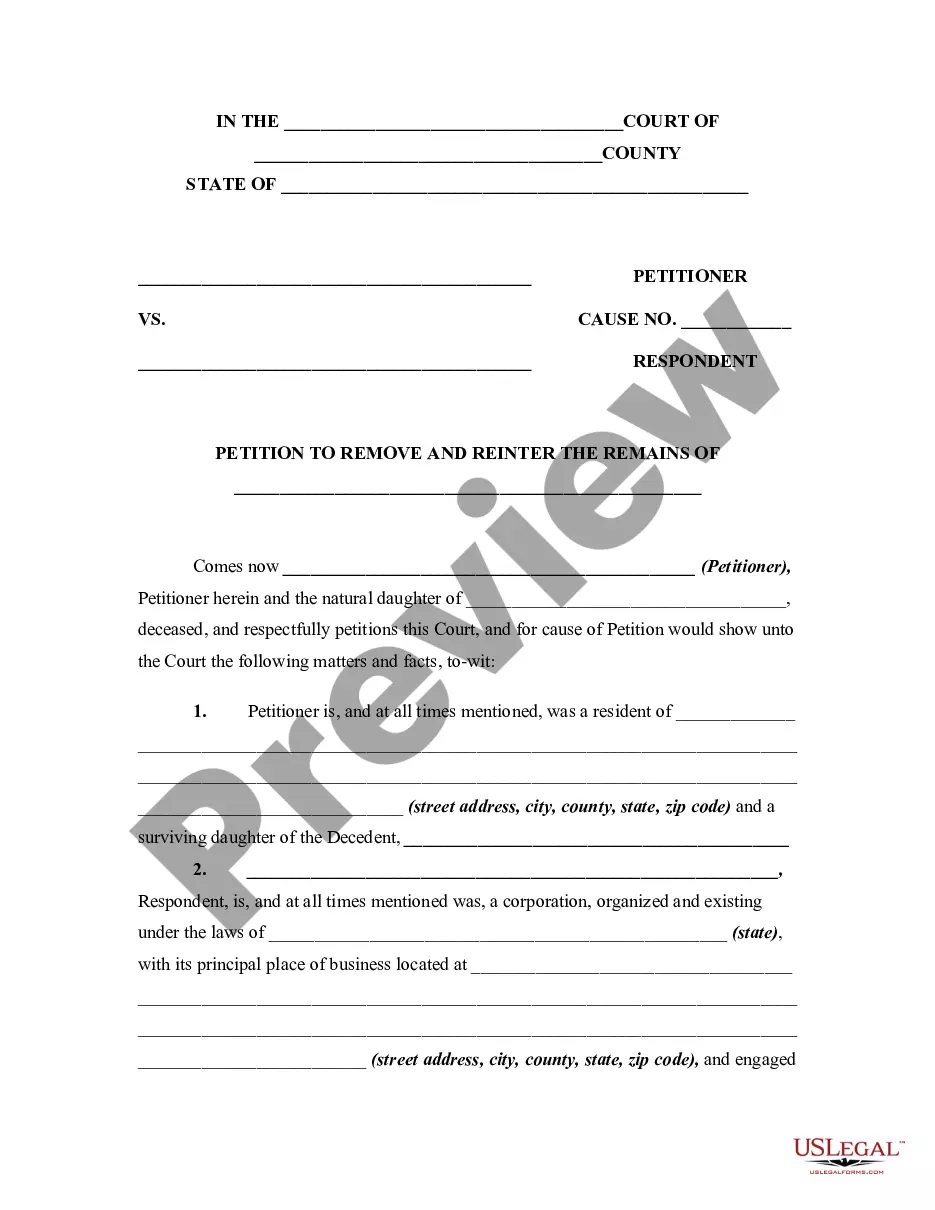
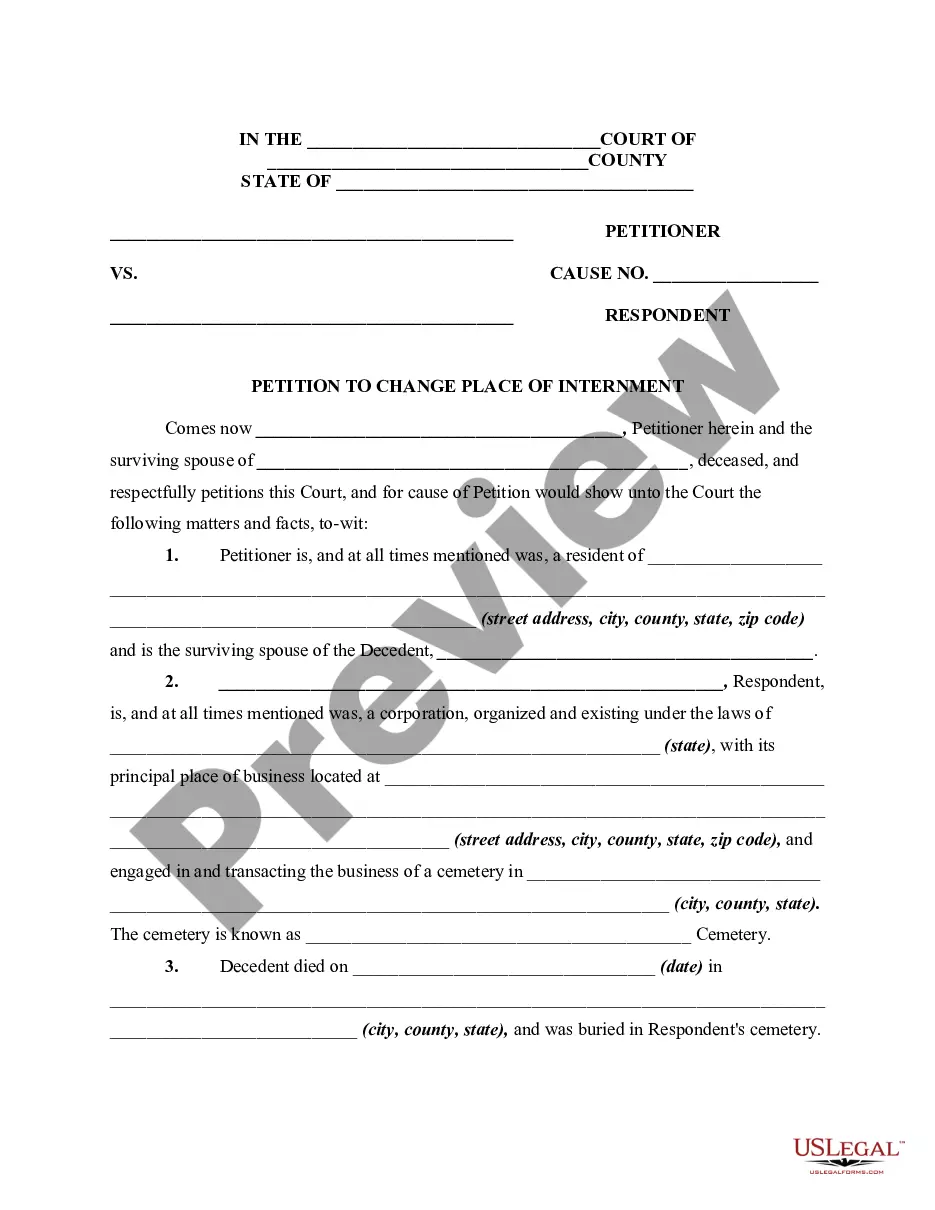
Get your form ready online
Our built-in tools help you complete, sign, share, and store your documents in one place.
Make edits, fill in missing information, and update formatting in US Legal Forms—just like you would in MS Word.
Download a copy, print it, send it by email, or mail it via USPS—whatever works best for your next step.
Sign and collect signatures with our SignNow integration. Send to multiple recipients, set reminders, and more. Go Premium to unlock E-Sign.
If this form requires notarization, complete it online through a secure video call—no need to meet a notary in person or wait for an appointment.
We protect your documents and personal data by following strict security and privacy standards.

Make edits, fill in missing information, and update formatting in US Legal Forms—just like you would in MS Word.

Download a copy, print it, send it by email, or mail it via USPS—whatever works best for your next step.

Sign and collect signatures with our SignNow integration. Send to multiple recipients, set reminders, and more. Go Premium to unlock E-Sign.

If this form requires notarization, complete it online through a secure video call—no need to meet a notary in person or wait for an appointment.

We protect your documents and personal data by following strict security and privacy standards.
Looking for another form?
Form popularity
FAQ
A probate attorney can help you determine if the estate needs to go through the probate process. Regular Estate - property of the decedent subject to administration in Maryland is es- tablished to have a value in excess of $50,000 (in excess of $100,000 if spouse is sole heir).
Without a will, the intestate laws of the State of Maryland direct the order of priority for those individuals to serve as personal representative of the estate; what heirs are entitled to receive the assets of the estate; and in some instances the Orphans' Court shall make the appointment of a guardian for your minor ...
The answer to “Do all Wills go through probate in Maryland?” is yes. All Wills go through probate. However, not all assets do. Non-probate assets include life insurance policies, retirement accounts, and jointly owned assets.
One of the most effective strategies to bypass Maryland probate is establishing a Revocable Living Trust. This flexible tool allows you to retain control over your assets during your lifetime, with the ability to alter or dissolve the trust as your circumstances or wishes change.
In Maryland, when a person dies and they own any assets in their name, those assets would have to go through the probate process. The person who's named in the will as the personal representative would have to open an estate with the court.
Generally, the Intestacy statutes provide for property to be distributed to a decedent's closest living relatives, i.e., to a surviving spouse and children, if there are any; to children in equal shares if there is no surviving spouse; to parents if there are no spouse and children; and so on to more distant relatives.
Assets like joint bank accounts, life insurance policies, trusts, and retirement accounts are exempt from probate and will usually be passed on to the named beneficiary or beneficiaries upon an individual's death.
Non-probate property – Property not subject to the terms of a decedent's Last Will and Testament, and which passes to a beneficiary outside of the probate process, such as property that had been transferred into trust prior to death, joint tenants by right of survivorship (or tenants by the entireties), payable on ...
If there were no widow or children, next of kin shared equally in the distribution. Ascending collateral kin alternated with descending, parents first, then siblings, then grandfathers, nephews, and, lastly, cousins.
If you're not married, your children would be the next of kin. If you're not married and don't have children, your parents would be next of kin. If you're not married, don't have children, and your parents aren't available/living, then your siblings are next of kin.