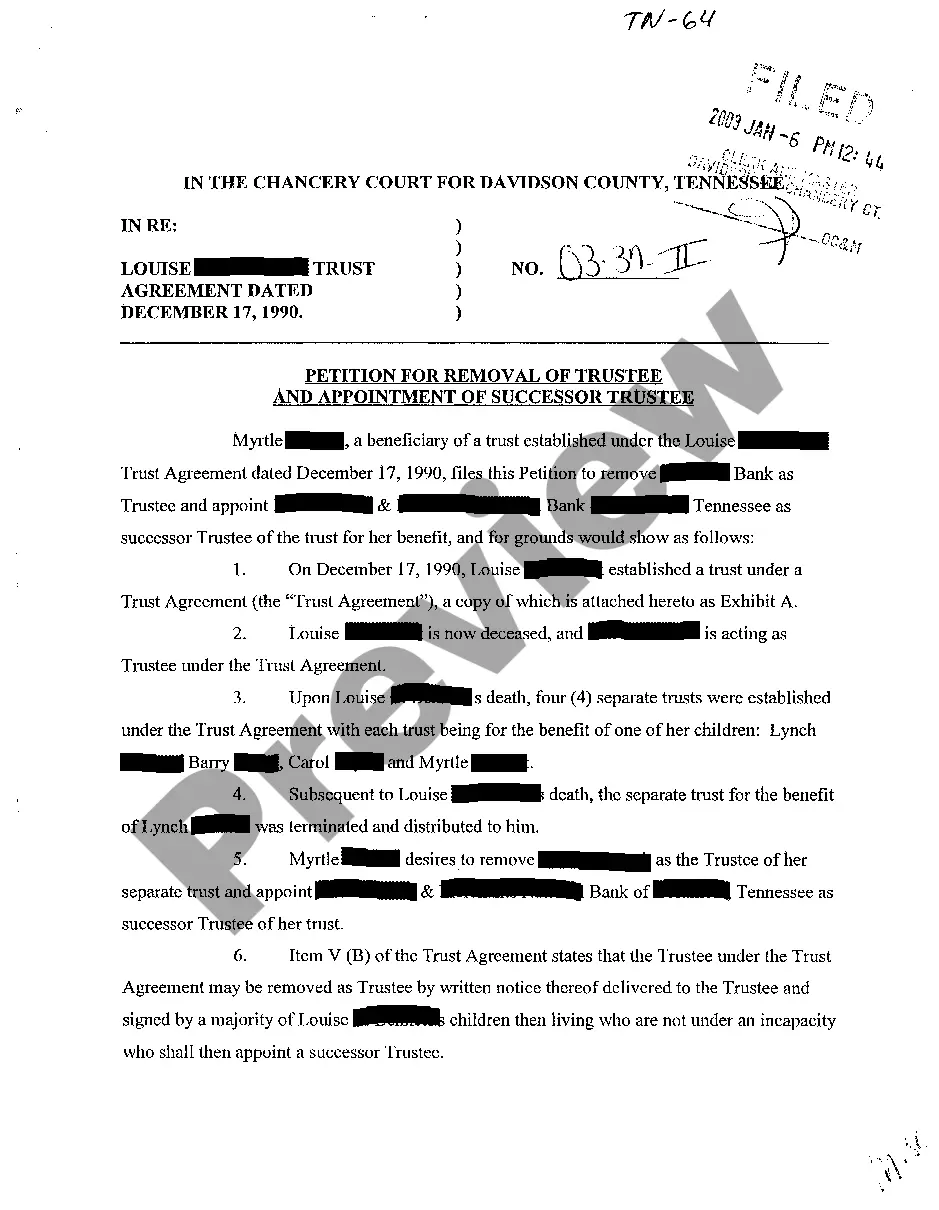
Set Aside Petition Meaning In Florida
Description

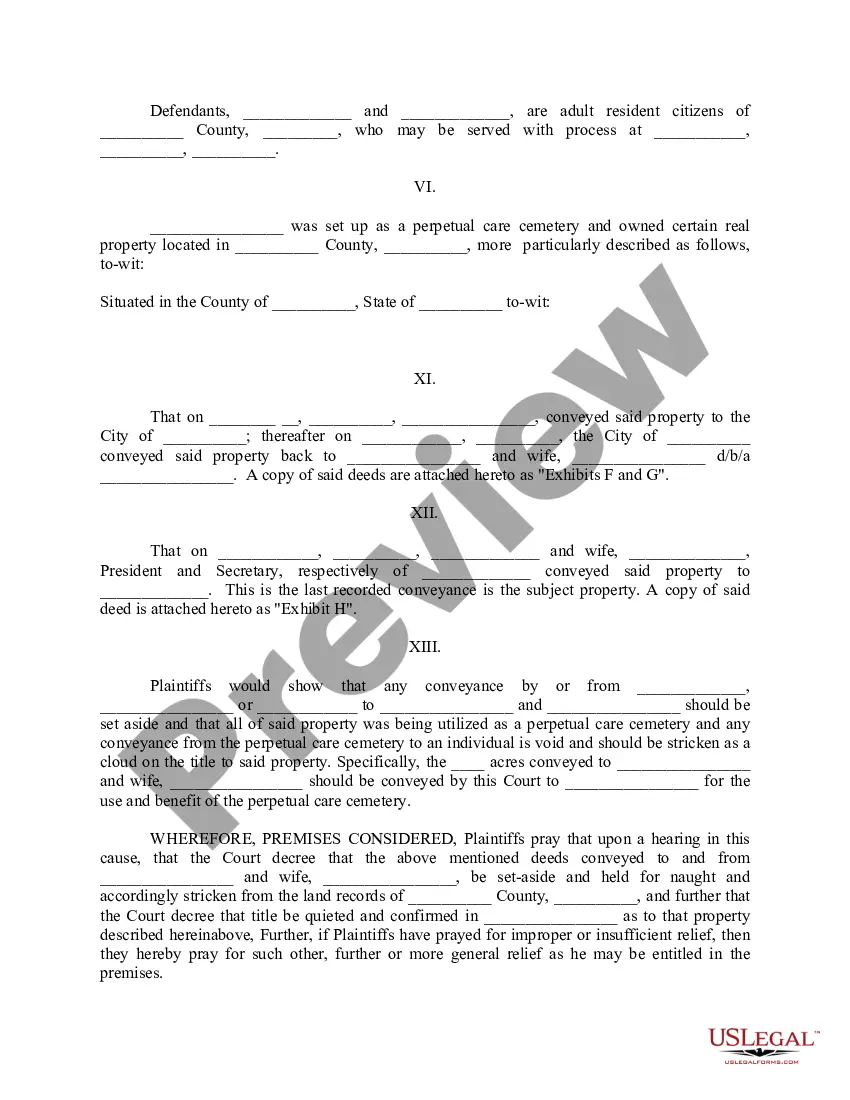

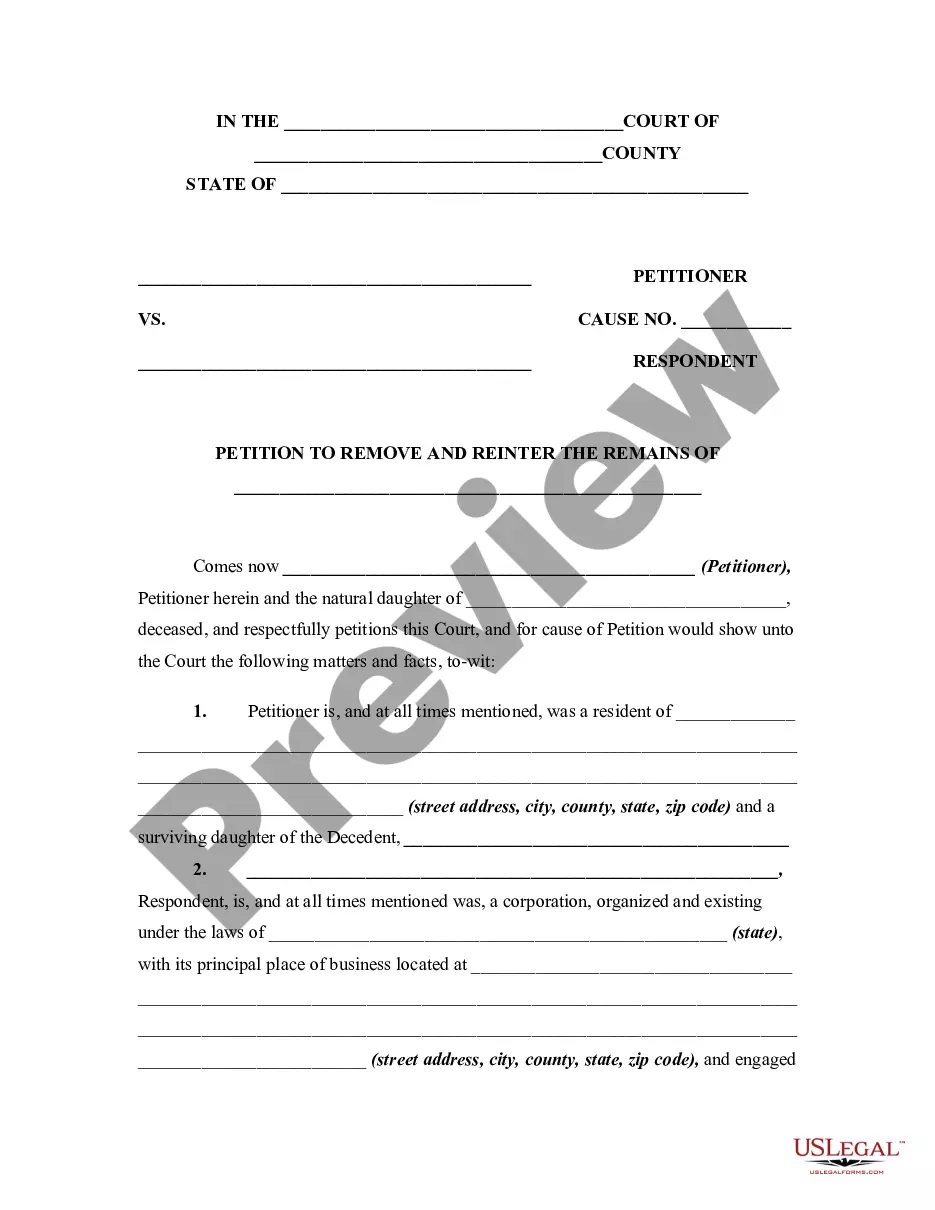
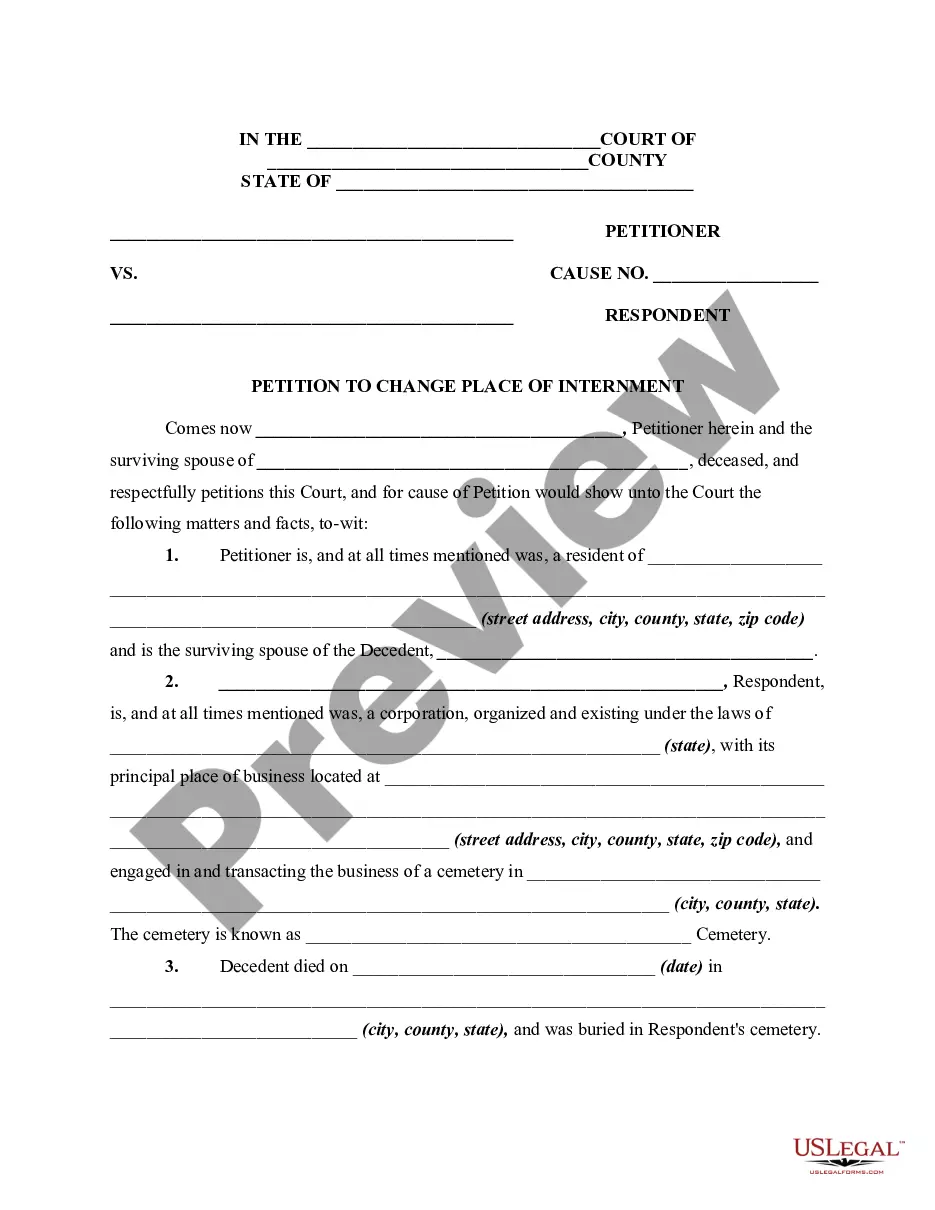
Get your form ready online
Our built-in tools help you complete, sign, share, and store your documents in one place.
Make edits, fill in missing information, and update formatting in US Legal Forms—just like you would in MS Word.
Download a copy, print it, send it by email, or mail it via USPS—whatever works best for your next step.
Sign and collect signatures with our SignNow integration. Send to multiple recipients, set reminders, and more. Go Premium to unlock E-Sign.
If this form requires notarization, complete it online through a secure video call—no need to meet a notary in person or wait for an appointment.
We protect your documents and personal data by following strict security and privacy standards.

Make edits, fill in missing information, and update formatting in US Legal Forms—just like you would in MS Word.

Download a copy, print it, send it by email, or mail it via USPS—whatever works best for your next step.

Sign and collect signatures with our SignNow integration. Send to multiple recipients, set reminders, and more. Go Premium to unlock E-Sign.

If this form requires notarization, complete it online through a secure video call—no need to meet a notary in person or wait for an appointment.

We protect your documents and personal data by following strict security and privacy standards.
Looking for another form?







Form popularity
FAQ
What does Set aside mean? Cancelling a judgment or order or a step taken by a party in the proceedings.
1. : to disagree with and overturn (a decision or act of a lower tribunal) upon review : overrule, vacate. set aside the decree. 2. : to deprive of legal effect or force : annul, void.
In law, a motion to set aside judgment is an application to overturn or set aside a court's judgment, verdict or other final ruling in a case. Such a motion is proposed by a party who is dissatisfied with the result of a case.
A common summary of the rules for setting aside (excusing) a default is frequently quoted by Florida appellate courts: A party attempting to set aside a clerk's default must demonstrate excusable neglect, a meritorious defense, and due diligence in order for the trial court to vacate the default.
In Florida, a “void judgment” is so defective that it is deemed never to have had legal force and effect, while a “voidable judgment” is a judgment that has been entered based upon some error in procedure that allows a party to have the judgment vacated, but the judgment has legal force and effect unless and until it ...
The rule states that a court may consider modifying a final judgment if any of the following instances occur: Mistakes, inadvertence, surprise, or excusable neglect; Newly discovered evidence that could not have been reasonably discovered previously; Fraud, misrepresentation, or other misconduct of an adverse party;
When a court renders a decision of another court to be invalid, that verdict or decision is set aside; see also annul or vacate . The phrase is often used in the context of appeals , when an appellate court invalidates the judgment of a lower court. For example, in Eckenrode v.
Rule 12.540 of the Florida Family Law Rules of Procedure not only provides the vehicle for a party to seek relief from a judgment, but the rule also extends the time limit for a party to submit a motion to set aside a judgment due to fraudulent financial affidavits in that party's divorce or paternity case.