Conveyance Cemetery Without A Permit In Fairfax
Description

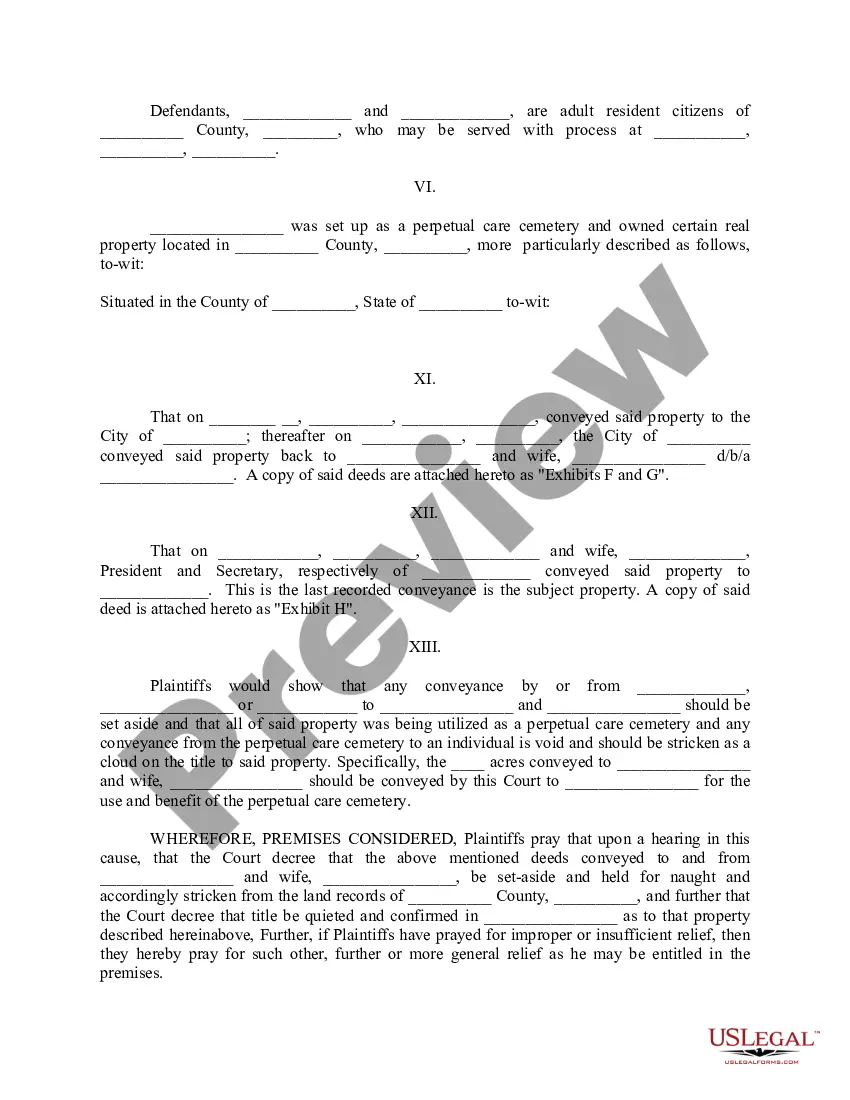
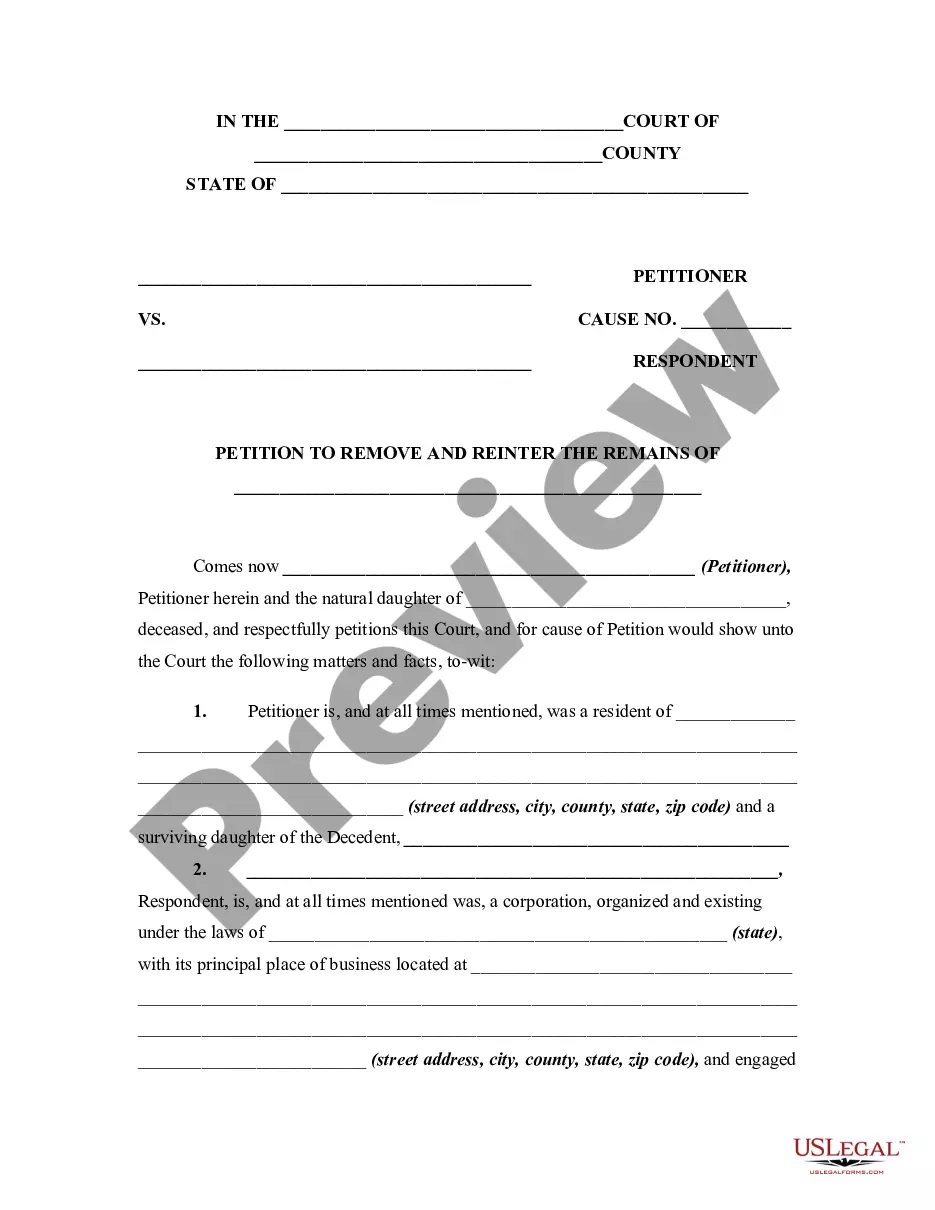
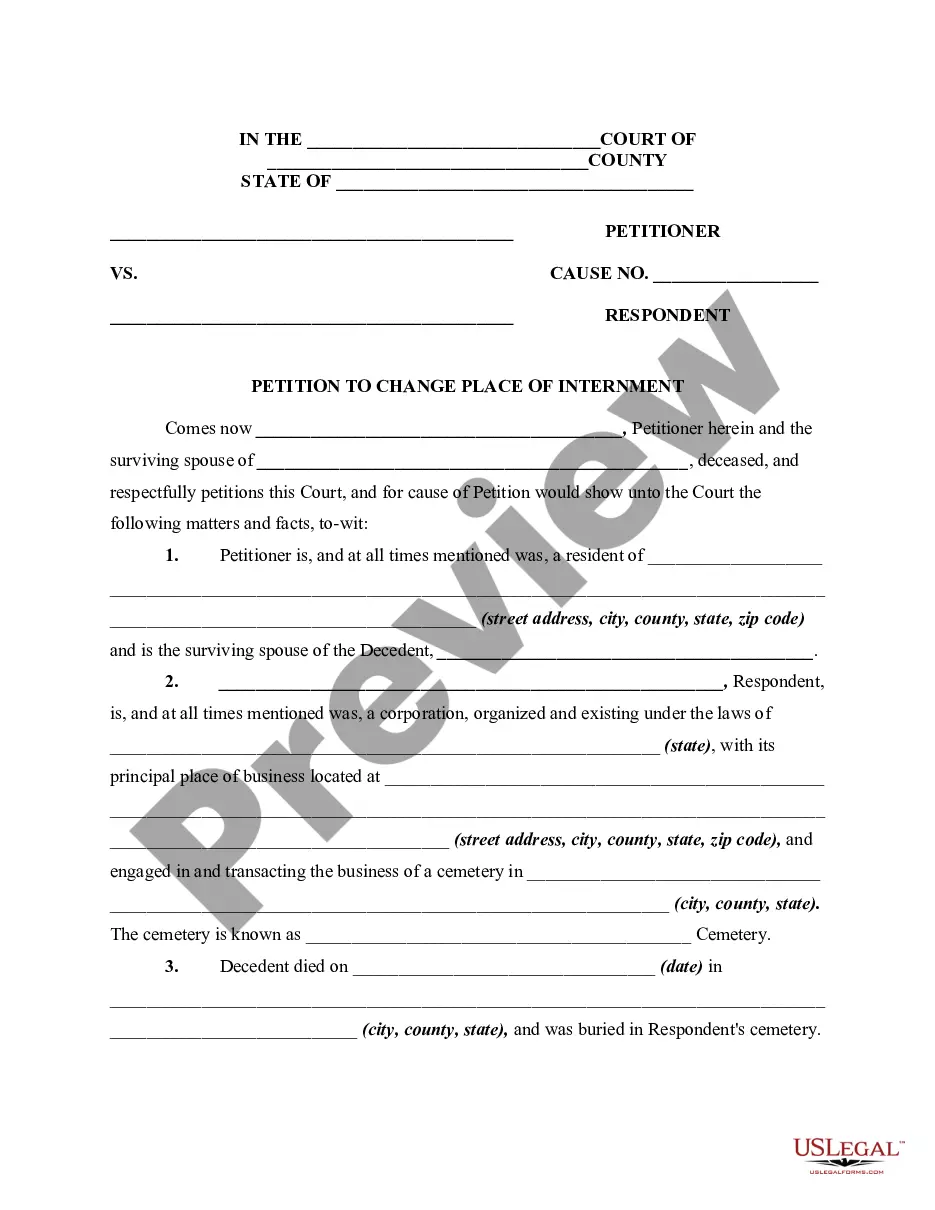
Get your form ready online
Our built-in tools help you complete, sign, share, and store your documents in one place.
Make edits, fill in missing information, and update formatting in US Legal Forms—just like you would in MS Word.
Download a copy, print it, send it by email, or mail it via USPS—whatever works best for your next step.
Sign and collect signatures with our SignNow integration. Send to multiple recipients, set reminders, and more. Go Premium to unlock E-Sign.
If this form requires notarization, complete it online through a secure video call—no need to meet a notary in person or wait for an appointment.
We protect your documents and personal data by following strict security and privacy standards.

Make edits, fill in missing information, and update formatting in US Legal Forms—just like you would in MS Word.

Download a copy, print it, send it by email, or mail it via USPS—whatever works best for your next step.

Sign and collect signatures with our SignNow integration. Send to multiple recipients, set reminders, and more. Go Premium to unlock E-Sign.

If this form requires notarization, complete it online through a secure video call—no need to meet a notary in person or wait for an appointment.

We protect your documents and personal data by following strict security and privacy standards.
Looking for another form?







Form popularity
FAQ
There are no laws that prohibit home burial. You must check local zoning laws before establishing a home cemetery or burying on private land. It is legally required to hire a Funeral Director to handle certain parts of the funeral.
In residential zoning districts, outdoor storage is not allowed in the front yard. Outdoor storage in the side or rear yard cannot exceed 100 square feet in total area.
Structures over 256 square feet in size require a building permit.
How to Transfer Ownership of a Burial Plot Step 1 – Get the Deed From the Cemetery. Step 2 – Review the State and Local Laws. Step 3 – Prove You Are the Current Owner. Step 4 – Fill Out the Cemetery Plot Deed Transfer Form. Step 5 – Complete the Transfer and Get the New Deed.
In Virginia, you generally do not need a building permit for any shed that is less than 256 sq. feet. That means that you can have a shed that is up to 12×20, or 14×18. In these cases, you don't need to visit the government offices for a permit.
And public records. Let's get started can a cemetery move a grave without permission. No a cemeteryMoreAnd public records. Let's get started can a cemetery move a grave without permission. No a cemetery cannot move a grave without permission.
On a single-family house, most routine work does not require a permit. You can: Paint, add or replace carpet, tile or hardwood floors, replace cabinets, and even replace paneling and drywall without a permit. Replace your windows and doors, as long as you don't change the size of the opening in the wall.
The quick and simple answer is: you usually don't need a permit if the shed is 120 square feet or less. In California, most jurisdictions have adopted the 120 square foot rule. If your shed area is larger than 120 square feet, it needs a building permit.
Virginia families may bury on their own property. There are no laws in Virginia stipulating conditions for home burial.
(a) (1) Unless exempt under this chapter, it shall be unlawful for any person to offer for sale or to sell any cemetery burial rights, mausoleum interment rights, columbarium inurnment rights, grave spaces, or other physical locations for the final disposition of human remains in this state unless such person is ...