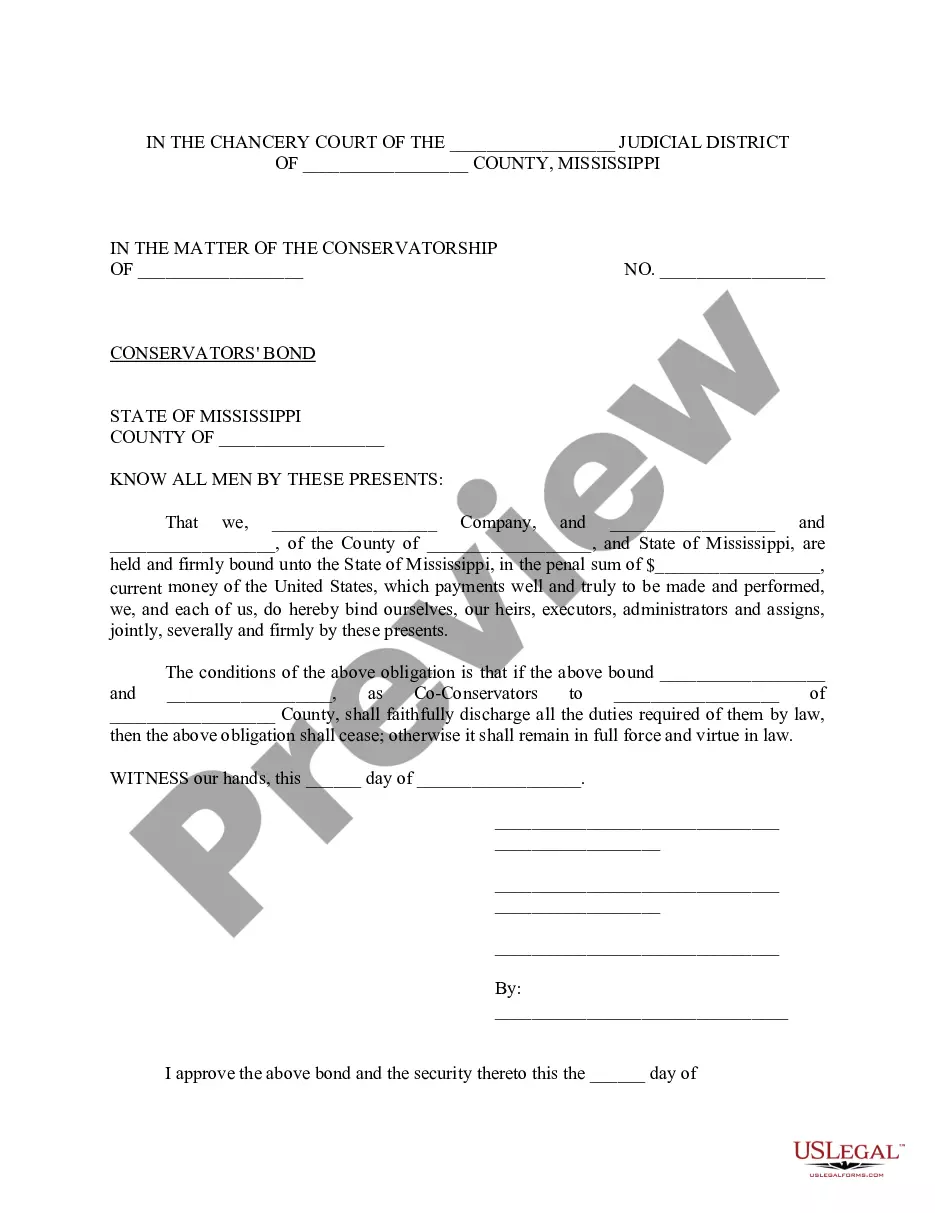
Petition To Set Aside Estate Without Administration In California
Description


Get your form ready online
Our built-in tools help you complete, sign, share, and store your documents in one place.
Make edits, fill in missing information, and update formatting in US Legal Forms—just like you would in MS Word.
Download a copy, print it, send it by email, or mail it via USPS—whatever works best for your next step.
Sign and collect signatures with our SignNow integration. Send to multiple recipients, set reminders, and more. Go Premium to unlock E-Sign.
If this form requires notarization, complete it online through a secure video call—no need to meet a notary in person or wait for an appointment.
We protect your documents and personal data by following strict security and privacy standards.

Make edits, fill in missing information, and update formatting in US Legal Forms—just like you would in MS Word.

Download a copy, print it, send it by email, or mail it via USPS—whatever works best for your next step.

Sign and collect signatures with our SignNow integration. Send to multiple recipients, set reminders, and more. Go Premium to unlock E-Sign.

If this form requires notarization, complete it online through a secure video call—no need to meet a notary in person or wait for an appointment.

We protect your documents and personal data by following strict security and privacy standards.
Looking for another form?





Form popularity
FAQ
During the initial probate proceeding, after the court has determined that there is no will, it will appoint an administrator for the estate. The person who serves in this role will have many duties, including: Preserving the decedent's assets. Satisfying all valid creditor claims.
California probate law permits the removal of an estate executor if justified reasons are presented. This process involves submitting a formal Petition to Remove Administrator of Estate to the probate court, detailing the grounds for removal and possibly proposing a successor.
How to Avoid Probate in California Creating a Living Trust. Setting up a Joint Ownership. Payable-on-Death Designations for Bank Accounts. Transfer-on-Death Registration for Securities. Transfer-on-Death Deeds for Real Estate. Transfer-on-Death Registration for Vehicles.
If there is no surviving spouse or children, the property goes to the decedent's parents. If the parents are also deceased, the inheritance goes to siblings, nieces, nephews, grandparents, great uncles, great aunts, and other relatives ing to California's intestate succession laws.
In some cases, the probate process in California can take as little as nine months, but that is rare. It typically takes anywhere from half a year to eighteen months, and complicated cases may take as long as two years or more. However, having an idea of how long a case may take helps you understand the process.
A California Probate Code 850 petition (aka Heggstad petition) can be used when an asset is left out of a decedent's revocable living trust. This may occur when the asset has not been appropriately titled in their trust even though the trust settlor intended the asset to be covered by the trust.
This form may be used to collect the unclaitred property of a decedent without procuring letters of administration or awaiting probate of the decedent's will if you are entitled to the decedent's property under Section 13101 of the California Probate Code.
Any interested party that wishes to remove an executor would have to petition the probate court to have the executor removed and present a reason. It's best to have a qualified probate lawyer advise you first and help you with this petition.