Job Discrimination For Age In Salt Lake
Description




Get your form ready online
Our built-in tools help you complete, sign, share, and store your documents in one place.
Make edits, fill in missing information, and update formatting in US Legal Forms—just like you would in MS Word.
Download a copy, print it, send it by email, or mail it via USPS—whatever works best for your next step.
Sign and collect signatures with our SignNow integration. Send to multiple recipients, set reminders, and more. Go Premium to unlock E-Sign.
If this form requires notarization, complete it online through a secure video call—no need to meet a notary in person or wait for an appointment.
We protect your documents and personal data by following strict security and privacy standards.

Make edits, fill in missing information, and update formatting in US Legal Forms—just like you would in MS Word.

Download a copy, print it, send it by email, or mail it via USPS—whatever works best for your next step.

Sign and collect signatures with our SignNow integration. Send to multiple recipients, set reminders, and more. Go Premium to unlock E-Sign.

If this form requires notarization, complete it online through a secure video call—no need to meet a notary in person or wait for an appointment.

We protect your documents and personal data by following strict security and privacy standards.
Looking for another form?
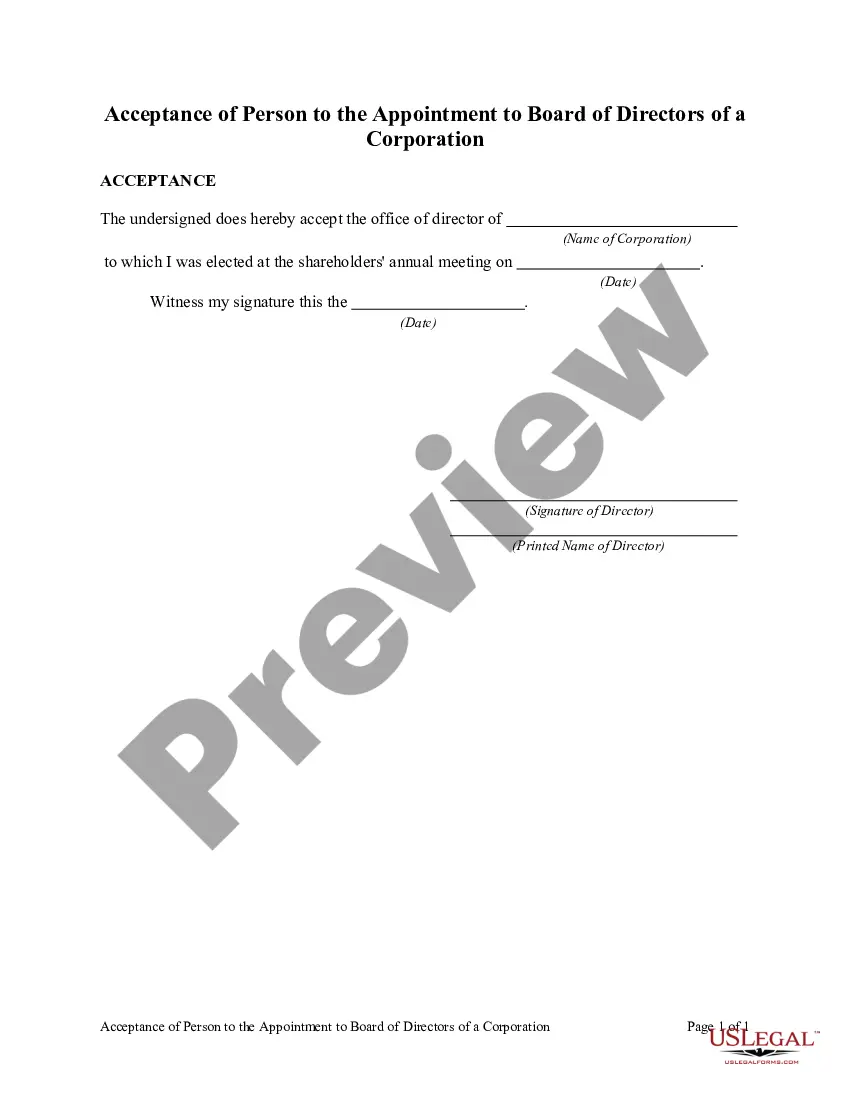

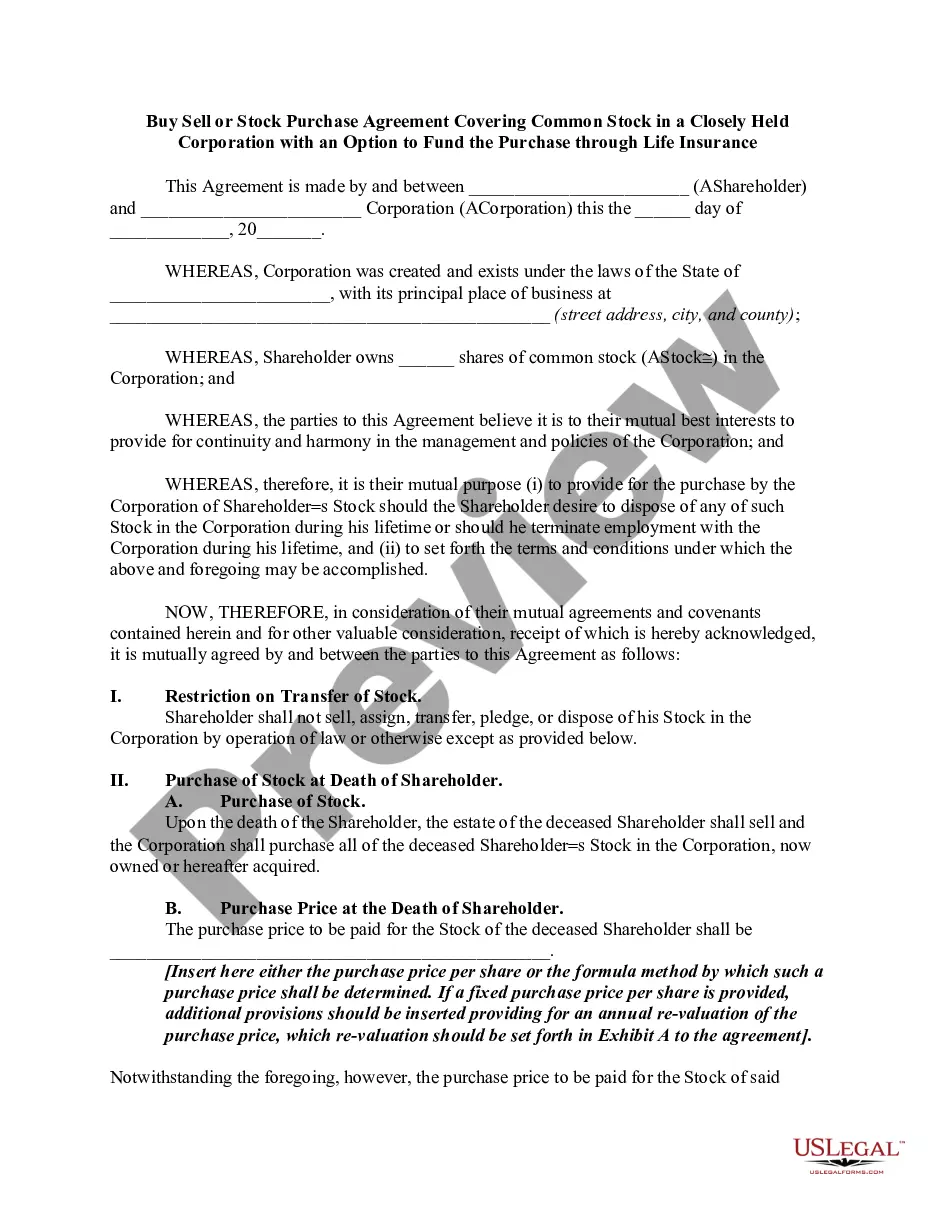




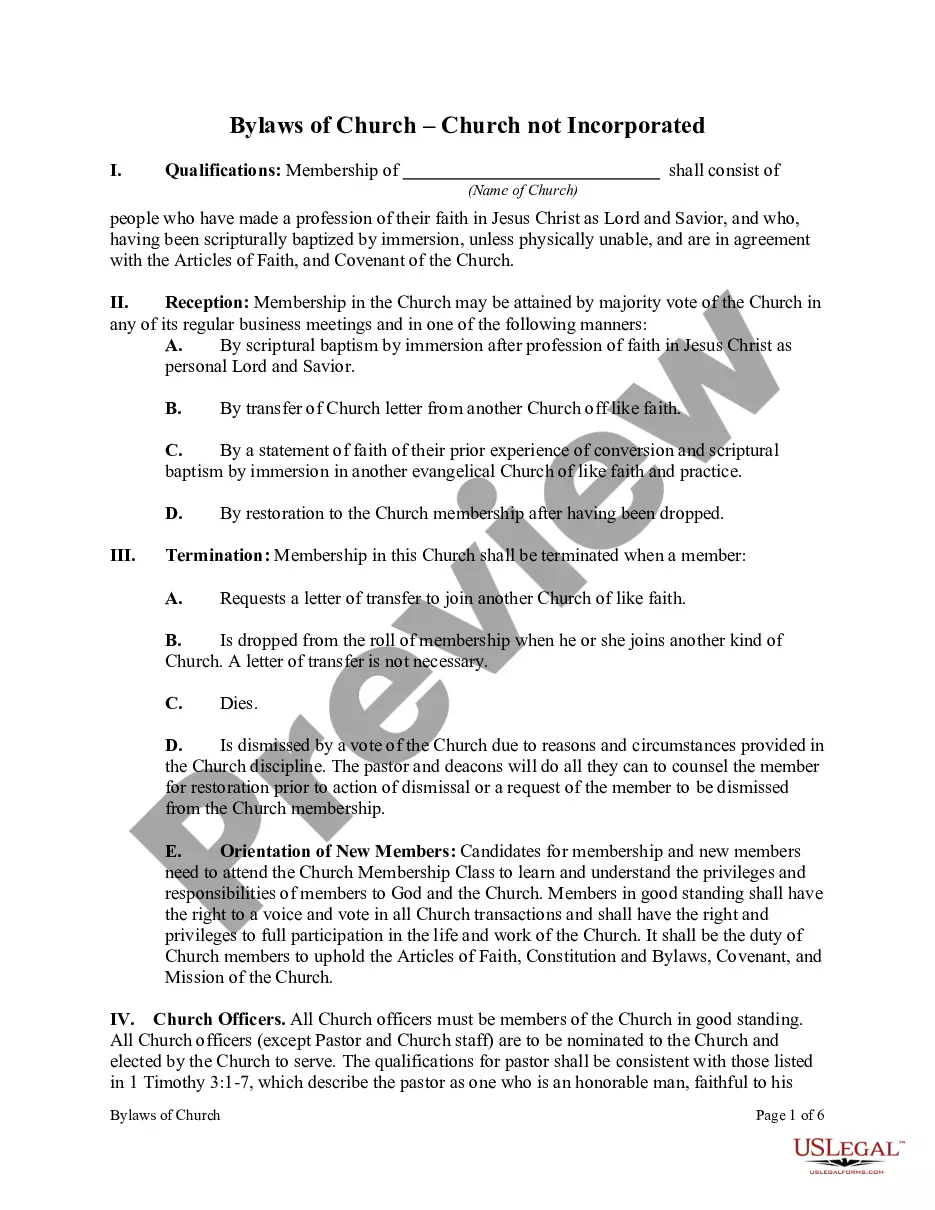


Form popularity
FAQ
Age harassment involves unwelcome and offensive conduct in the workplace that is based on a person's age (age 40 or older). The harasser can be a supervisor, a co-worker, or someone who does not work for the employer, such as a client or customer.
An employer's use of the term “overqualified” may be a sign of age discrimination. It is unlawful for an employer not to hire an experienced older person based solely on the assumption that they might become bored or dissatisfied and leave the job.
Proving age discrimination in hiring can be challenging but is possible through direct evidence, such as age-related comments during interviews, disparate treatment evidence showing a pattern of hiring younger employees despite older candidates being more qualified, and disparate impact evidence where policies ...
Age. Age discrimination involves treating someone (an applicant or employee) less favorably because of age. Disability. Genetic Information. Unlawful Workplace Harassment (Harassment) ... National Origin. Pregnancy. Race/Color. Religion.
It will not only benefit you, but your co-workers as well because it will likely make your workplace safer by creating a better environment for all. When you sue, you can also obtain a legal remedy for the discrimination you have faced. Employers often offer a significant sum in these cases.
Direct evidence often involves a statement from a decision-maker that expresses a discriminatory motive. Direct evidence can also include express or admitted classifications, in which a recipient explicitly distributes benefits or burdens based on race, color, or national origin.
The process of suing your employer for age discrimination can be complex, lengthy, and time-consuming. In most cases, you will need an employment lawyer to represent you and help you achieve the best outcome.