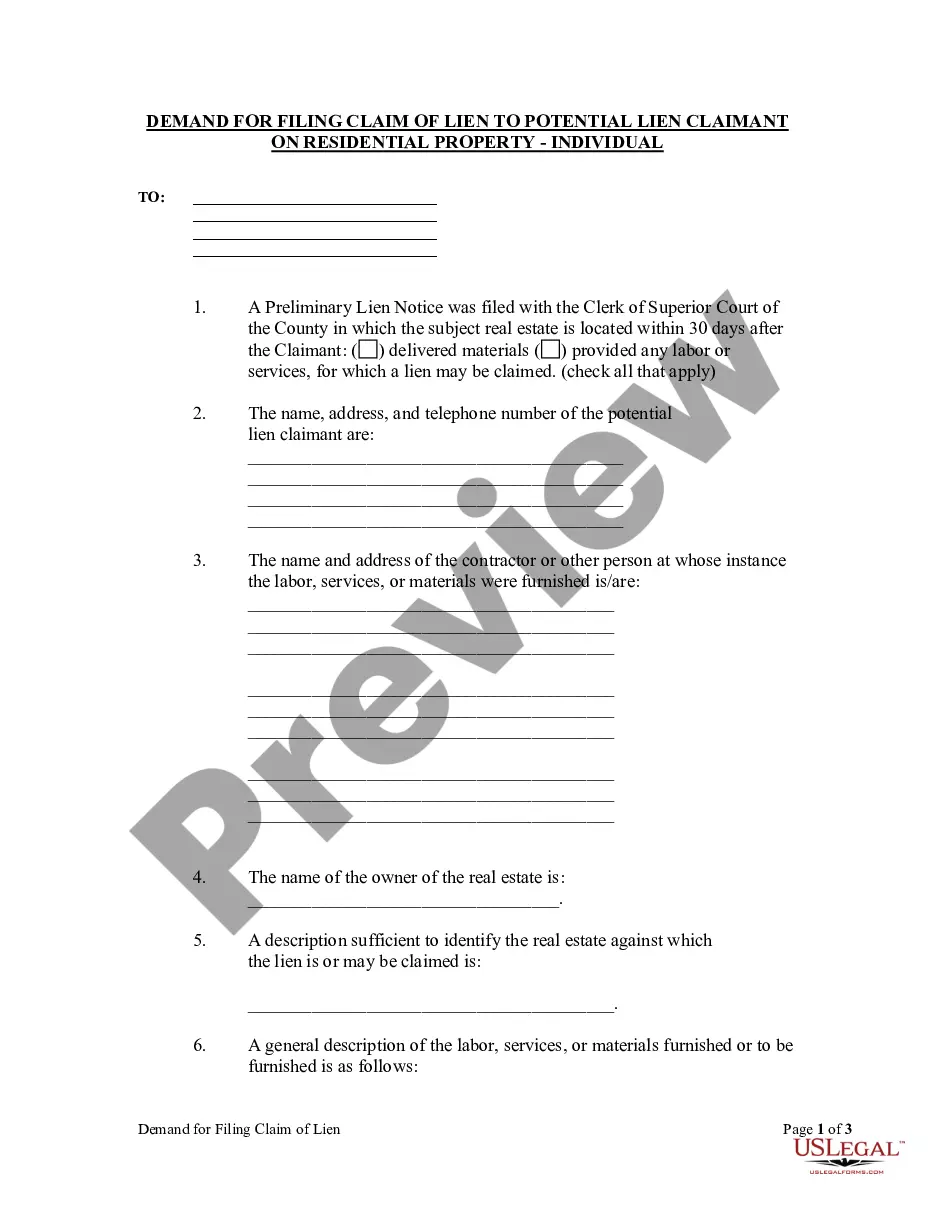
Employment Discrimination For Ada In Salt Lake
Description




Get your form ready online
Our built-in tools help you complete, sign, share, and store your documents in one place.
Make edits, fill in missing information, and update formatting in US Legal Forms—just like you would in MS Word.
Download a copy, print it, send it by email, or mail it via USPS—whatever works best for your next step.
Sign and collect signatures with our SignNow integration. Send to multiple recipients, set reminders, and more. Go Premium to unlock E-Sign.
If this form requires notarization, complete it online through a secure video call—no need to meet a notary in person or wait for an appointment.
We protect your documents and personal data by following strict security and privacy standards.

Make edits, fill in missing information, and update formatting in US Legal Forms—just like you would in MS Word.

Download a copy, print it, send it by email, or mail it via USPS—whatever works best for your next step.

Sign and collect signatures with our SignNow integration. Send to multiple recipients, set reminders, and more. Go Premium to unlock E-Sign.

If this form requires notarization, complete it online through a secure video call—no need to meet a notary in person or wait for an appointment.

We protect your documents and personal data by following strict security and privacy standards.
Looking for another form?
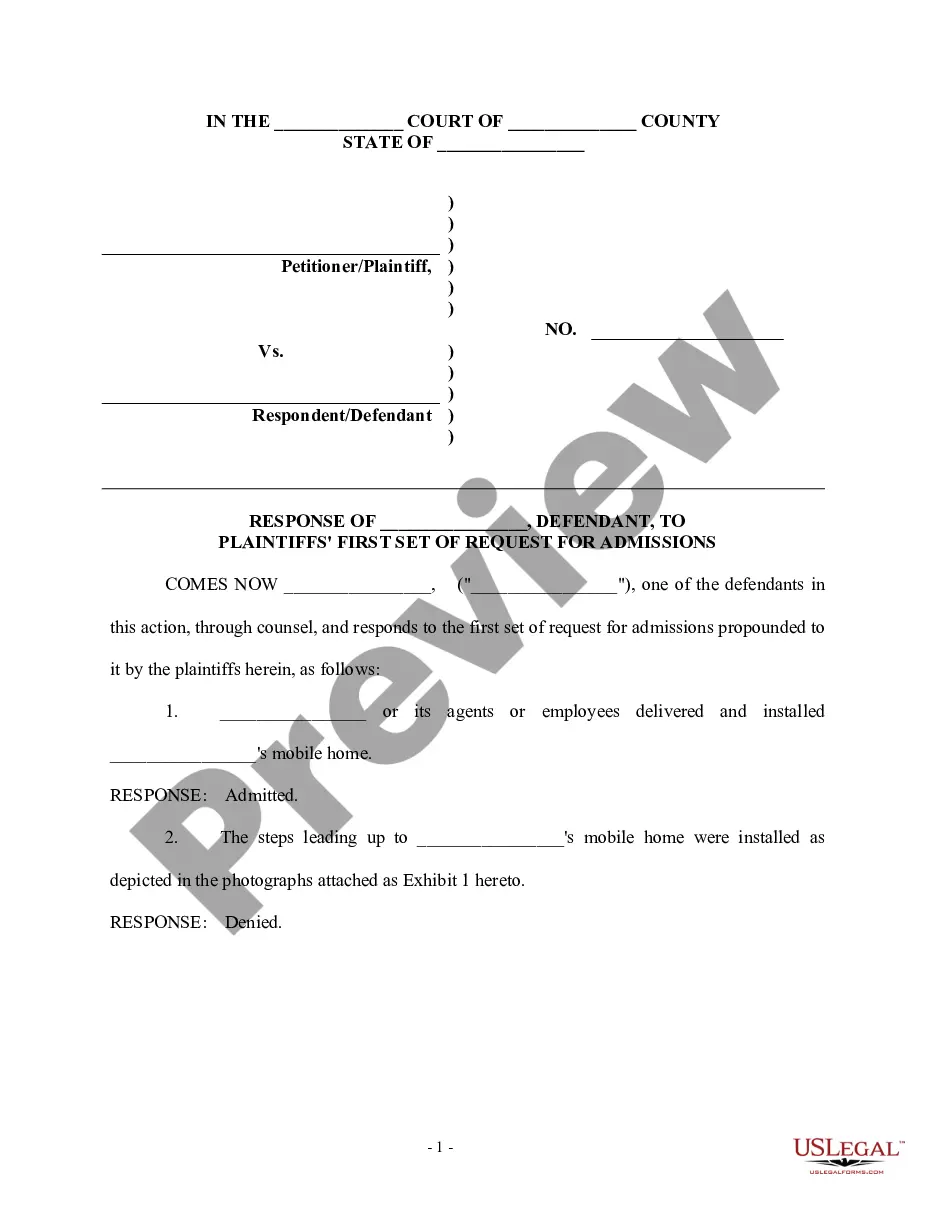

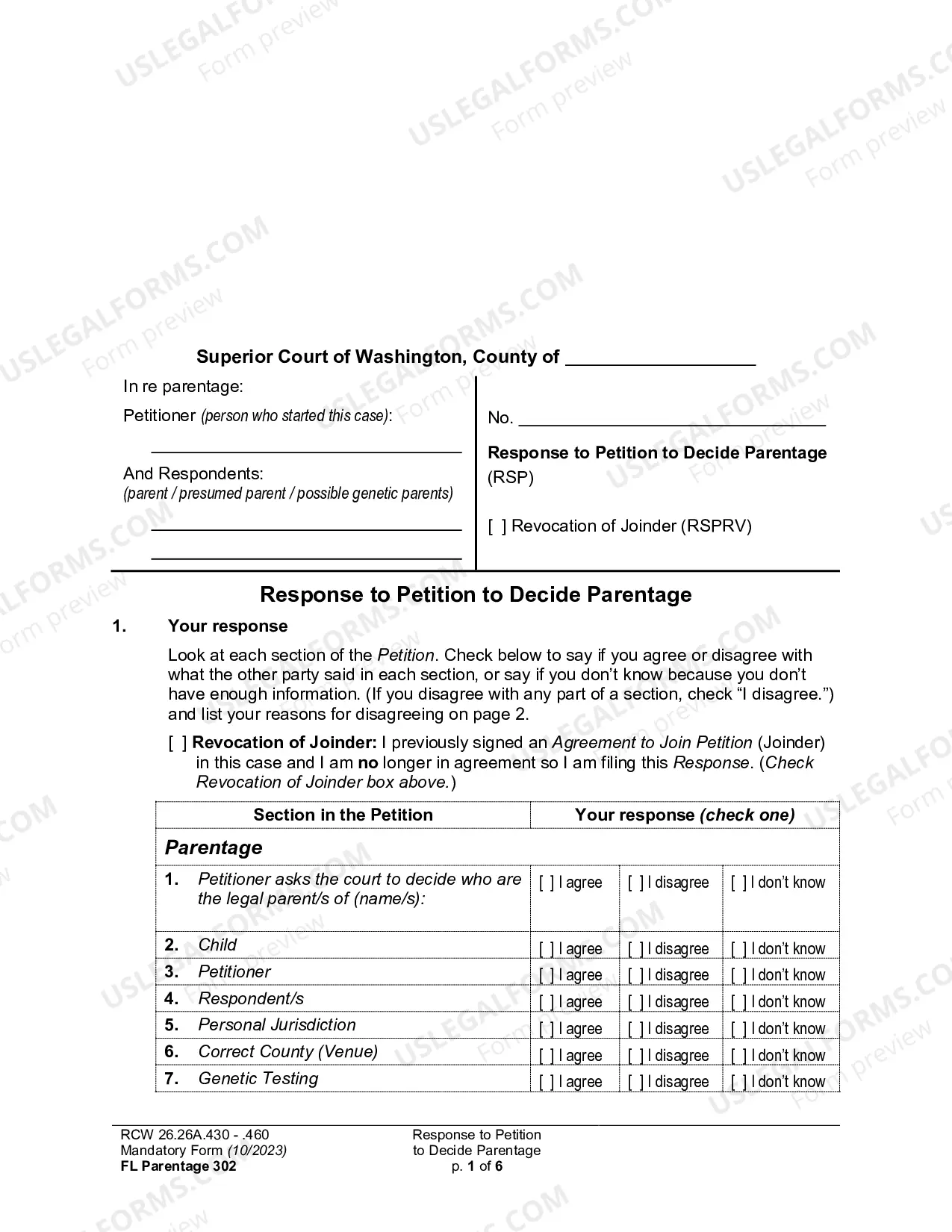
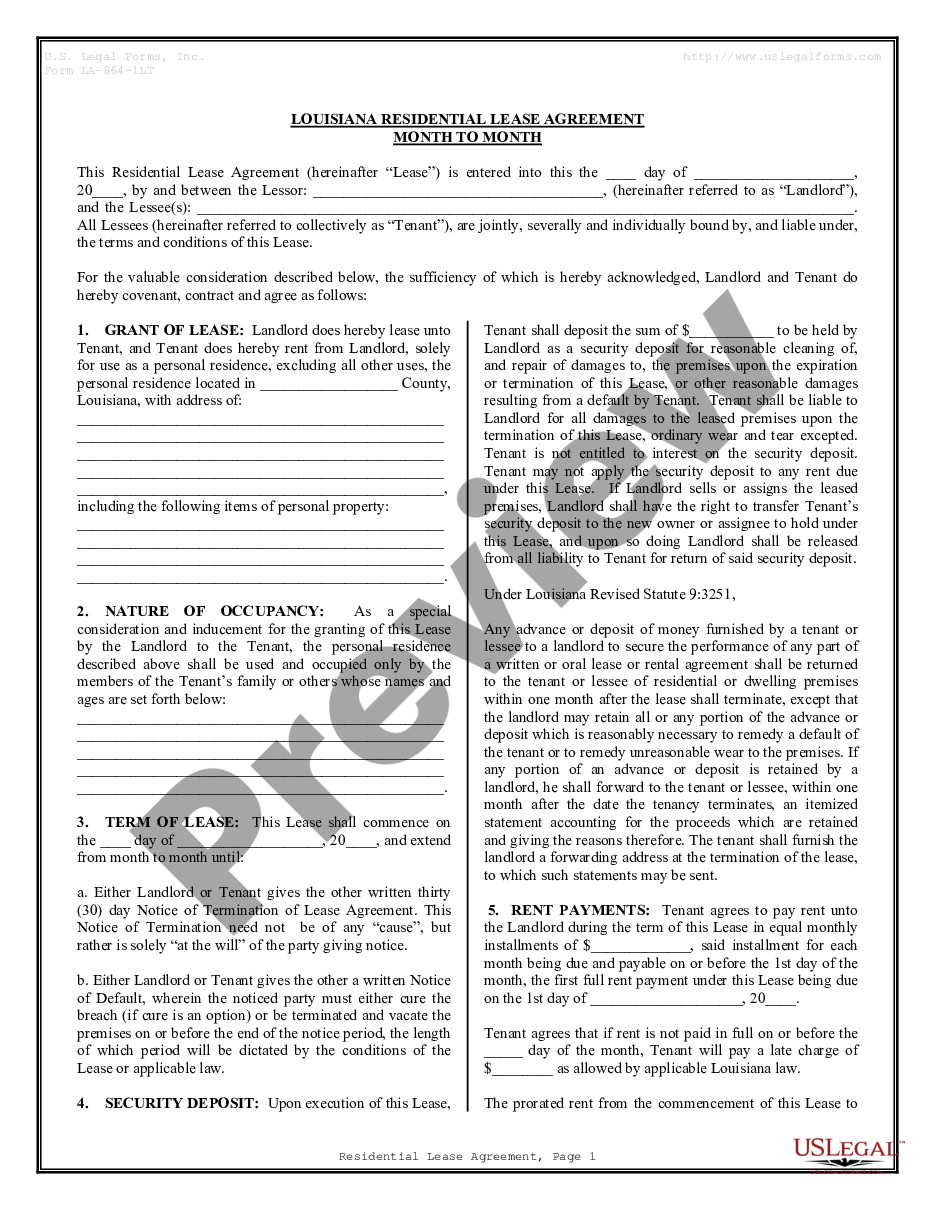




Form popularity
FAQ
Medical records, along with corroborating testimony, can prove you have or had a disability. However, in cases where discrimination is based on a perceived disability, substantiating employer statements or nonverbal conduct regarding your mental or physical abilities becomes crucial.
The ADA only prohibits discrimination on the basis of disability. It makes it unlawful to refuse to hire a qualified applicant with a disability because he is disabled or because a reasonable accommodation is required to make it possible for this person to perform essential job functions.
“In order to make out a prima facie case of disability discrimination under the ADA, the plaintiff must establish that she (1) has a 'disability,' (2) is a 'qualified individual,' and (3) has suffered an adverse employment action because of that disability.” Turner v.
To establish a prima facie case of disability discrimination against an employer under the ADA requires an employee to show four elements: the employer is subject to the ADA; the employee is disabled as defined by the ADA, has a record of impairment, or is perceived to be so by the employer; the employee is able to ...
Under the Act, a plaintiff is required to present evidence that he or she (1) suffers from a disability, (2) is a qualified individual, and (3) was subjected to an adverse employment action because of the disability.
FEHA prohibits discrimination based on a disability regardless of whether the condition is presently disabling. Therefore, if you have been fired for having a disability, your former employer has likely violated California law. You have a right to sue your former employer through a private lawsuit in civil court.
The ADA prohibits discrimination based on disability. Under the ADA, it is illegal to discriminate against someone because of their disability. For example, a fitness center could not exclude a person who uses a wheelchair from a workout class because they cannot do all of the exercises in the same way.
It is a violation of the ADA to fail to provide reasonable accommodation to the known physical or mental limitations of a qualified individual with a disability, unless to do so would impose an undue hardship on the operation of your business.
For instance: deafness substantially limits hearing; blindness substantially limits seeing; intellectual disability, autism, traumatic brain injury, and major mental illness substantially limit brain function; mobility impairments that require the use of a wheelchair or partially or completely missing limbs ...