Workplace Discrimination For Disability In Phoenix
Description




Get your form ready online
Our built-in tools help you complete, sign, share, and store your documents in one place.
Make edits, fill in missing information, and update formatting in US Legal Forms—just like you would in MS Word.
Download a copy, print it, send it by email, or mail it via USPS—whatever works best for your next step.
Sign and collect signatures with our SignNow integration. Send to multiple recipients, set reminders, and more. Go Premium to unlock E-Sign.
If this form requires notarization, complete it online through a secure video call—no need to meet a notary in person or wait for an appointment.
We protect your documents and personal data by following strict security and privacy standards.

Make edits, fill in missing information, and update formatting in US Legal Forms—just like you would in MS Word.

Download a copy, print it, send it by email, or mail it via USPS—whatever works best for your next step.

Sign and collect signatures with our SignNow integration. Send to multiple recipients, set reminders, and more. Go Premium to unlock E-Sign.

If this form requires notarization, complete it online through a secure video call—no need to meet a notary in person or wait for an appointment.

We protect your documents and personal data by following strict security and privacy standards.
Looking for another form?


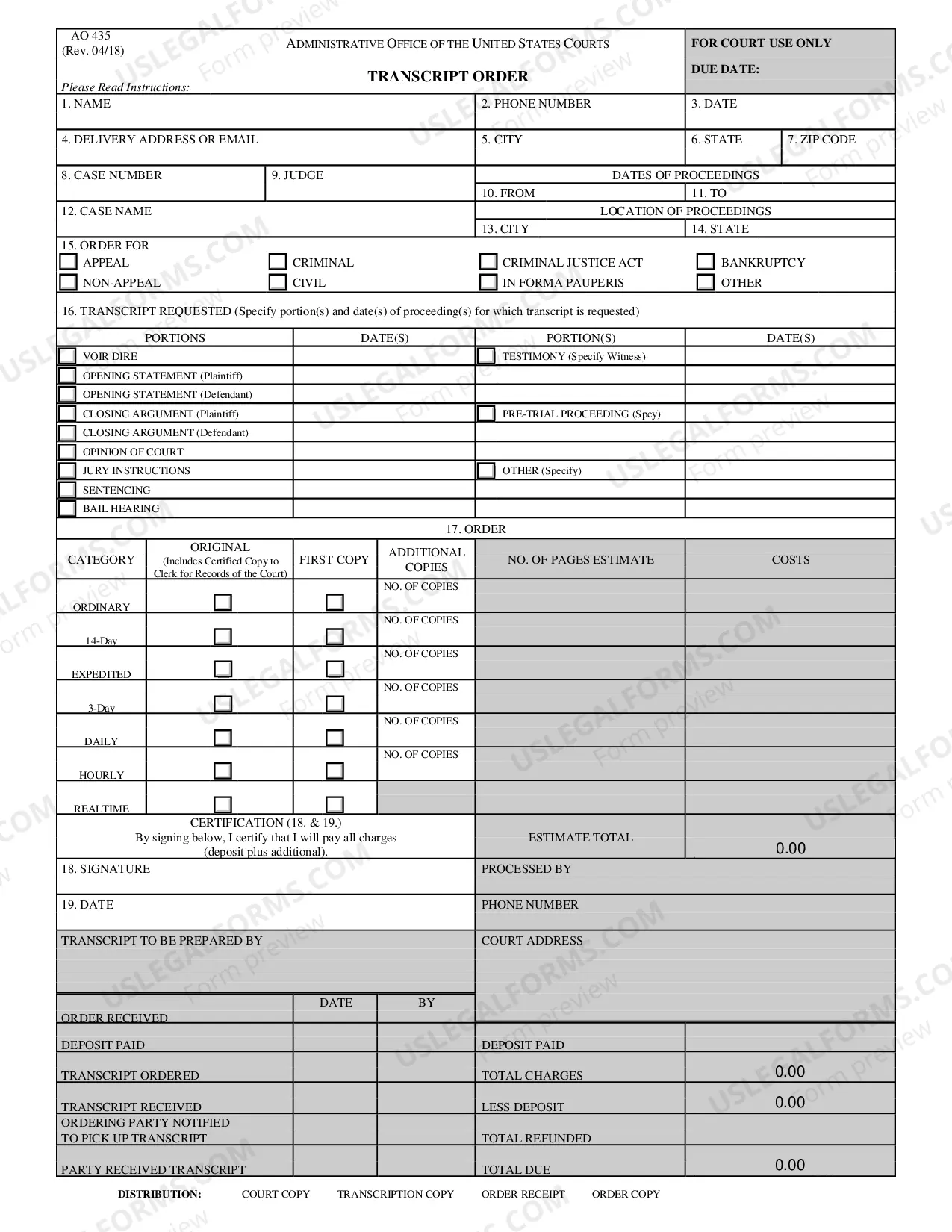




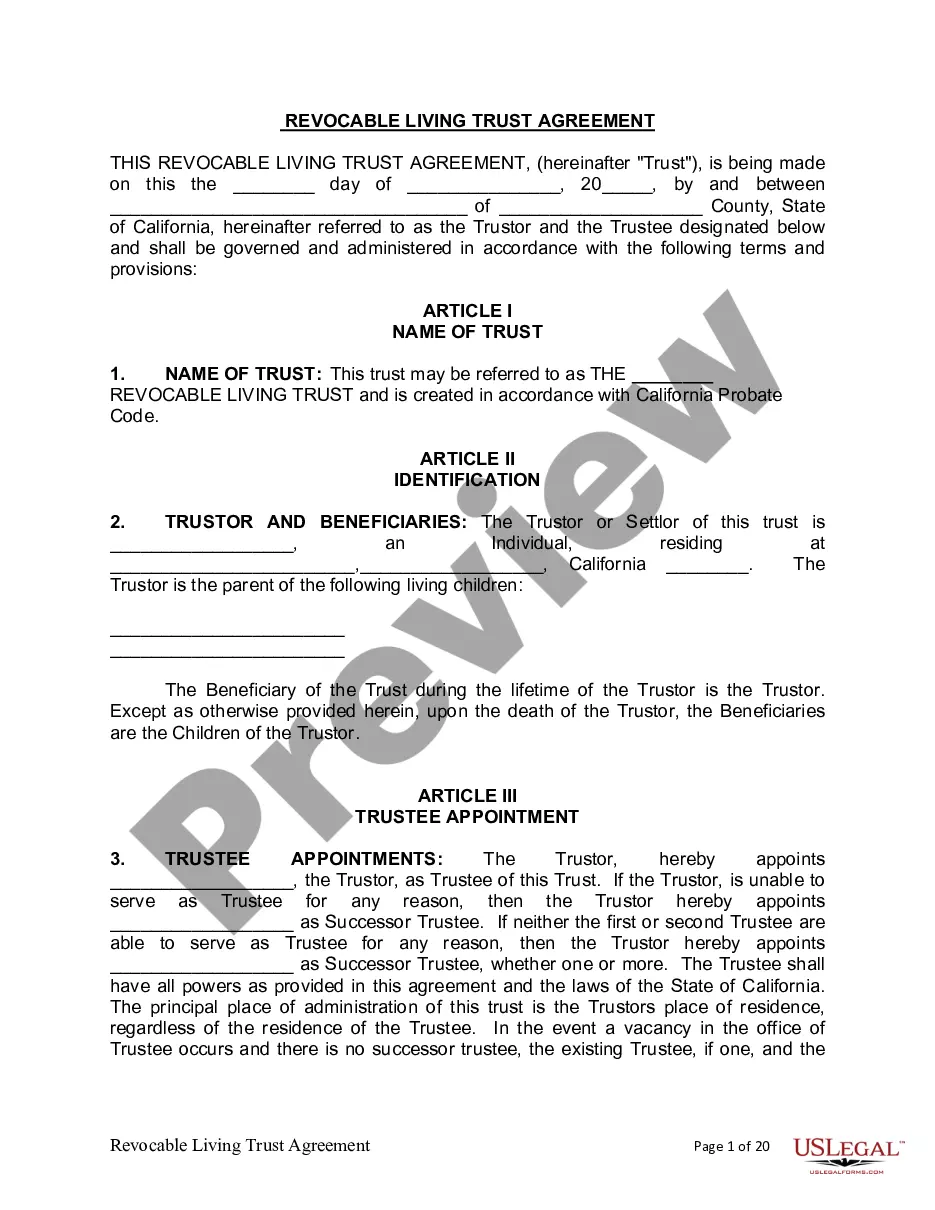


Form popularity
FAQ
You Need Medical Documentation. Medical documentation is a fundamental component in proving disability discrimination cases. This type of documentation, typically provided by a healthcare provider, should clearly establish the nature of your disability and how it impacts major life activities.
You Need Medical Documentation Medical documentation is a fundamental component in proving disability discrimination cases. This type of documentation, typically provided by a healthcare provider, should clearly establish the nature of your disability and how it impacts major life activities.
You can do that by filing a complaint with the Equal Employment Opportunity Commission (EEOC) – a federal organization – or the Department of Fair Employment and Housing – a California organization. Both of these agencies are designed to make the workplace comfortable for all employees.
Discrimination includes unequal treatment, retaliation and harassment against employees and job applicants with disabilities. It also includes the failure to provide reasonable modifications to an employer's practices, policies or workplace conditions in order to accommodate an employee's or applicant's disability.
You should call the EEOC at 1-800-669-4000 if you think the law may have been violated. A person with a disability must be able to perform the job he or she is applying for or currently holds, with or without reasonable accommodation.
An employer demands that you disclose or talk about your disability when you have not asked for an accommodation. Your boss, coworkers, or customers direct derogatory comments, jokes, or gestures toward you that are related to your disability.
Medical Condition Discrimination and Harassment Discrimination on the basis of a medical condition can include any adverse employment action, including failure to hire, termination, failure to promote, paying an employee less than other similar employees and permitting harassment in the workplace.
For example, people are often denied admission to recovery homes because they take medication to treat opioid use disorder (MOUD); or people who need surgery often face denial of health care based on unfounded stigma regarding their health status or substance use, rather than on their pressing medical needs.
After the complaint is filed, it will be reviewed and preliminary information will be gathered to determine whether the Labor Commissioner has jurisdiction over the issues raised. If it is determined that the Labor Commissioner has jurisdiction, the complaint will be accepted for investigation.