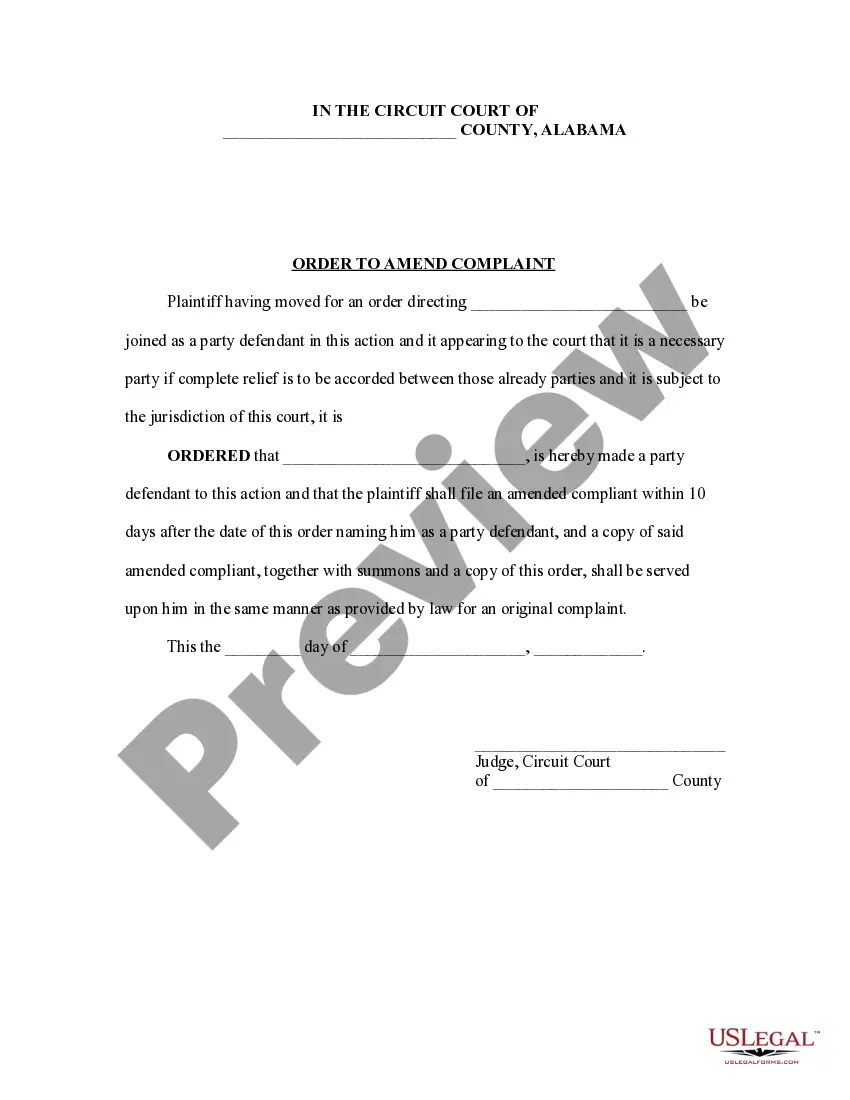
Discrimination Definition In Life Orientation In Oakland
Description




Get your form ready online
Our built-in tools help you complete, sign, share, and store your documents in one place.
Make edits, fill in missing information, and update formatting in US Legal Forms—just like you would in MS Word.
Download a copy, print it, send it by email, or mail it via USPS—whatever works best for your next step.
Sign and collect signatures with our SignNow integration. Send to multiple recipients, set reminders, and more. Go Premium to unlock E-Sign.
If this form requires notarization, complete it online through a secure video call—no need to meet a notary in person or wait for an appointment.
We protect your documents and personal data by following strict security and privacy standards.

Make edits, fill in missing information, and update formatting in US Legal Forms—just like you would in MS Word.

Download a copy, print it, send it by email, or mail it via USPS—whatever works best for your next step.

Sign and collect signatures with our SignNow integration. Send to multiple recipients, set reminders, and more. Go Premium to unlock E-Sign.

If this form requires notarization, complete it online through a secure video call—no need to meet a notary in person or wait for an appointment.

We protect your documents and personal data by following strict security and privacy standards.
Looking for another form?




Form popularity
FAQ
Index of Discrimination:This is the difference between the percent of correct responses in the upper group and the percent of correct responses in the lower group. Maximum Discrimination: This is the sum of the percent in the upper and lower groups marking the item correctly.
Direct evidence often involves a statement from a decision-maker that expresses a discriminatory motive. Direct evidence can also include express or admitted classifications, in which a recipient explicitly distributes benefits or burdens based on race, color, or national origin.
To prove discrimination in the workplace, wrongful termination or workplace retaliation in California, you may need to present evidence that: You have been treated unjustly based on one of your protected characteristics. You are qualified, capable and honest and performed your job satisfactorily.
The most common method of proof for discrimination cases is circumstantial evidence. Under Michigan law, the employee must not merely raise a triable issue that the employer's articulated reason was pretextual, but that it was a pretext for unlawful discrimination.
Discrimination is the unfair or prejudicial treatment of people and groups based on characteristics such as race, gender, age, or sexual orientation.
In employment cases, you must submit an intake form to CRD within three years of the date you were last harmed. In most other cases, you must do this within one year of the date you were last harmed.
Compare your work, conduct and treatment to that of those outside of your protected class as much as possible. Provide proof that others of similar qualifications have been given better opportunities, projects that are more favorable and superior treatment.
Report discrimination to a local Fair Employment Practices Agency (FEPA). If the discrimination breaks both a state and federal law, the FEPA will also send your complaint to the EEOC. Use the EEOC's directory of field offices to find the FEPA near you.
For discrimination complaints related to housing, employment, or business establishments, you may contact the California Department of Fair Employment and Housing (DFEH) at 800-884-1684 (voice), 800-700-2320 (TTY). You may also visit the DFEH page for additional information.