Employment Discrimination For Criminal Record In Fulton
Description




Get your form ready online
Our built-in tools help you complete, sign, share, and store your documents in one place.
Make edits, fill in missing information, and update formatting in US Legal Forms—just like you would in MS Word.
Download a copy, print it, send it by email, or mail it via USPS—whatever works best for your next step.
Sign and collect signatures with our SignNow integration. Send to multiple recipients, set reminders, and more. Go Premium to unlock E-Sign.
If this form requires notarization, complete it online through a secure video call—no need to meet a notary in person or wait for an appointment.
We protect your documents and personal data by following strict security and privacy standards.

Make edits, fill in missing information, and update formatting in US Legal Forms—just like you would in MS Word.

Download a copy, print it, send it by email, or mail it via USPS—whatever works best for your next step.

Sign and collect signatures with our SignNow integration. Send to multiple recipients, set reminders, and more. Go Premium to unlock E-Sign.

If this form requires notarization, complete it online through a secure video call—no need to meet a notary in person or wait for an appointment.

We protect your documents and personal data by following strict security and privacy standards.
Looking for another form?





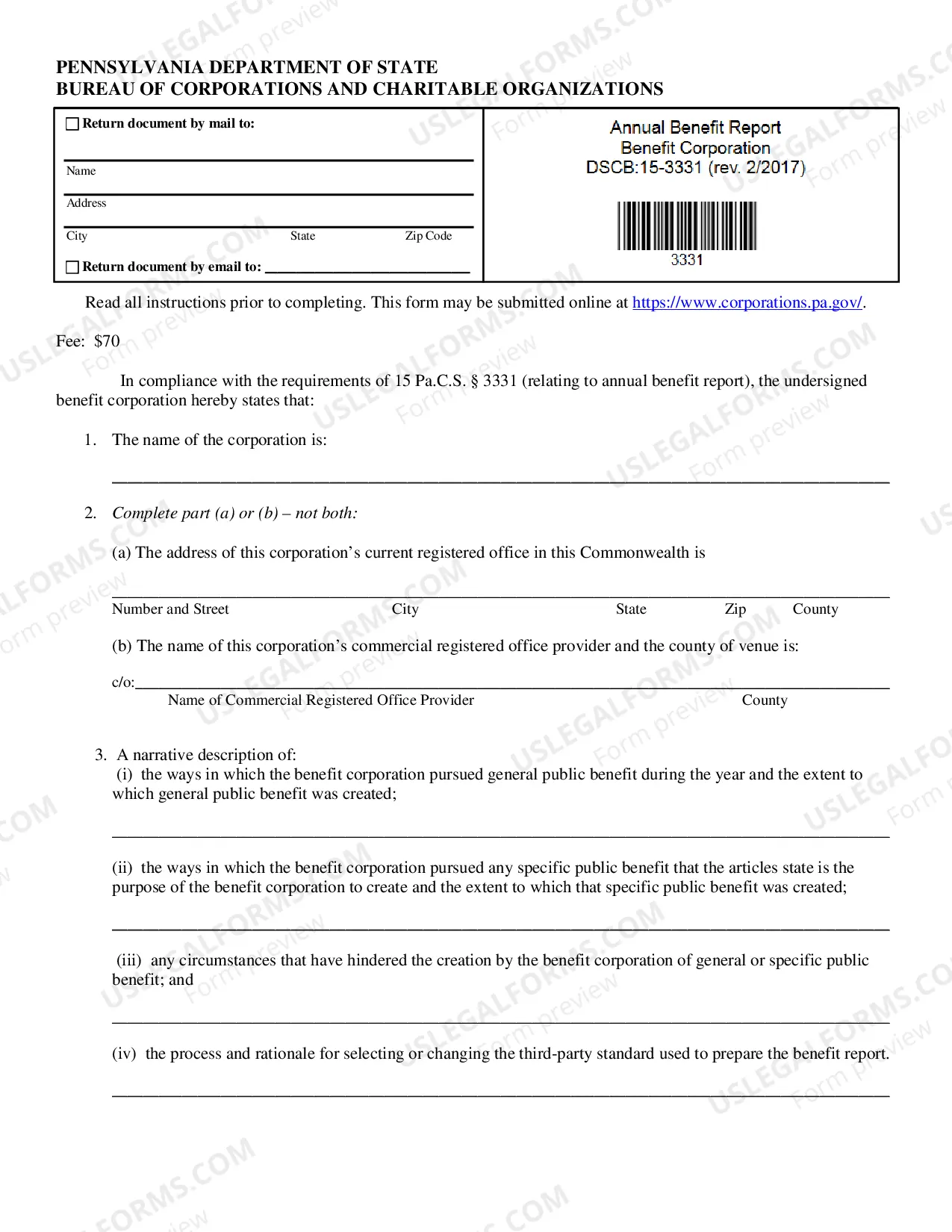


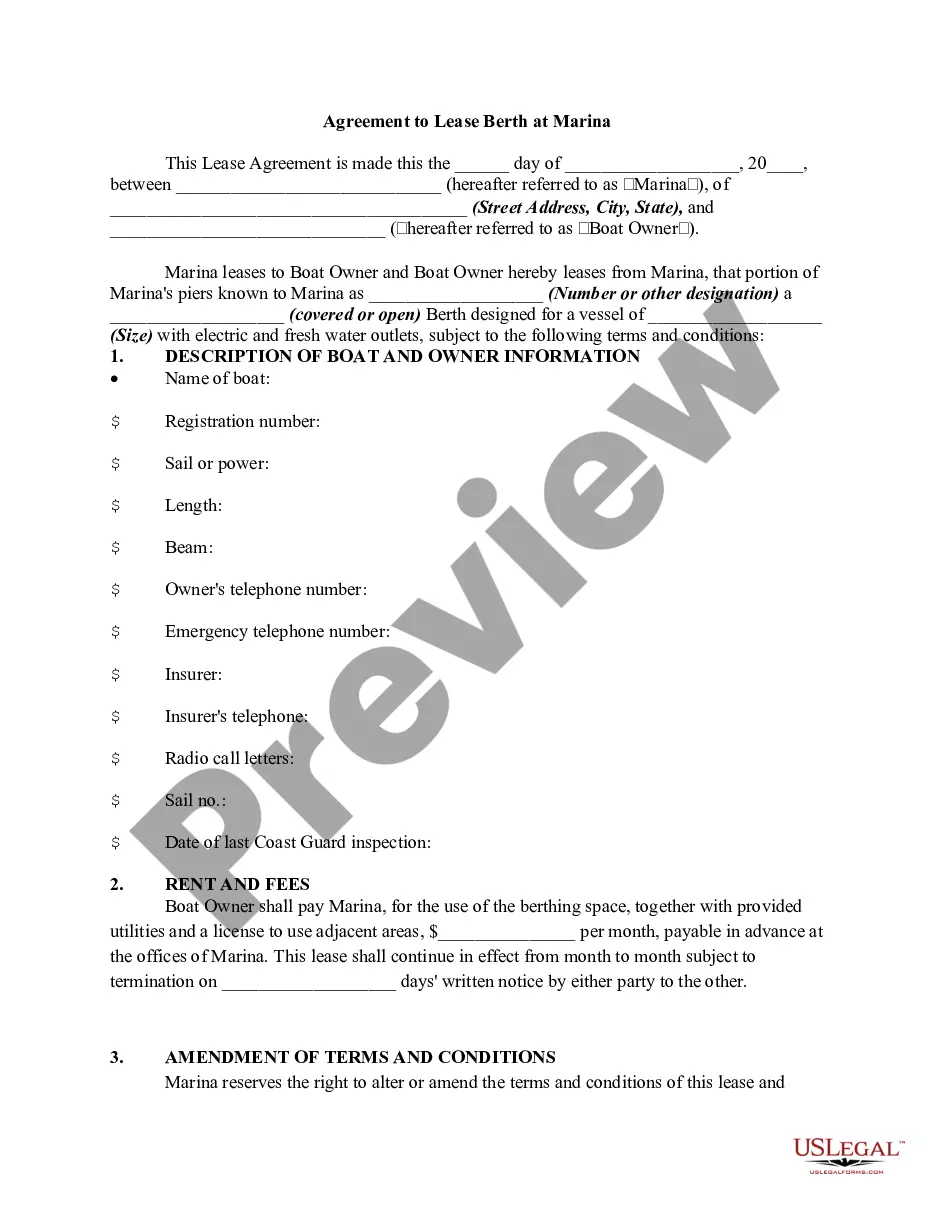
Form popularity
FAQ
Many people mistakenly think that United States criminal records automatically clear after 7 years. This is inaccurate. However, after 5 to 10 years, you may be eligible for expungement, depending on state law. At that point, you can file a petition with the court to have your criminal record expunged.
If a criminal background check is conducted but doesn't relate to the nature of the job, the applicant might make a legal claim for discrimination or argue that the information obtained cannot be used when making hiring decisions.
Background checks in Georgia for employment must comply with the FCRA's seven-year lookback period. This means that your pre-employment background check reports will not include arrest information for arrests that did not result in conviction from seven or more years ago.
The following states don't allow criminal background checks to go back further than seven years: Colorado. California. Massachusetts. Montana. Maryland. Kansas. New Hampshire. New York.
In Georgia, criminal convictions stay on your record forever, unless you get them restricted and sealed or they were discharged under the First Offender Act. Employers can run backgrounds for 5, 10, even 20 years.
Generally speaking, employers are less concerned with misdemeanors than they are with felonies. Whether or not an employer will hire someone with a misdemeanor on their record is completely up to the employer.
Background checks in Georgia for employment must comply with the FCRA's seven-year lookback period. This means that your pre-employment background check reports will not include arrest information for arrests that did not result in conviction from seven or more years ago.
Background checks generally cover varying timeframes, such as seven to 10 years for criminal and federal checks, three to seven years for employment verifications, the highest degree earned for education verifications, three to 7 years for MVR checks, and seven years or longer for credit checks based on the position.
Wronged employees have three ways of proving their employers intended to discriminate: circumstantial evidence, direct evidence, and pattern and practice. Circumstantial evidence is evidence that proves a fact by inference, as opposed to direct evidence which directly proves a fact.
To prove discrimination, a complainant has to prove that: they have a characteristic protected by the Human Rights Code Code; they experienced an adverse impact with respect to an area protected by the Code; and. the protected characteristic was a factor in the adverse impact.