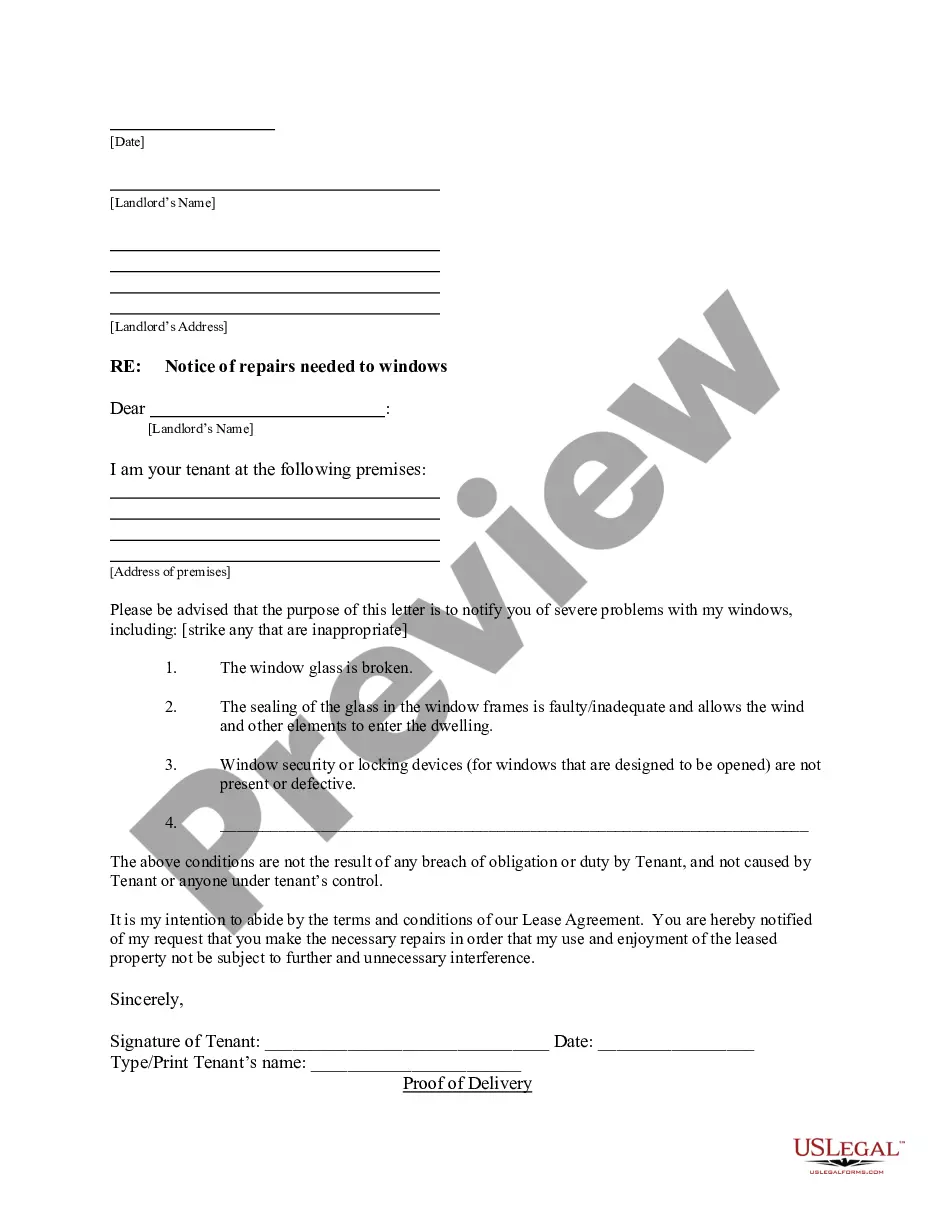
Workplace Discrimination For Weight In Florida
Description




Get your form ready online
Our built-in tools help you complete, sign, share, and store your documents in one place.
Make edits, fill in missing information, and update formatting in US Legal Forms—just like you would in MS Word.
Download a copy, print it, send it by email, or mail it via USPS—whatever works best for your next step.
Sign and collect signatures with our SignNow integration. Send to multiple recipients, set reminders, and more. Go Premium to unlock E-Sign.
If this form requires notarization, complete it online through a secure video call—no need to meet a notary in person or wait for an appointment.
We protect your documents and personal data by following strict security and privacy standards.

Make edits, fill in missing information, and update formatting in US Legal Forms—just like you would in MS Word.

Download a copy, print it, send it by email, or mail it via USPS—whatever works best for your next step.

Sign and collect signatures with our SignNow integration. Send to multiple recipients, set reminders, and more. Go Premium to unlock E-Sign.

If this form requires notarization, complete it online through a secure video call—no need to meet a notary in person or wait for an appointment.

We protect your documents and personal data by following strict security and privacy standards.
Looking for another form?







Form popularity
FAQ
The vast majority of courts have held that obesity is not a disability under the ADA unless it is caused by an underlying health condition.
For example, a person with obesity who is qualified for a job but is not hired for the position because of his or her weight may have been the victim of weight discrimination.
In most states employees can be fired because of their weight. Michigan is the only state that has passed a law explicitly prohibiting weight-based discrimination and the Washington state Supreme Court has declared that obesity is covered under their anti-discrimination law.
These are all examples of what we call weight bias. The negative attitudes and judgments (conscious or subconscious) toward individuals who are overweight or obese. These beliefs all too often lead to discriminatory practices. Talk about an excellent way to undermine the struggles that these people are going through.
Workplace Accommodations for Obese Employees Employers are required to provide reasonable accommodations for employees with disabilities, including those related to obesity. Reasonable accommodations can include: Ergonomic adjustments: Chairs and desks designed to support larger body sizes.
Obesity itself, with no other medical condition, is not protected under the Americans With Disabilities Act (ADA), and thus, you cannot be sued for discriminating against obese employees. However, conditions that may attach to obesity, may be protected.
Sometimes, Under The Ada. Discriminating against or terminating an employee because he or she is overweight is generally not unlawful. Weight is not a protected class under Title VII, however, weight can be a characteristic of a medical condition.
Typically, persons who are 40 years old or older are protected from this type of discrimination, regardless of the age of the offender. Although not allowed under federal law, claims of reverse age discrimination by younger employees are not disallowed under Florida law.
Although there is no explicit federal law that identifies obese individuals as a protected class under the Americans with Disabilities Act (ADA), at least one state and a handful of cities across the country have passed laws prohibiting employers from discriminating against employment candidates based on weight.
To prove discrimination, plaintiffs must provide evidence that they: (a) are a member of a protected class, (b) are qualified for the position at issue, (c) suffered an adverse employment action, and (d) the employer treated similarly situated employees outside of the protected class more favorably (or some other ...