Lawyer-client Relationship In India In Washington
Description

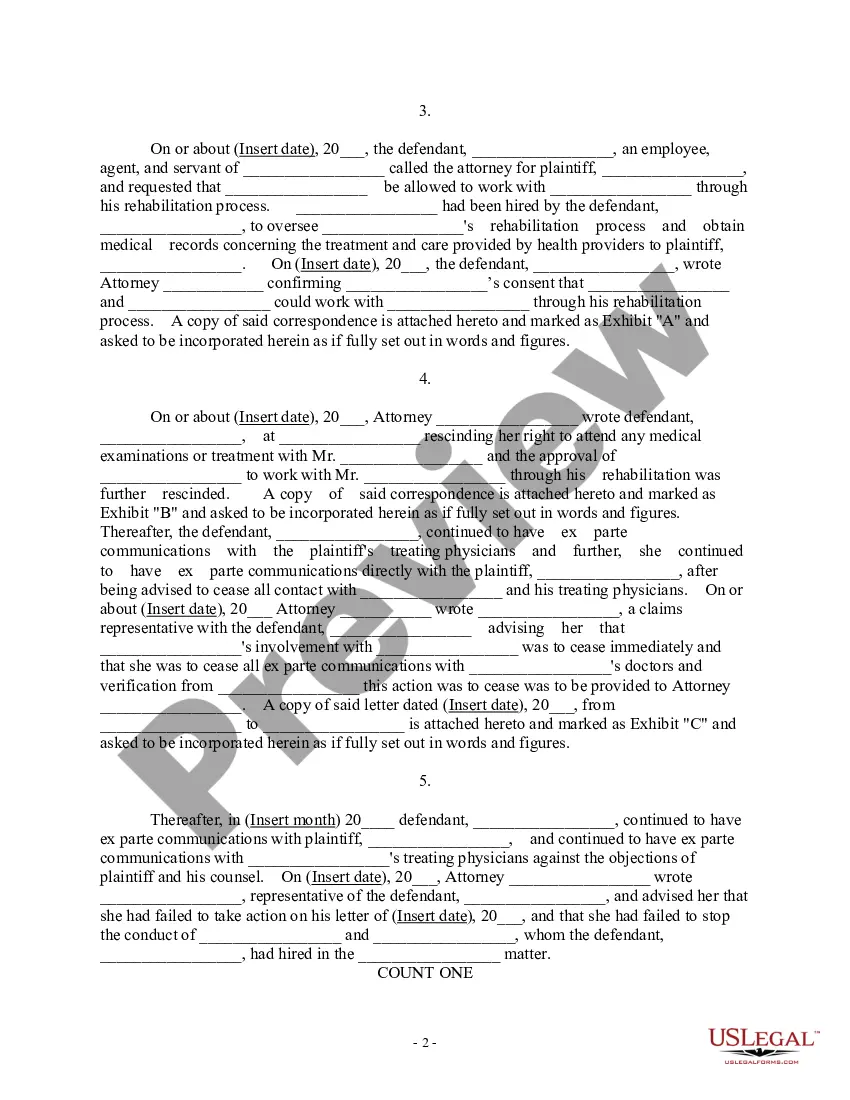
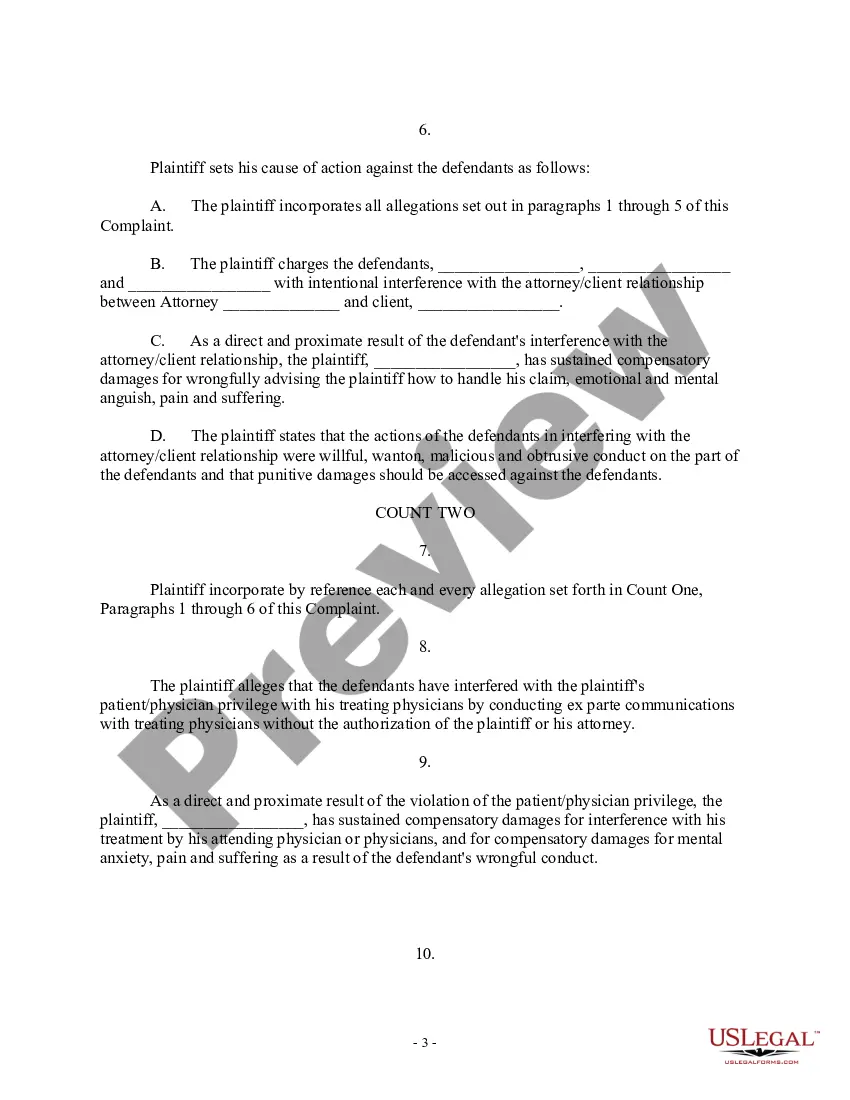
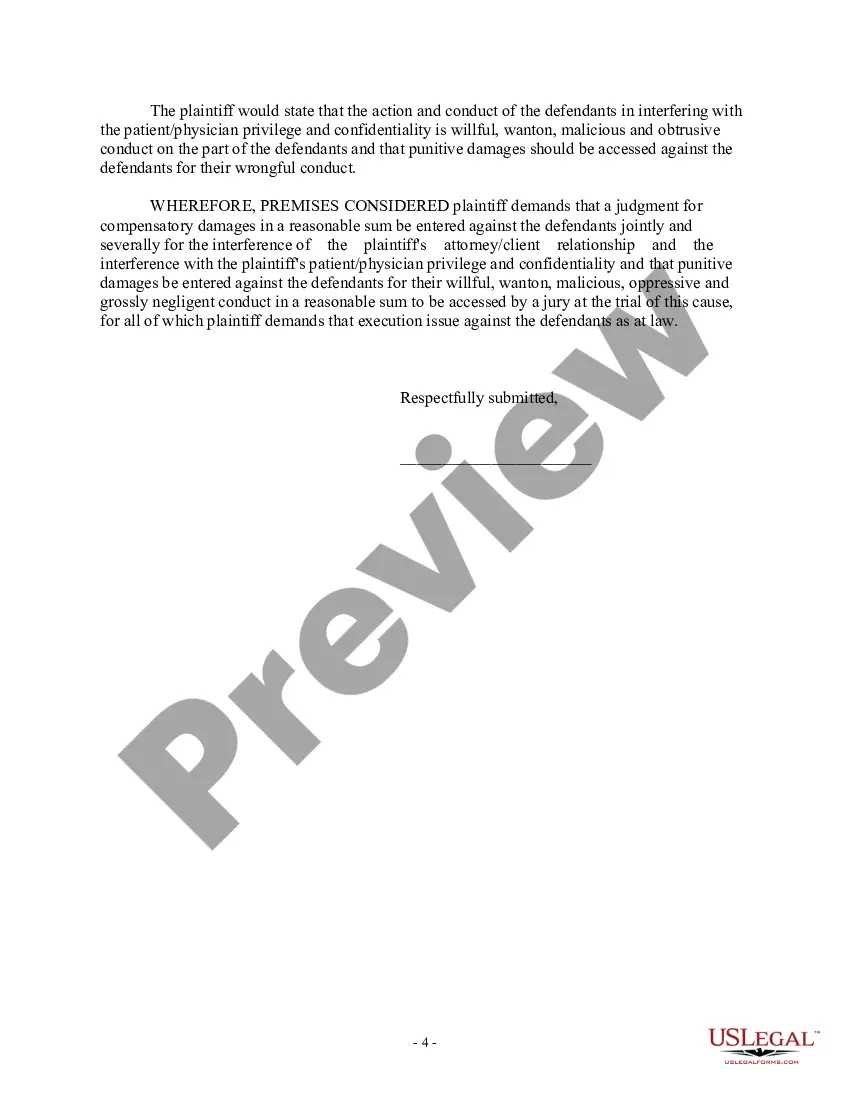




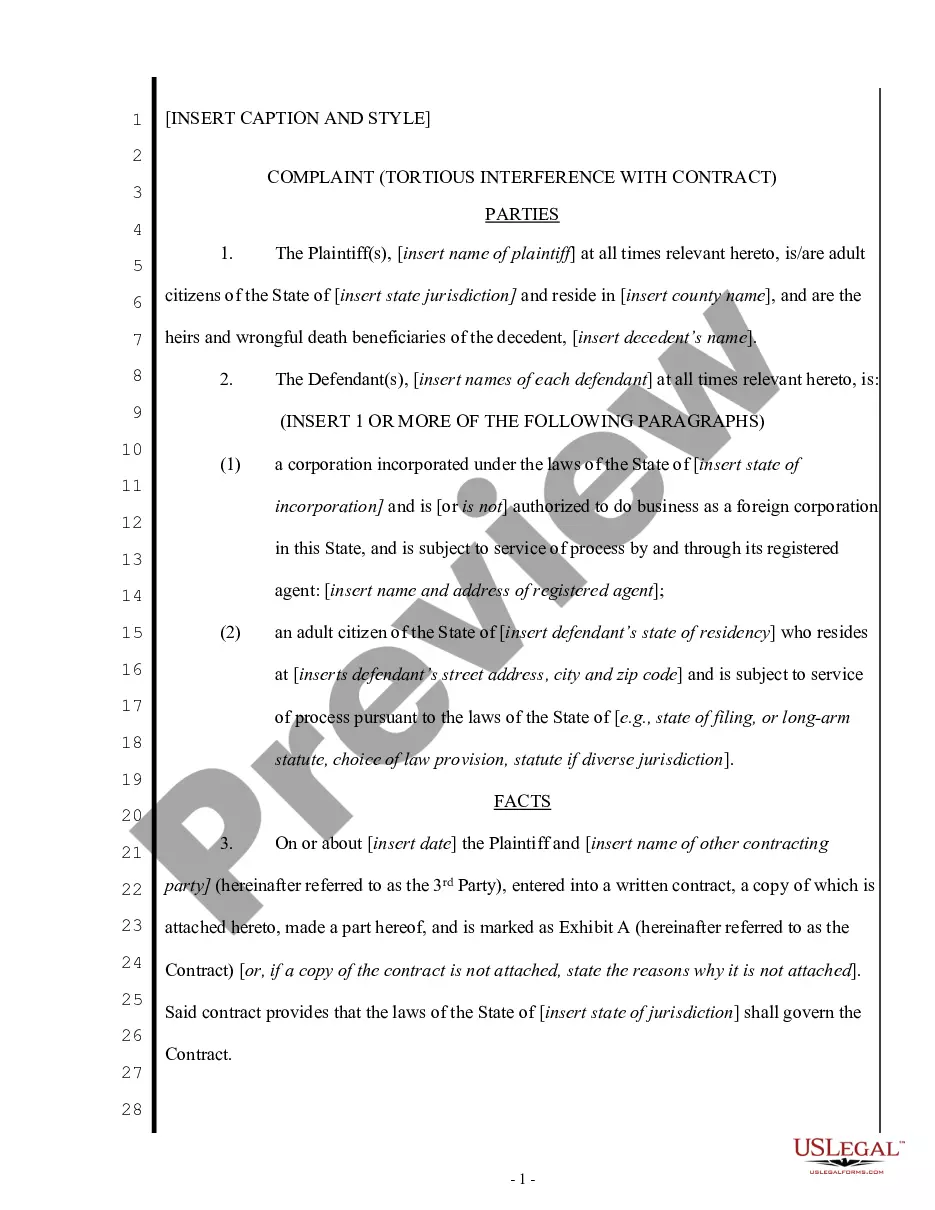
Get your form ready online
Our built-in tools help you complete, sign, share, and store your documents in one place.
Make edits, fill in missing information, and update formatting in US Legal Forms—just like you would in MS Word.
Download a copy, print it, send it by email, or mail it via USPS—whatever works best for your next step.
Sign and collect signatures with our SignNow integration. Send to multiple recipients, set reminders, and more. Go Premium to unlock E-Sign.
If this form requires notarization, complete it online through a secure video call—no need to meet a notary in person or wait for an appointment.
We protect your documents and personal data by following strict security and privacy standards.

Make edits, fill in missing information, and update formatting in US Legal Forms—just like you would in MS Word.

Download a copy, print it, send it by email, or mail it via USPS—whatever works best for your next step.

Sign and collect signatures with our SignNow integration. Send to multiple recipients, set reminders, and more. Go Premium to unlock E-Sign.

If this form requires notarization, complete it online through a secure video call—no need to meet a notary in person or wait for an appointment.

We protect your documents and personal data by following strict security and privacy standards.
Looking for another form?







Form popularity
FAQ
This involves passing a state bar exam, with states like New York and California being more flexible for foreign-trained lawyers. Indian lawyers need to complete an LLM from an ABA-accredited law school to qualify. Additionally, they must secure a work visa, such as an H-1B, and find sponsorship from a U.S. employer.
The establishment of the attorney-client relationship involves two elements: a person seeks advice or assistance from an attorney; and the attorney appears to give, agrees to give or gives the advice or assistance.
YES, lawyer enrolled in one state can represent the cases in different state. (iii) before any other authority or person before whom such advocate is by or under any law for the time being in force entitled to practise.
Yes, he can. Advocate can also get registered with bar association of another state. Dear client, Yes, you can practice in a state other than where you are enrolled without transfer.
Although permitted to practice in India, foreign lawyers must fulfill the eligibility criteria laid down by the Bar Council of India. To be eligible to practice law in India, foreign lawyers with a degree: Must be eligible to practice in their country. Must register with the Bar Council of India.
The most common way an out-of-state attorney can represent you is through “pro hac vice” admission. From the Latin meaning “for this occasion,” pro hac vice admission allows a lawyer to participate in a single case in a state where they're not licensed.
Draft the Power of Attorney deed online or hire a lawyer in India to draft it for you. Get the deed attested by the Indian embassy or consulate in that country. Any Notary from there can also attest it. The person making the deed, the Grantor, should sign the deed in all pages.
The local attorney must file a motion to have the out-of-state lawyer appear pro hac vice. It's up to the local court to grant the out-of-state attorney limited admission to appear on their client's behalf. There are costs and filing fees associated with the pro hac vice process.
Professional Ethics: Most legal ethical codes strongly discourage or outright prohibit lawyers from engaging in romantic relationships with clients during representation. This is to maintain professional boundaries and ensure that the lawyer-client relationship is based solely on the client's legal needs.