Attorney-client Relationship In South Africa In Virginia
Description

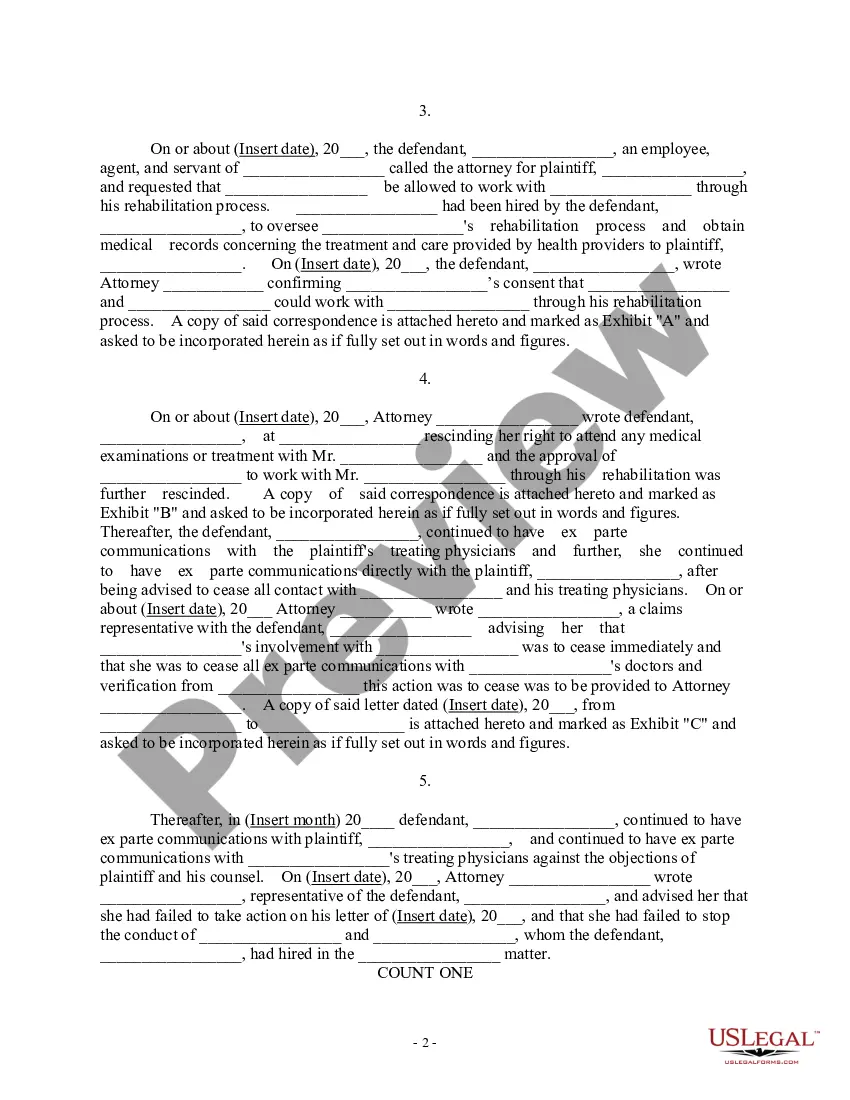
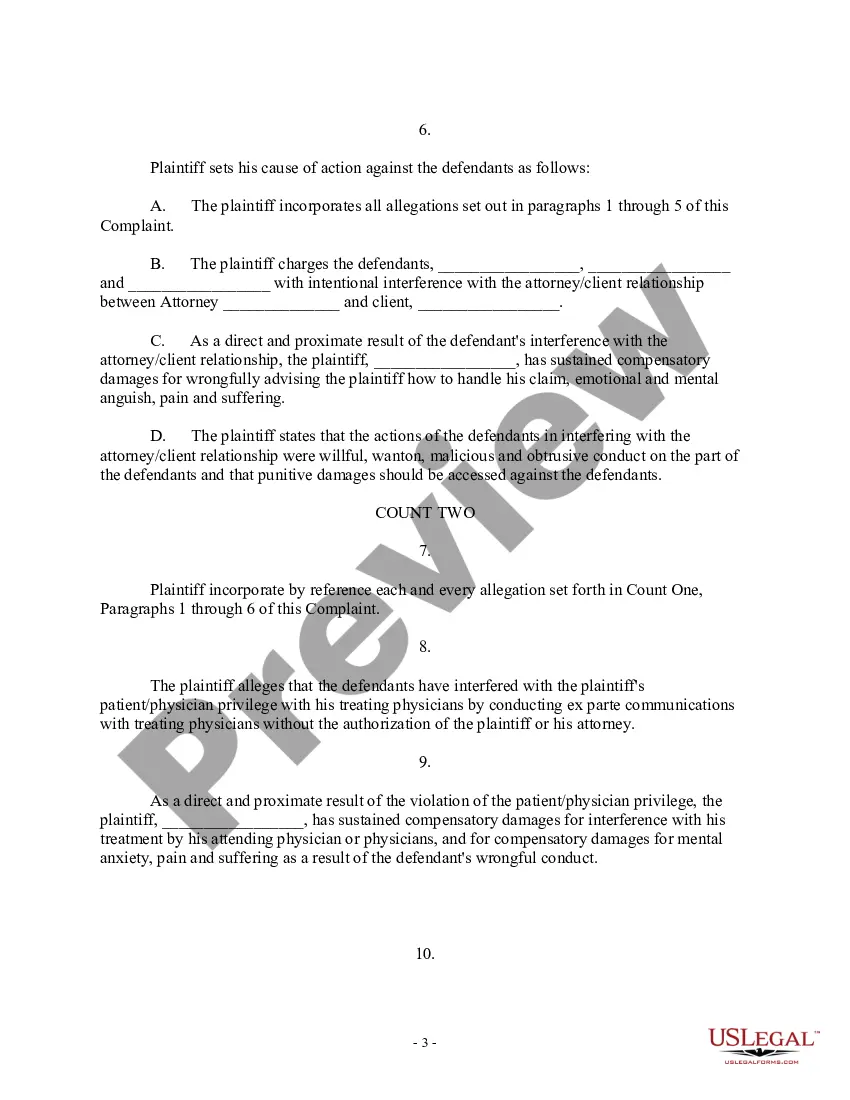
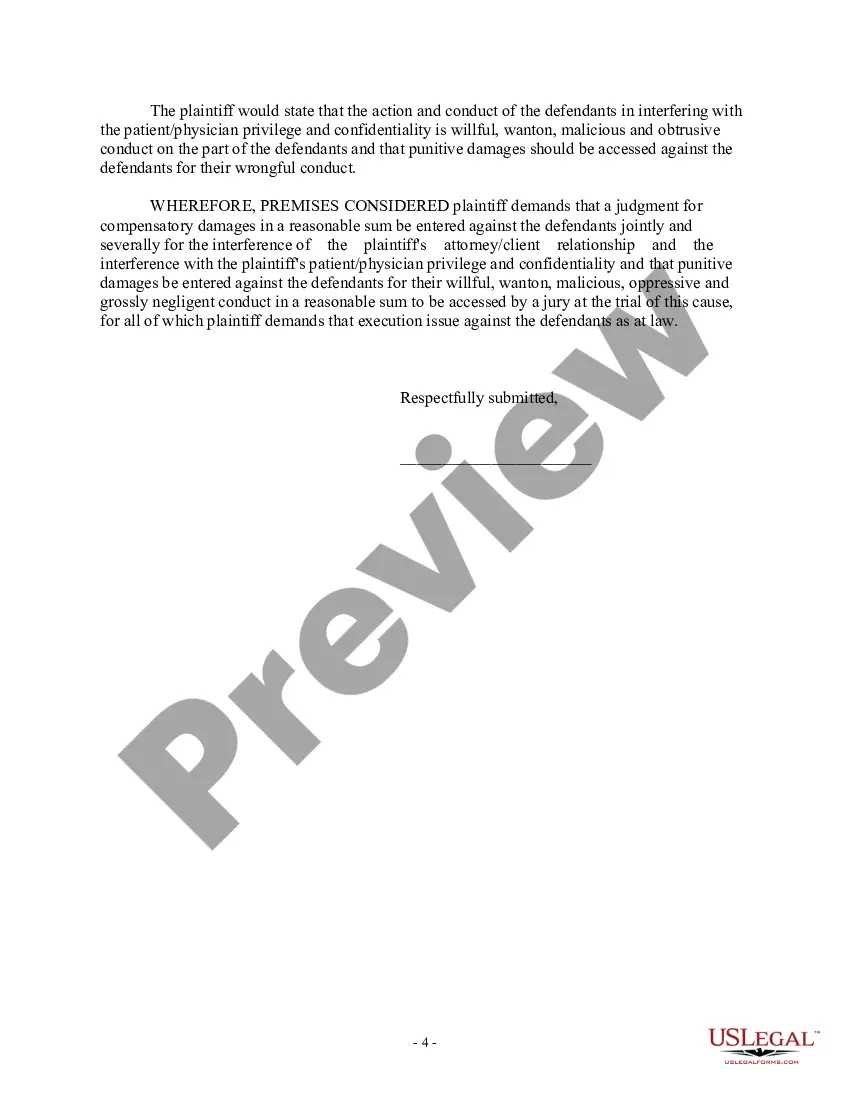

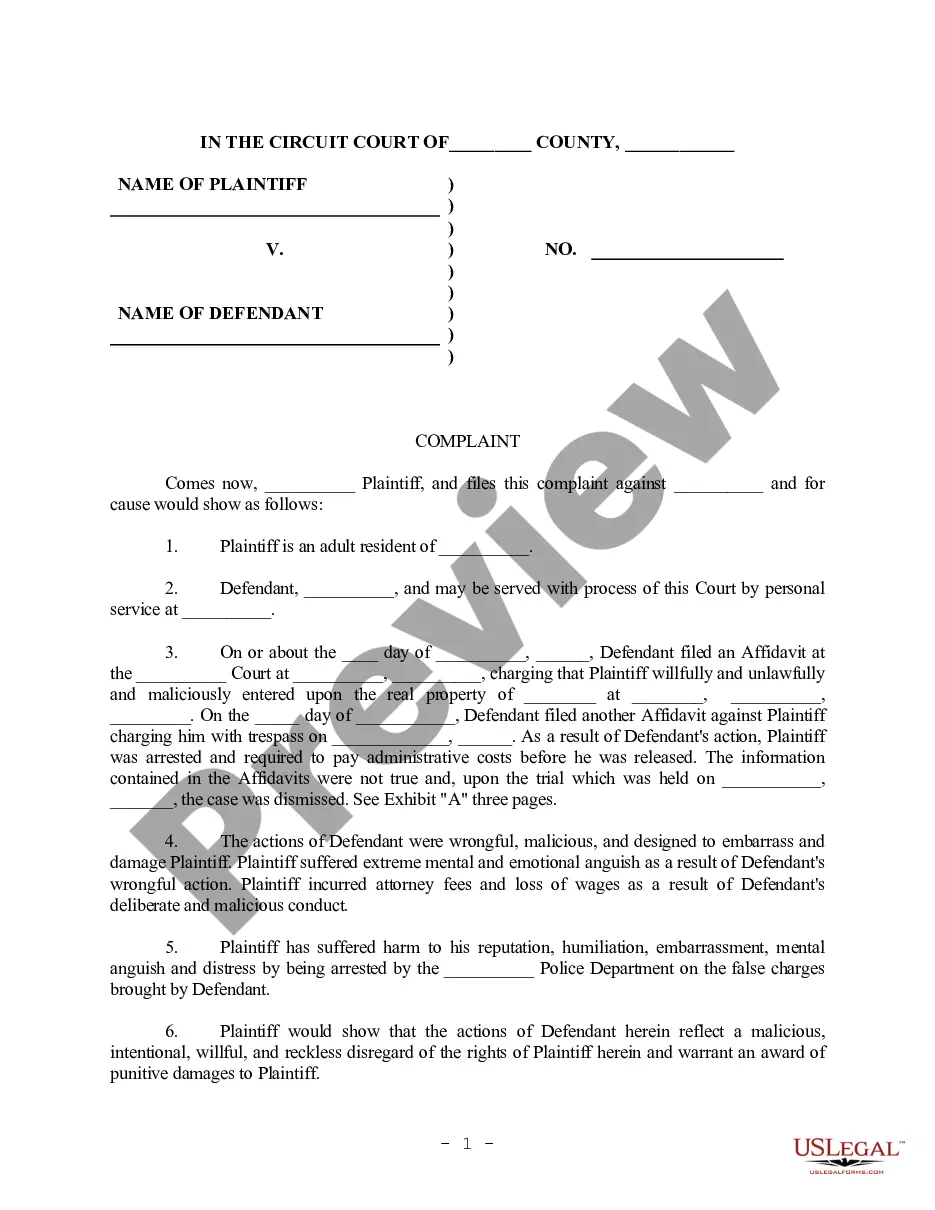

Get your form ready online
Our built-in tools help you complete, sign, share, and store your documents in one place.
Make edits, fill in missing information, and update formatting in US Legal Forms—just like you would in MS Word.
Download a copy, print it, send it by email, or mail it via USPS—whatever works best for your next step.
Sign and collect signatures with our SignNow integration. Send to multiple recipients, set reminders, and more. Go Premium to unlock E-Sign.
If this form requires notarization, complete it online through a secure video call—no need to meet a notary in person or wait for an appointment.
We protect your documents and personal data by following strict security and privacy standards.

Make edits, fill in missing information, and update formatting in US Legal Forms—just like you would in MS Word.

Download a copy, print it, send it by email, or mail it via USPS—whatever works best for your next step.

Sign and collect signatures with our SignNow integration. Send to multiple recipients, set reminders, and more. Go Premium to unlock E-Sign.

If this form requires notarization, complete it online through a secure video call—no need to meet a notary in person or wait for an appointment.

We protect your documents and personal data by following strict security and privacy standards.
Looking for another form?









Form popularity
FAQ
If someone other than the lawyer or client is present during a confidential conversation, information shared in that conversation no longer qualifies as privileged communication and may be used as evidence in court if necessary.
The attorney-client privilege maintains the confidentiality of certain communications, made between attorneys and their clients, for the purpose of seeking or providing legal advice. The privilege protects communications made orally or in writing, in person or over the telephone, in letters or in emails.
Can a foreign lawyer give counsel in the United States? A foreign lawyer cannot provide legal services in the United States without being admitted to at least one state's bar. Exceptions may exist in some states for example, where foreign lawyers may apply for a license as a foreign law consultant.
The concept of legal professional privilege Attorney-client privilege is a legal privilege that enables an attorney to keep communication with his or her client secret. An opposing legal team cannot demand access to this information, either in a discovery request or by asking an attorney to testify under oath.
Rule 4.2 of the Virginia Rules of Professional Conduct states that: Page 2 in representing a client, a lawyer shall not communicate about the subject of the representation with a person the lawyer knows to be represented by another lawyer in the matter, unless the lawyer has the consent of the other lawyer or is ...
Privilege is a legal right which allows persons to resist compulsory disclosure of documents and information. The fact that a document is sensitive or confidential is not a bar to disclosure, although privileged documents must be confidential.
Whose Burden is it to Prove a Communication is Privileged? The party asserting the attorney-client privilege must prove that the communication in question meets the standard to be protected and that no waiver of the privilege was made.
RULE 7.1 Communications Concerning A Lawyer's Services A communication is false or misleading if it contains a material misrepresentation of fact or law, or omits a fact when omission of such fact makes the statement materially false or misleading as a whole.
Can a foreign lawyer give counsel in the United States? A foreign lawyer cannot provide legal services in the United States without being admitted to at least one state's bar. Exceptions may exist in some states for example, where foreign lawyers may apply for a license as a foreign law consultant.
In most cases, your attorney must be admitted to the bar in the state with jurisdiction. Most states have a process for an out of state attorney to be admitted to represent a client for one case only. The Latin phrase “pro hac vice” or “for this occasion only” describes this process.