Attorney Client Privilege Former Employees In Sacramento
Description

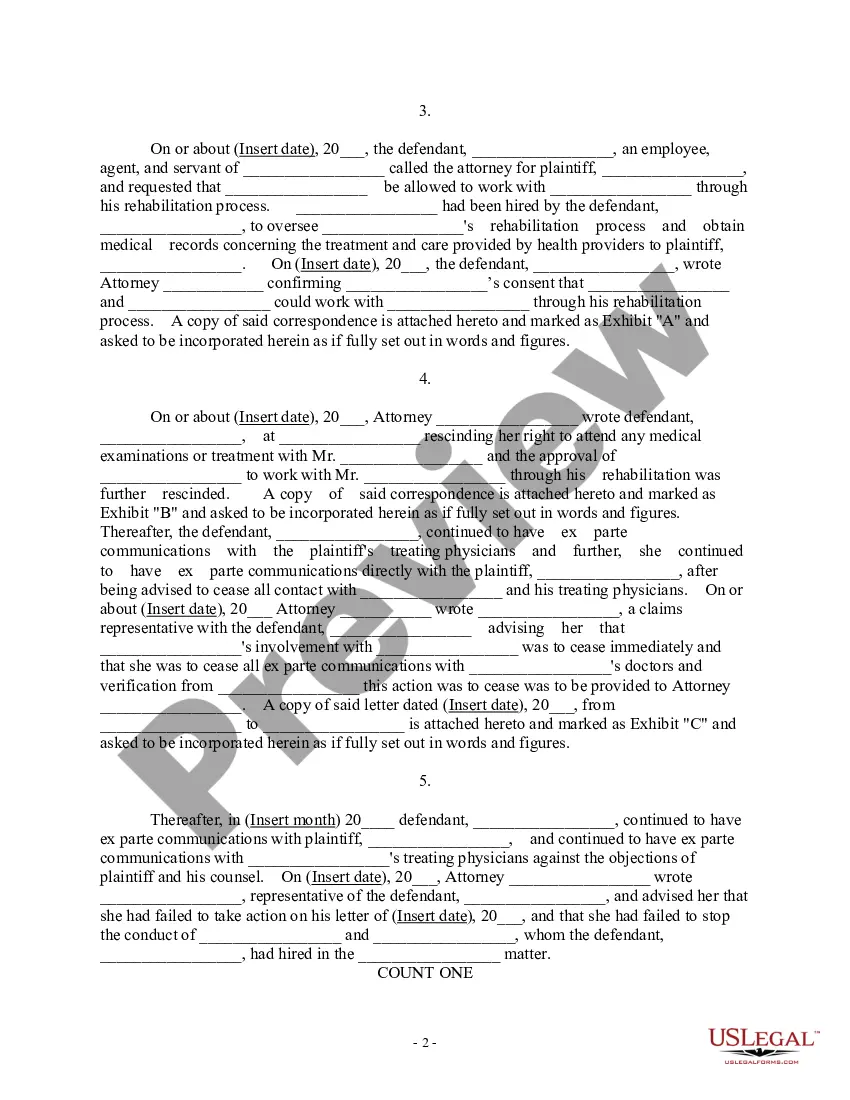
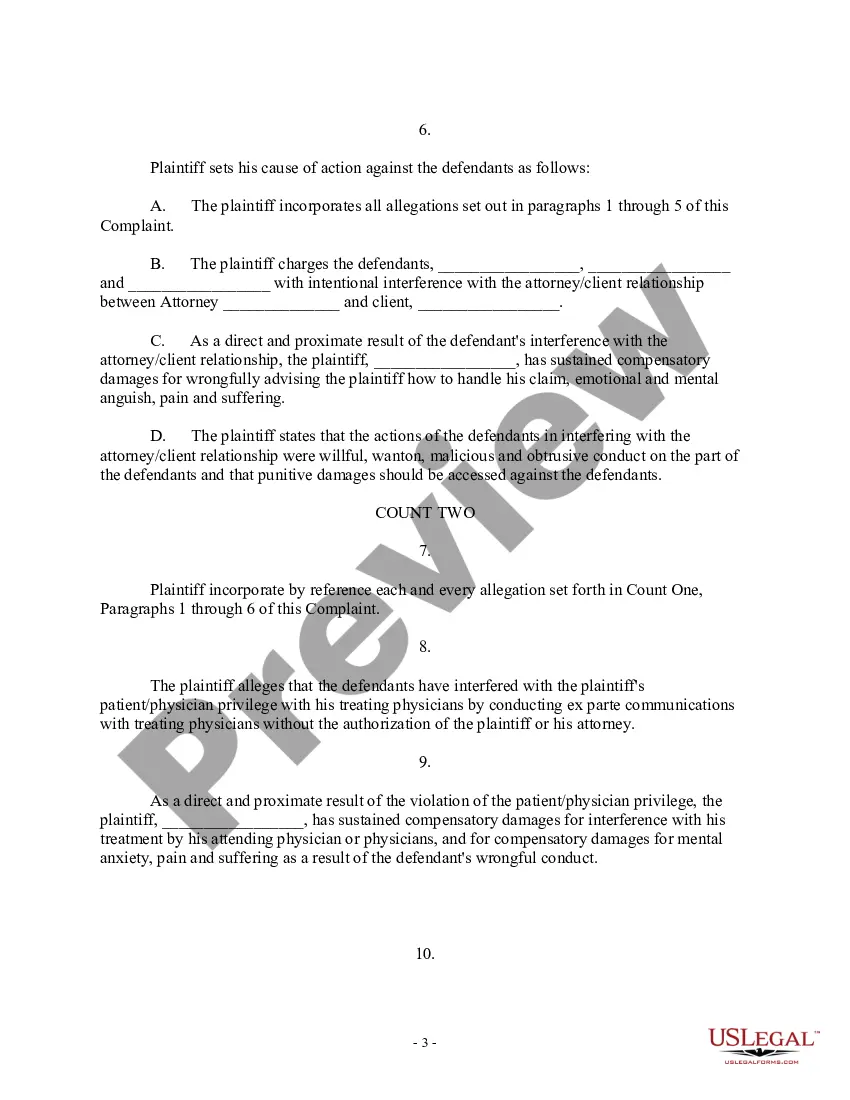
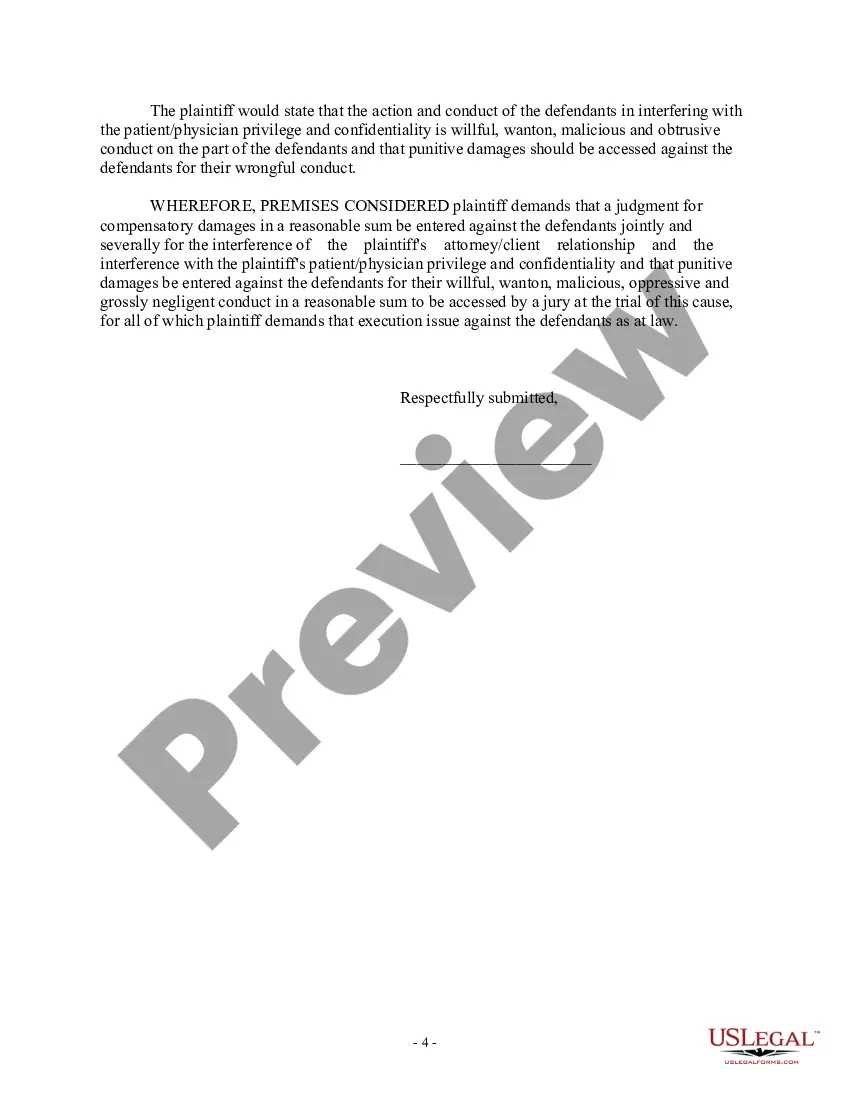

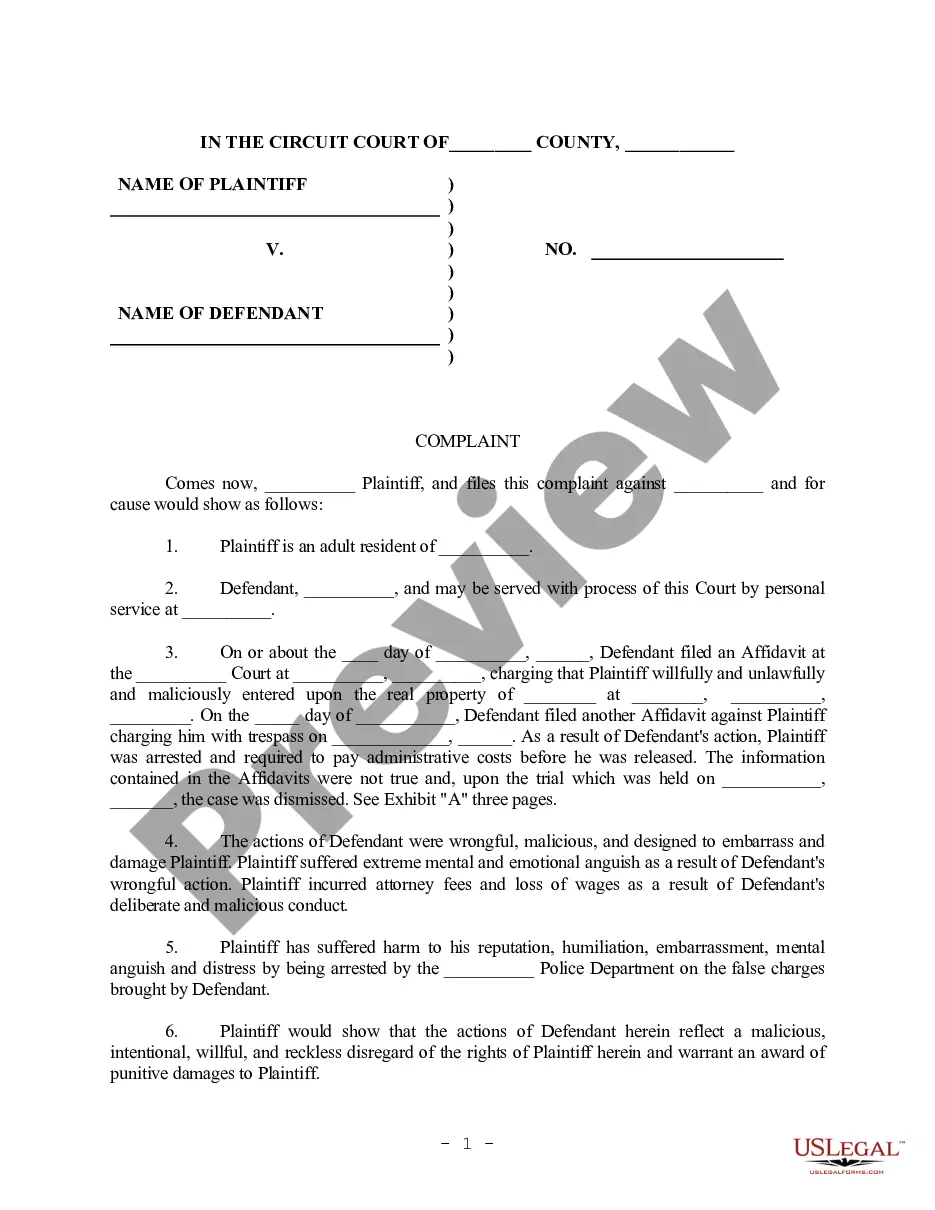

Get your form ready online
Our built-in tools help you complete, sign, share, and store your documents in one place.
Make edits, fill in missing information, and update formatting in US Legal Forms—just like you would in MS Word.
Download a copy, print it, send it by email, or mail it via USPS—whatever works best for your next step.
Sign and collect signatures with our SignNow integration. Send to multiple recipients, set reminders, and more. Go Premium to unlock E-Sign.
If this form requires notarization, complete it online through a secure video call—no need to meet a notary in person or wait for an appointment.
We protect your documents and personal data by following strict security and privacy standards.

Make edits, fill in missing information, and update formatting in US Legal Forms—just like you would in MS Word.

Download a copy, print it, send it by email, or mail it via USPS—whatever works best for your next step.

Sign and collect signatures with our SignNow integration. Send to multiple recipients, set reminders, and more. Go Premium to unlock E-Sign.

If this form requires notarization, complete it online through a secure video call—no need to meet a notary in person or wait for an appointment.

We protect your documents and personal data by following strict security and privacy standards.
Looking for another form?









Form popularity
FAQ
The issue of waiver arises most commonly when a communication is witnessed by a third party or where the client does not intend the communication to be confidential. The mere presence of a third party will likely prevent the creation of the attorney-client privilege.
California Evidence Code Sections 950-962 In the context of criminal defense, it means that the client has the authority to invoke the privilege, preventing the attorney from disclosing confidential information without their consent. While the client holds the privilege, they can choose to waive it voluntarily.
The purpose of the attorney-client privilege is to encourage clients to communicate freely with their attorneys, which enables attorneys to provide the best legal advice.
An exception is to further a crime or fraud. Suppose your conversation with an attorney includes a plan to commit a crime or fraud. In that case, the attorney-client privilege doesn't apply. Also, there is imminent death or harm.
Loss of confidentiality If a document is circulated widely, or is made publicly available, privilege may be lost. The following are examples of circumstances in which privilege will be lost: An advocate refers to a document in open court. A document is made available for inspection on the court file.
Under the Evidence Code (Sections 953-954), the attorney-client privilege survives the client's death so long as there is a personal representative, who holds the deceased client's privilege. ingly, the privilege survives during administration of the client's estate.
California Code, Evidence Code - EVID § 954. (c) The person who was the lawyer at the time of the confidential communication, but such person may not claim the privilege if there is no holder of the privilege in existence or if he is otherwise instructed by a person authorized to permit disclosure.
A majority of the court has determined that an attorney's invoices to a client are protected by the attorney-client privilege so long as litigation is ongoing, but there is no categorical privilege covering attorney invoices to clients, so that “there may come a point when the invoices no longer communicate anything ...