Lawyer With Client In Queens
Description

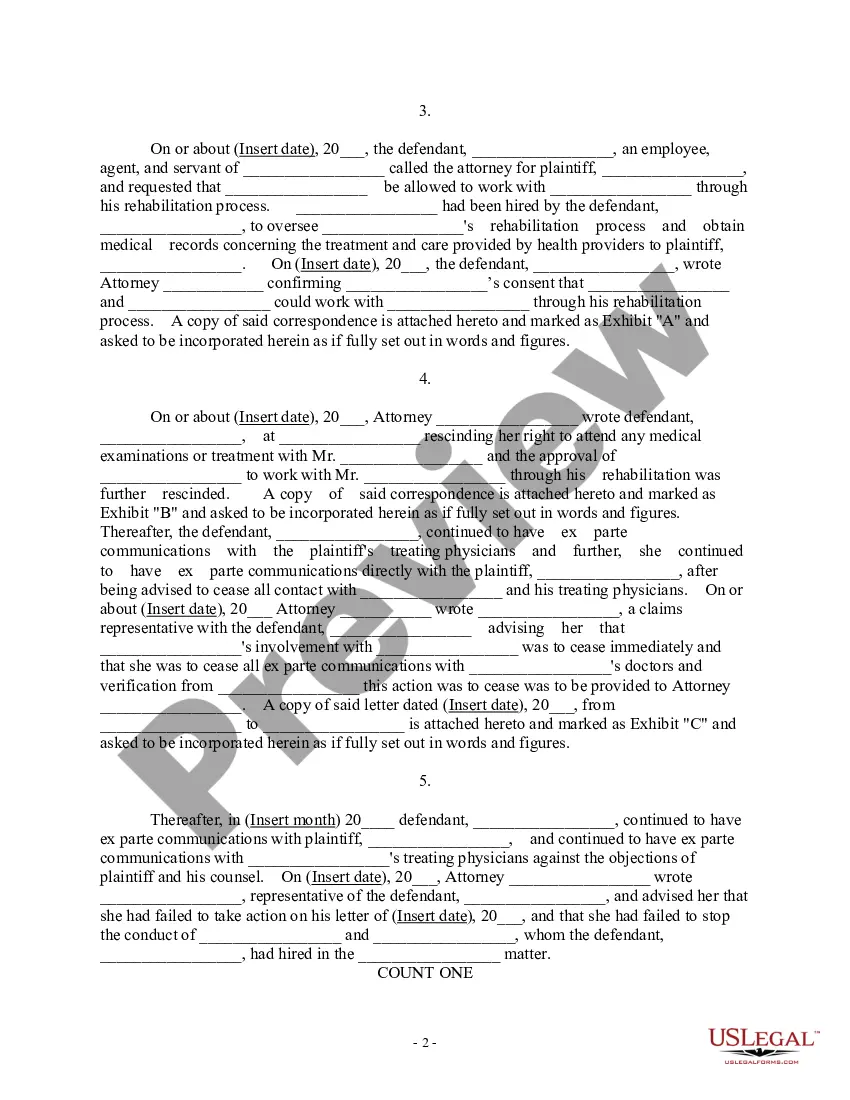
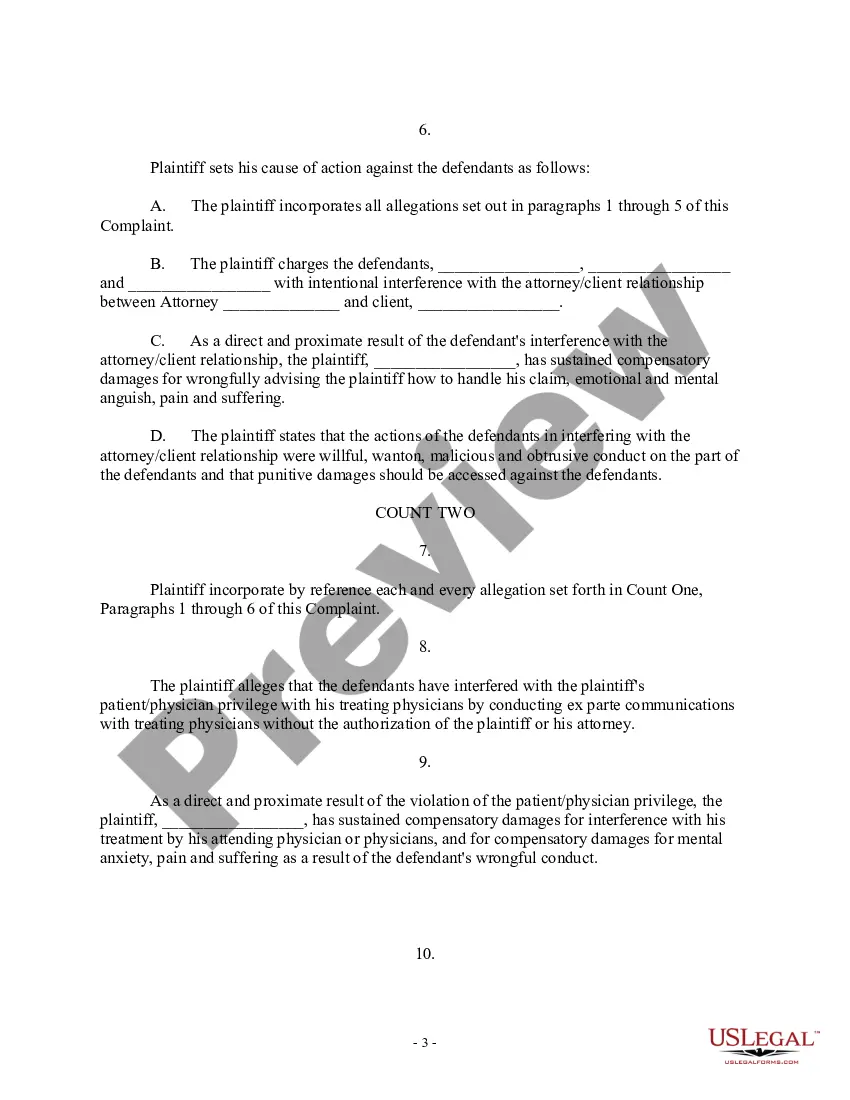
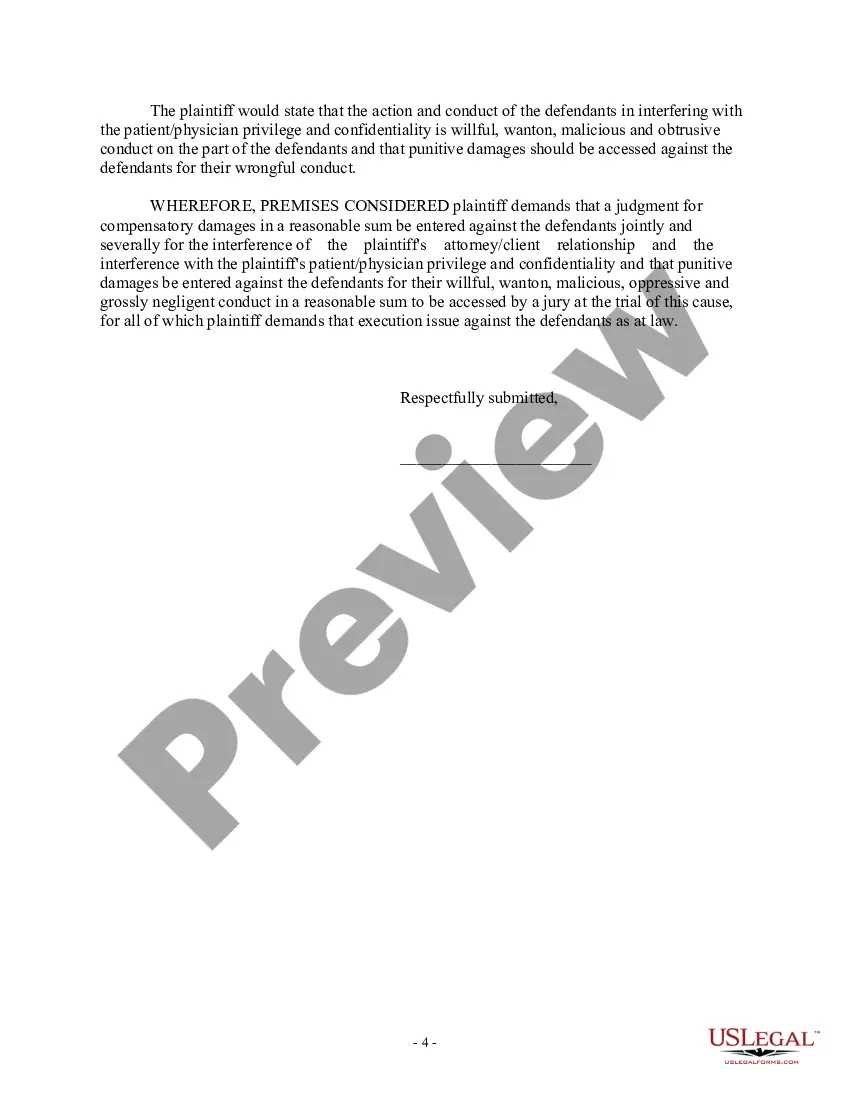



Get your form ready online
Our built-in tools help you complete, sign, share, and store your documents in one place.
Make edits, fill in missing information, and update formatting in US Legal Forms—just like you would in MS Word.
Download a copy, print it, send it by email, or mail it via USPS—whatever works best for your next step.
Sign and collect signatures with our SignNow integration. Send to multiple recipients, set reminders, and more. Go Premium to unlock E-Sign.
If this form requires notarization, complete it online through a secure video call—no need to meet a notary in person or wait for an appointment.
We protect your documents and personal data by following strict security and privacy standards.

Make edits, fill in missing information, and update formatting in US Legal Forms—just like you would in MS Word.

Download a copy, print it, send it by email, or mail it via USPS—whatever works best for your next step.

Sign and collect signatures with our SignNow integration. Send to multiple recipients, set reminders, and more. Go Premium to unlock E-Sign.

If this form requires notarization, complete it online through a secure video call—no need to meet a notary in person or wait for an appointment.

We protect your documents and personal data by following strict security and privacy standards.
Looking for another form?









Form popularity
FAQ
How to Give Lawyer Referrals: Three Steps Identify a good match for your client. It's tempting to default to a name you always give out or refer to the person in your network who sends you the most business. Always give at least two names. Let the client make the contact, but give a heads-up if you can.
The Ethical Way to Refer Out Discuss Openly: Communicate to the client your reasons for recommending different resources and outside help. Make sure that the client understands it's for their best interest. Provide Multiple Referrals: If possible, give the client a choice of several professionals or resources.
In family law cases, the client is the person involved in the legal action. The person bringing the suit is the Plaintiff who is often referred to as the Petitioner in family law cases. The person defending the legal action is the Defendant who is referred to as the Respondent.
How to Give Lawyer Referrals: Three Steps Identify a good match for your client. It's tempting to default to a name you always give out or refer to the person in your network who sends you the most business. Always give at least two names. Let the client make the contact, but give a heads-up if you can.
In the overcrowded conditions of most courthouses, attorneys can be seen meeting with their clients in public-waiting areas, the cafeteria, the law library, in the back of courtrooms, in telephone booths, or any place that is available.
The American Bar Association's Model Rules of Professional Responsibility prohibit such affairs between a lawyer and his clients. There's always an exception under the law, however. That's if the client was the lawyer's sexual partner before the client became a client.
Of course, the first profession I looked at was lawyers. Unsurprisingly, it turns out that most lawyers marry other lawyers. But male lawyers also marry schoolteachers, secretaries, and miscellaneous managers. And lawyers marry people in other computer occupations.
Professional Ethics: Most legal ethical codes strongly discourage or outright prohibit lawyers from engaging in romantic relationships with clients during representation. This is to maintain professional boundaries and ensure that the lawyer-client relationship is based solely on the client's legal needs.
Professional Ethics: Most legal ethical codes strongly discourage or outright prohibit lawyers from engaging in romantic relationships with clients during representation. This is to maintain professional boundaries and ensure that the lawyer-client relationship is based solely on the client's legal needs.
This contract is essential to ensure a clear and fair professional relationship between both parties. Its main purpose is to define the services that the lawyer will provide, as well as the client's rights and responsibilities.