Attorney Client Privilege With In House Counsel In Queens
Description

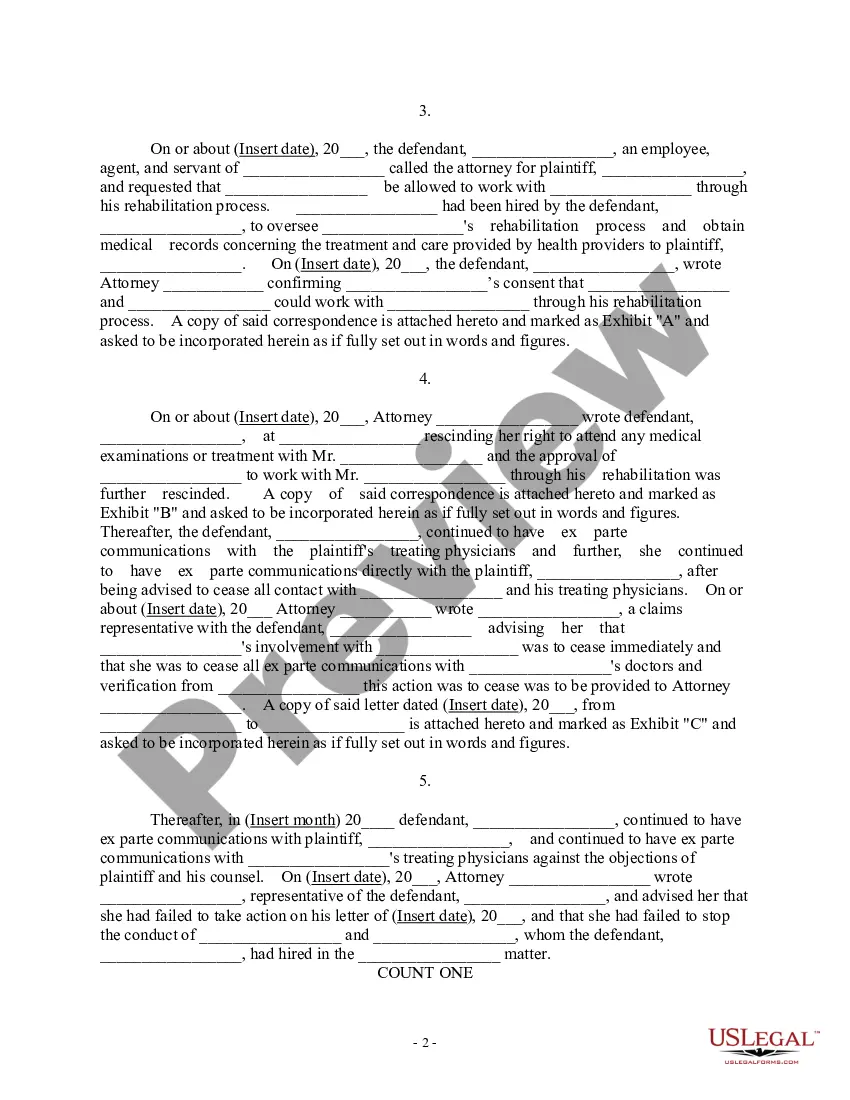
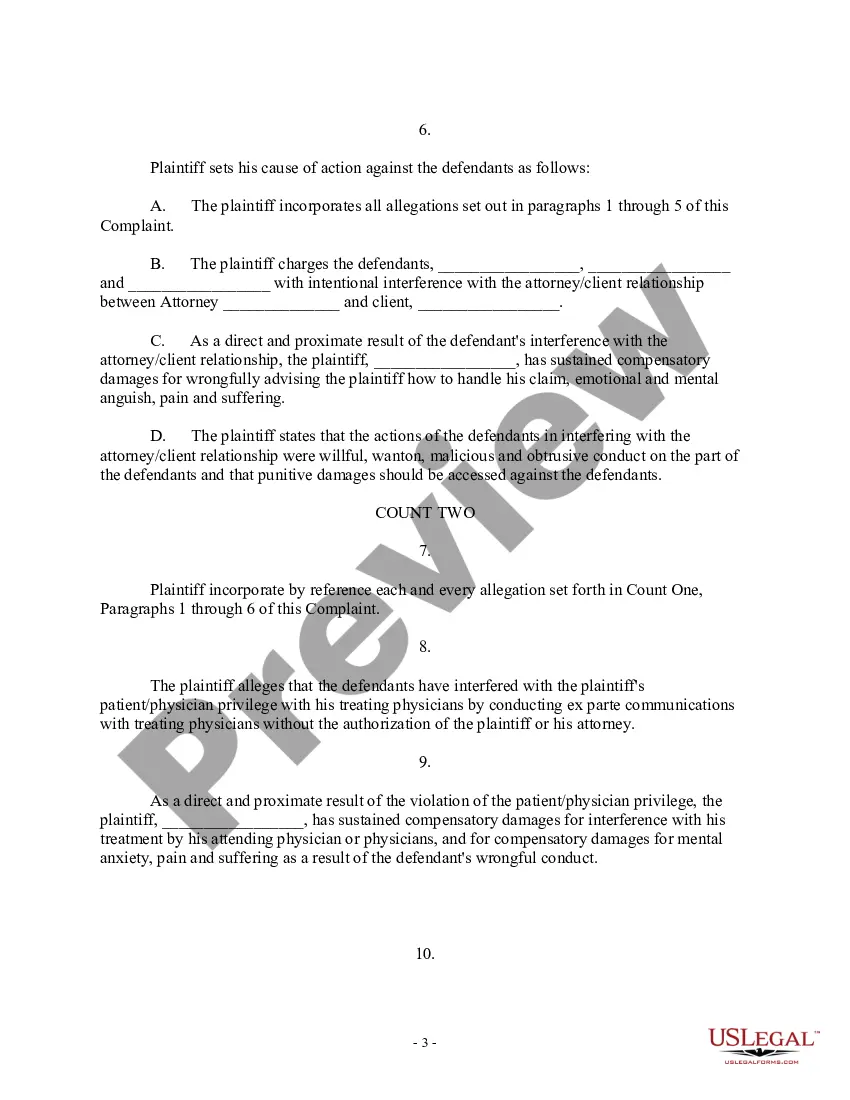
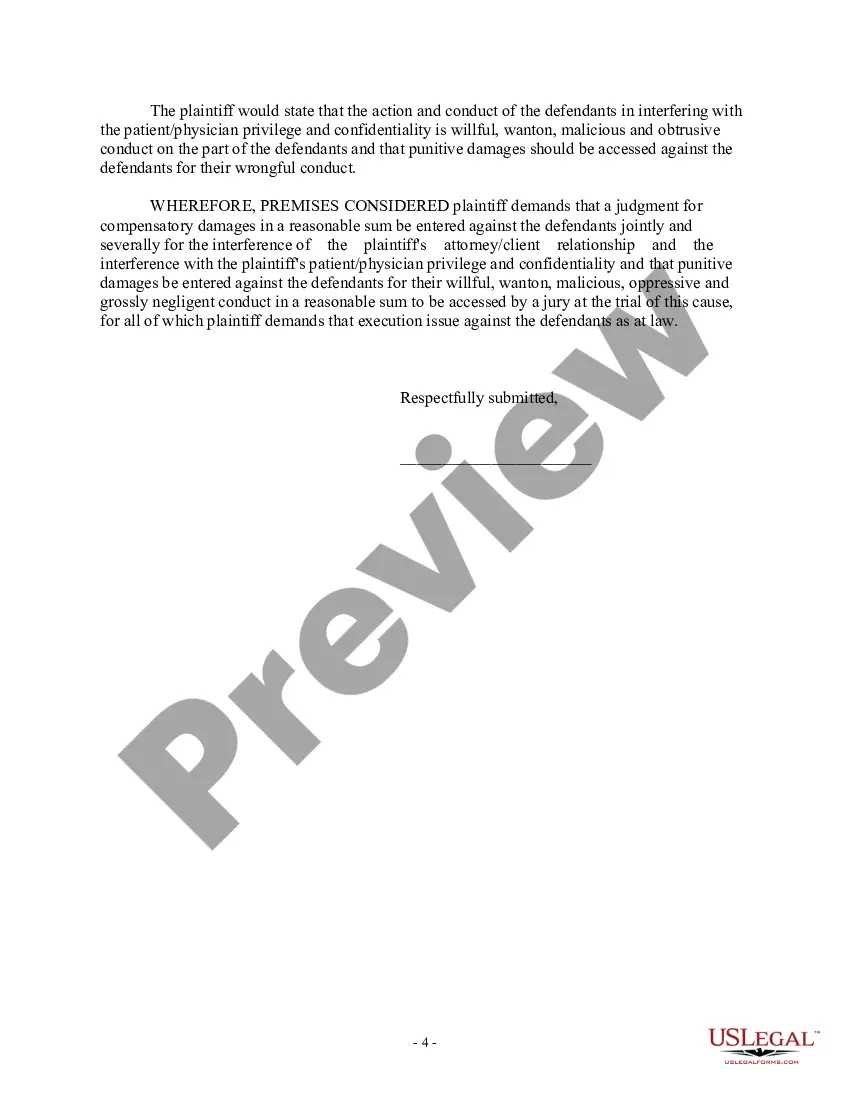

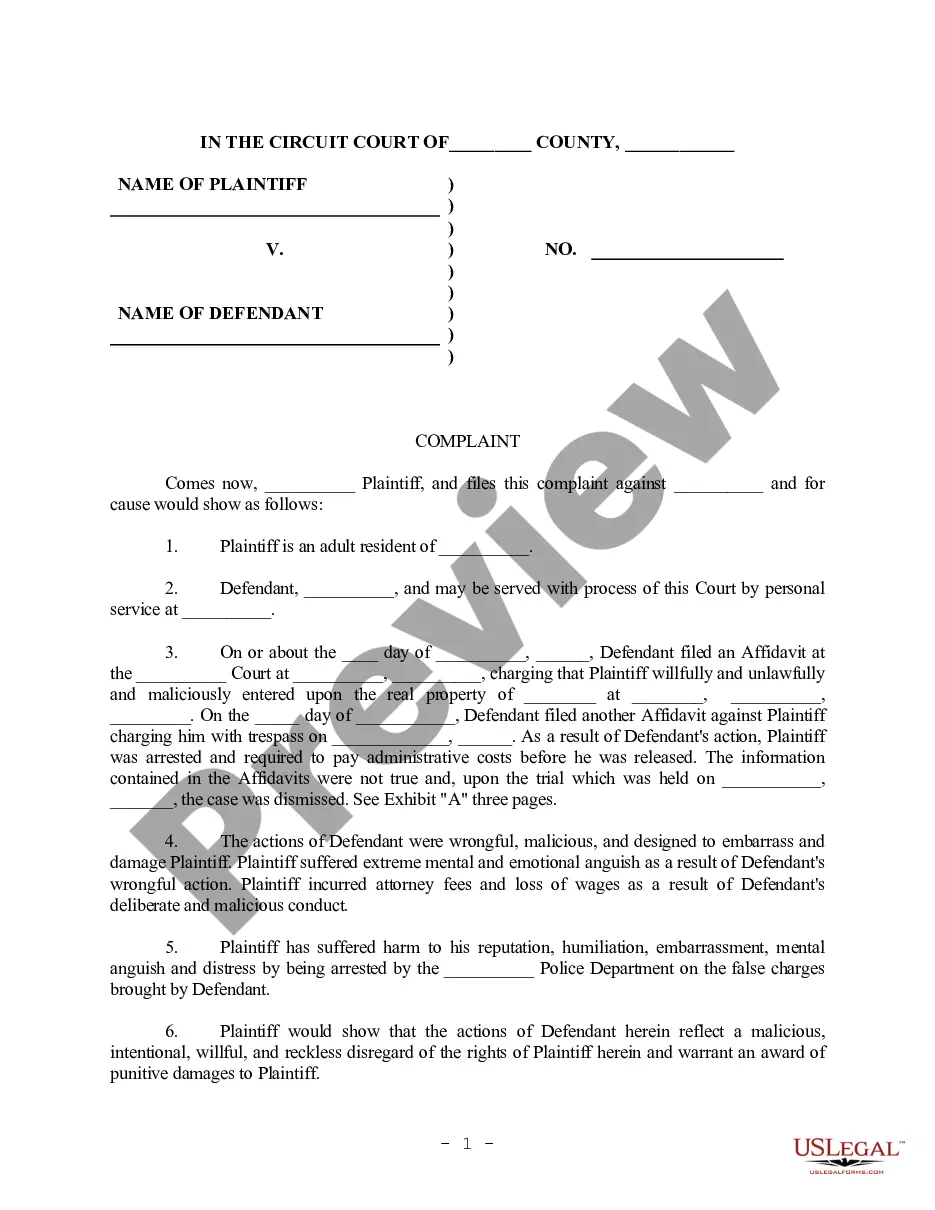

Get your form ready online
Our built-in tools help you complete, sign, share, and store your documents in one place.
Make edits, fill in missing information, and update formatting in US Legal Forms—just like you would in MS Word.
Download a copy, print it, send it by email, or mail it via USPS—whatever works best for your next step.
Sign and collect signatures with our SignNow integration. Send to multiple recipients, set reminders, and more. Go Premium to unlock E-Sign.
If this form requires notarization, complete it online through a secure video call—no need to meet a notary in person or wait for an appointment.
We protect your documents and personal data by following strict security and privacy standards.

Make edits, fill in missing information, and update formatting in US Legal Forms—just like you would in MS Word.

Download a copy, print it, send it by email, or mail it via USPS—whatever works best for your next step.

Sign and collect signatures with our SignNow integration. Send to multiple recipients, set reminders, and more. Go Premium to unlock E-Sign.

If this form requires notarization, complete it online through a secure video call—no need to meet a notary in person or wait for an appointment.

We protect your documents and personal data by following strict security and privacy standards.
Looking for another form?










Form popularity
FAQ
Therefore, controversy has emerged over the scope of the attorney–client privilege between the counsel and the president and vice president, namely with John Dean of Watergate notoriety. It is clear, however, that the privilege does not apply in strictly personal matters.
Congressional investigations are distinct from other government investigations in meaningful ways. A key distinguishing factor is the treatment of the attorney-client privilege, a common law privilege that Congress generally does not recognize.
Although historically courts held there was no privilege, more recently courts—including one California court—have concluded that communications between attorneys and their firm's in-house counsel are privileged.
Consequently, the plaintiff had the right to depose the attorney despite his in-house status. Thus, knowing that the privilege applies to in-house counsel, the inquiry shifts to the scope of the privilege.
The White House Counsel advises the President on all legal issues concerning the Office of the President and the White House.
If the purpose is legal advice, the communication is privileged if it's confidential and between lawyer and client. On the other hand, if the lawyer is acting as a business negotiator or advisor, the communication probably is not privileged. An in-house lawyer fulfills multiple roles!
For those lawyers who are employees of one company, they are not considered to have a private practice or a public practice. These lawyers are called “in-house counsel.” That means they are directly employed by one client and are typically prevented from being able to take on any other clients.
The elements required to establish the attorney-client privilege are as follows: a communication; made between privileged persons; in confidence; and. for the purpose of seeking, obtaining, or providing legal assistance to the client.