Lawyer With Client In Ohio
Description

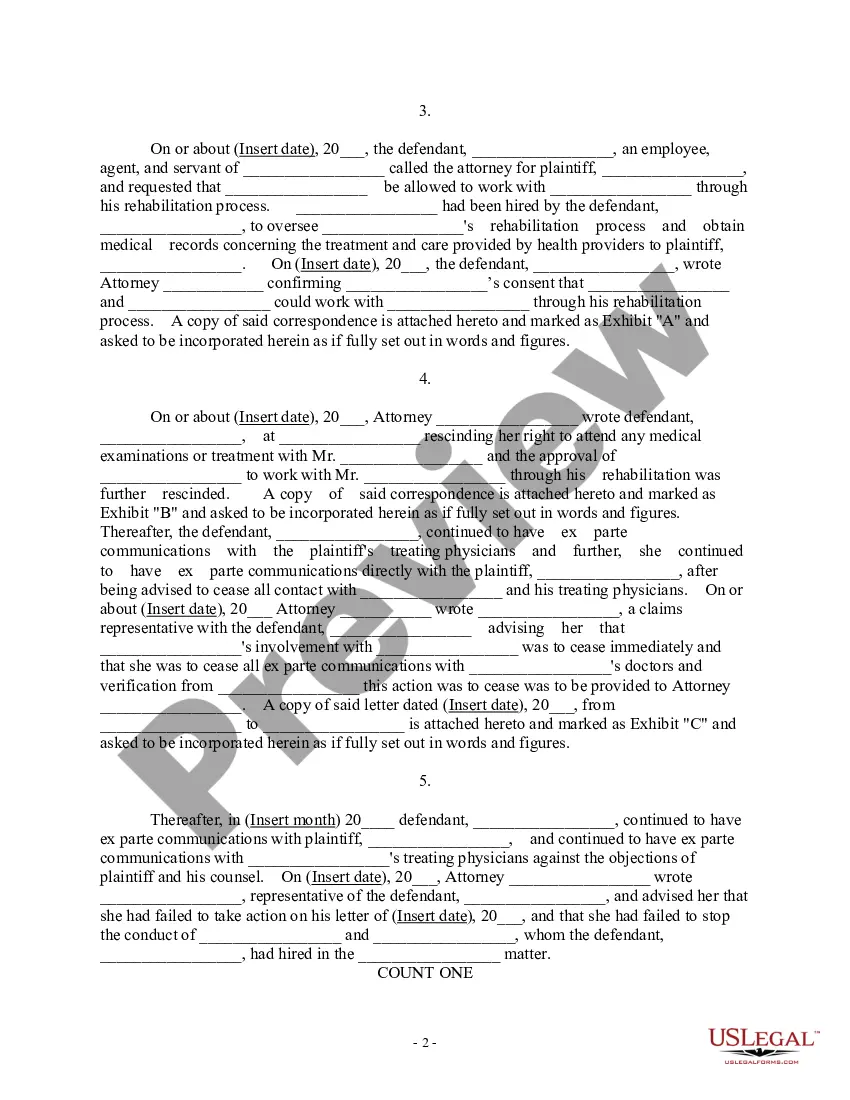
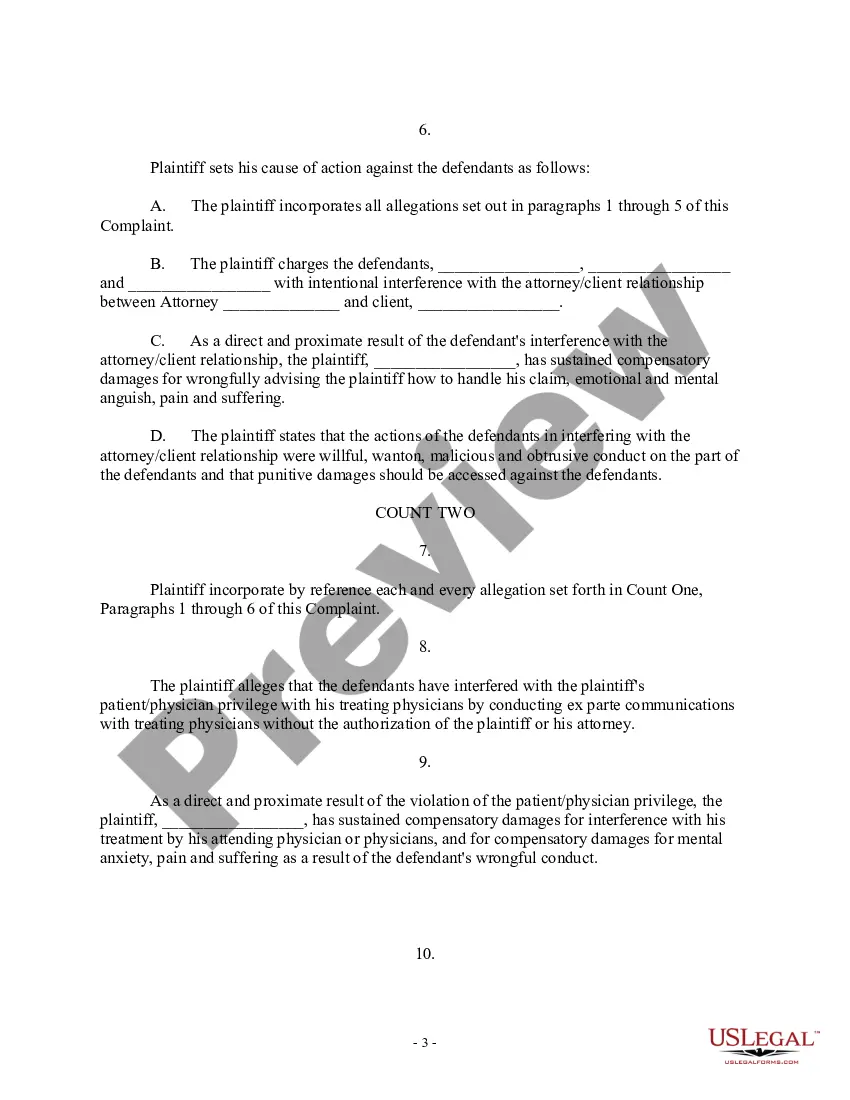
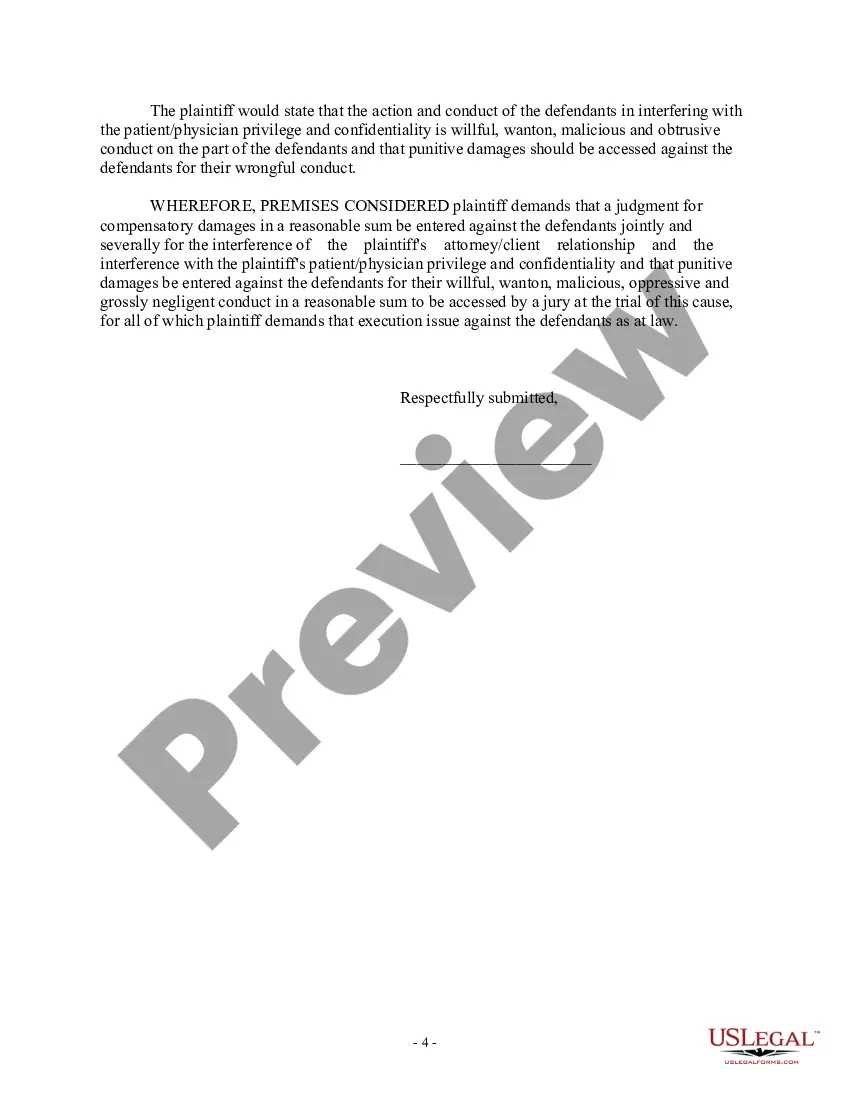

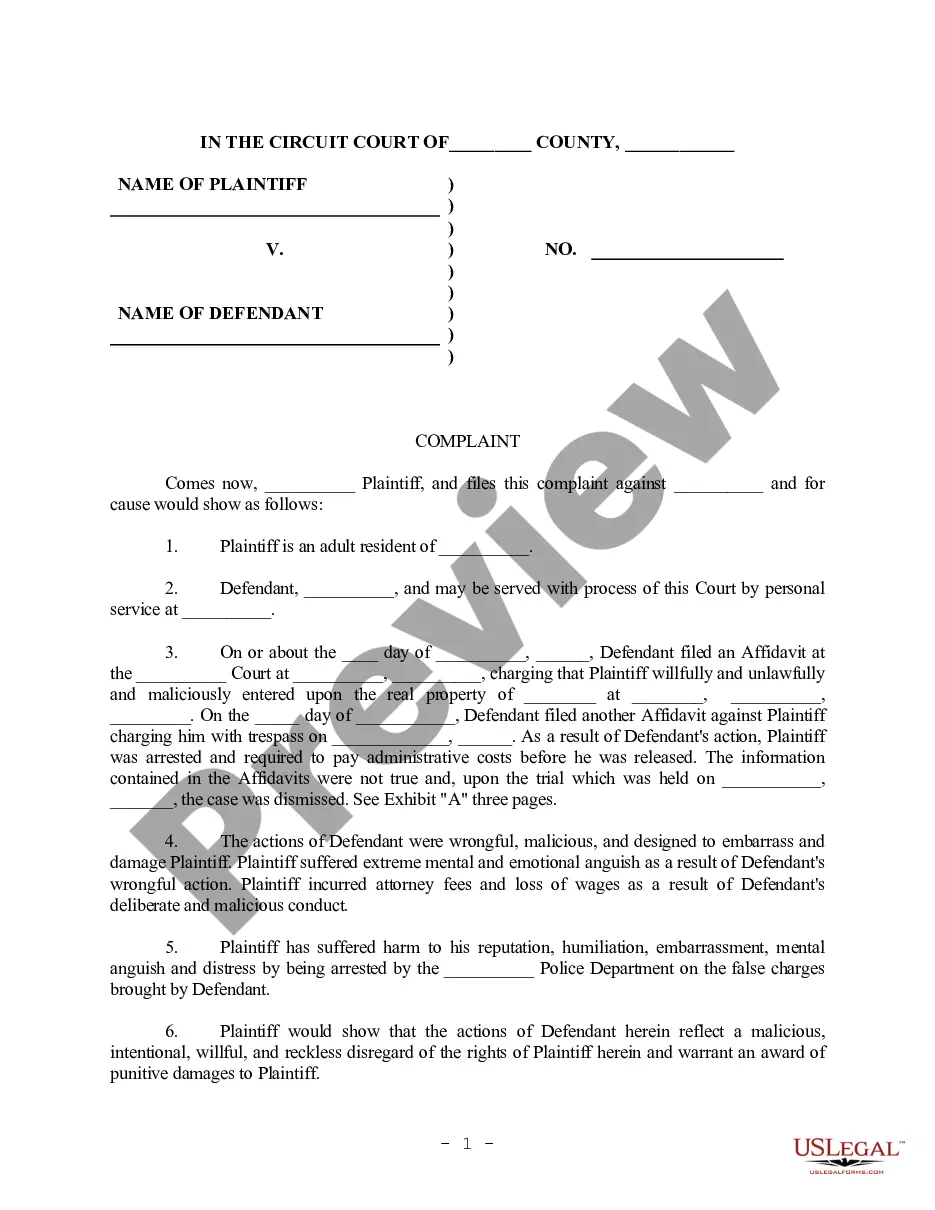

Get your form ready online
Our built-in tools help you complete, sign, share, and store your documents in one place.
Make edits, fill in missing information, and update formatting in US Legal Forms—just like you would in MS Word.
Download a copy, print it, send it by email, or mail it via USPS—whatever works best for your next step.
Sign and collect signatures with our SignNow integration. Send to multiple recipients, set reminders, and more. Go Premium to unlock E-Sign.
If this form requires notarization, complete it online through a secure video call—no need to meet a notary in person or wait for an appointment.
We protect your documents and personal data by following strict security and privacy standards.

Make edits, fill in missing information, and update formatting in US Legal Forms—just like you would in MS Word.

Download a copy, print it, send it by email, or mail it via USPS—whatever works best for your next step.

Sign and collect signatures with our SignNow integration. Send to multiple recipients, set reminders, and more. Go Premium to unlock E-Sign.

If this form requires notarization, complete it online through a secure video call—no need to meet a notary in person or wait for an appointment.

We protect your documents and personal data by following strict security and privacy standards.
Looking for another form?








Form popularity
FAQ
Rule 8.4 removes the "moral turpitude" standard of DR 1-102(A)(3) and replaces it with Rule 8.4(b), which states that a lawyer engages in professional misconduct if the lawyer "commits an illegal act that reflects adversely on the lawyer's honesty or trustworthiness."
A civil litigation lawyer represents clients in non-criminal legal matters such as contract disagreements, property disputes, and even class action suits. They aim to solve conflicts through mediation and negotiation, but they can also represent you in court if this isn't possible.
This contract is essential to ensure a clear and fair professional relationship between both parties. Its main purpose is to define the services that the lawyer will provide, as well as the client's rights and responsibilities.
client agreement is a legal document that establishes the terms and conditions of the relationship between a lawyer and his or her client. This contract is essential to ensure a clear and fair professional relationship between both parties.
Legally binding contracts are extremely important because they protect the interests of your business and define the relationship between parties. Although many attorneys are skilled in drafting legally valid contracts, it is possible for you, as a small business owner to draft your own.
In most jurisdictions, ethical rules explicitly prohibit lawyers from engaging in sexual relationships with clients. This prohibition is based on several key reasons: Conflict of Interest: A romantic or sexual relationship can create a significant conflict of interest.
In this article, you'll learn about ways to improve your law firm marketing strategy and build a strong client base. Specialize in a Practice Area. Keep Networking. Request Referrals. Leverage Legal Directories. Start Online Marketing. Manage Your Firm's Reputation and Build Social Proof.
In the overcrowded conditions of most courthouses, attorneys can be seen meeting with their clients in public-waiting areas, the cafeteria, the law library, in the back of courtrooms, in telephone booths, or any place that is available.
(B)(1) Fees less than or equal to two thousand five hundred dollars shall be presumed to be reasonable. (2) If the private attorney's fees payable are fixed and not determined on an hourly basis, the court shall not consider or require evidence of hours expended or hourly rates.
Two or more offenses may be charged in the same indictment, information or complaint in a separate count for each offense if the offenses charged, whether felonies or misdemeanors or both, are of the same or similar character, or are based on the same act or transaction, or are based on two or more acts or transactions ...