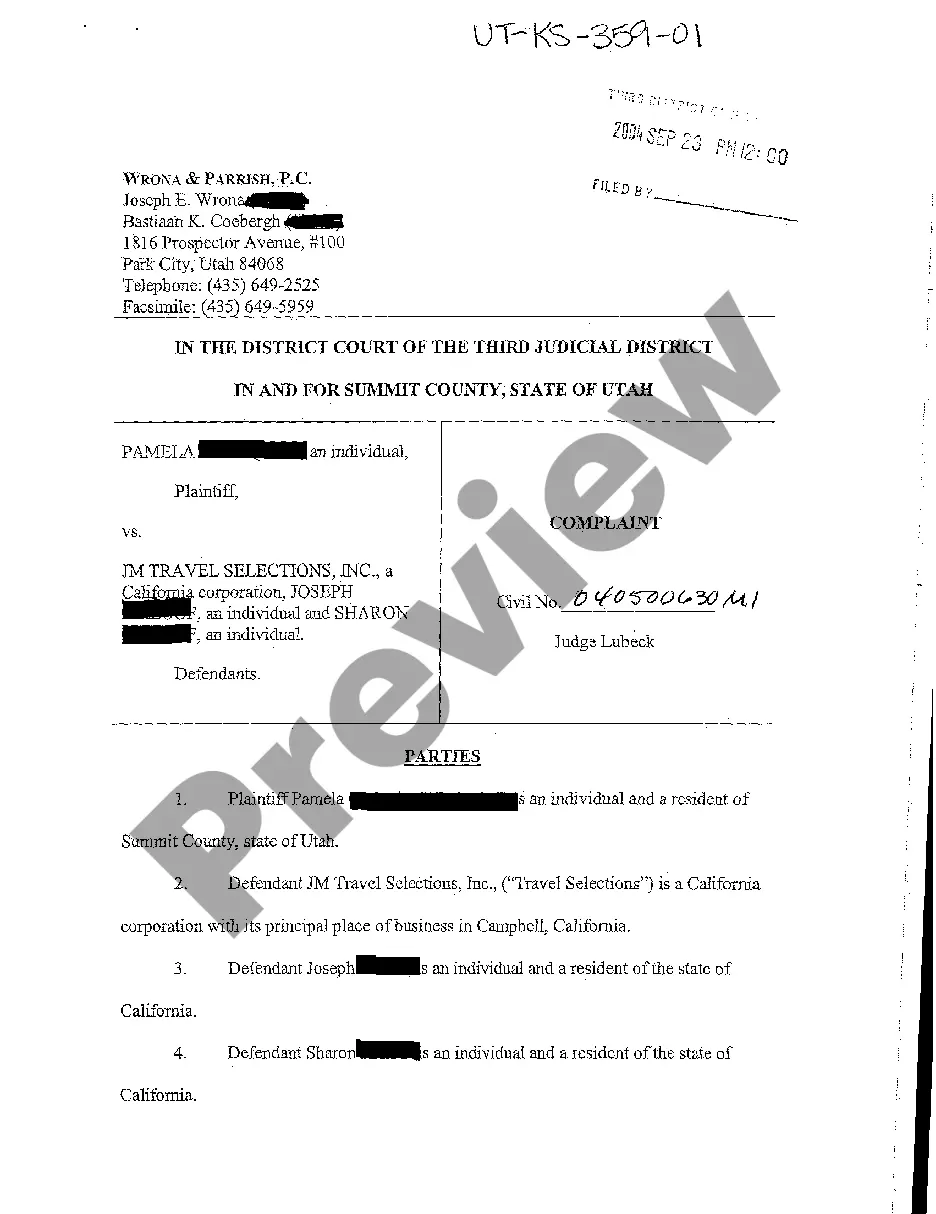
Advocate Client Relationship In Kenya In Nevada
Description

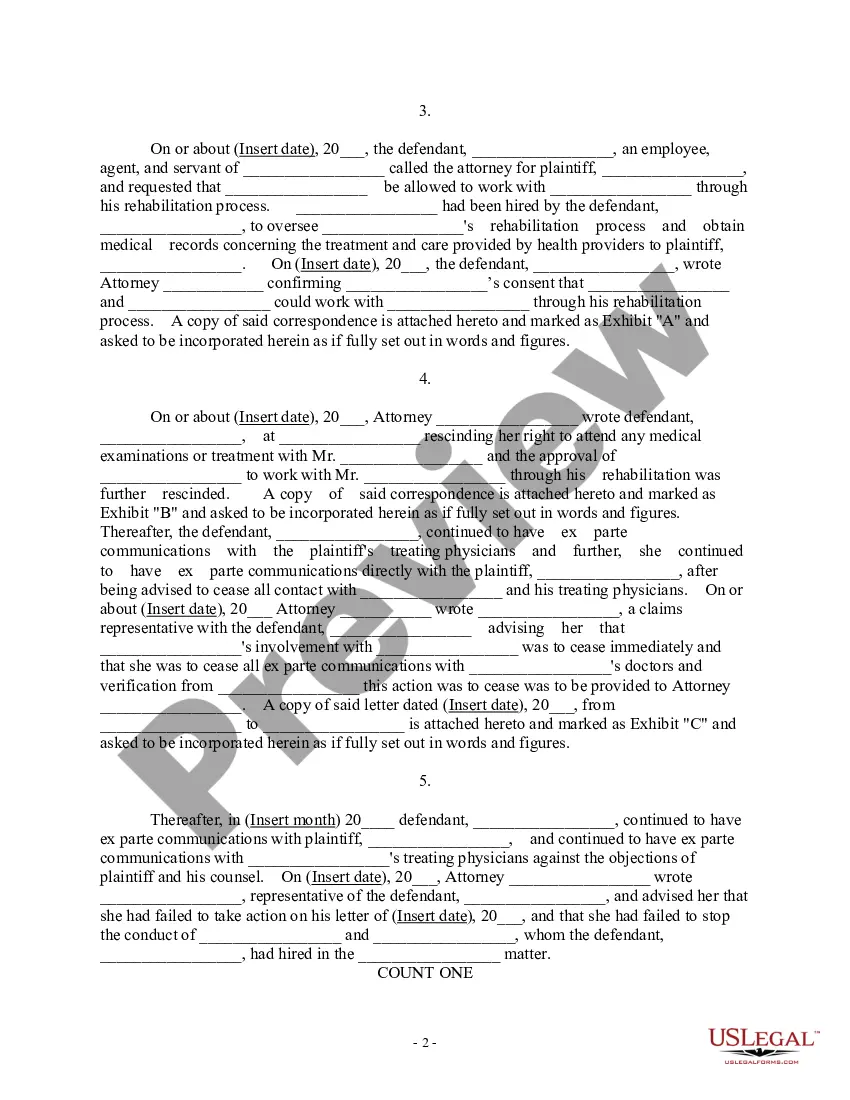
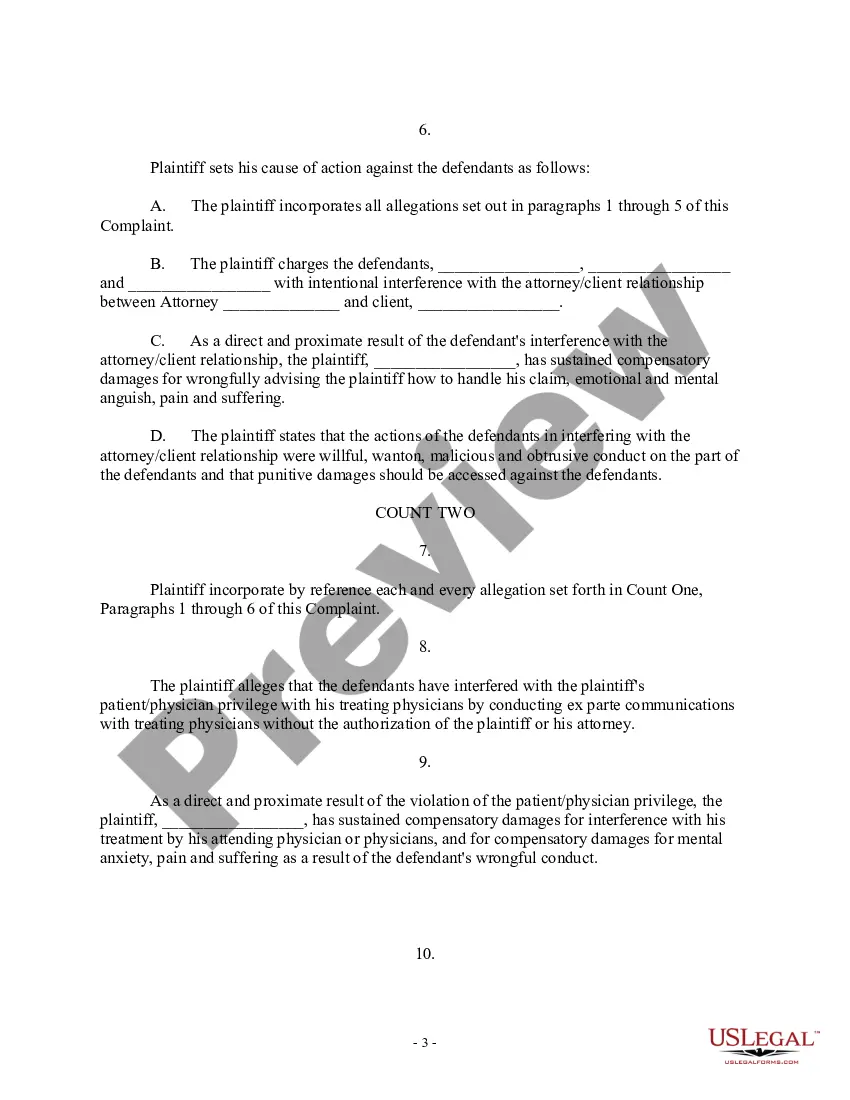
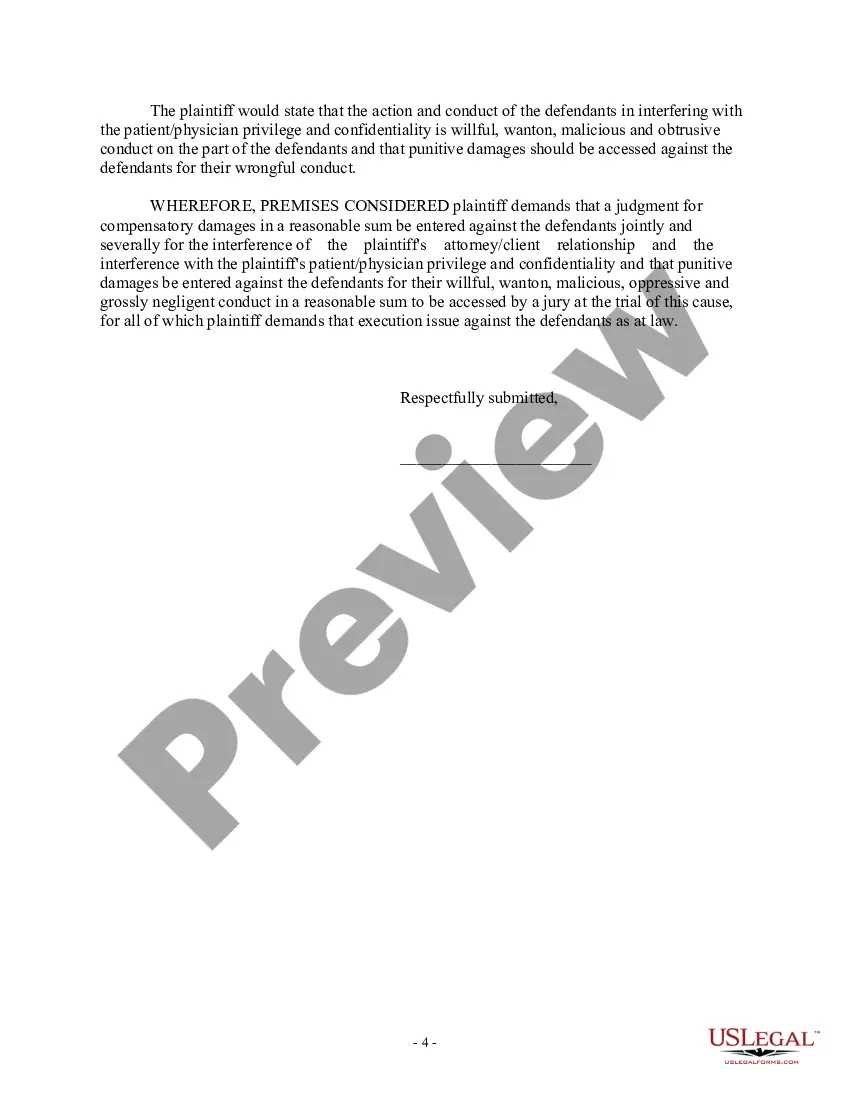




Get your form ready online
Our built-in tools help you complete, sign, share, and store your documents in one place.
Make edits, fill in missing information, and update formatting in US Legal Forms—just like you would in MS Word.
Download a copy, print it, send it by email, or mail it via USPS—whatever works best for your next step.
Sign and collect signatures with our SignNow integration. Send to multiple recipients, set reminders, and more. Go Premium to unlock E-Sign.
If this form requires notarization, complete it online through a secure video call—no need to meet a notary in person or wait for an appointment.
We protect your documents and personal data by following strict security and privacy standards.

Make edits, fill in missing information, and update formatting in US Legal Forms—just like you would in MS Word.

Download a copy, print it, send it by email, or mail it via USPS—whatever works best for your next step.

Sign and collect signatures with our SignNow integration. Send to multiple recipients, set reminders, and more. Go Premium to unlock E-Sign.

If this form requires notarization, complete it online through a secure video call—no need to meet a notary in person or wait for an appointment.

We protect your documents and personal data by following strict security and privacy standards.
Looking for another form?








Form popularity
FAQ
The current Model Rule created by the American Bar Association, which has been adopted in most US jurisdictions, provides as follows: ``A lawyer shall not have sexual relations with a client unless a consensual sexual relationship existed between them when the client-lawyer relationship commenced.'' Model Rule 1.8(j).
In most jurisdictions, ethical rules explicitly prohibit lawyers from engaging in sexual relationships with clients. This prohibition is based on several key reasons: Conflict of Interest: A romantic or sexual relationship can create a significant conflict of interest.
Client privilege The Advocate has a duty to keep confidential the information received from and advice given to the client. Unauthorised disclosure of client confidential information is professional misconduct.
California courts have held that an attorney-client relationship can only be created by contract.
1. Terminating Your Current Attorney: You can terminate your attorney-client relationship at any time. However, it is crucial to do so in writing. A formal letter stating your intention to end the relationship should be sent to your attorney. This letter serves as a record of your decision and its date. 2.
Communication. Open, honest, and regular communication forms the backbone of an effective attorney-client relationship. Our attorneys ensure they are accessible to clients, providing updates on their cases and being clear about the legal process.
If it is against the property of the judgment debtor, it must require the sheriff to satisfy the judgment, with interest, out of the personal property of the debtor, and, if sufficient personal property cannot be found, then out of the debtor's real property; or if the judgment is a lien upon real property, then out of ...
Nevada has adopted the uniform law on domesticating foreign judgments in Nevada. The first step is to obtain an exemplified copy of the judgment from the original court. The exemplified judgment is then filed with the Nevada court, and the defendant/debtor is given notice of the filing.
Recognition is essential because if a foreign judgment is not recognised, it cannot be enforced. To initiate the recognition process under REFJA, the judgment holder must file an application to the High Court for registration of the judgment. The application must be submitted within six (6) years of the judgment date.