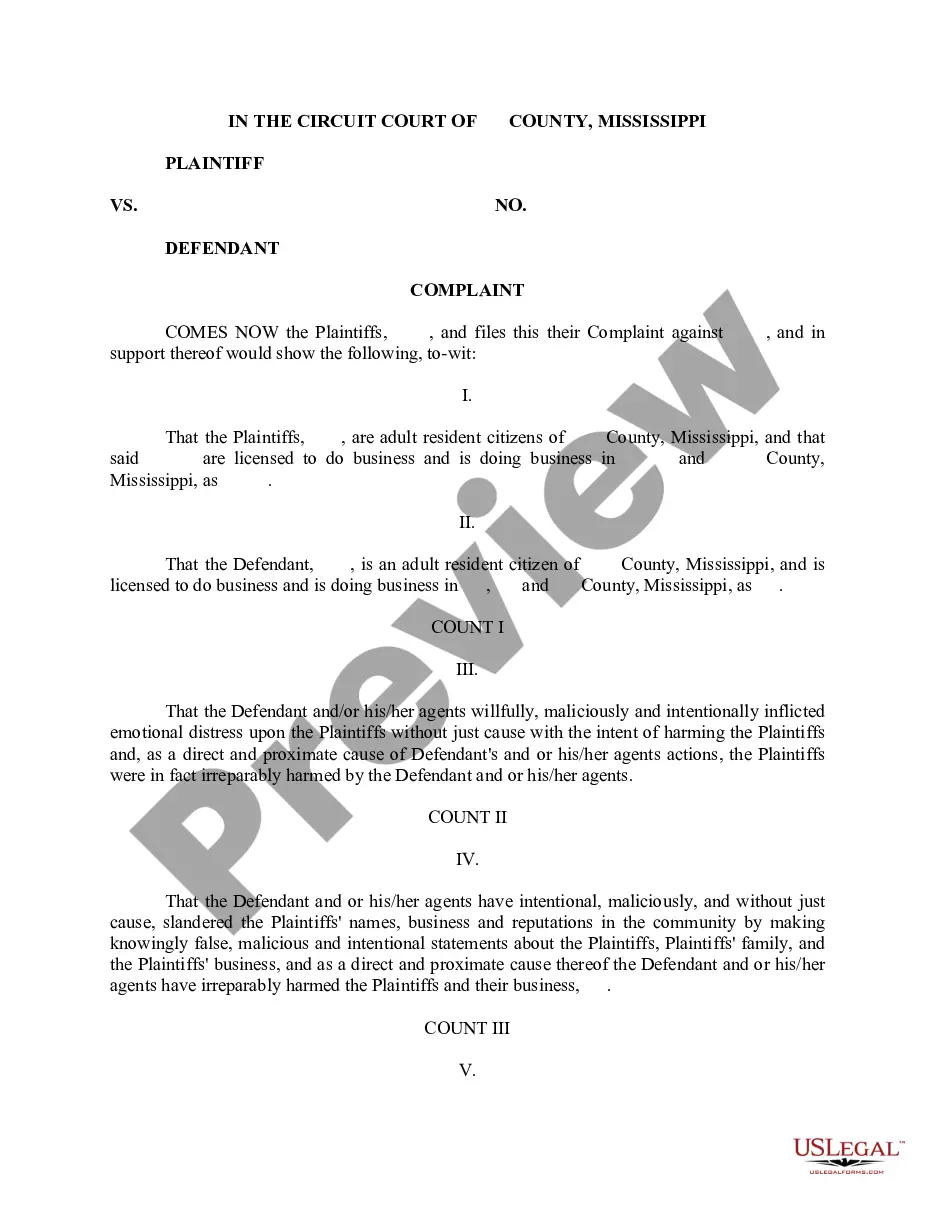
Advocate Client Relationship In Kenya In Illinois
Description





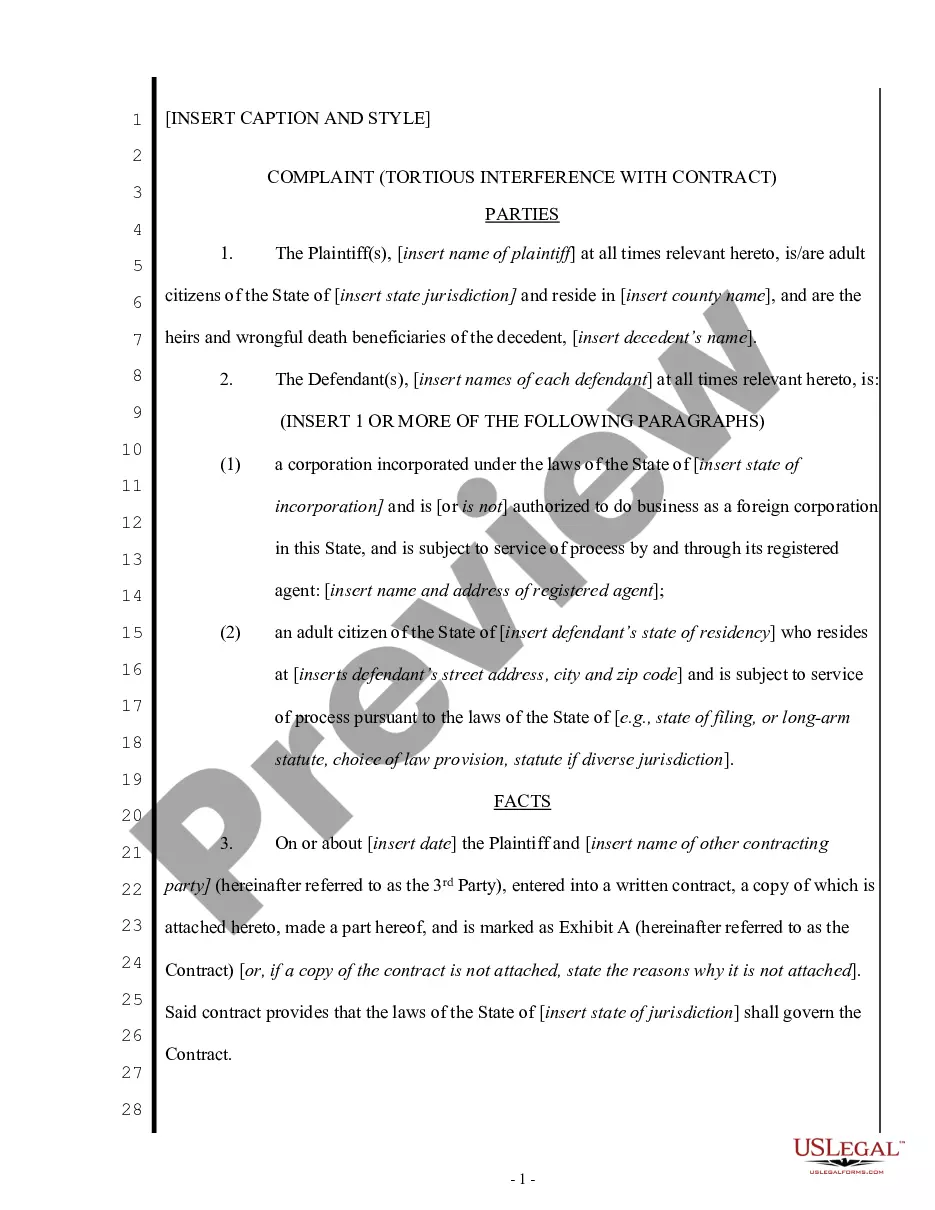
Get your form ready online
Our built-in tools help you complete, sign, share, and store your documents in one place.
Make edits, fill in missing information, and update formatting in US Legal Forms—just like you would in MS Word.
Download a copy, print it, send it by email, or mail it via USPS—whatever works best for your next step.
Sign and collect signatures with our SignNow integration. Send to multiple recipients, set reminders, and more. Go Premium to unlock E-Sign.
If this form requires notarization, complete it online through a secure video call—no need to meet a notary in person or wait for an appointment.
We protect your documents and personal data by following strict security and privacy standards.

Make edits, fill in missing information, and update formatting in US Legal Forms—just like you would in MS Word.

Download a copy, print it, send it by email, or mail it via USPS—whatever works best for your next step.

Sign and collect signatures with our SignNow integration. Send to multiple recipients, set reminders, and more. Go Premium to unlock E-Sign.

If this form requires notarization, complete it online through a secure video call—no need to meet a notary in person or wait for an appointment.

We protect your documents and personal data by following strict security and privacy standards.
Looking for another form?






Form popularity
FAQ
Lawyer: A lawyer is a person who has completed an undergraduate law degree, typically a Bachelor of Law (LLB) degree. Advocate: An advocate is a lawyer who has completed additional postgraduate training at the Kenya School of Law, including a diploma in the legal field, and has successfully passed nine courses.
Attorney-client privilege protects communications between in-house or external counsel and their clients that are (i) intended to be confidential and (ii) made for the purpose of seeking or obtaining legal assistance or advice. Generally, employees who engage and direct the lawyer are part of the client group.
Illinois Rule of Professional Conduct 1.6 The attorney-client relationship is trust, confidentiality, and fiduciary duty. Clients should confide in their attorneys, needing to disclose sensitive information for the best possible outcome.
Client privilege The Advocate has a duty to keep confidential the information received from and advice given to the client. Unauthorised disclosure of client confidential information is professional misconduct.
Professional Ethics: Most legal ethical codes strongly discourage or outright prohibit lawyers from engaging in romantic relationships with clients during representation. This is to maintain professional boundaries and ensure that the lawyer-client relationship is based solely on the client's legal needs.
The Law Society of Kenya has a web page ( ) where you check whether your advocate is duly admitted and has taken an annual Practicing Certificate.
Illinois Rule of Professional Conduct 1.6 The attorney-client relationship is trust, confidentiality, and fiduciary duty. Clients should confide in their attorneys, needing to disclose sensitive information for the best possible outcome.
It is normal practice to authorise special powers of attorney abroad by signing a power of attorney document. If the document is being signed for use abroad, it must be notarised by a Notary Public in order to be accepted.
In most cases, your attorney must be admitted to the bar in the state with jurisdiction. Most states have a process for an out of state attorney to be admitted to represent a client for one case only. The Latin phrase “pro hac vice” or “for this occasion only” describes this process.