Attorney Client Privilege For Consultants In Hillsborough
Description

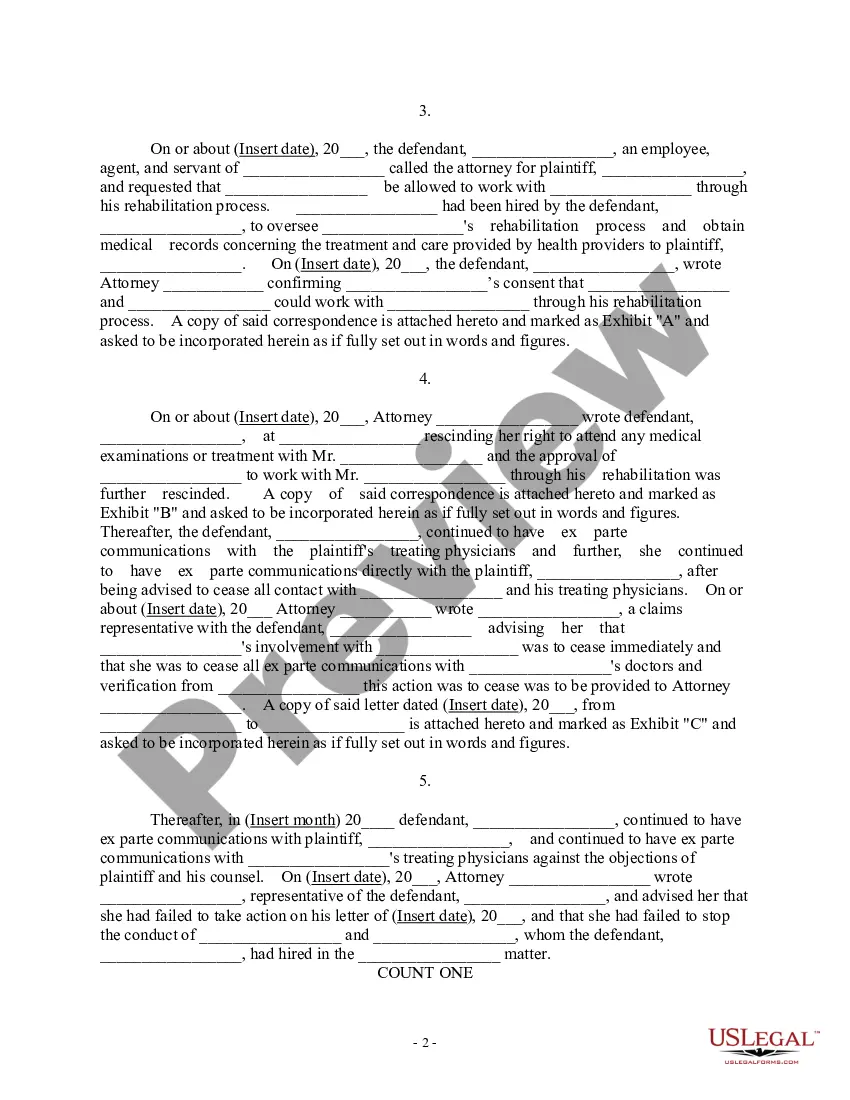
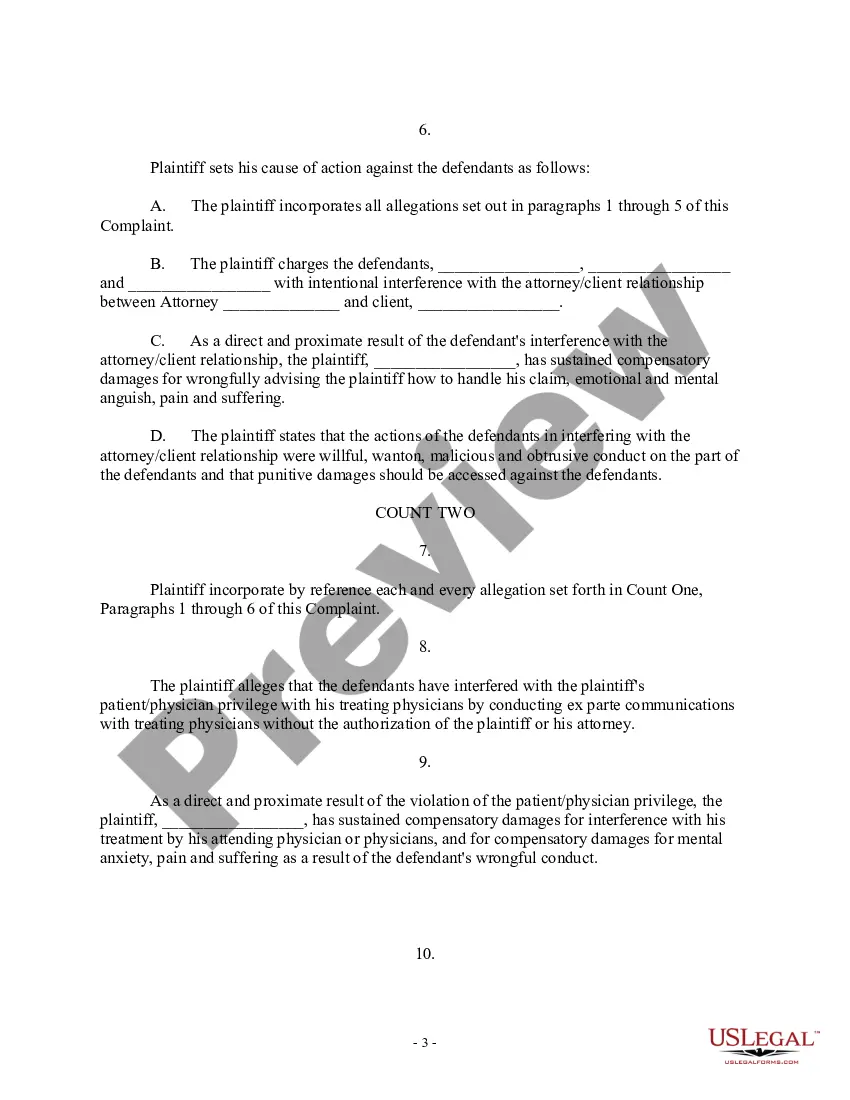
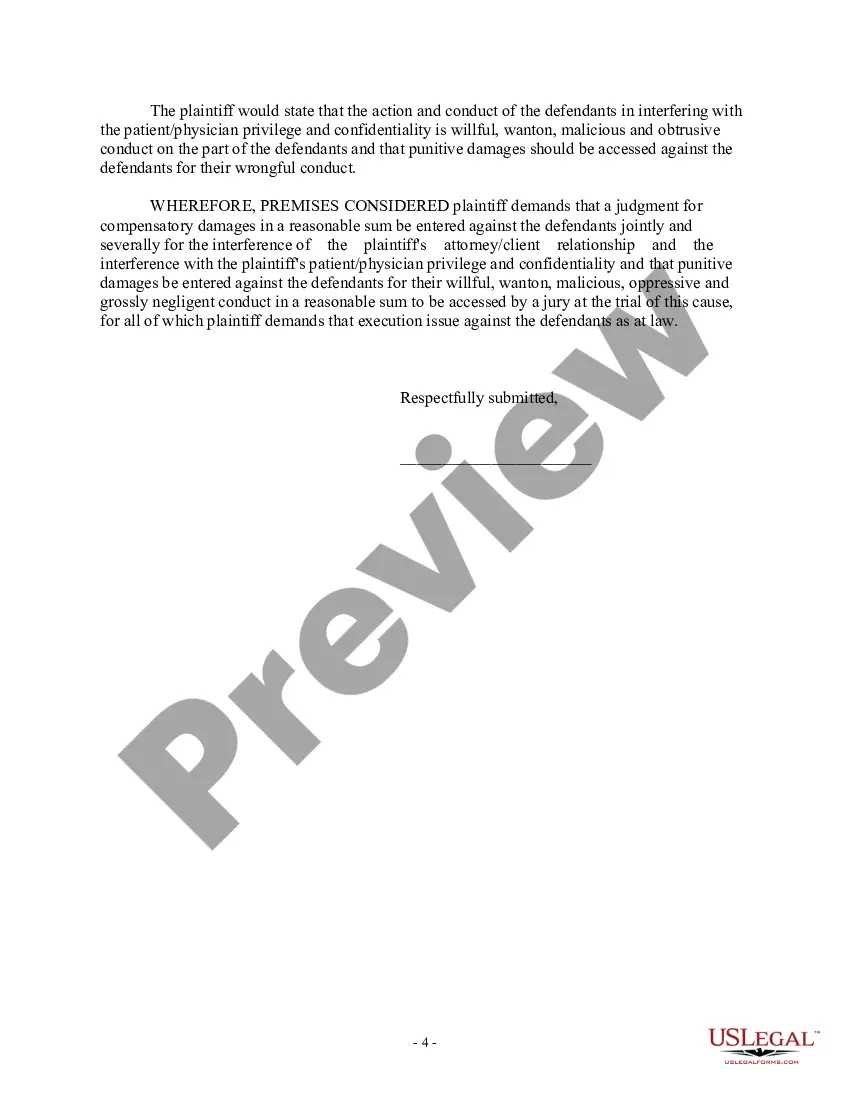

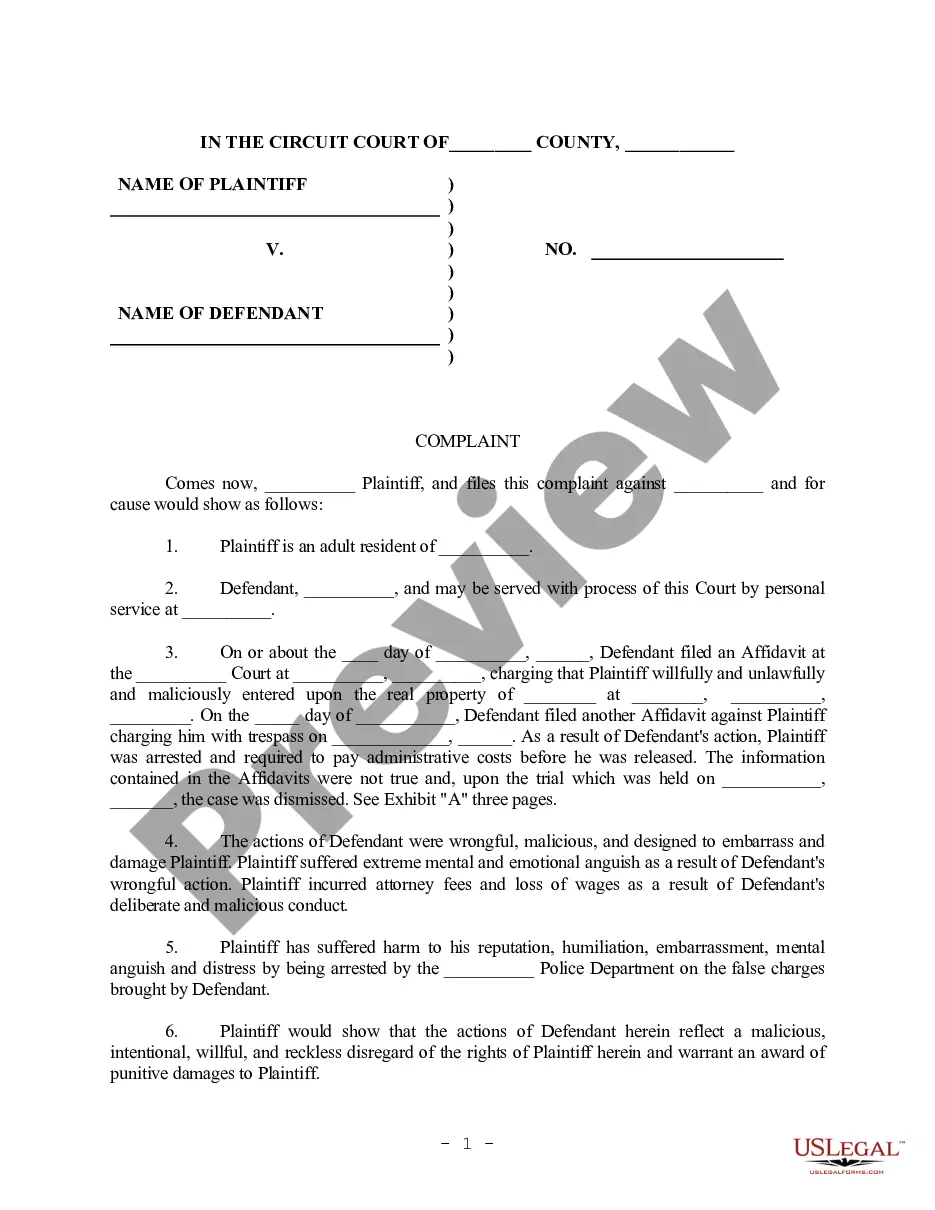

Get your form ready online
Our built-in tools help you complete, sign, share, and store your documents in one place.
Make edits, fill in missing information, and update formatting in US Legal Forms—just like you would in MS Word.
Download a copy, print it, send it by email, or mail it via USPS—whatever works best for your next step.
Sign and collect signatures with our SignNow integration. Send to multiple recipients, set reminders, and more. Go Premium to unlock E-Sign.
If this form requires notarization, complete it online through a secure video call—no need to meet a notary in person or wait for an appointment.
We protect your documents and personal data by following strict security and privacy standards.

Make edits, fill in missing information, and update formatting in US Legal Forms—just like you would in MS Word.

Download a copy, print it, send it by email, or mail it via USPS—whatever works best for your next step.

Sign and collect signatures with our SignNow integration. Send to multiple recipients, set reminders, and more. Go Premium to unlock E-Sign.

If this form requires notarization, complete it online through a secure video call—no need to meet a notary in person or wait for an appointment.

We protect your documents and personal data by following strict security and privacy standards.
Looking for another form?








Form popularity
FAQ
A: Firstly, the privilege requires that three things exist: 1) an attorney (including his whole office and staff) and a client; 2) a private communication; 3) the purpose of providing legal advice. Once you have those three things, the privilege covers everything and is construed very broadly.
The attorney-client privilege does not apply to every communication with an attorney. For the privilege to exist, the communication must be to, from, or with an attorney, and intended to be confidential. In addition, the communication must be for the purpose of requesting or receiving legal advice.
The elements required to establish the attorney-client privilege are as follows: a communication; made between privileged persons; in confidence; and. for the purpose of seeking, obtaining, or providing legal assistance to the client.
The privilege extends only to communications that the client intends to be confidential. Communications made in non-private settings, or in the presence of third persons unnecessary to accomplish the purpose for which the attorney was consulted, are not confidential and therefore are not protected by the privilege.
The attorney-client privilege applies to communications “to whom disclosure is reasonably necessary for the transmission of the information or the accomplishment of the purpose for which the lawyer is consulted.” Cal. Evid. Code § 952. This includes communications to an expert consultant.
Although the precise definition of attorney–client privilege varies among state and federal courts, there are four basic elements to establish attorney–client privilege: (i) a communication; (ii) made between counsel and client; (iii) in confidence; (iv) for the purpose of seeking, obtaining or providing legal ...
The attorney-client privilege in the United States is often defined by reference to the “5 Cs:” (1) a Communication (2) made in Confidence (3) between a Client (4) and Counsel (5) for the purpose of seeking or providing legal Counsel or advice.
There are two major exceptions to the lawyer-client privilege under the California Evidence Code, as discussed below. 2.1. Crime or fraud. 2.2. Preventing death or substantial physical harm.
To be safe put "Attorney-Client Communication", "Privileged and Confidential" or "Attorney Work Product" in the subject of the e-mail, or on privileged documents.