Lawyer With Client In Florida
Description


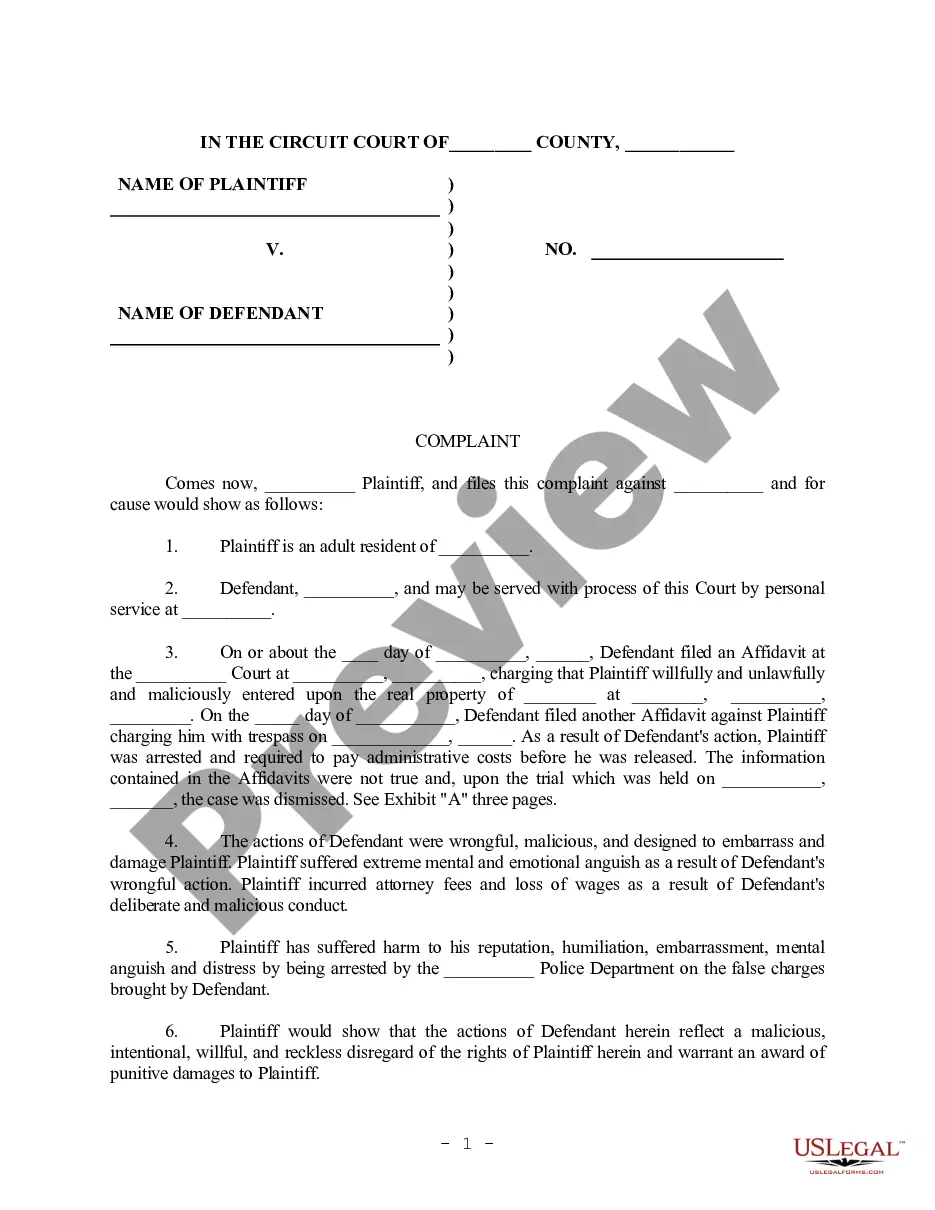
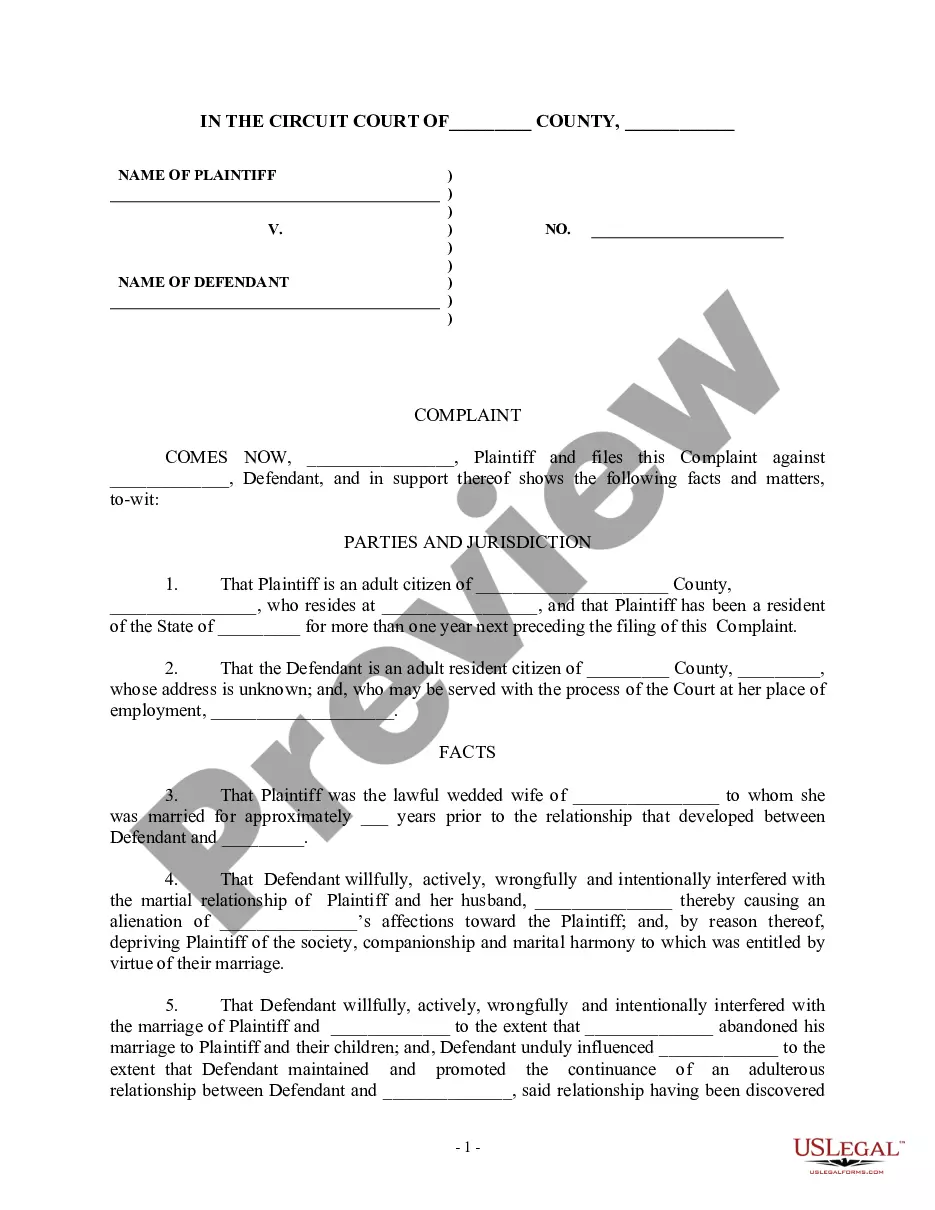

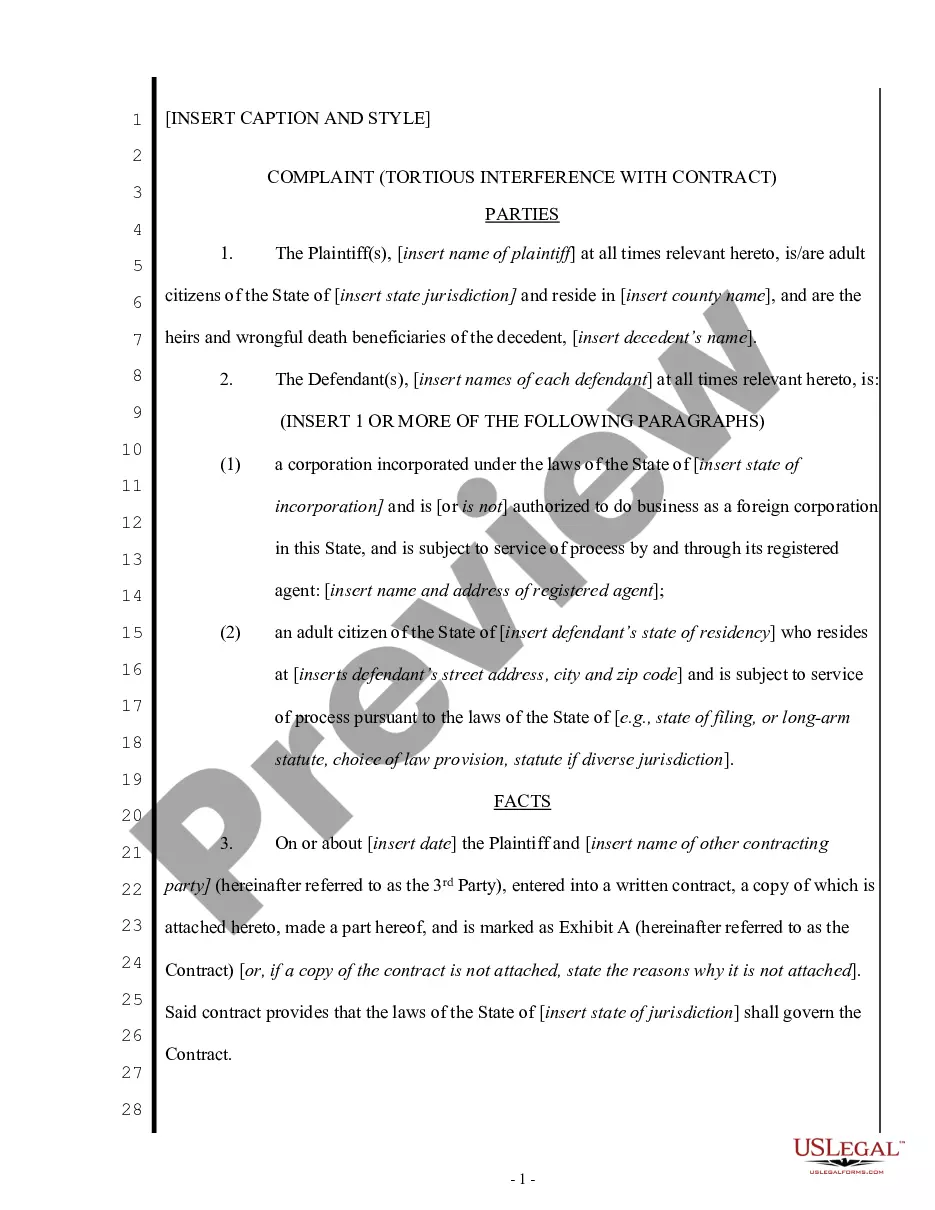
Get your form ready online
Our built-in tools help you complete, sign, share, and store your documents in one place.
Make edits, fill in missing information, and update formatting in US Legal Forms—just like you would in MS Word.
Download a copy, print it, send it by email, or mail it via USPS—whatever works best for your next step.
Sign and collect signatures with our SignNow integration. Send to multiple recipients, set reminders, and more. Go Premium to unlock E-Sign.
If this form requires notarization, complete it online through a secure video call—no need to meet a notary in person or wait for an appointment.
We protect your documents and personal data by following strict security and privacy standards.

Make edits, fill in missing information, and update formatting in US Legal Forms—just like you would in MS Word.

Download a copy, print it, send it by email, or mail it via USPS—whatever works best for your next step.

Sign and collect signatures with our SignNow integration. Send to multiple recipients, set reminders, and more. Go Premium to unlock E-Sign.

If this form requires notarization, complete it online through a secure video call—no need to meet a notary in person or wait for an appointment.

We protect your documents and personal data by following strict security and privacy standards.
Looking for another form?






Form popularity
FAQ
Effective communication with clients: 10 golden rules to follow Respond quickly. Respond always. Let the client speak. Ask questions. Be empathetic but know your principles. Educate the client. Talk in a language that the client understands. Structure your sentences right. Double-check everything.
First time speaking to a lawyer? Let's make this easy, start with “hello.” There is no such thing as a quick question. Collect your thoughts, find the time, and find the place to have the conversation. Let the lawyer lead the conversation and ask the questions. Patience.
The working group's professionalism proposal, Rule 1.279: Standards of Conduct for Discovery, cautions against “surprise tactics, delay, trickery, and concealment of discoverable information” and reminds attorneys that “not meeting discovery obligations by delay, obstructing the truth, or failing to be candid with the ...
Speak clearly and concisely. Avoid rambling or using overly complex language. Get to the point quickly and articulate your arguments and facts clearly. Be respectful and professional in your tone. Maintain a calm, composed demeanor even when challenged. Avoid emotional outbursts or confrontational language.
(d) Stipulations. No private agreement or consent between parties or their attorneys concerning the practice or procedure in an action shall be of any force unless the evidence of it is in writing, subscribed by the party or the party's attorney against whom it is alleged.
In the initial interview between client and lawyer, lawyers ask questions about the client, their case, and their expectations. At this stage, lawyers may ask clients to walk them through the case and to lay out their goals and expectations for the matter's ideal outcome, budget, and communication style and frequency.
Listen, listen, listen They ask questions. If you ask questions, your client will know that you've heard them, you understand them, and you're asking for more information. They're supportive. Each time you interact with your clients, make it a positive experience for them. They're cooperative. They make suggestions.
Usually, 30-45 days is considered reasonable unless there is pending litigation and the client needs the file transfered to another attorney. Then the time limit can be much shorter--as little as 5 days in one case. If your attorney is dragging his/her feet, you should consider filing a complaint with the CA Bar.
Bar Rule 4-3.4(h) prohibits an attorney from presenting, participating in presenting, or threatening to present disciplinary charges under the Rules Regulating the Florida Bar to obtain an advantage in a civil matter.
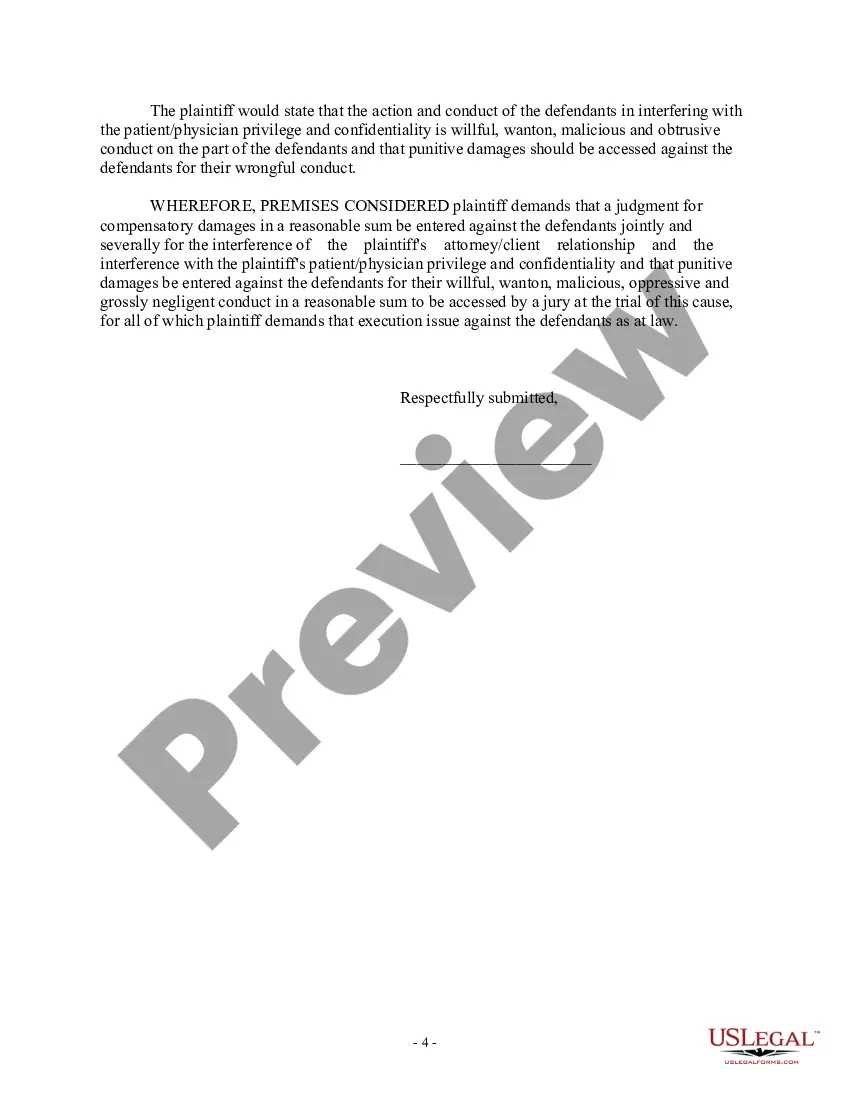
Rule 4-4.2, Rules of Professional Conduct, provides that, in representing a client, a lawyer cannot communicate with a person the lawyer knows to be represented by another lawyer in the matter unless the other lawyer gives consent.