Attorney Client Privilege For Consultants In California
Description

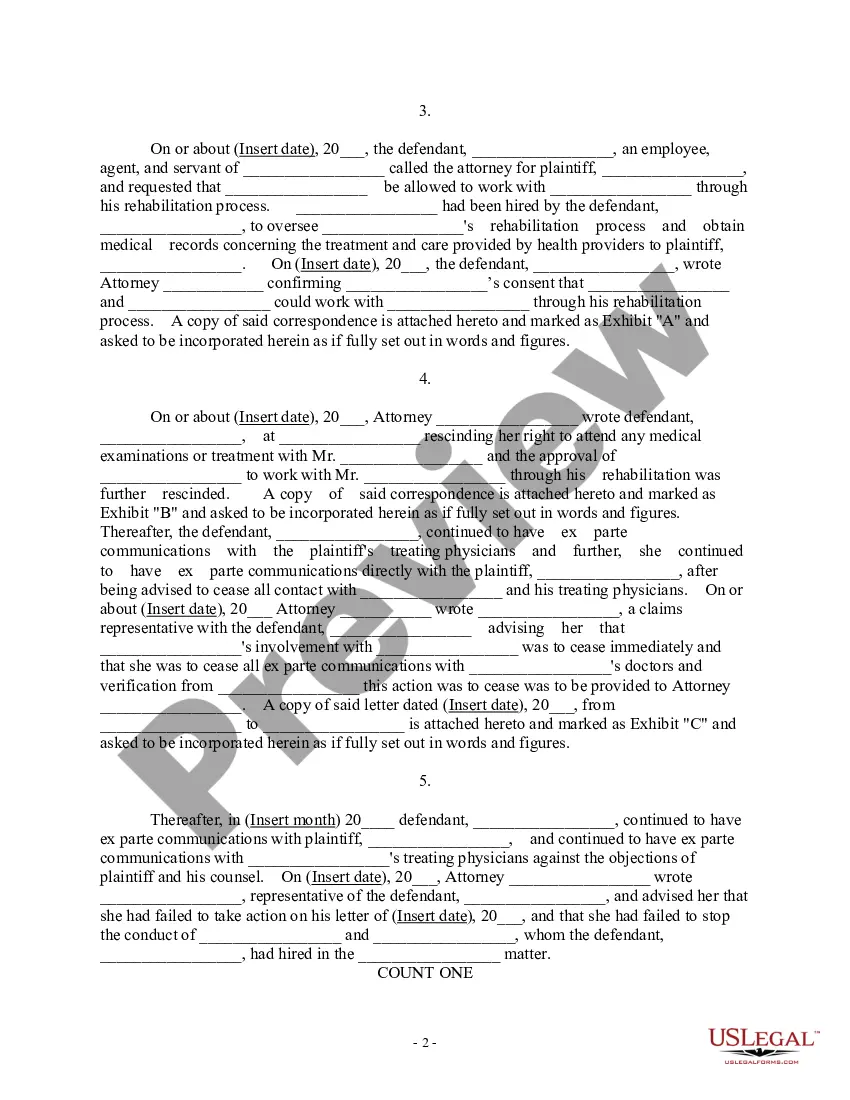
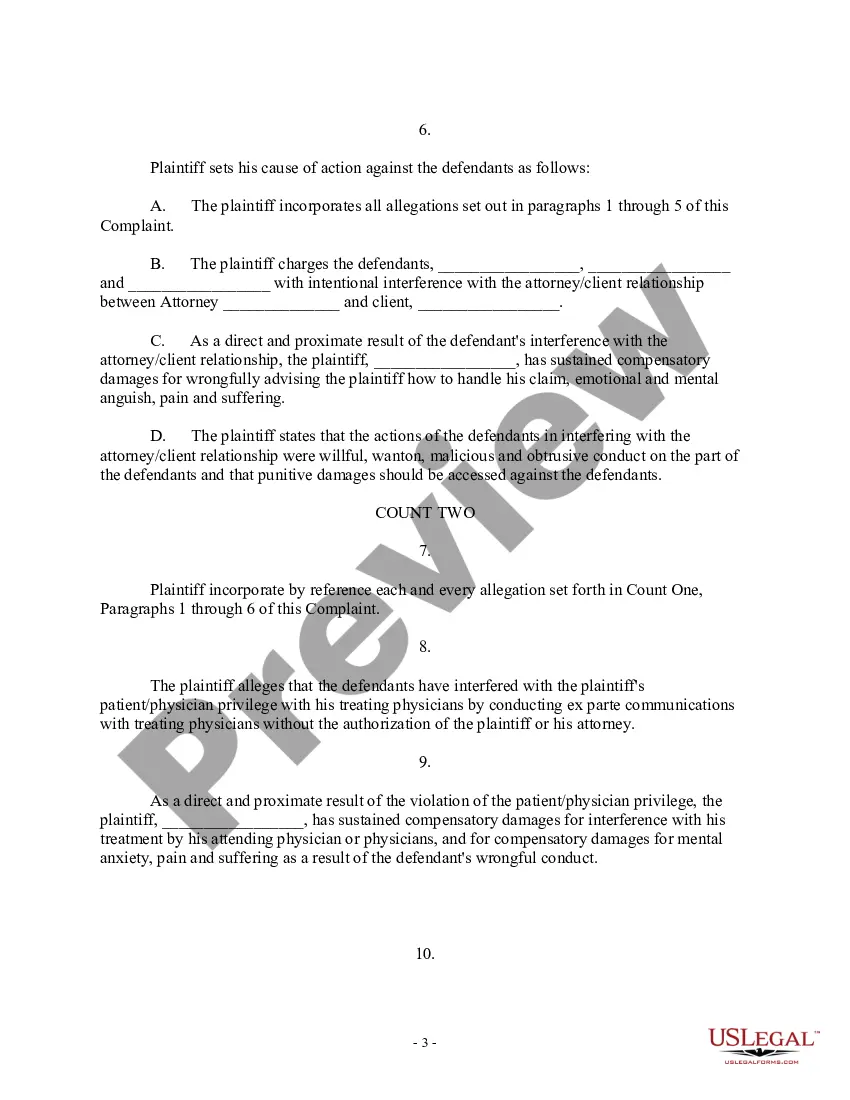
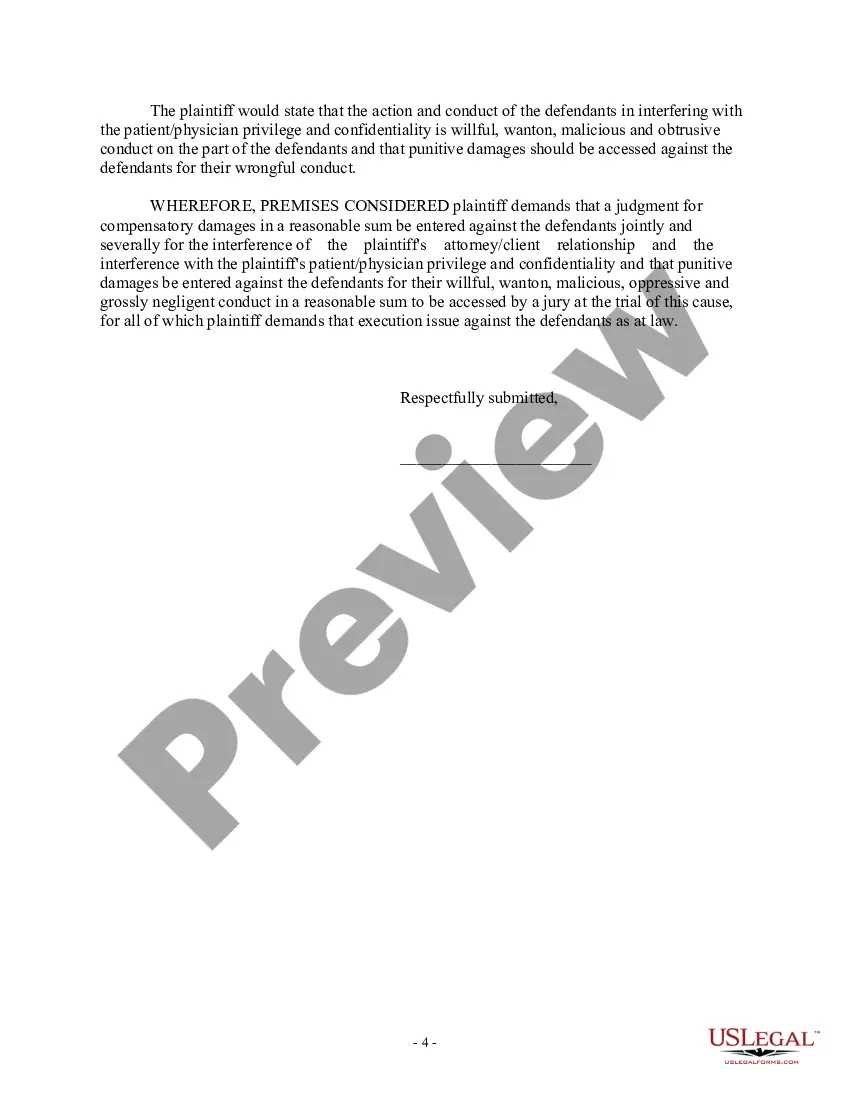

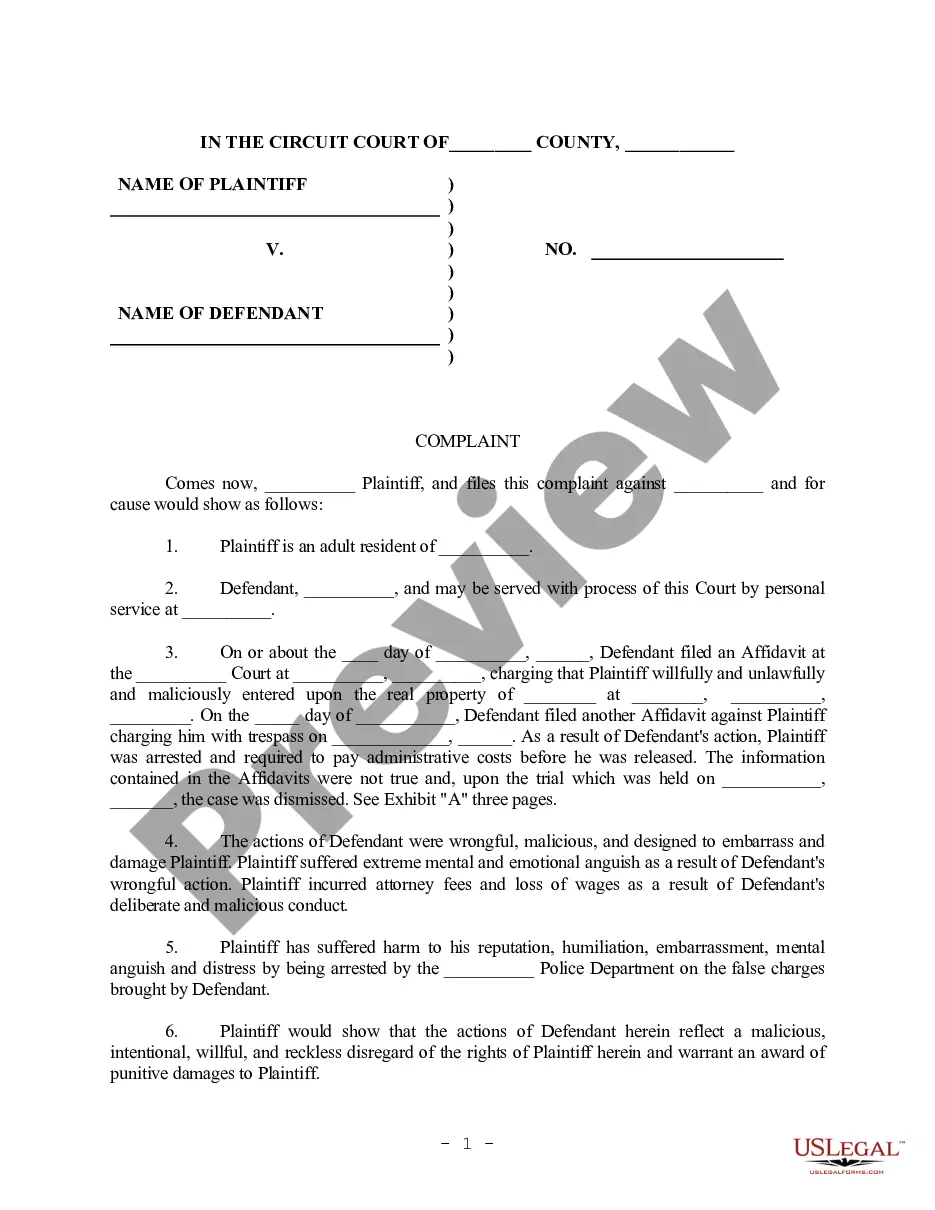


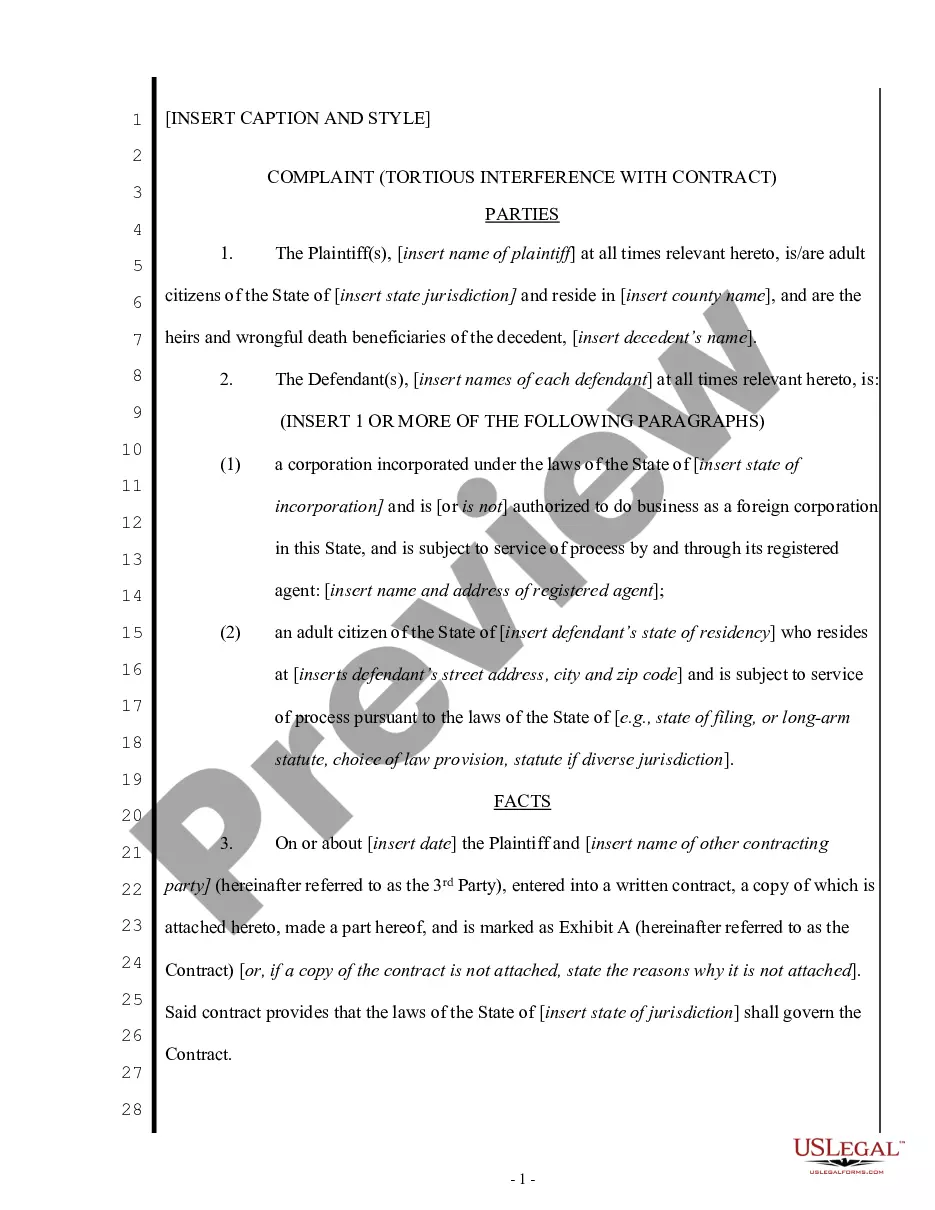
Get your form ready online
Our built-in tools help you complete, sign, share, and store your documents in one place.
Make edits, fill in missing information, and update formatting in US Legal Forms—just like you would in MS Word.
Download a copy, print it, send it by email, or mail it via USPS—whatever works best for your next step.
Sign and collect signatures with our SignNow integration. Send to multiple recipients, set reminders, and more. Go Premium to unlock E-Sign.
If this form requires notarization, complete it online through a secure video call—no need to meet a notary in person or wait for an appointment.
We protect your documents and personal data by following strict security and privacy standards.

Make edits, fill in missing information, and update formatting in US Legal Forms—just like you would in MS Word.

Download a copy, print it, send it by email, or mail it via USPS—whatever works best for your next step.

Sign and collect signatures with our SignNow integration. Send to multiple recipients, set reminders, and more. Go Premium to unlock E-Sign.

If this form requires notarization, complete it online through a secure video call—no need to meet a notary in person or wait for an appointment.

We protect your documents and personal data by following strict security and privacy standards.
Looking for another form?



Form popularity
FAQ
Rule of Professional Conduct 1.15(a) mandates that all funds received or held by a lawyer or law firm for the benefit of a client, or any other person to whom the lawyer owes a legal duty, must be deposited in one or more identifiable bank accounts labeled "Trust Account." These accounts must be maintained in ...
Unless otherwise ordered or specifically provided by law, all pretrial motions, accompanied by a memorandum, must be served and filed at least 10 court days, all papers opposing the motion at least 5 court days, and all reply papers at least 2 court days before the time appointed for hearing.
Rule 1.16 Declining or Terminating Representation (c) If permission for termination of a representation is required by the rules of a tribunal, a lawyer shall not terminate a representation before that tribunal without its permission.
Paragraph (c) provides that a lawyer is barred from representing a client with interests adverse to those of the prospective client in the same or substantially-related matter if the lawyer received material confidential information from the prospective client which is material to the matter.
Soliciting business directly in person or by live telephone contact is prohibited unless the recipient qualifies as an exception. Real-Time Electronic Contacts: Directly contacting prospective clients via social media messaging or chat functions is likewise forbidden under Rule 7.3(a).
(a) A lawyer employed or retained by an organization shall conform his or her representation to the concept that the client is the organization itself, acting through its duly authorized directors, officers, employees, members, shareholders, or other constituents overseeing the particular engagement.
California Code, Evidence Code - EVID § 950. As used in this article, “lawyer” means a person authorized, or reasonably believed by the client to be authorized, to practice law in any state or nation. Read this complete California Code, Evidence Code - EVID § 950 on Westlaw.
Evidence Code 954 Explained Your attorney is required by law to refuse to divulge the contents of client communications if anyone asks them to, citing "attorney-client privilege:" You have the right to forbid your attorney (along with any relevant third parties) from disclosing information designated as confidential.
Solicitation in California is typically charged as a misdemeanor. A first-time offense is punishable by: custody in county jail for six months, and/or. a maximum fine of $1,000.