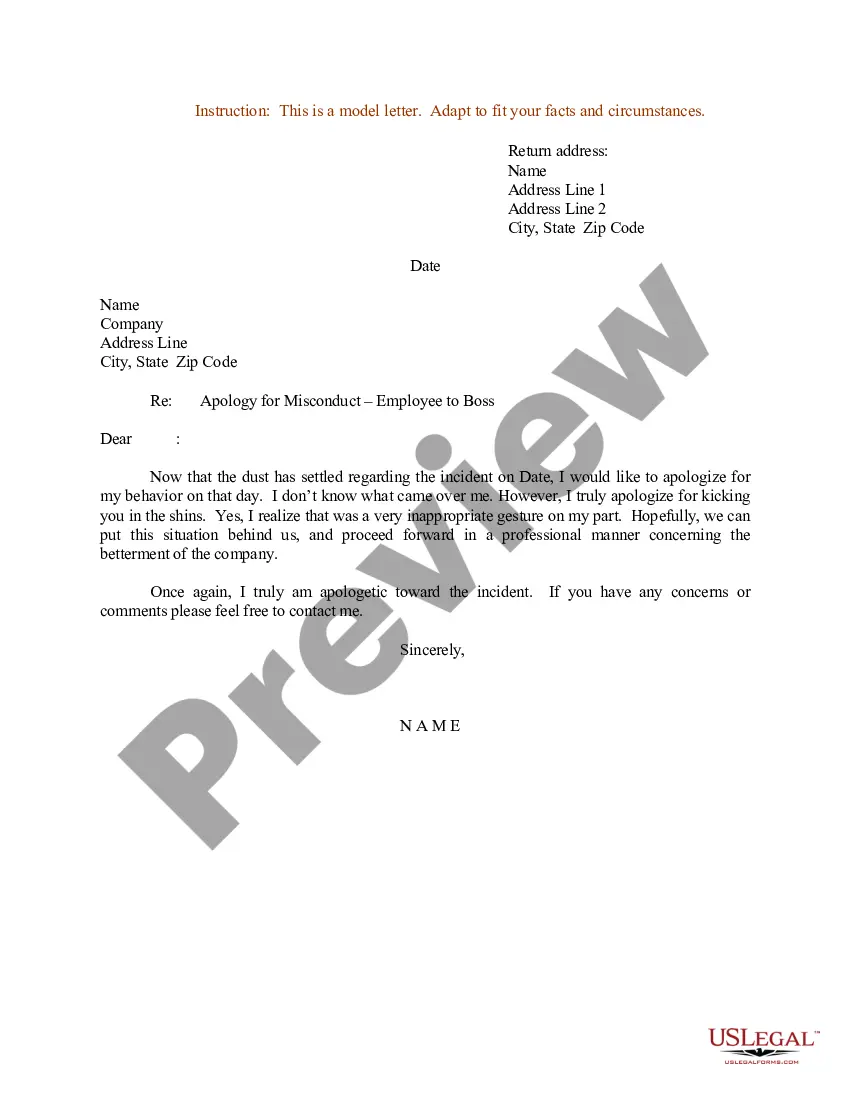
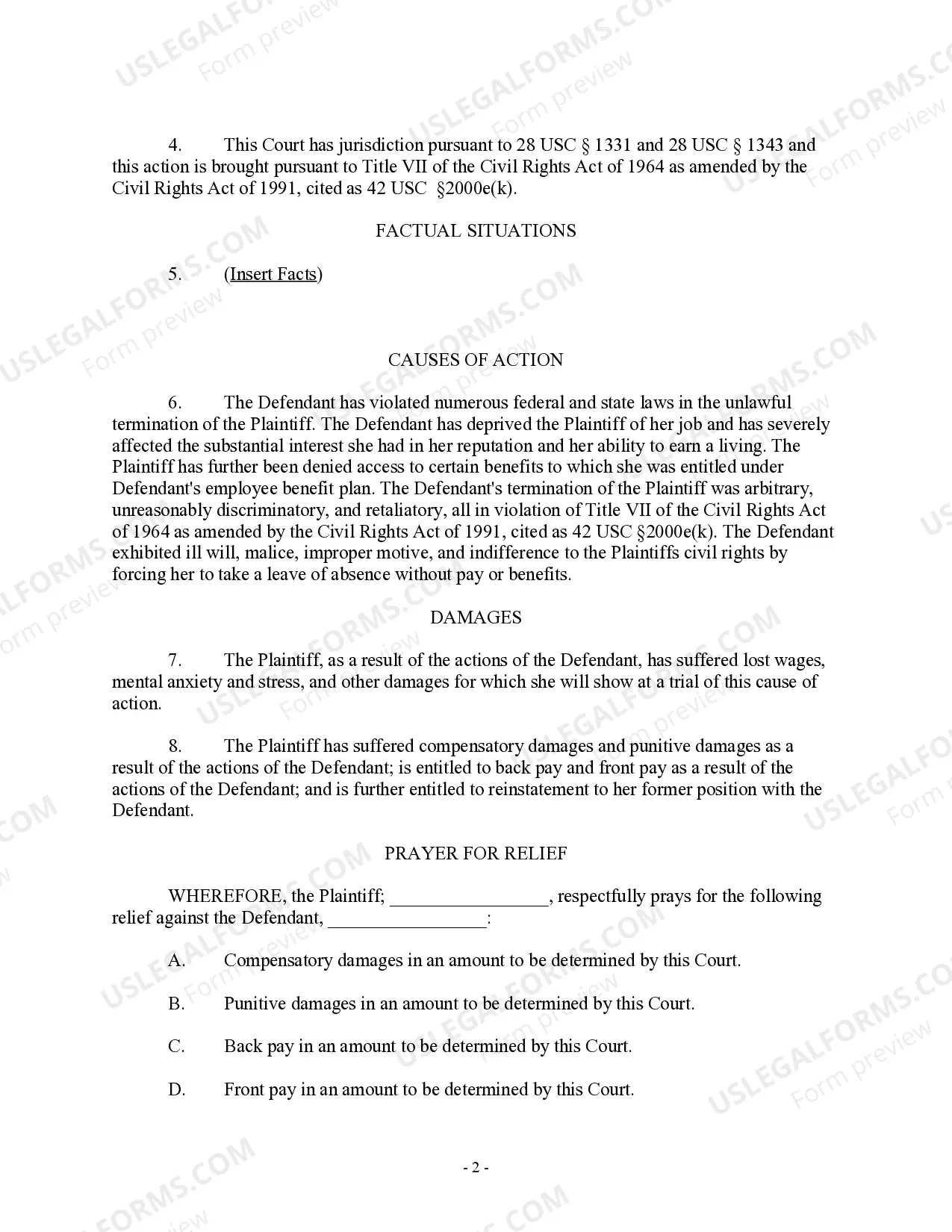
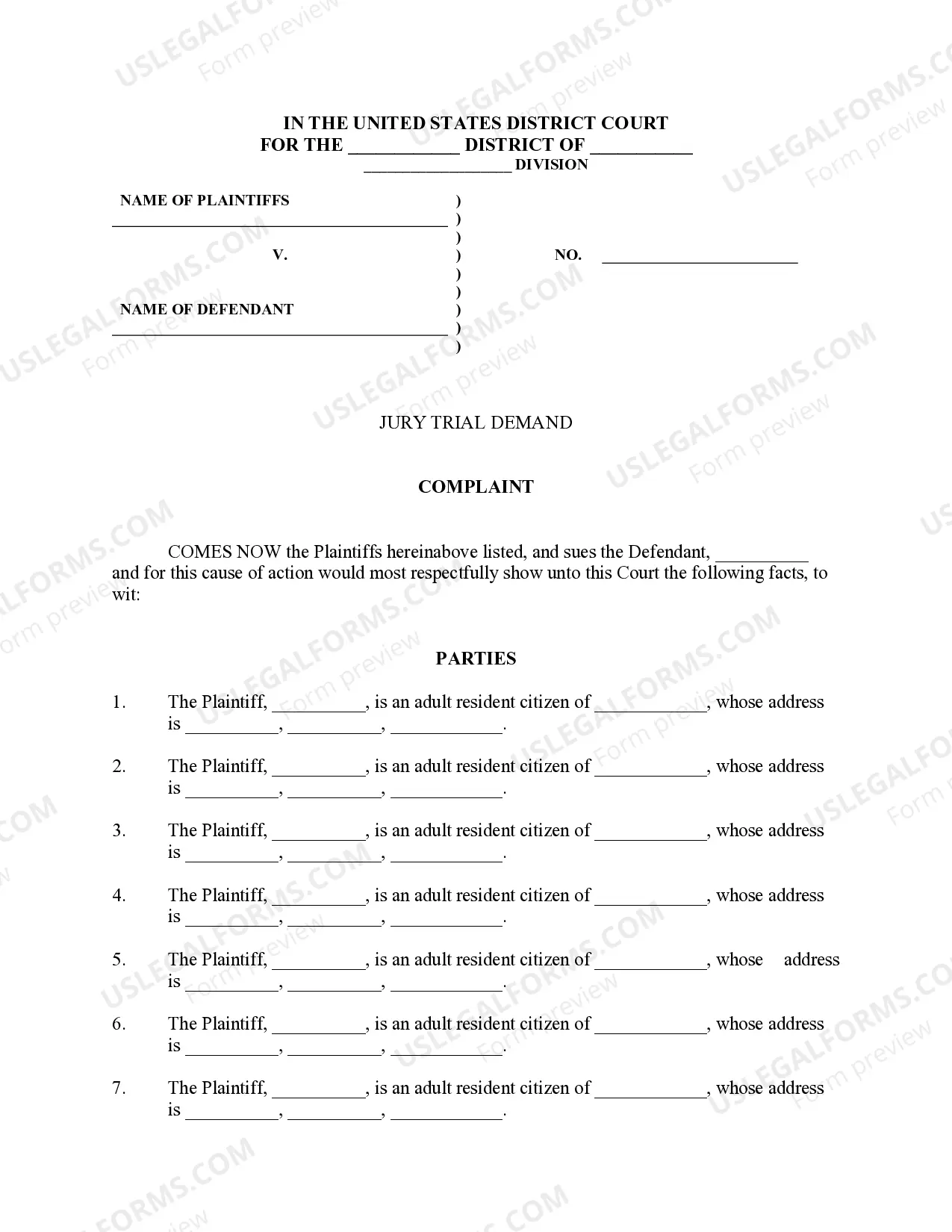
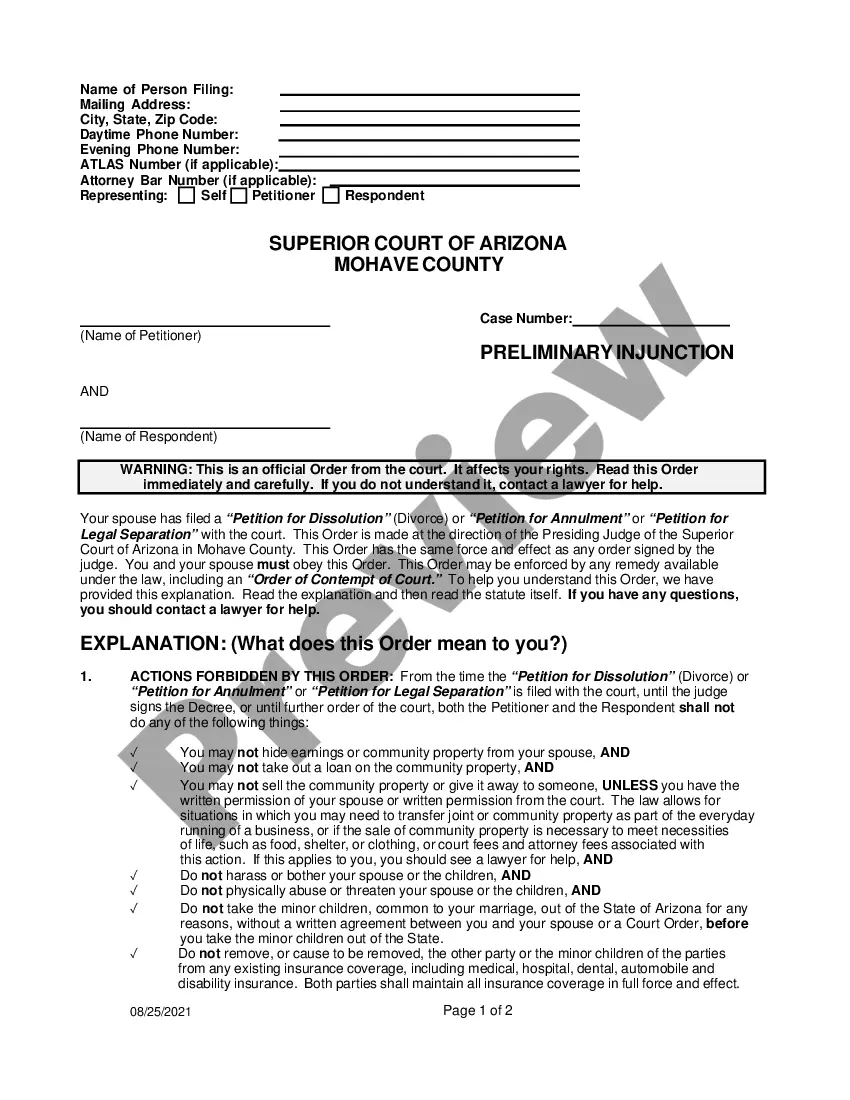
This is a multi-state form covering the subject matter of the title.
Rights Pregnancy Discrimination Without Discrimination In Wayne
State:
Multi-State
Category:
County:
Wayne
Control #:
US-000291
Format:
Word;
Rich Text
99 downloads
Description
Free preview





Get your form ready online
Our built-in tools help you complete, sign, share, and store your documents in one place.
Built-in online Word editor
Make edits, fill in missing information, and update formatting in US Legal Forms—just like you would in MS Word.
Export easily
Download a copy, print it, send it by email, or mail it via USPS—whatever works best for your next step.
E-sign your document
Sign and collect signatures with our SignNow integration. Send to multiple recipients, set reminders, and more. Go Premium to unlock E-Sign.
Notarize online 24/7
If this form requires notarization, complete it online through a secure video call—no need to meet a notary in person or wait for an appointment.
Store your document securely
We protect your documents and personal data by following strict security and privacy standards.

Make edits, fill in missing information, and update formatting in US Legal Forms—just like you would in MS Word.

Download a copy, print it, send it by email, or mail it via USPS—whatever works best for your next step.

Sign and collect signatures with our SignNow integration. Send to multiple recipients, set reminders, and more. Go Premium to unlock E-Sign.

If this form requires notarization, complete it online through a secure video call—no need to meet a notary in person or wait for an appointment.

We protect your documents and personal data by following strict security and privacy standards.
Looking for another form?









Form popularity
FAQ
Among adults in each of four large racial and ethnic categories – White, Black, Hispanic and Asian Americans – about three-quarters or more say that Black, Hispanic and Asian people face at least some discrimination in our society today.
The Pregnant Workers Fairness Act dictates that employers must provide reasonable accommodations and prevent undue hardship for pregnant workers, including quiet and comfortable breastfeeding rooms.
Most pregnancies progress without incident. But approximately 8 percent of all pregnancies involve complications that, if left untreated, may harm the mother or the baby. While some complications relate to health problems that existed before pregnancy, others occur unexpectedly and are unavoidable.
A 2022 survey found that 1 in 5 mothers reported experiencing pregnancy discrimination at work. Gillian Thomas, senior staff attorney for the ACLU Women's Rights Project, joins John Yang to discuss.
There is no one-size-fits-all answer to how much you can sue for pregnancy discrimination, as each case depends on its unique circumstances. Damages can range from thousands to millions of dollars, depending on factors like financial losses, emotional impact, and the severity of the employer's conduct.
'Pregnancy and maternity' is one of 9 'protected characteristics' covered by discrimination law (Equality Act 2010). Pregnancy and maternity discrimination includes direct discrimination and victimisation. Discrimination can happen in any area of work.
Unwanted touching, commonly of a pregnant woman's stomach. Resentful comments about a woman's pregnancy. Negative comments about the impact of a woman's impending maternity leave on the workplace, or the fact that she has been pregnant more than once while working at the same job.
To successfully win a pregnancy discrimination claim, an employee must provide evidence showing that her pregnancy was a substantial motivating reason for an adverse employment (such as a demotion, a write up and, of course, a termination) and that other employees in similar situations were treated differently.