This is a multi-state form covering the subject matter of the title.
Jury Trial For Civil Cases In Wayne
Category:
State:
Multi-State
County:
Wayne
Control #:
US-000291
Format:
Word;
Rich Text
Instant download
Description
Free preview

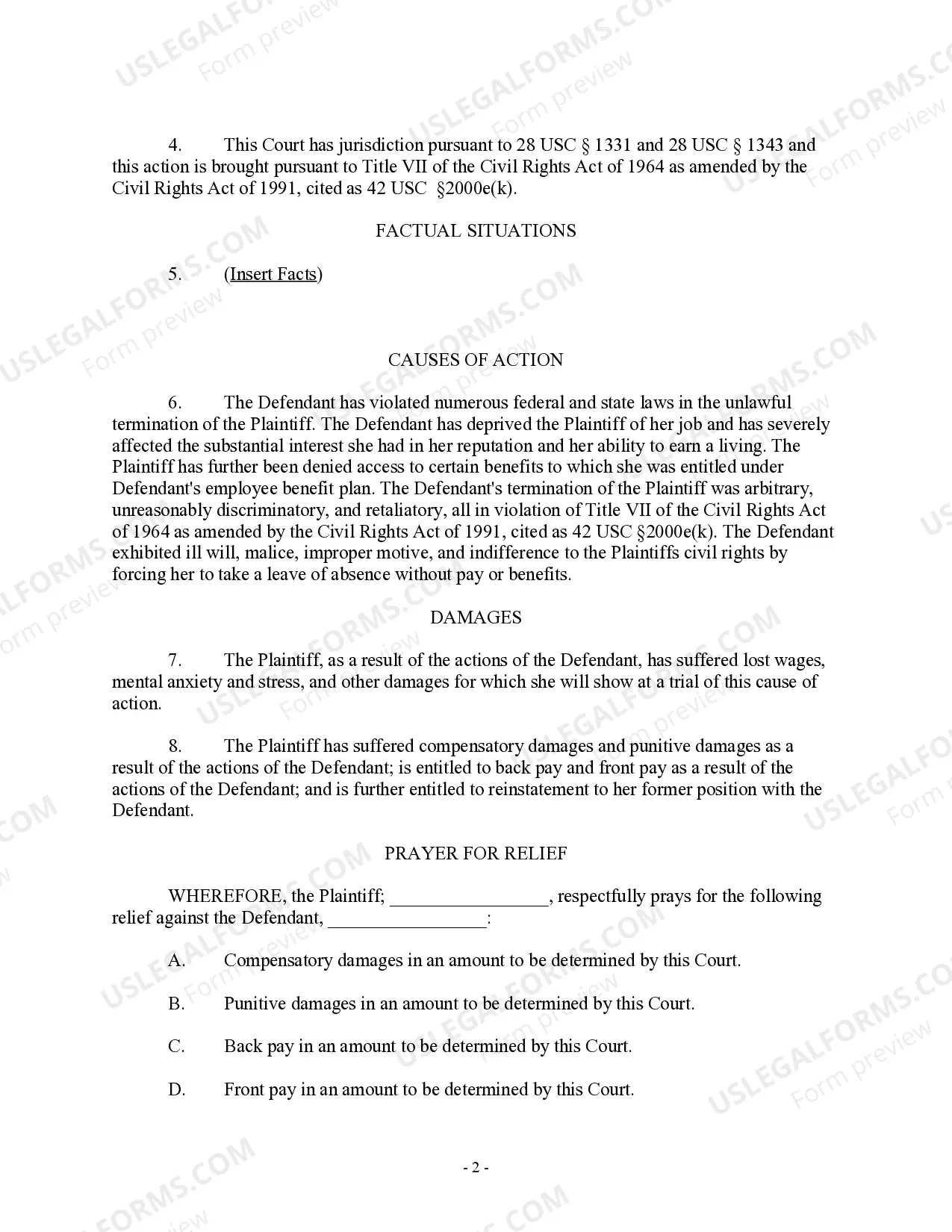




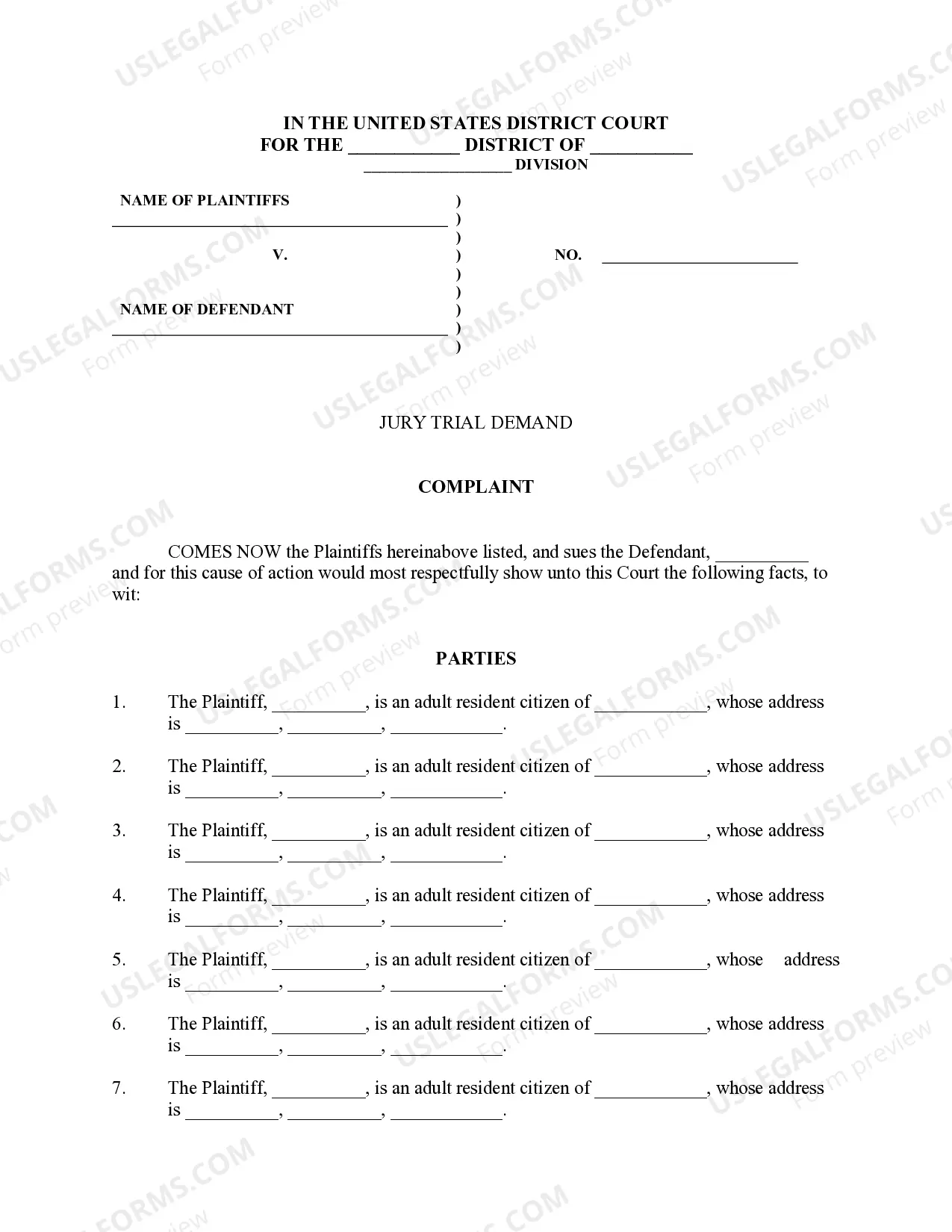
Get your form ready online
Our built-in tools help you complete, sign, share, and store your documents in one place.
Built-in online Word editor
Make edits, fill in missing information, and update formatting in US Legal Forms—just like you would in MS Word.
Export easily
Download a copy, print it, send it by email, or mail it via USPS—whatever works best for your next step.
E-sign your document
Sign and collect signatures with our SignNow integration. Send to multiple recipients, set reminders, and more. Go Premium to unlock E-Sign.
Notarize online 24/7
If this form requires notarization, complete it online through a secure video call—no need to meet a notary in person or wait for an appointment.
Store your document securely
We protect your documents and personal data by following strict security and privacy standards.

Make edits, fill in missing information, and update formatting in US Legal Forms—just like you would in MS Word.

Download a copy, print it, send it by email, or mail it via USPS—whatever works best for your next step.

Sign and collect signatures with our SignNow integration. Send to multiple recipients, set reminders, and more. Go Premium to unlock E-Sign.

If this form requires notarization, complete it online through a secure video call—no need to meet a notary in person or wait for an appointment.

We protect your documents and personal data by following strict security and privacy standards.
Looking for another form?
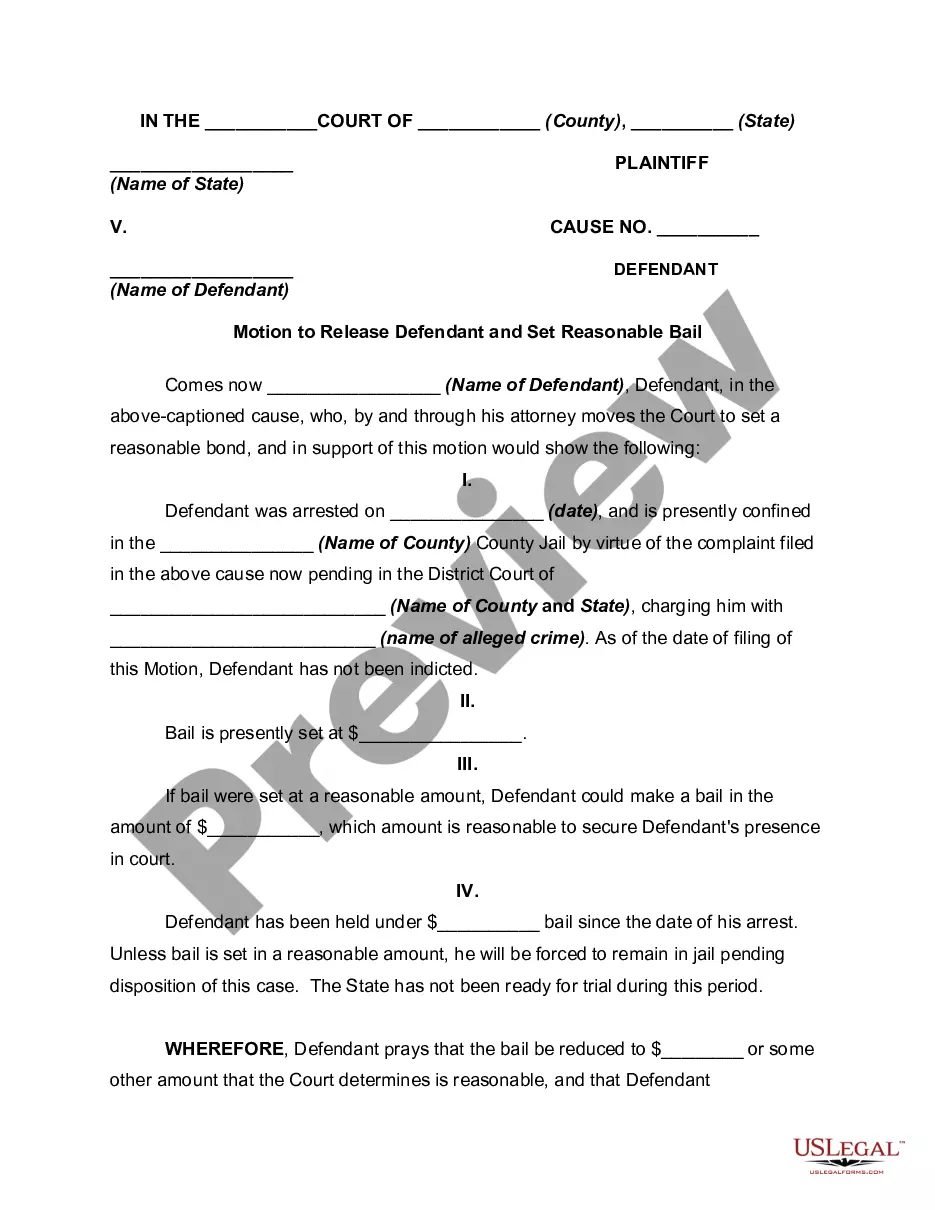




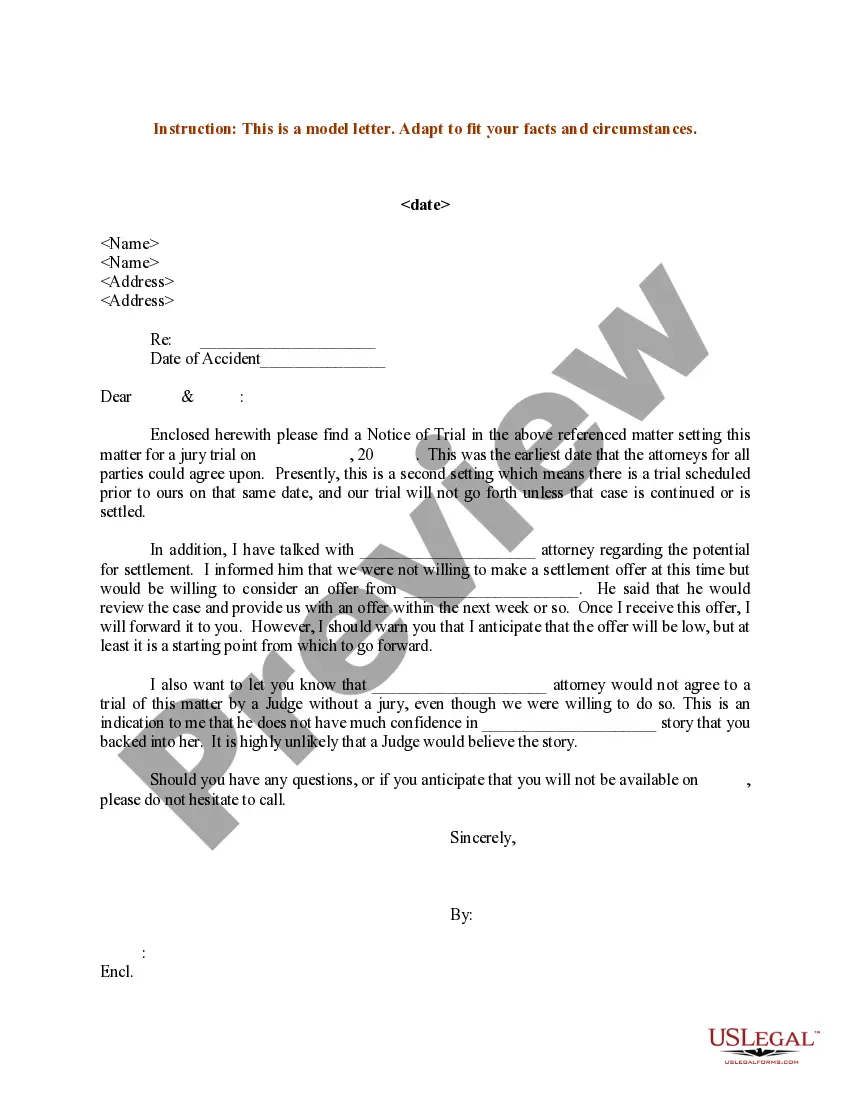




Form popularity
FAQ
Most civil lawsuits can be divided broadly into these stages: Pre-filing stage. During this stage, the dispute arises and the parties gather information, try to negotiate a resolution, and prepare for the possibility of a court case. Pleading stage. Discovery stage. Pre-trial stage. Trial Stage. Post-trial stage.
Most civil lawsuits can be divided broadly into these stages: Pre-filing stage. During this stage, the dispute arises and the parties gather information, try to negotiate a resolution, and prepare for the possibility of a court case. Pleading stage. Discovery stage. Pre-trial stage. Trial Stage. Post-trial stage.
The Seventh Amendment provides as follows: “In Suits at common law, where the value in controversy shall exceed twenty dollars, the right of trial by jury shall be preserved, and no fact tried by a jury, shall be otherwise re-examined in any Court of the United States, than ing to the rules of the common law.”
Broadly speaking, civil procedure consists of the rules by which courts conduct civil trials. "Civil trials" concern the judicial resolution of claims by one individual or class against another and are to be distinguished from "criminal trials," in which the state prosecutes an individual for violation of criminal law.
With our guidance, you'll have the knowledge and confidence to take on your case and come out on top. Filing the Complaint. The first step in civil litigation is drafting and filing your complaint. Pretrial Procedures. Settlement Negotiations. Trial Preparation. Trial. Closing Arguments. Verdict and Post-Trial Procedures.
The Legal Process In The United States: A Civil Case The Basics. There are two types of lawsuits: civil and criminal. Pleadings/Filing The Complaint. Filing the “complaint” is what begins a lawsuit. Scheduling Order. Preliminary Injunction. Motion to Dismiss. Motion for Summary Judgment. Mediation. Hearing.
In civil trials, both the plaintiff and the defendant have the constitutional right to a jury trial. Civil juries consist of no fewer than six and no more than 12 members, not including alternate jurors. All verdicts must be unanimous, unless the parties agree otherwise – an option not available in criminal cases.
Constitutional Amendments – Amendment 7 – “The Right to Jury Trial in Civil Affairs” Amendment Seven to the Constitution was ratified on December 15, 1791. It protects the right for citizens to have a jury trial in federal courts with civil cases where the claim exceeds a certain dollar value.