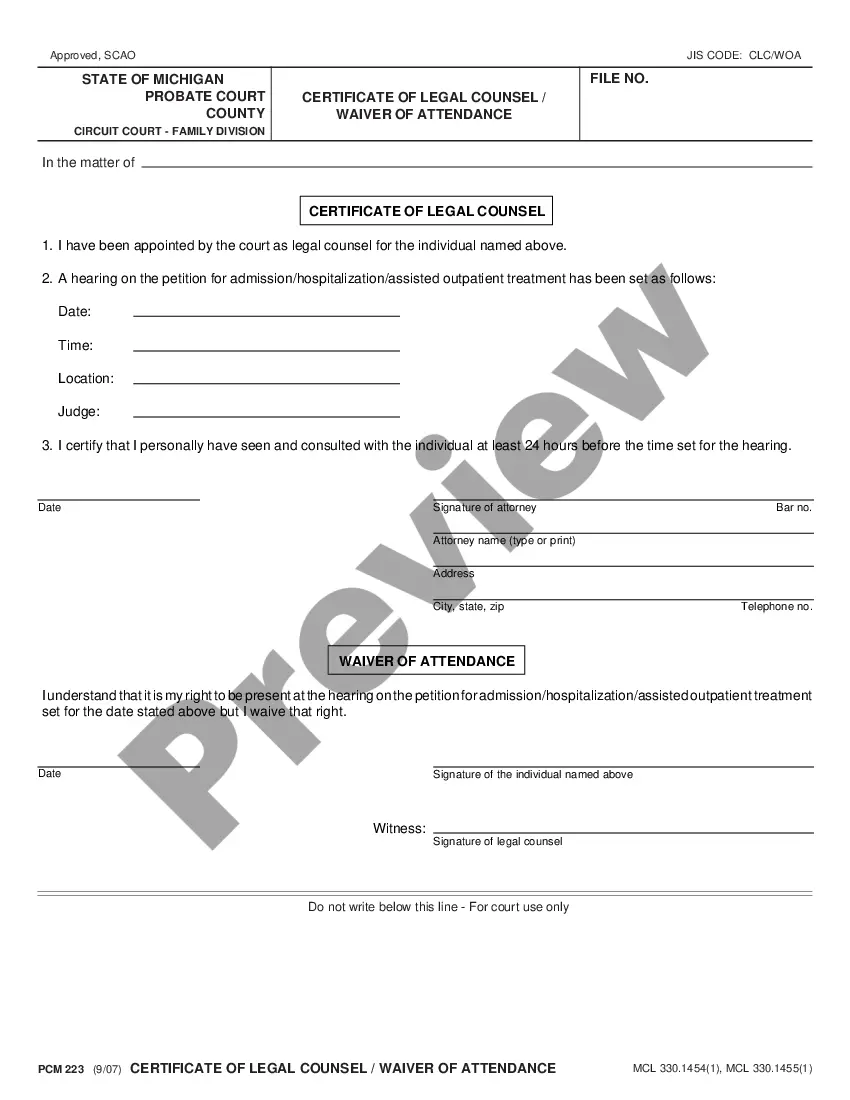
This is a multi-state form covering the subject matter of the title.
Civil Trial With Jury In Suffolk
Category:
State:
Multi-State
County:
Suffolk
Control #:
US-000291
Format:
Word;
Rich Text
Instant download
Description
Free preview





Get your form ready online
Our built-in tools help you complete, sign, share, and store your documents in one place.
Built-in online Word editor
Make edits, fill in missing information, and update formatting in US Legal Forms—just like you would in MS Word.
Export easily
Download a copy, print it, send it by email, or mail it via USPS—whatever works best for your next step.
E-sign your document
Sign and collect signatures with our SignNow integration. Send to multiple recipients, set reminders, and more. Go Premium to unlock E-Sign.
Notarize online 24/7
If this form requires notarization, complete it online through a secure video call—no need to meet a notary in person or wait for an appointment.
Store your document securely
We protect your documents and personal data by following strict security and privacy standards.

Make edits, fill in missing information, and update formatting in US Legal Forms—just like you would in MS Word.

Download a copy, print it, send it by email, or mail it via USPS—whatever works best for your next step.

Sign and collect signatures with our SignNow integration. Send to multiple recipients, set reminders, and more. Go Premium to unlock E-Sign.

If this form requires notarization, complete it online through a secure video call—no need to meet a notary in person or wait for an appointment.

We protect your documents and personal data by following strict security and privacy standards.
Looking for another form?



Form popularity
FAQ
Summary juries shall consist of no less than six jurors and one alternate unless the parties stipulate to fewer jurors. The Court shall allow each side two peremptory challenges. 10. Time Limits: Each side shall be entitled to a ten minute opening and closing and one hour for presentation of their case.
A jury decides the facts of a case in ance with principles of the law as explained by a judge. Jurors listen to testimony, review evidence, and render decisions in civil and criminal trials. Most U.S. citizens who are 18 or older may serve on a federal jury.
A summary jury trial is an abbreviated trial before me, the judge, and you, the jury. Counsel in this case have prepared and will present to you a summary of their cases. Upon its conclusion, after I have charged you on the law, you will render a verdict in regard to the matters before you.
Summary trials are appropriate in cases where the Court is able to determine the facts of the case through written documents only and there is no need to fully present evidence through the testimony and cross-examination of witnesses. An application strike is a “chambers proceedings”.
The same rules apply to trial jury and to grand jury service. Who must report? There are no automatic exemptions or excuses from jury service in New York State. Everyone who is eligible must serve.
Juries for civil cases in New York are comprised of six jurors, five of which must agree for a verdict to be rendered. There are pros and cons to having a jury decide your civil case. Jurors tend to be less experienced and more emotional than judges, which can both positively and negatively affect a case.