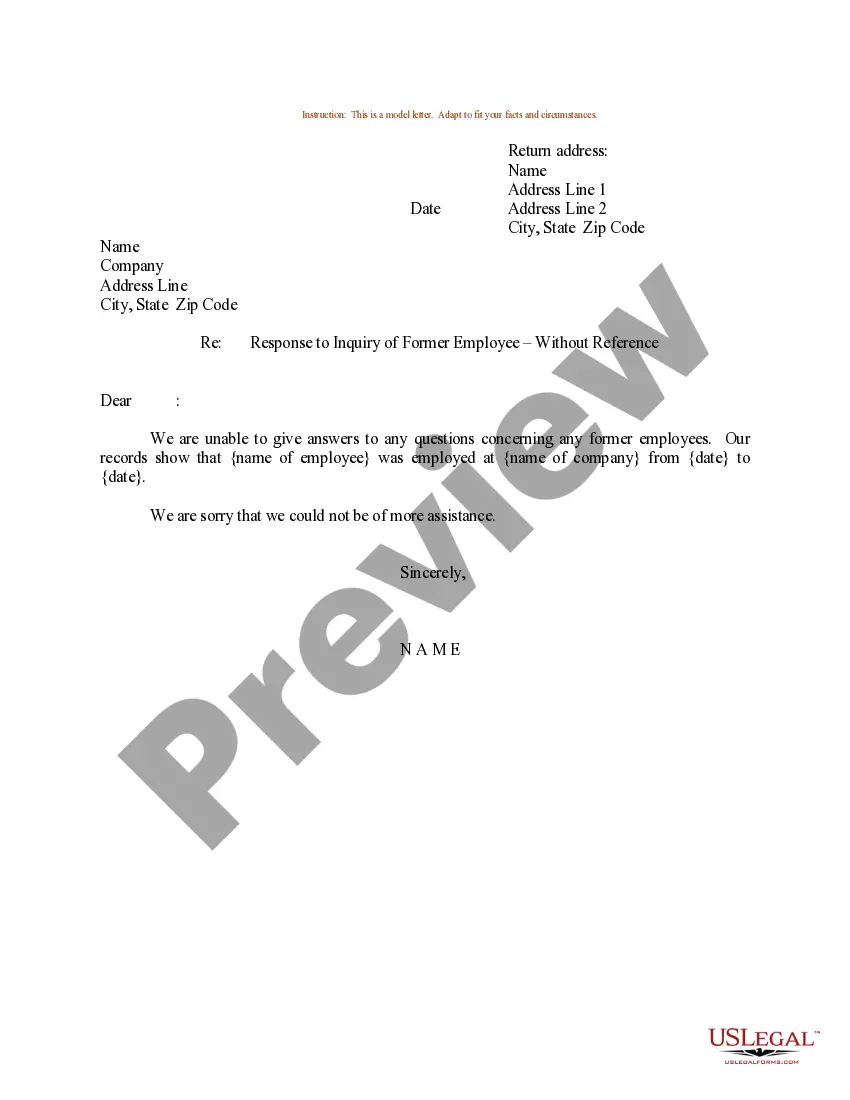
This is a multi-state form covering the subject matter of the title.
Demand For Trial By Jury In Ohio
State:
Multi-State
Category:
Control #:
US-000291
Format:
Word;
Rich Text
99 downloads
Description
Free preview





Get your form ready online
Our built-in tools help you complete, sign, share, and store your documents in one place.
Built-in online Word editor
Make edits, fill in missing information, and update formatting in US Legal Forms—just like you would in MS Word.
Export easily
Download a copy, print it, send it by email, or mail it via USPS—whatever works best for your next step.
E-sign your document
Sign and collect signatures with our SignNow integration. Send to multiple recipients, set reminders, and more. Go Premium to unlock E-Sign.
Notarize online 24/7
If this form requires notarization, complete it online through a secure video call—no need to meet a notary in person or wait for an appointment.
Store your document securely
We protect your documents and personal data by following strict security and privacy standards.

Make edits, fill in missing information, and update formatting in US Legal Forms—just like you would in MS Word.

Download a copy, print it, send it by email, or mail it via USPS—whatever works best for your next step.

Sign and collect signatures with our SignNow integration. Send to multiple recipients, set reminders, and more. Go Premium to unlock E-Sign.

If this form requires notarization, complete it online through a secure video call—no need to meet a notary in person or wait for an appointment.

We protect your documents and personal data by following strict security and privacy standards.
Looking for another form?









Form popularity
FAQ
Predictable Outcomes: Judges' decisions are generally more predictable than those of a jury, in which emotions or personal biases can sway. If, for example, you're assigned a judge with a record of showing leniency for mitigating circumstances, your attorney might recommend waiving the jury trial.
Ing to the Supreme Court, the jury-trial right applies only when "serious" offenses are at hand—petty offenses don't invoke it. For purposes of this right, a serious offense is one that carries a potential sentence of more than six months' imprisonment.
In the demand a party may specify the issues which the party wishes so tried; otherwise the party shall be deemed to have demanded trial by jury for all the issues so triable.
Defendants generally trust that a jury will acquit or render a not guilty verdict more often (than a judge). The O.J. trial certainly validated this belief. Both the defendant and the People have the right to a jury trial in misdemeanor and felony trials (California Constitution, Article I, § 16 and Penal Code § 699).
On any issue triable of right by a jury, a party may demand a jury trial by: (1) serving the other parties with a written demand—which may be included in a pleading—no later than 14 days after the last pleading directed to the issue is served; and. (2) filing the demand in ance with Rule 5(d).
Any party may demand a trial by jury on any issue triable of right by a jury by serving upon the other parties a demand therefor at any time after the commencement of the action and not later than fourteen days after the service of the last pleading directed to such issue.
The constitution grants a defendant the right to a 'speedy trial'. Sometimes, the court system can be frustratingly slow when it comes to finishing up a case. A jury trial demand is simply a request that a date be set for a jury trial.
Amendment Seven to the Constitution was ratified on December 15, 1791. It protects the right for citizens to have a jury trial in federal courts with civil cases where the claim exceeds a certain dollar value. It also prohibits judges in these trials from overruling facts revealed by the jury.
Any party may demand a trial by jury of any issue triable of right by a jury by (1) serving upon the other parties a demand therefor in writing at any time after the commencement of the action and not later than 10 days after the service of the last pleading directed to such issue, and (2) filing the demand as required ...
JURIES CAN BE SYMPATHETIC Unlike an impartial judge, the panel of individuals on your jury could be swayed by emotion and personal experience. This may work in your favor. If you have been overcharged for the crime in question or are a sympathetic defendant, some jurors may be more likely to back you.