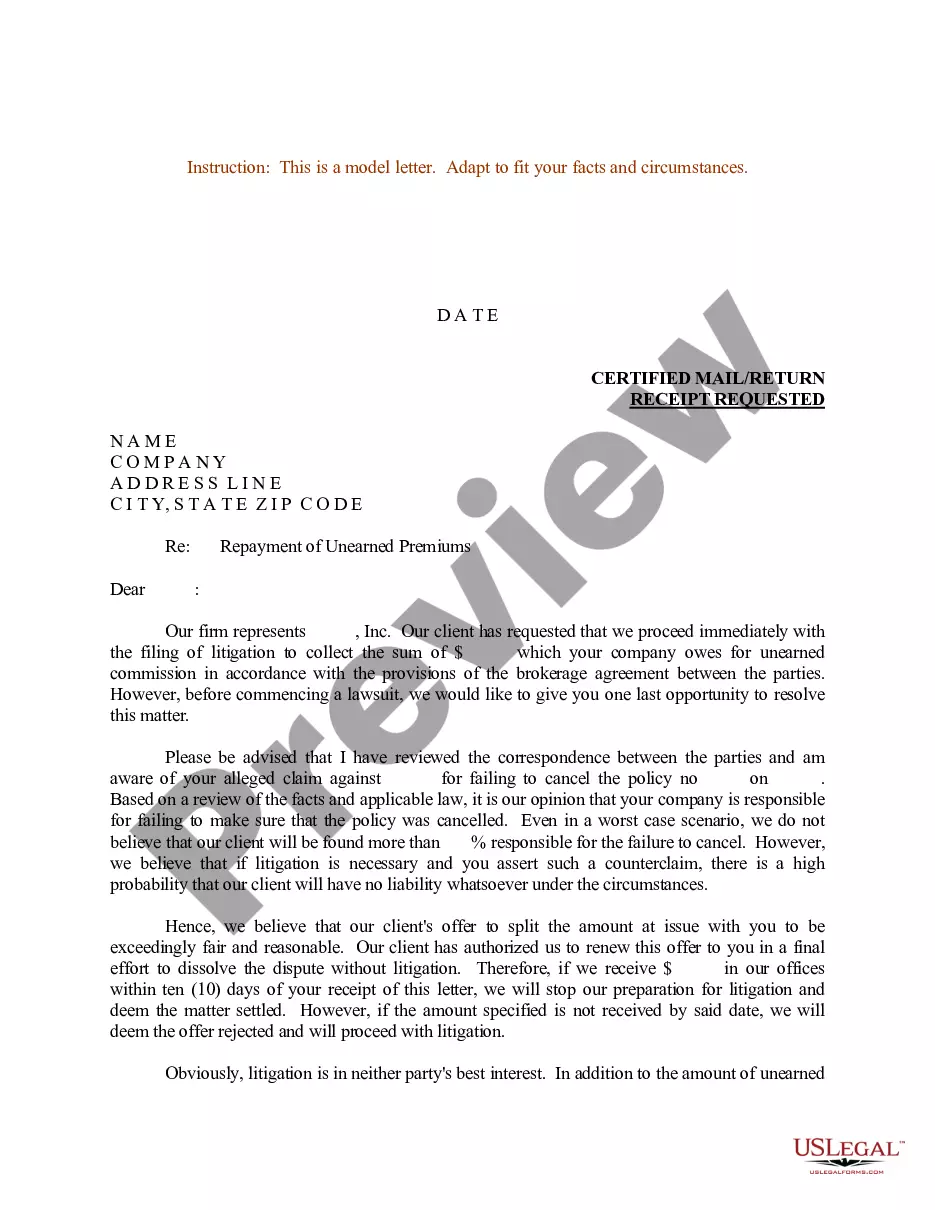
This is a multi-state form covering the subject matter of the title.
Trial On Demand In Minnesota
State:
Multi-State
Category:
Control #:
US-000291
Format:
Word;
Rich Text
99 downloads
Description
Free preview




Get your form ready online
Our built-in tools help you complete, sign, share, and store your documents in one place.
Built-in online Word editor
Make edits, fill in missing information, and update formatting in US Legal Forms—just like you would in MS Word.
Export easily
Download a copy, print it, send it by email, or mail it via USPS—whatever works best for your next step.
E-sign your document
Sign and collect signatures with our SignNow integration. Send to multiple recipients, set reminders, and more. Go Premium to unlock E-Sign.
Notarize online 24/7
If this form requires notarization, complete it online through a secure video call—no need to meet a notary in person or wait for an appointment.
Store your document securely
We protect your documents and personal data by following strict security and privacy standards.

Make edits, fill in missing information, and update formatting in US Legal Forms—just like you would in MS Word.

Download a copy, print it, send it by email, or mail it via USPS—whatever works best for your next step.

Sign and collect signatures with our SignNow integration. Send to multiple recipients, set reminders, and more. Go Premium to unlock E-Sign.

If this form requires notarization, complete it online through a secure video call—no need to meet a notary in person or wait for an appointment.

We protect your documents and personal data by following strict security and privacy standards.
Looking for another form?


Form popularity
FAQ
(a) If the defendant enters a plea other than guilty, a trial date must be set. (b) A defendant must be tried as soon as possible after entry of a plea other than guilty. On demand of any party after entry of such plea, the trial must start within 60 days unless the court finds good cause for a later trial date.
Amendment Seven to the Constitution was ratified on December 15, 1791. It protects the right for citizens to have a jury trial in federal courts with civil cases where the claim exceeds a certain dollar value. It also prohibits judges in these trials from overruling facts revealed by the jury.
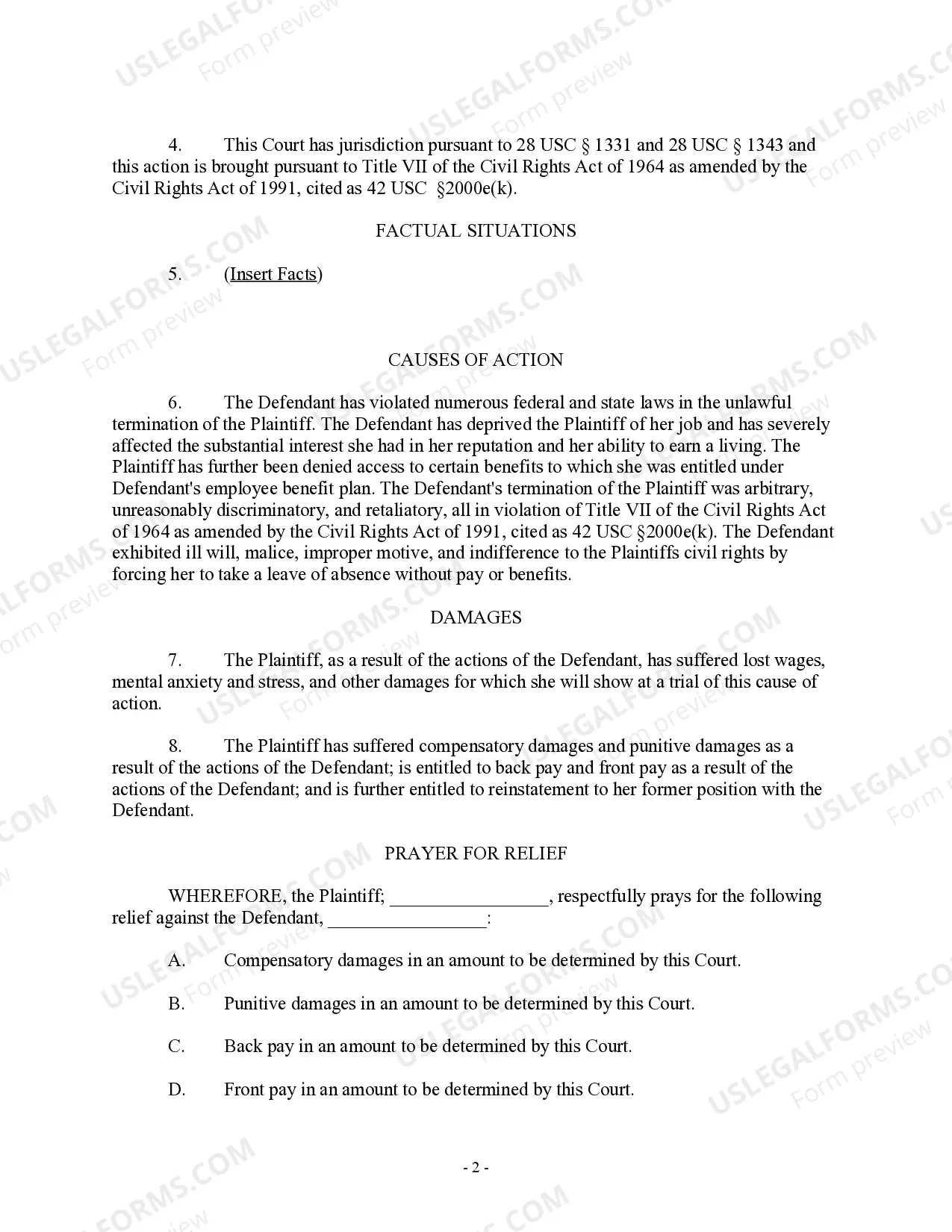
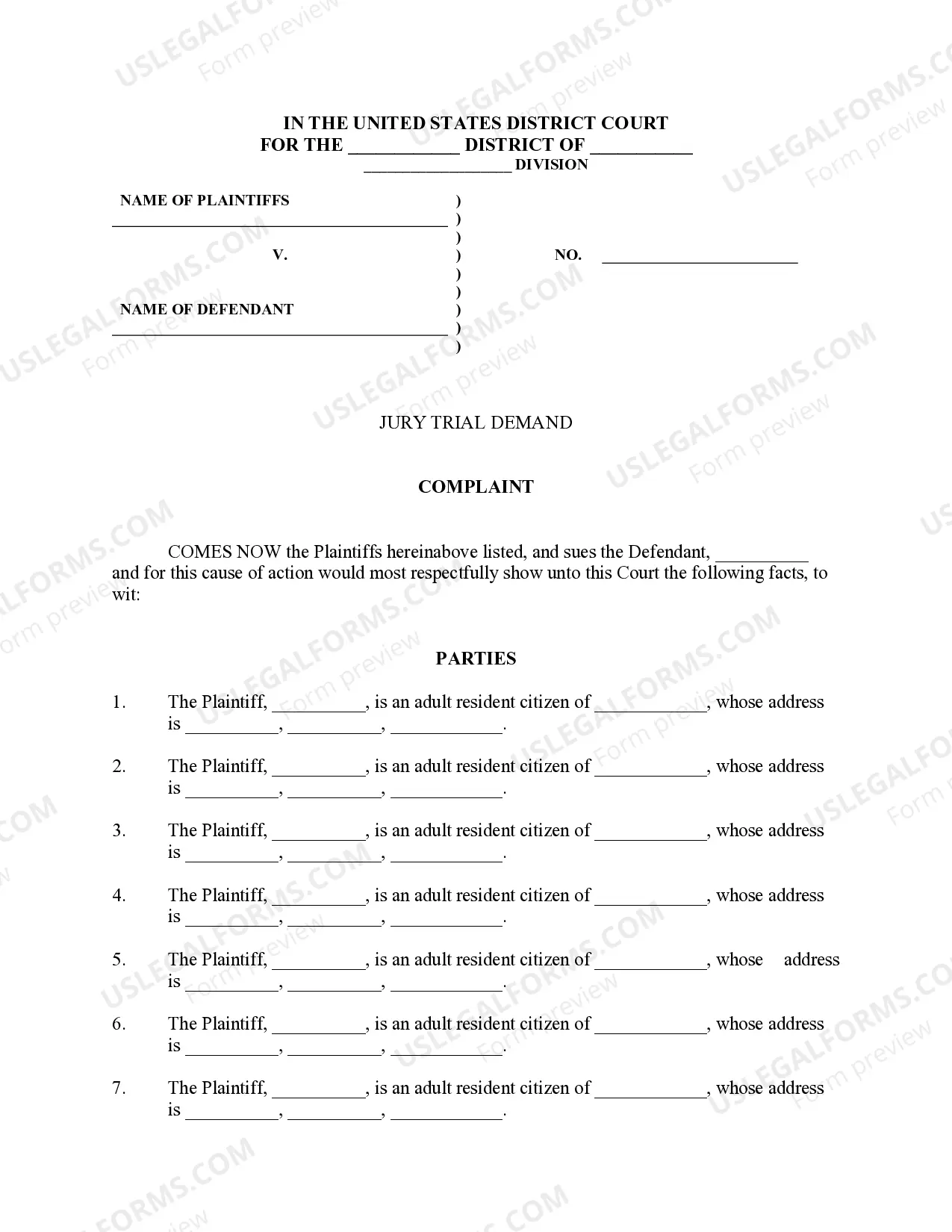
Any party may demand a trial by jury of any issue triable of right by a jury by (1) serving upon the other parties a demand therefor in writing at any time after the commencement of the action and not later than 10 days after the service of the last pleading directed to such issue, and (2) filing the demand as required ...
Any party may demand a trial by jury of any issue triable of right by a jury by (1) serving upon the other parties a demand therefor in writing at any time after the commencement of the action and not later than 10 days after the service of the last pleading directed to such issue, and (2) filing the demand as required ...
Rule 21. Misjoinder of parties is not ground for dismissal of an action. Parties may be dropped or added by order of the court on motion of any party or upon the court's own initiative at any stage of the action and on such terms as are just.
Notice of Demand for Trial or Disposition Pursuant to Pena Code Section 1381. A Notice of Demand for Trial or Disposition Pursuant to Penal Code Section 1381 is sent from the Sheriff to the Prosecutor when a subject is incarcerated in the county jail and the subject demands a trial on outstanding charges.
Mizgala, 61 M.J. 122 (the Sixth Amendment to the United States Constitution contains the constitutional guarantee to a speedy trial; although the text of the amendment does not address waiver, courts have held that the Sixth Amendment right is waived by a voluntary guilty plea; this Court has consistently noted that ...
Rule 5 prescribes the procedure at the defendant's initial appearance. In most misdemeanor cases, the initial appearance will also be the time of arraignment and disposition. Rule 5.02 requires the appointment of a qualified interpreter for a defendant disabled in communication.
Notice of Demand for Trial or Disposition Pursuant to Pena Code Section 1381. A Notice of Demand for Trial or Disposition Pursuant to Penal Code Section 1381 is sent from the Sheriff to the Prosecutor when a subject is incarcerated in the county jail and the subject demands a trial on outstanding charges.
Any party may demand a trial by jury of any issue triable of right by a jury by (1) serving upon the other parties a demand therefor in writing at any time after the commencement of the action and not later than 10 days after the service of the last pleading directed to such issue, and (2) filing the demand as required ...