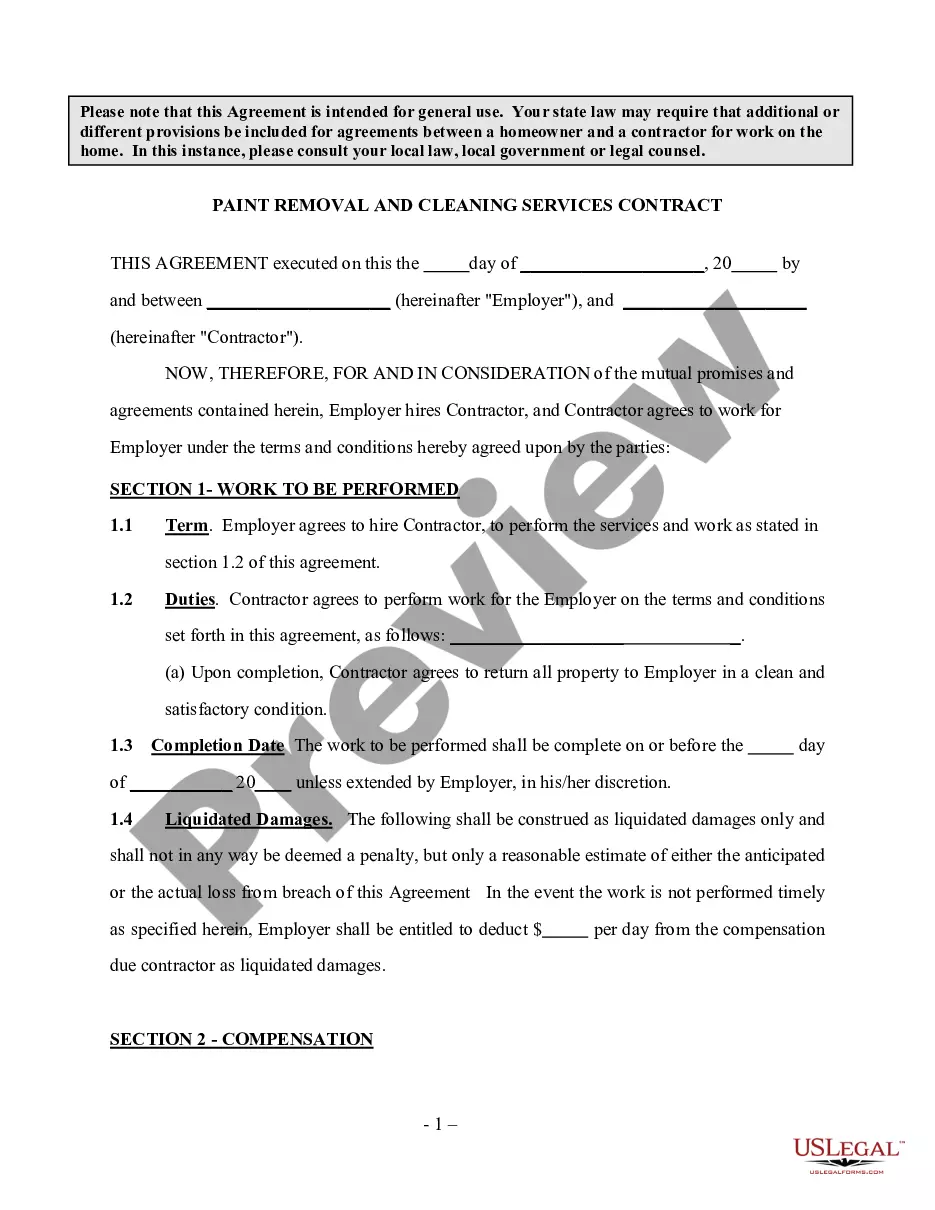
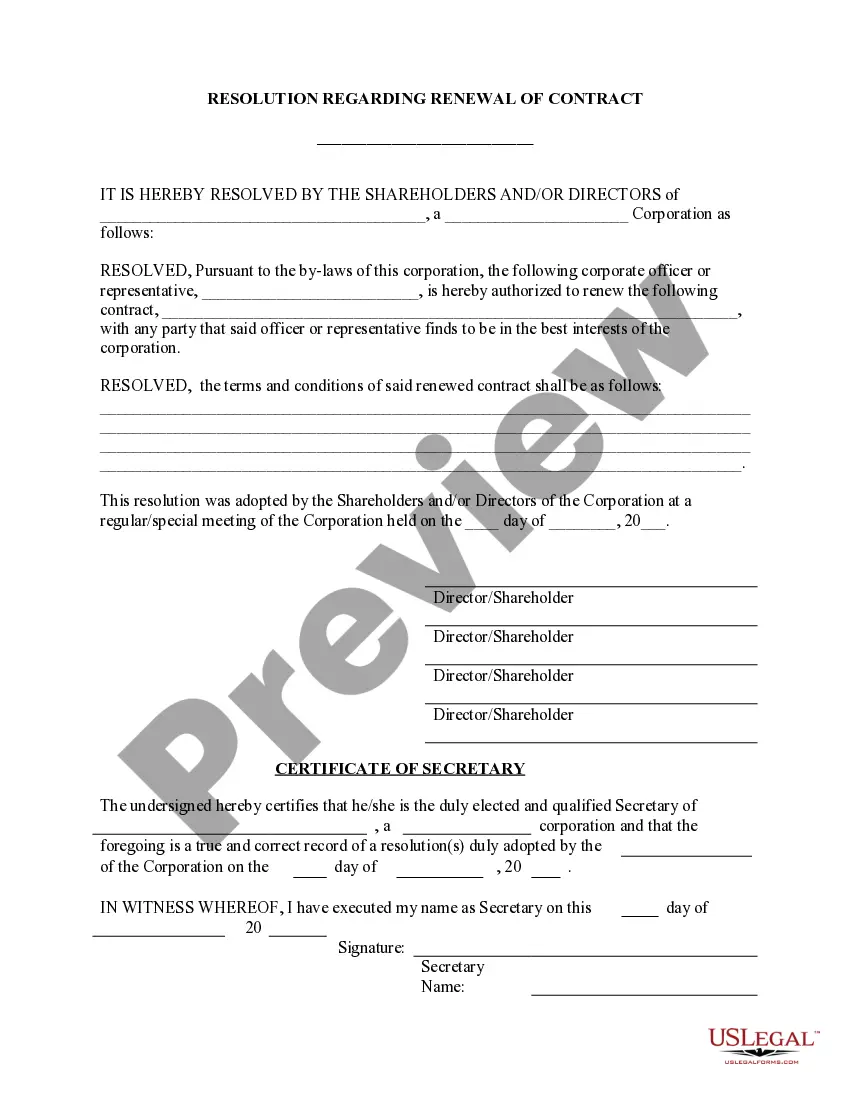
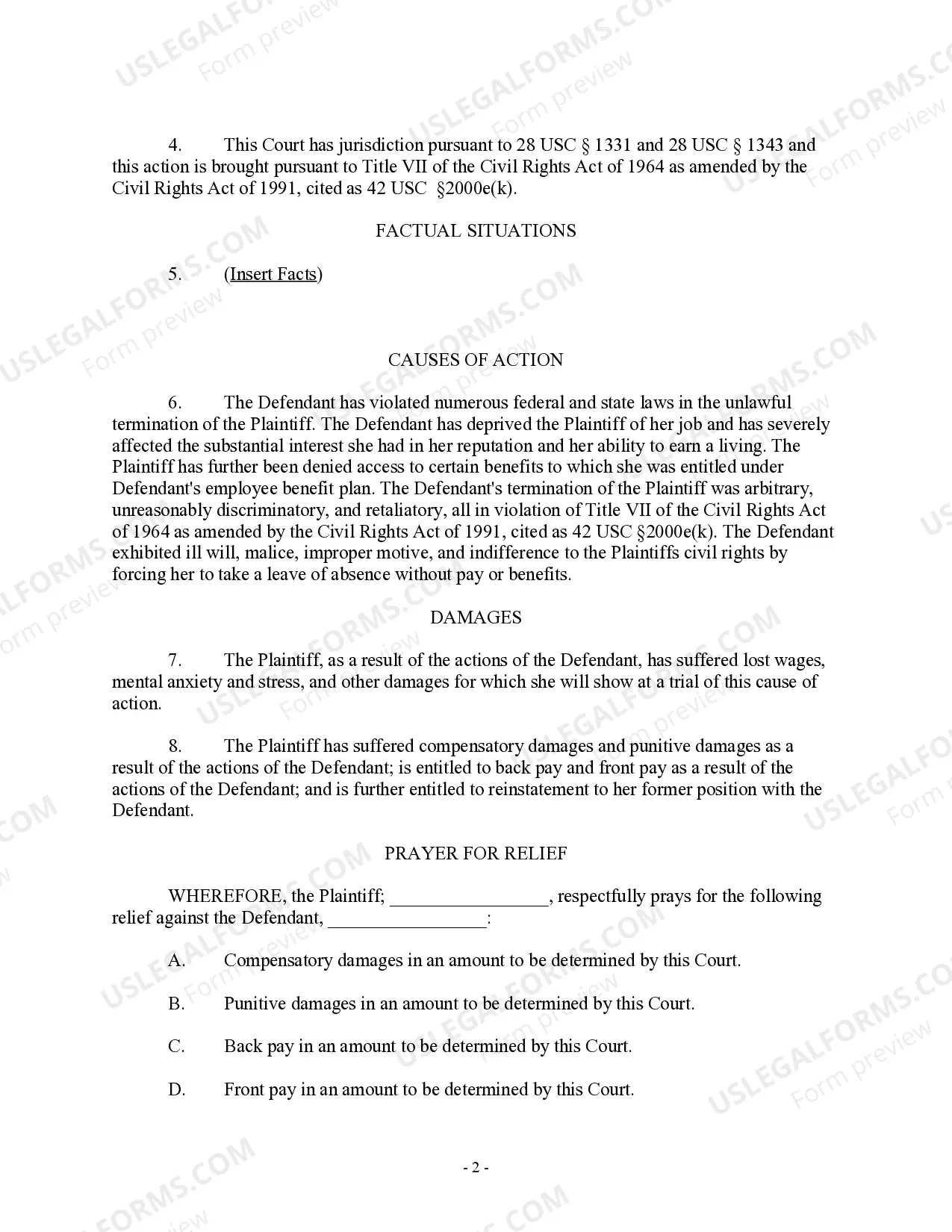
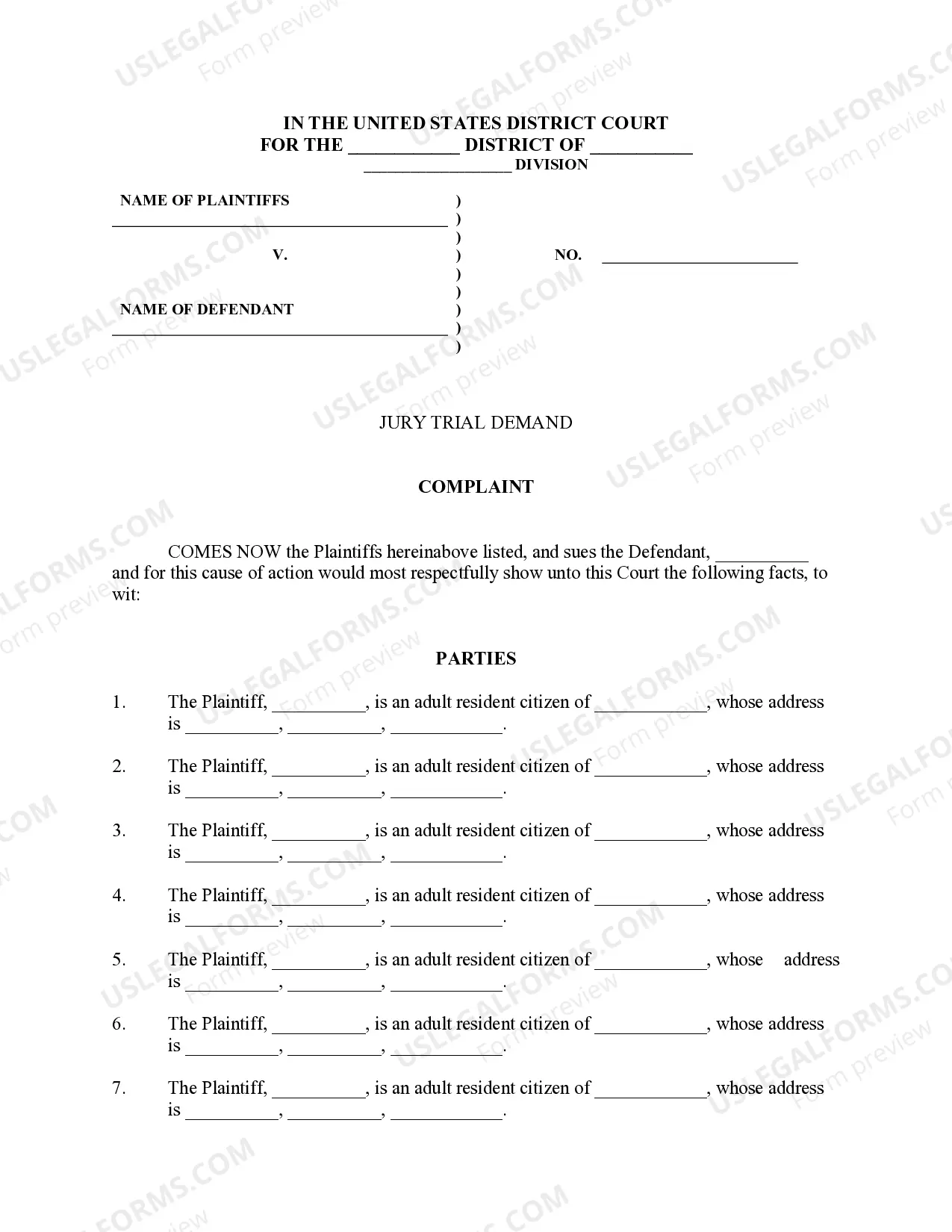
This is a multi-state form covering the subject matter of the title.
Wrongful Termination Court Withdraw In Georgia
State:
Multi-State
Category:
Control #:
US-000291
Format:
Word;
Rich Text
99 downloads
Description
Free preview





Get your form ready online
Our built-in tools help you complete, sign, share, and store your documents in one place.
Built-in online Word editor
Make edits, fill in missing information, and update formatting in US Legal Forms—just like you would in MS Word.
Export easily
Download a copy, print it, send it by email, or mail it via USPS—whatever works best for your next step.
E-sign your document
Sign and collect signatures with our SignNow integration. Send to multiple recipients, set reminders, and more. Go Premium to unlock E-Sign.
Notarize online 24/7
If this form requires notarization, complete it online through a secure video call—no need to meet a notary in person or wait for an appointment.
Store your document securely
We protect your documents and personal data by following strict security and privacy standards.

Make edits, fill in missing information, and update formatting in US Legal Forms—just like you would in MS Word.

Download a copy, print it, send it by email, or mail it via USPS—whatever works best for your next step.

Sign and collect signatures with our SignNow integration. Send to multiple recipients, set reminders, and more. Go Premium to unlock E-Sign.

If this form requires notarization, complete it online through a secure video call—no need to meet a notary in person or wait for an appointment.

We protect your documents and personal data by following strict security and privacy standards.
Looking for another form?










Form popularity
FAQ
Deadline for Responding to Motion to Dismiss Any party opposing a motion must serve and file a response, reply memorandum, affidavits, or other responsive material within 30 days of being served with the motion.
To successfully defeat a motion to dismiss, a pro se plaintiff must rebut the following potential assertions: The plaintiff's allegations don't fit the facts of the case. There is a missing element of the claim. There are no factual allegations in the complaint, only conclusions.
If the motion to dismiss is convincing, you might have to present your own affidavits and documents to prove that the allegations did occur as you have described, or at least there is a question about the facts of the case as to whether or not what you have alleged actually happened.
If you believe that you have been wrongfully terminated, you may need to file a claim with the Equal Employment Opportunity Commission (EEOC). The EEOC enforces federal laws related to retaliation and discrimination. The EEOC will conduct an investigation into your allegations.
Any response to a motion filed in state court must be filed and served within 30 days after service of the motion or on the date of the hearing (if any), whichever is sooner.
If there is a failure by the responding party to furnish their responses, the opposing party will first attempt to solve the outstanding discovery dispute. Normally, the attempt takes the form of a 6.4(b) letter asking the opposing party to furnish their responses by a given date.
The person who brings or files the demurrer or motion can also file a reply before the hearing date, responding to what is in the opposition.
Rule 4.3 - Withdrawal (1) An attorney appearing of record in any matter pending in any superior court, who wishes to withdraw as counsel for any party, shall submit a written request to an appropriate judge of the court for an order permitting such withdrawal.
Georgia an “At-Will” Employment State For example, in Georgia, an employer's decision to fire an employee may be considered wrongful if the decision is based on the employee's membership in a protected class, is based on a protected activity, or violates an employment contract promising job security.
Lost Wages: Calculate the wages you would have earned had you not been wrongfully terminated, including overtime, bonuses, and commissions. Benefits: Estimate the value of lost health insurance, retirement benefits, and other perks.