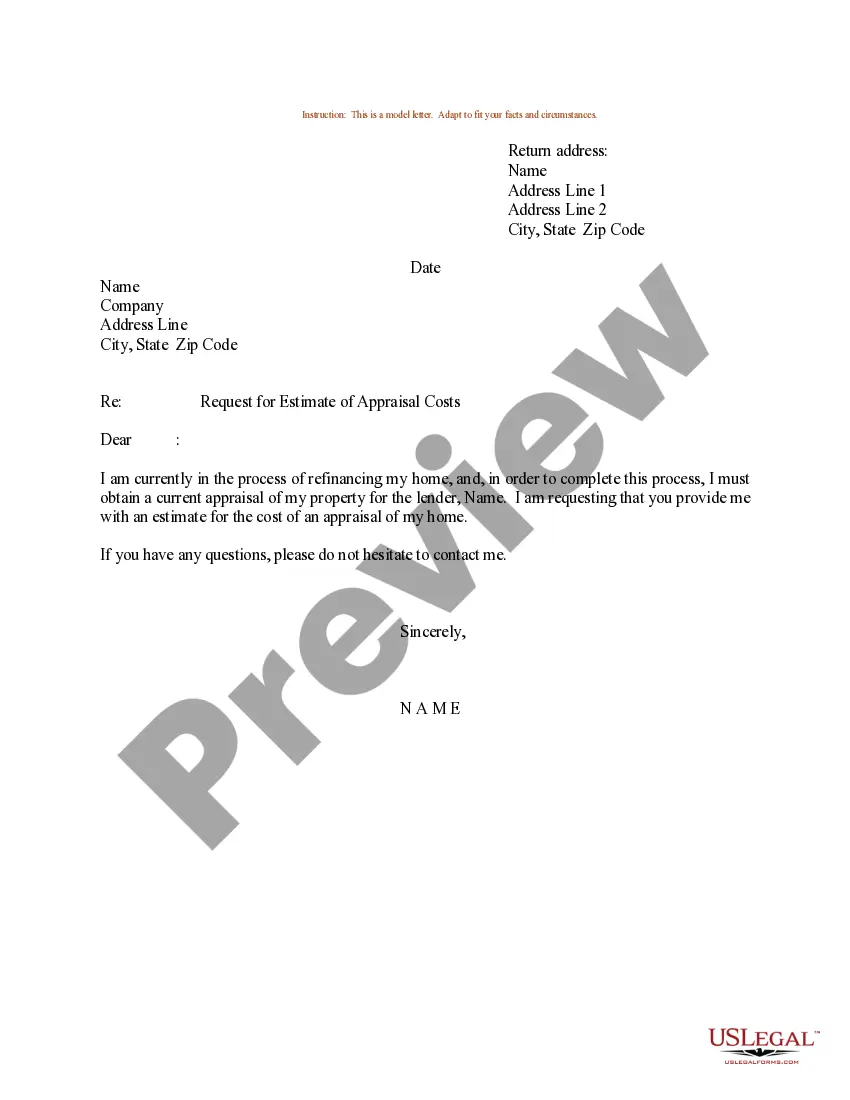
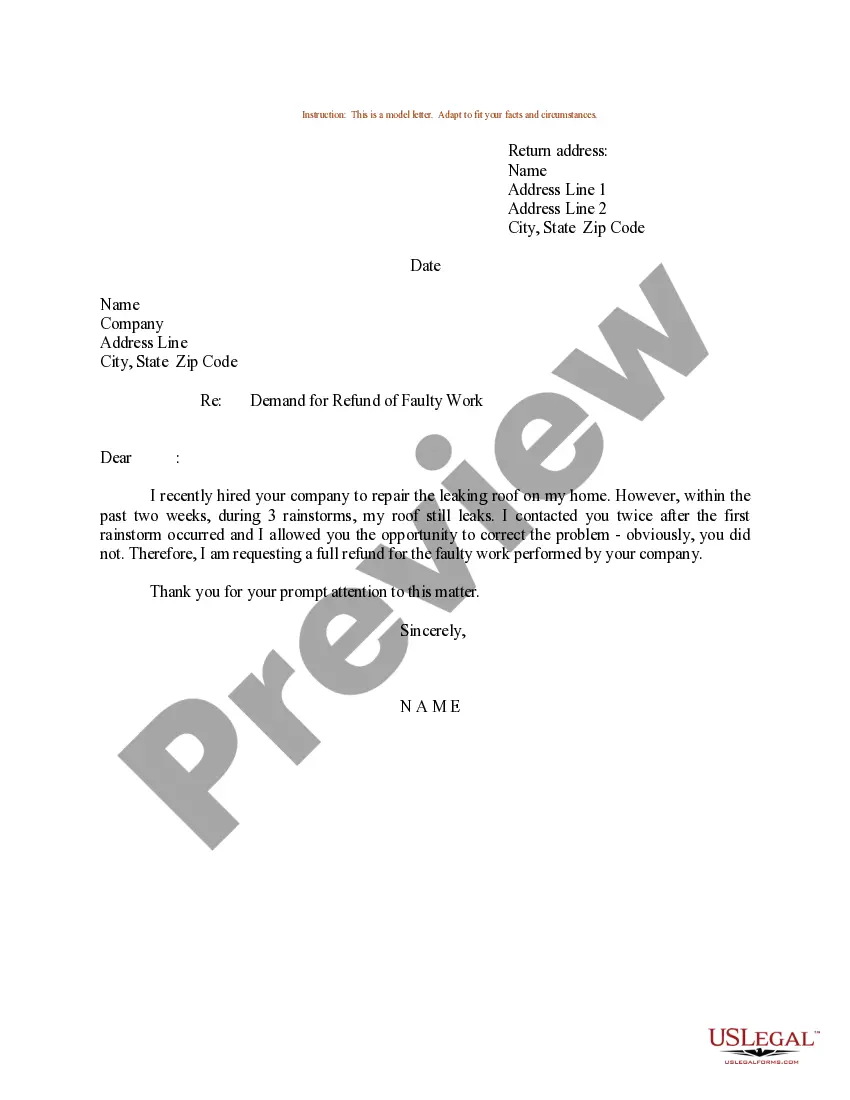
This is a multi-state form covering the subject matter of the title.
Trial On Demand In California
State:
Multi-State
Category:
Control #:
US-000291
Format:
Word;
Rich Text
99 downloads
Description
Free preview





Get your form ready online
Our built-in tools help you complete, sign, share, and store your documents in one place.
Built-in online Word editor
Make edits, fill in missing information, and update formatting in US Legal Forms—just like you would in MS Word.
Export easily
Download a copy, print it, send it by email, or mail it via USPS—whatever works best for your next step.
E-sign your document
Sign and collect signatures with our SignNow integration. Send to multiple recipients, set reminders, and more. Go Premium to unlock E-Sign.
Notarize online 24/7
If this form requires notarization, complete it online through a secure video call—no need to meet a notary in person or wait for an appointment.
Store your document securely
We protect your documents and personal data by following strict security and privacy standards.

Make edits, fill in missing information, and update formatting in US Legal Forms—just like you would in MS Word.

Download a copy, print it, send it by email, or mail it via USPS—whatever works best for your next step.

Sign and collect signatures with our SignNow integration. Send to multiple recipients, set reminders, and more. Go Premium to unlock E-Sign.

If this form requires notarization, complete it online through a secure video call—no need to meet a notary in person or wait for an appointment.

We protect your documents and personal data by following strict security and privacy standards.
Looking for another form?







Form popularity
FAQ
An action shall be brought to trial within five years after the action is commenced against the defendant. (Added by Stats. 1984, Ch. 1705, Sec.
Rule 5.5 encompasses the spirit and intent of Rule 1-300 but also adds the multijuris- dictional element. Paragraph (b)(1) of Rule 5.5 prohibits lawyers from practic- ing law in California unless otherwise entitled to practice law in this state by court rule or other law.
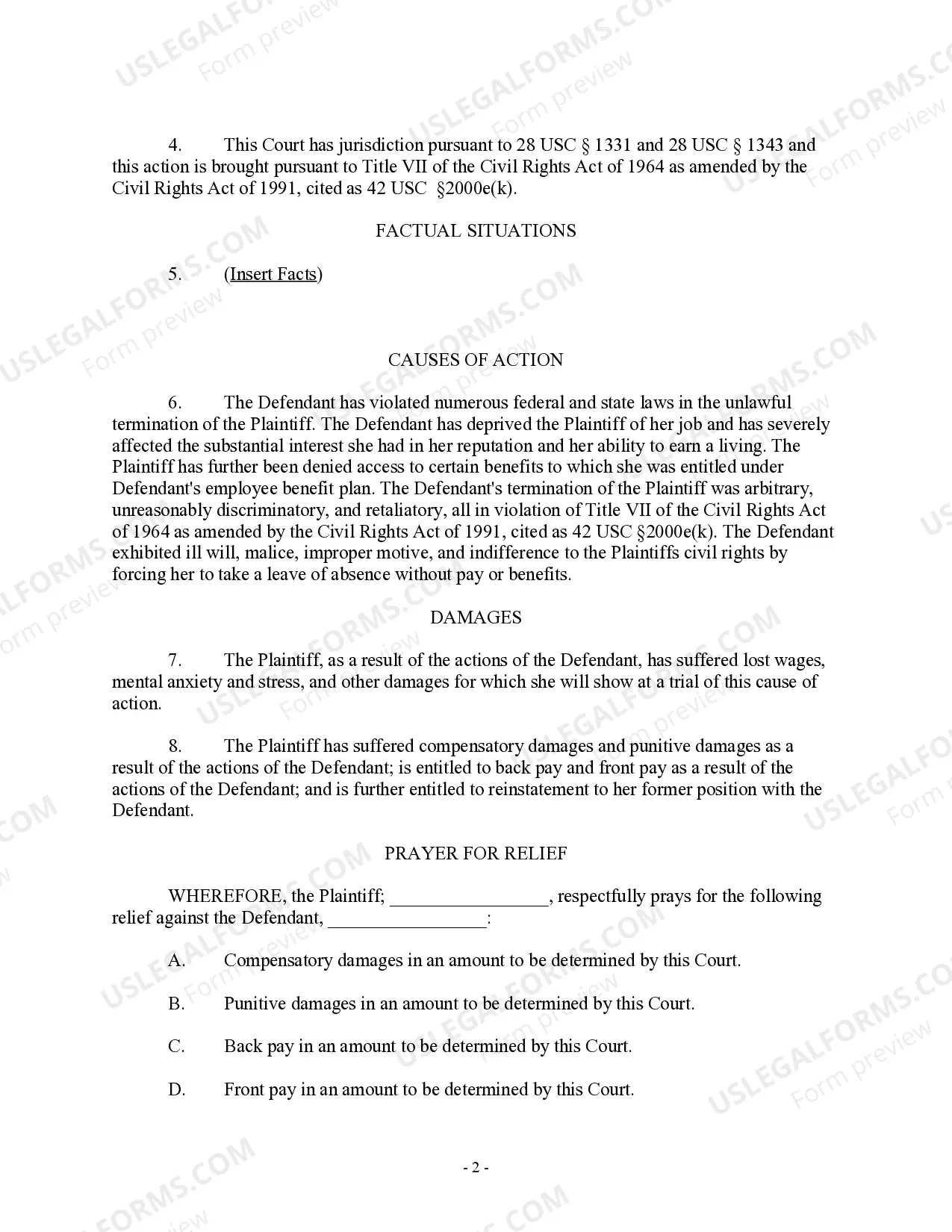
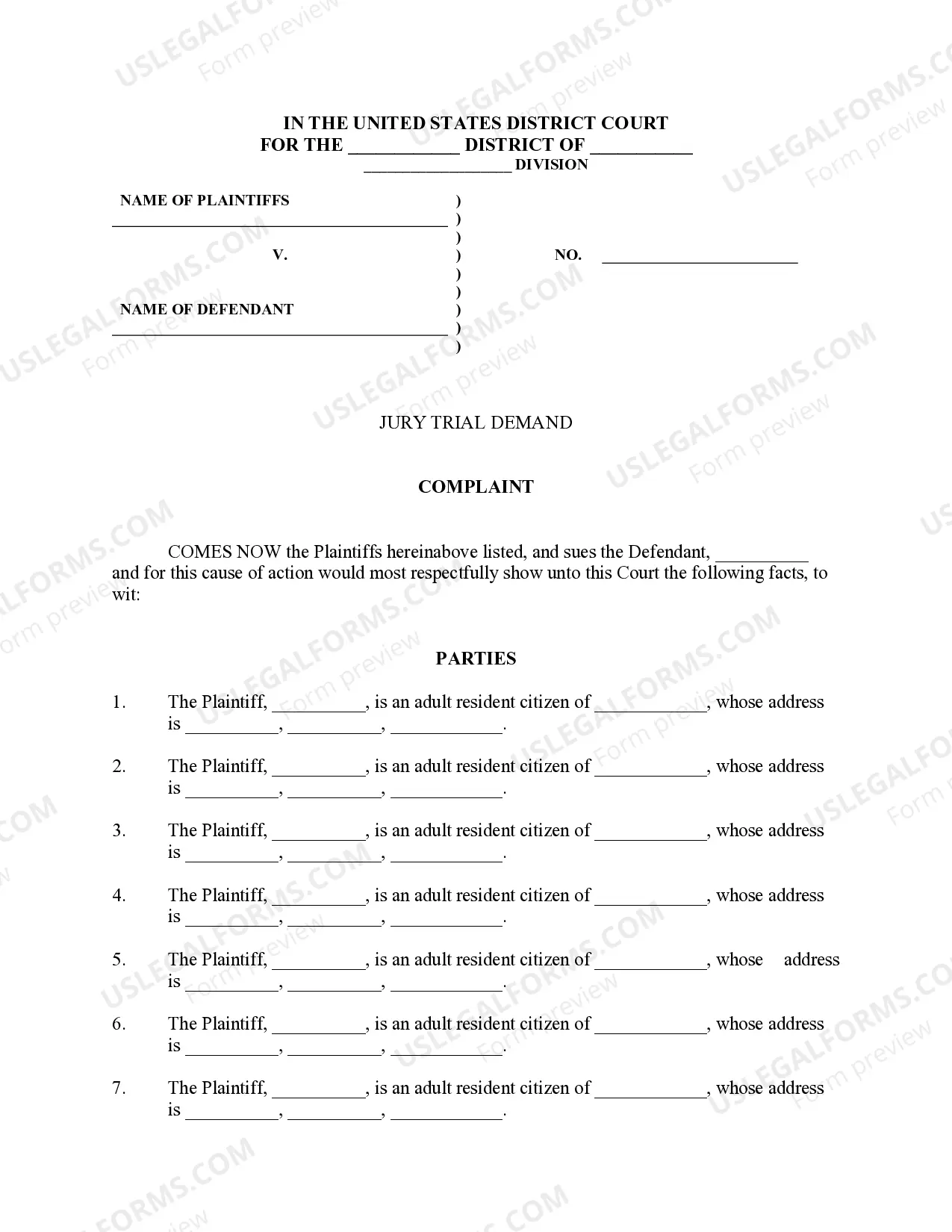
Any party may demand a trial by jury of any issue triable of right by a jury by (1) serving upon the other parties a demand therefor in writing at any time after the commencement of the action and not later than 10 days after the service of the last pleading directed to such issue, and (2) filing the demand as required ...
The time period for acceptance, not fewer than 30 days from the date of transmission of demand if transmission is by email, fax, or certified mail, or at least 33 days if transmission is by mail. A clear and unequivocal offer to settle all claims within policy limits, including satisfaction of all liens.
An action shall be brought to trial within five years after the action is commenced against the defendant. (Added by Stats. 1984, Ch.
Trial length depends on how complex the issues are and how long jurors spend in deliberations. Most trials last 3-7 days, but some may go longer. The judge knows approximately how long the trial will take and he or she will give you an idea when your group is called for jury selection.
Under CCP § 583.310, an action must be brought to trial within five years after it is commenced against the defendant. An action “commences” on the date the original complaint is filed with the court against the defendant. If other defendants are later added, those actions will have a different date of commencement.
SB 453, as introduced, Seyarto. Criminal procedure: speedy trial. Existing law requires that a defendant be brought to trial within 60 days of arraignment on an indictment or information in a felony case, or within 30 or 45 days of arraignment or entry of plea in a misdemeanor case, as specified.
California has further defined what 'speedy' means under Penal Code 1382 PC. This law stipulates that in misdemeanor cases, a defendant has the right to go to trial within 30-45 days of their arraignment.
For California small claims, you don't have to “serve” a demand letter. You just have to send the demand letter. You can send it by mail, email, or hand delivery, or you can text the demand letter.