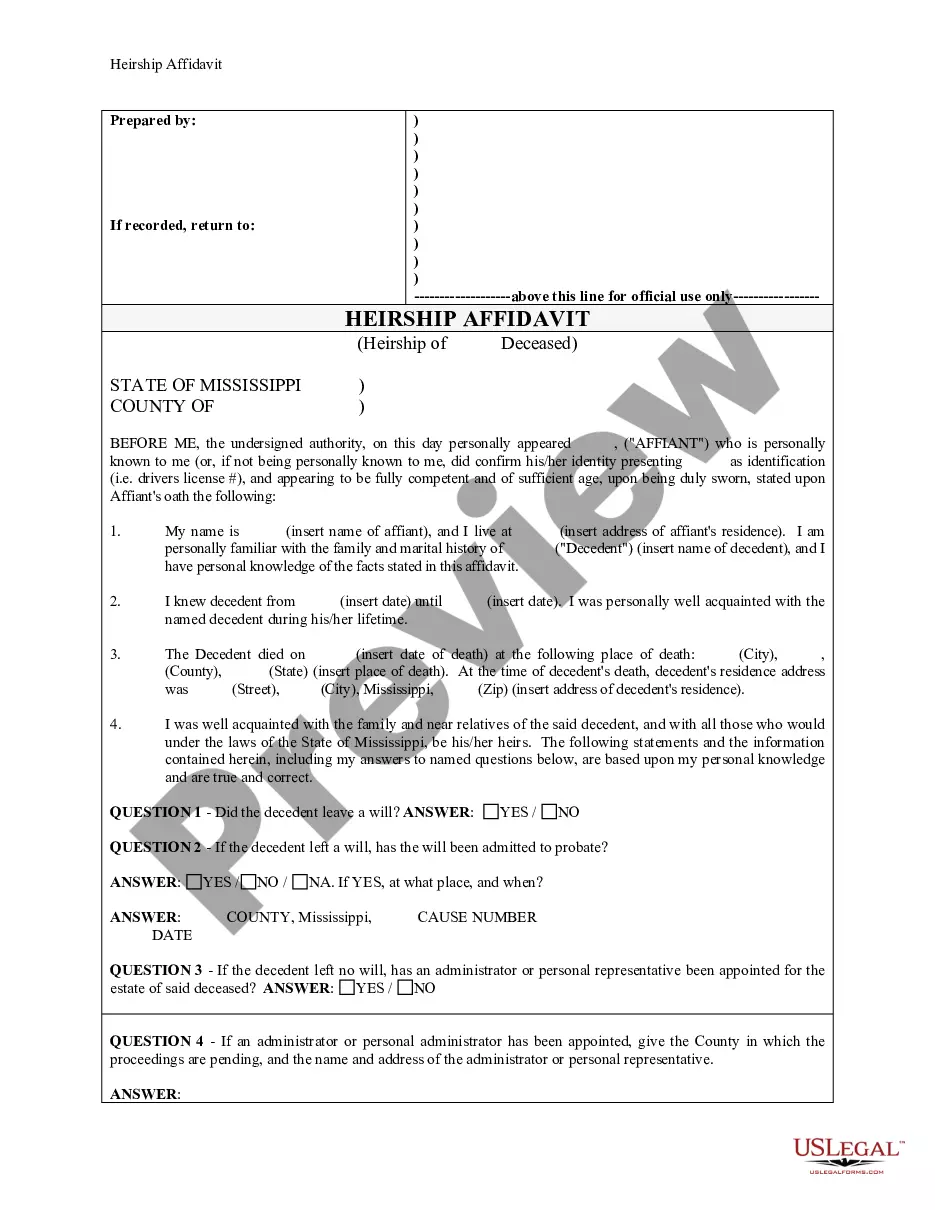
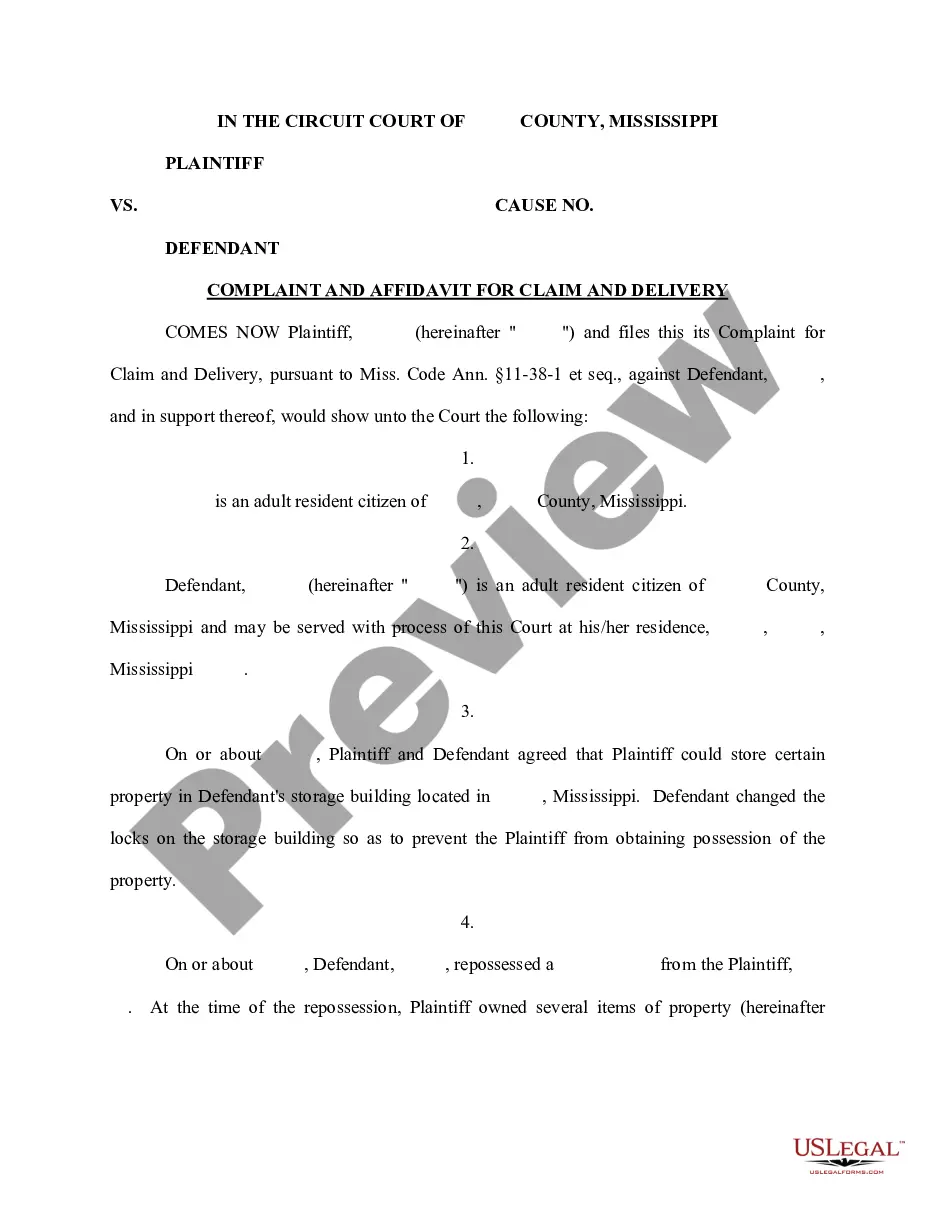
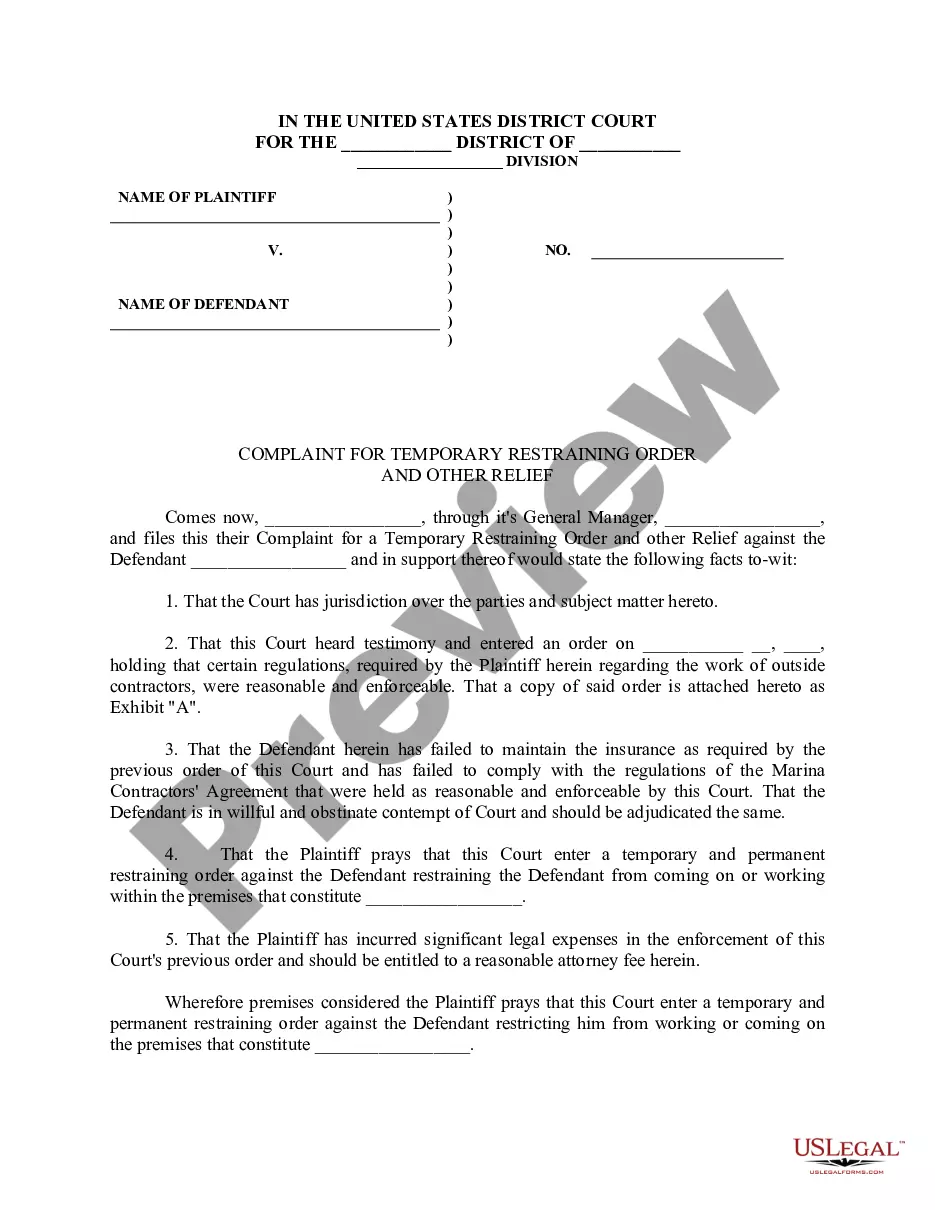
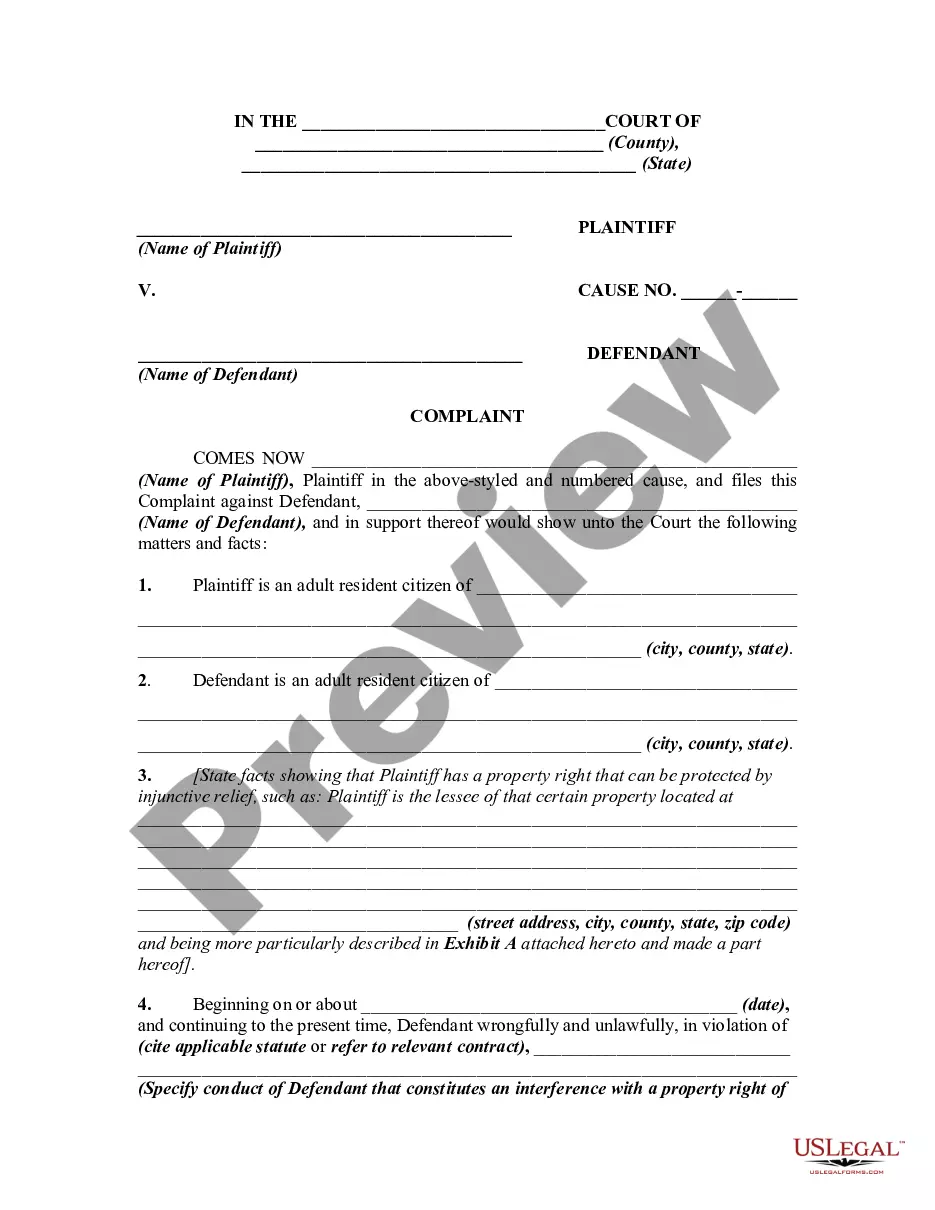
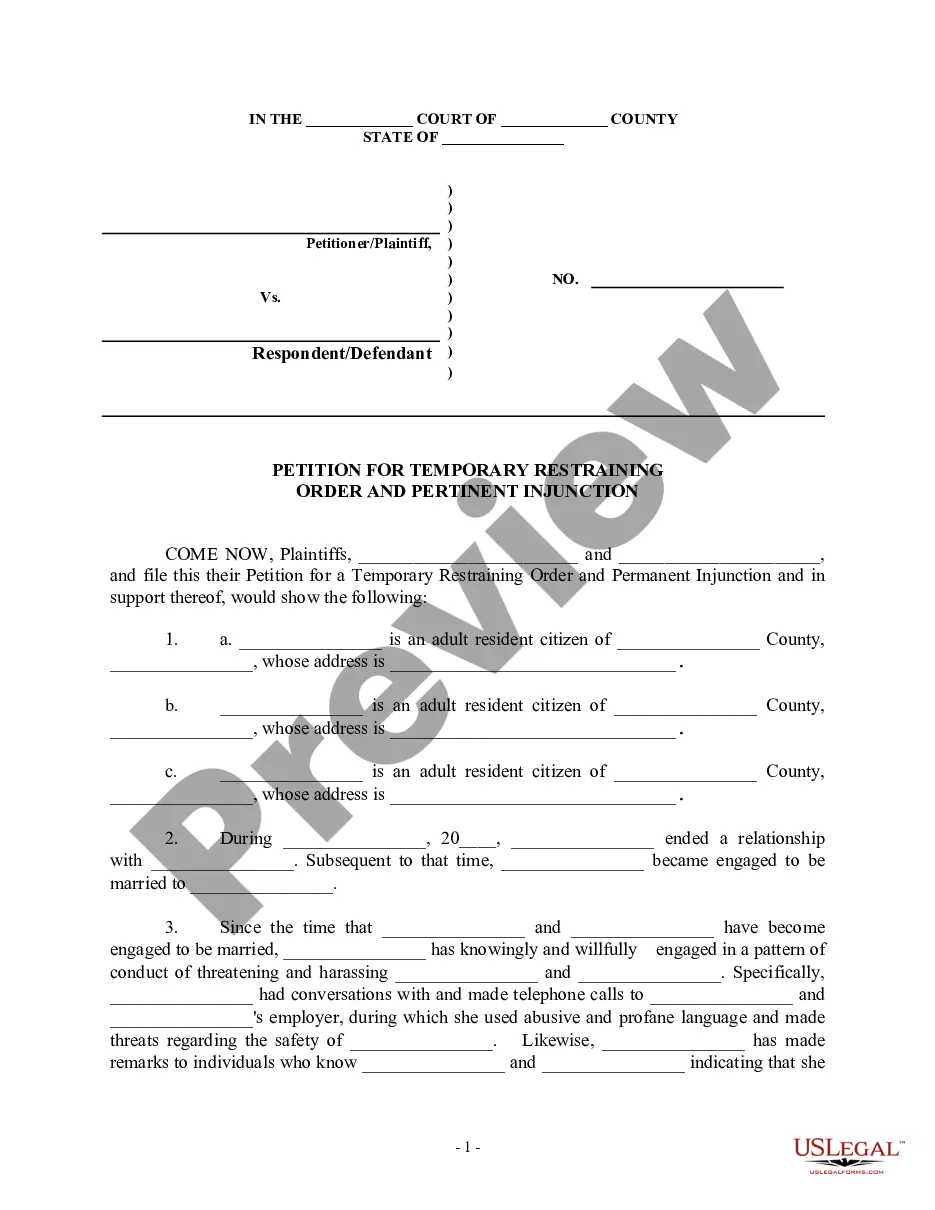
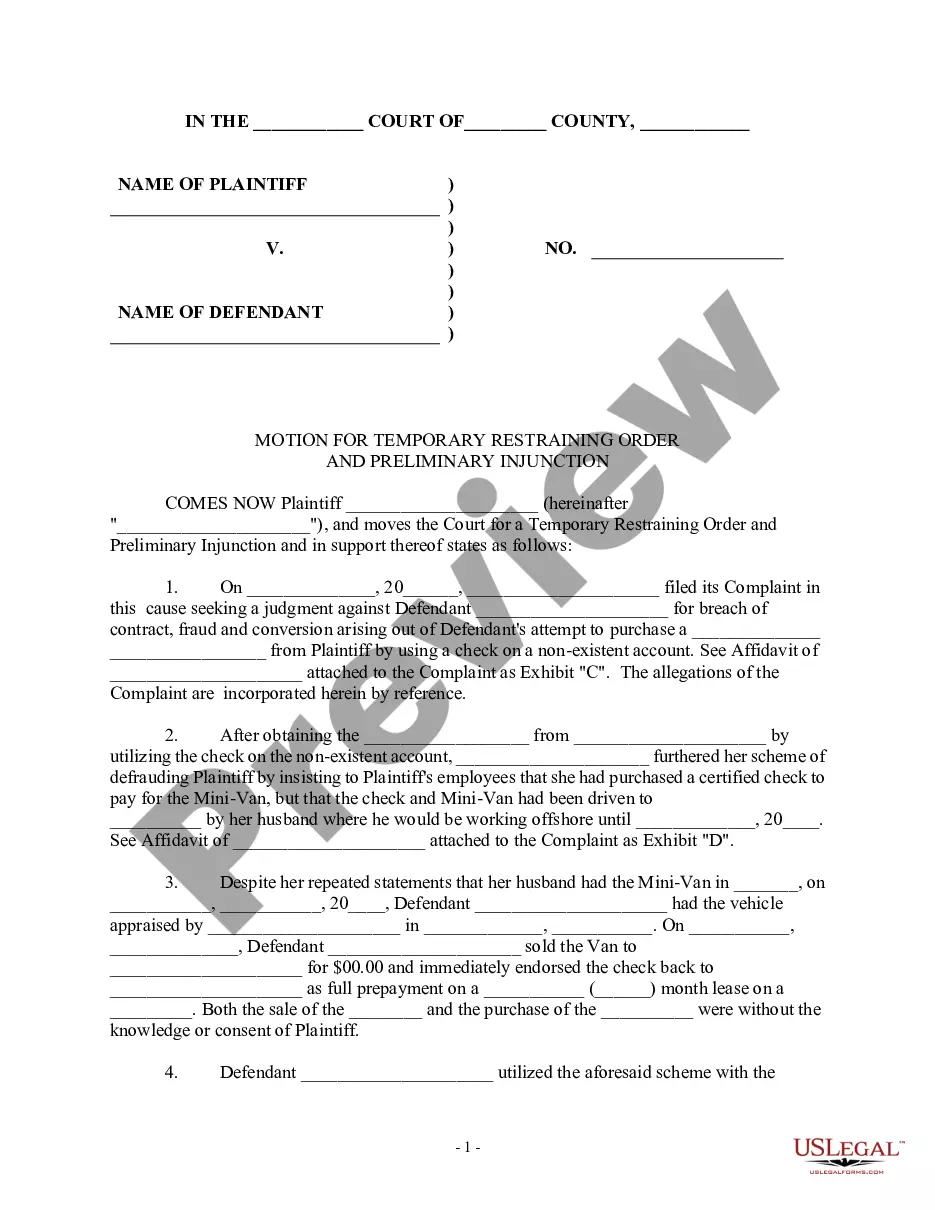
Sample Restraining Order Form With Court In Tarrant
Description



Get your form ready online
Our built-in tools help you complete, sign, share, and store your documents in one place.
Make edits, fill in missing information, and update formatting in US Legal Forms—just like you would in MS Word.
Download a copy, print it, send it by email, or mail it via USPS—whatever works best for your next step.
Sign and collect signatures with our SignNow integration. Send to multiple recipients, set reminders, and more. Go Premium to unlock E-Sign.
If this form requires notarization, complete it online through a secure video call—no need to meet a notary in person or wait for an appointment.
We protect your documents and personal data by following strict security and privacy standards.

Make edits, fill in missing information, and update formatting in US Legal Forms—just like you would in MS Word.

Download a copy, print it, send it by email, or mail it via USPS—whatever works best for your next step.

Sign and collect signatures with our SignNow integration. Send to multiple recipients, set reminders, and more. Go Premium to unlock E-Sign.

If this form requires notarization, complete it online through a secure video call—no need to meet a notary in person or wait for an appointment.

We protect your documents and personal data by following strict security and privacy standards.
Looking for another form?







Form popularity
FAQ
Go to court You will tell the judge why you need a restraining order. You can bring witnesses and evidence to support your case. The other side can bring witnesses and evidence, too.
After having a court hearing, a judge can grant you a “restraining order after hearing” that can last up to five years.
Domestic Violence Restraining Order (DVRO) A Domestic Violence Restraining Order is one of the most common types of restraining orders.
Domestic Violence Restraining Order (DVRO) A Domestic Violence Restraining Order is one of the most common types of restraining orders.
A stalking protection order can be used to protect anyone who's been a victim of stalking. The order can prohibit the stalker from doing certain things, including: going to locations where you live or visit often.
Step 1: Go to the district attorney's office or the courthouse to file. Step 2: Fill out the forms. Step 3: A judge will review your petition. Step 4: Service of process. Step 5: The hearing for a permanent protective order.
What Are the Three Types of Protection? Emergency Protective Order. Preliminary Protective Order. Final Protective Order. Count on a Diligent Loudoun County Lawyer.