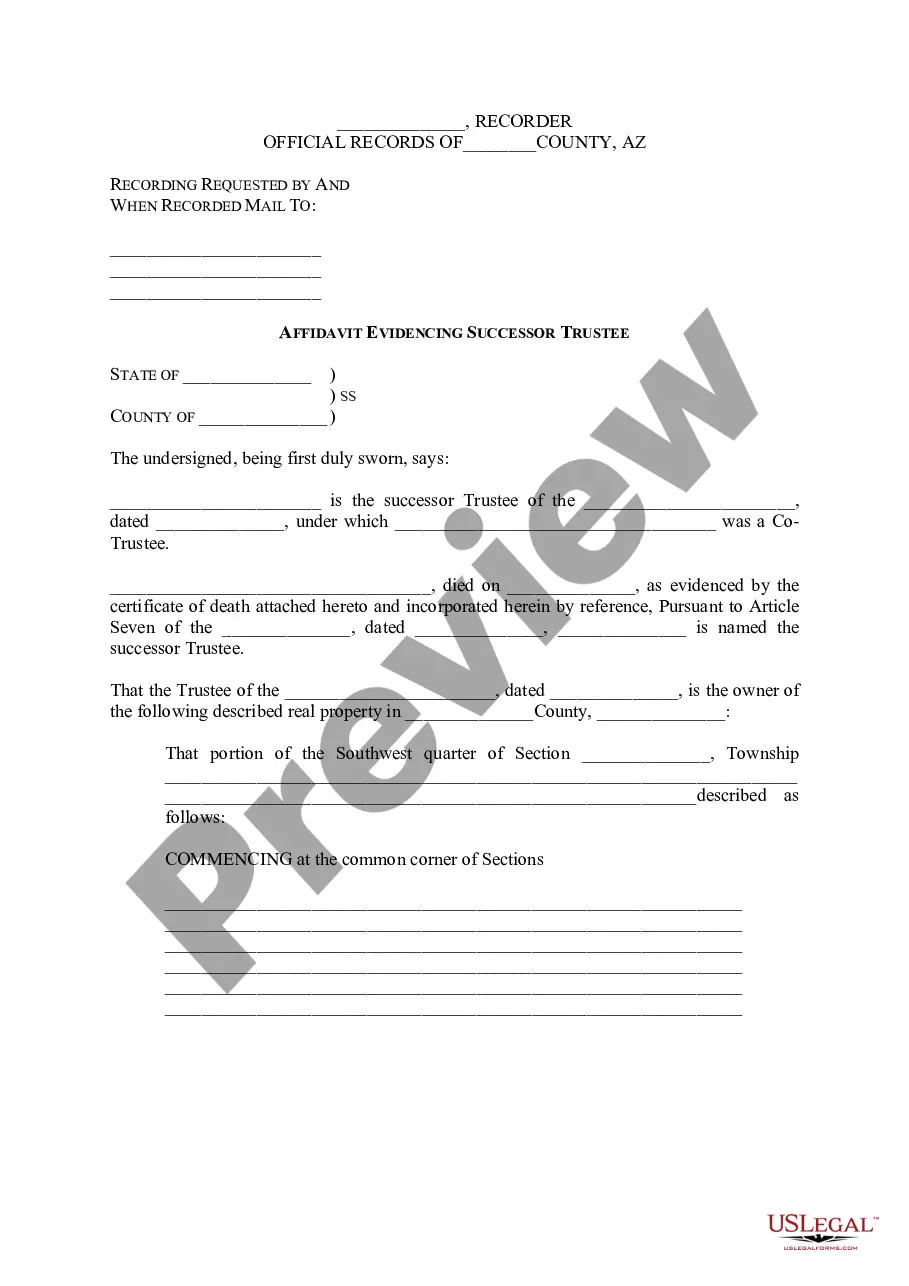
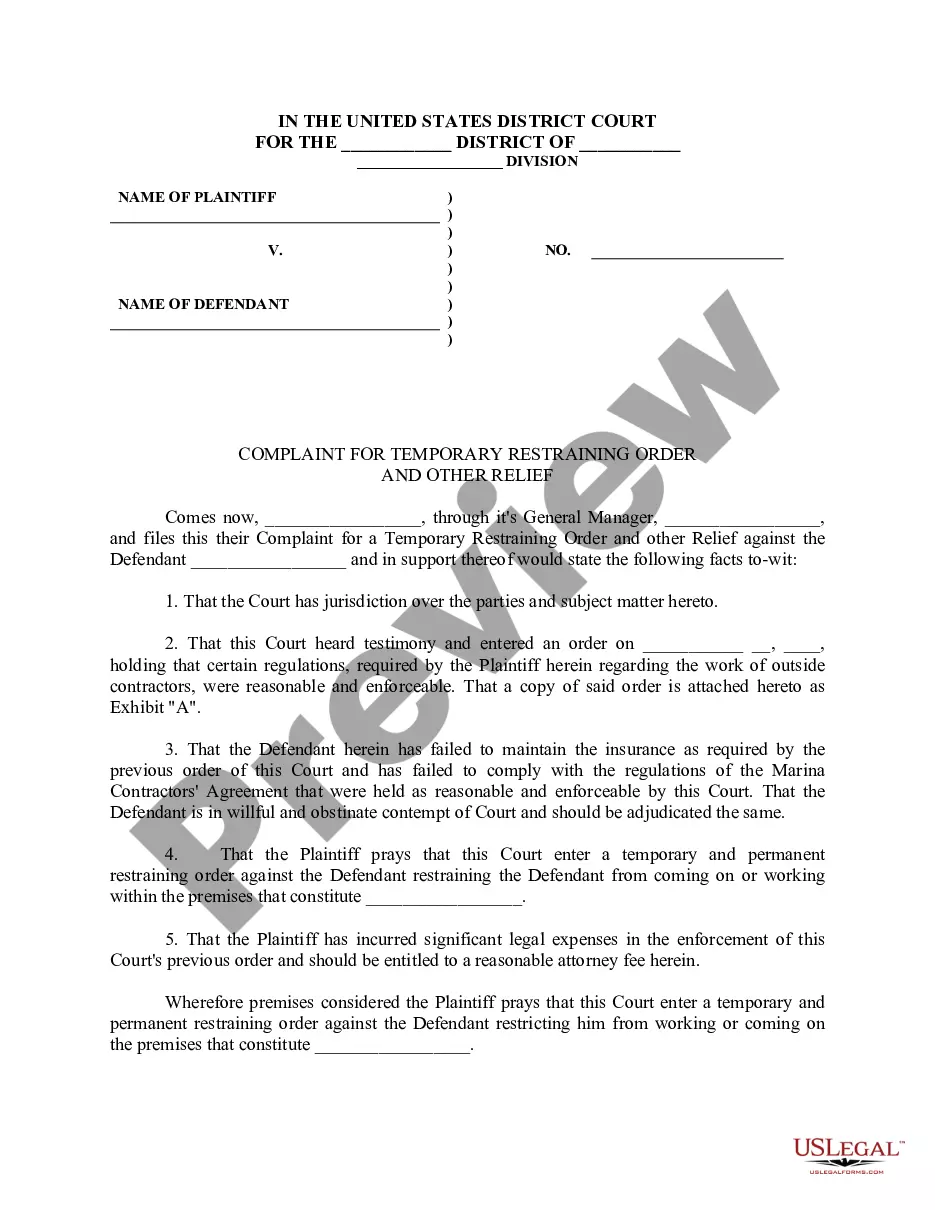
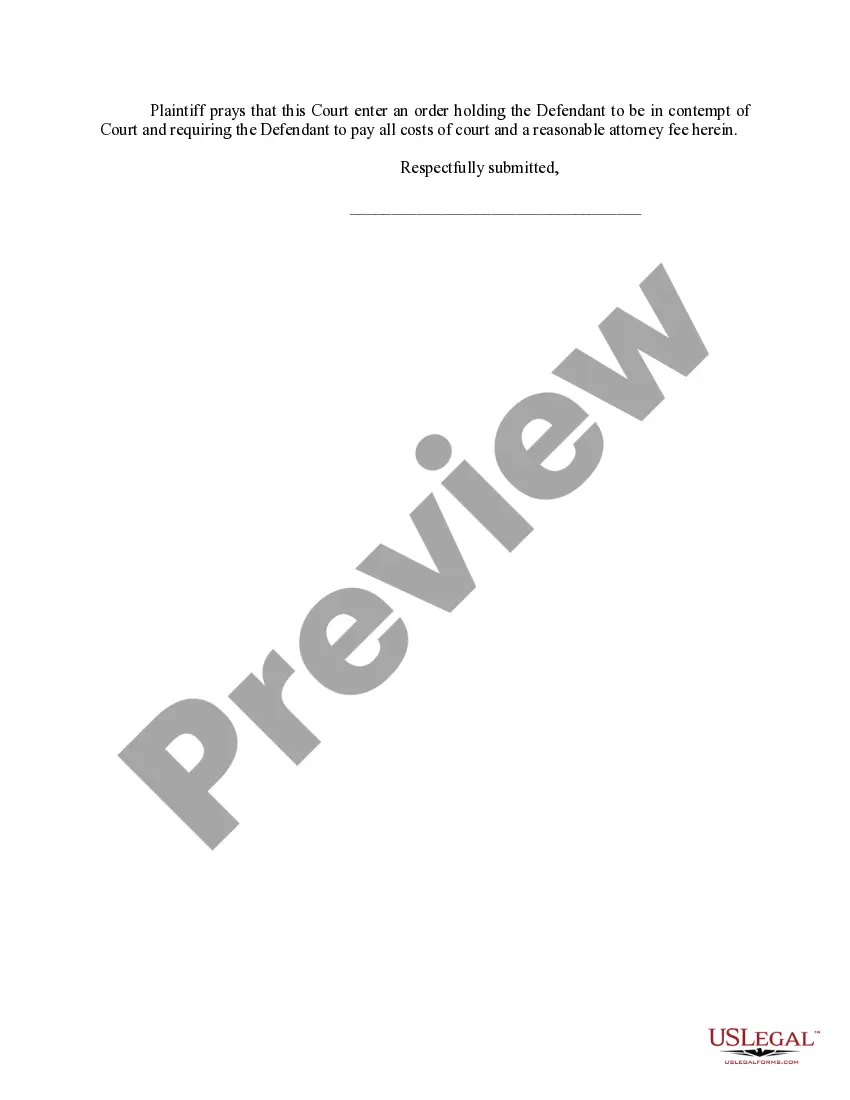
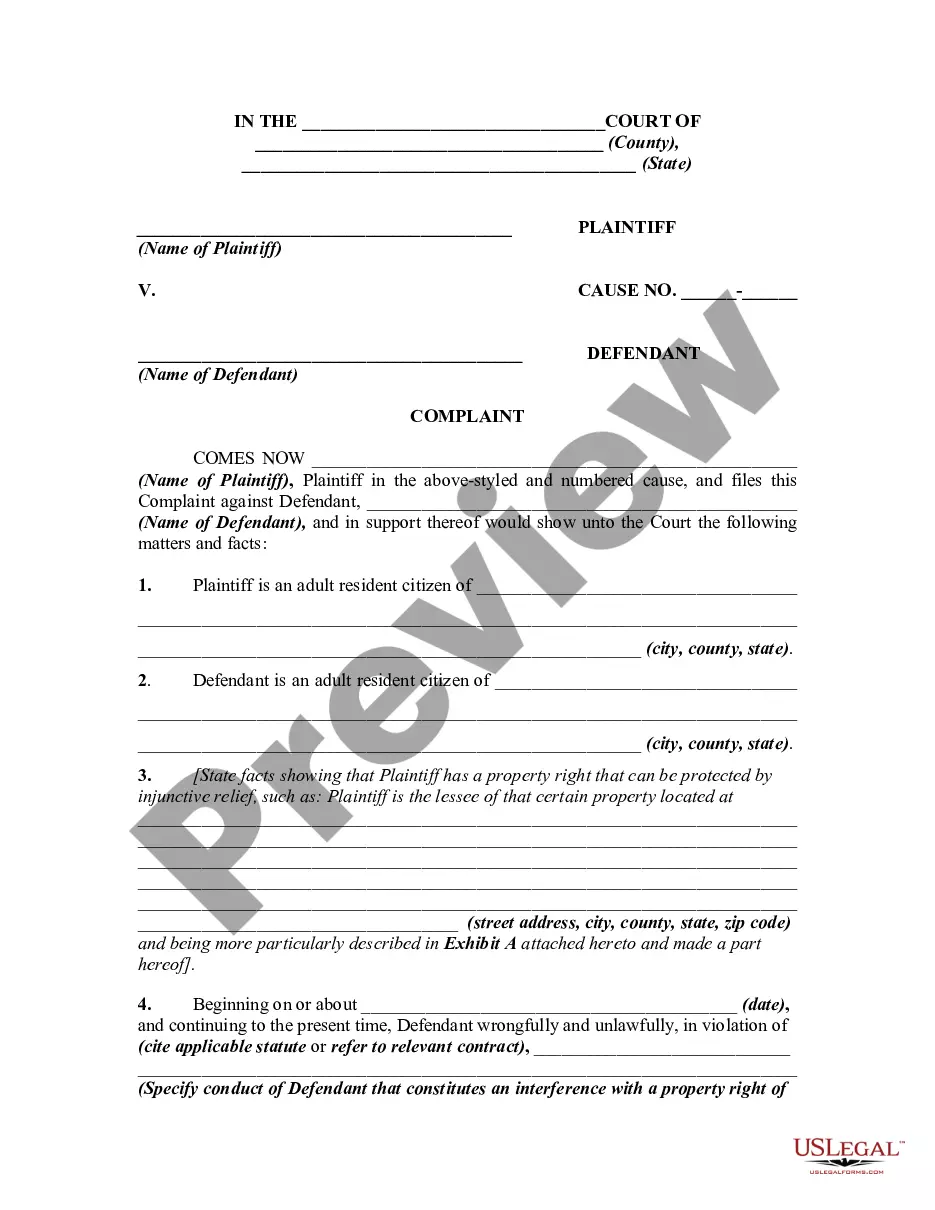
Sample Restraining Order Form For California In San Bernardino
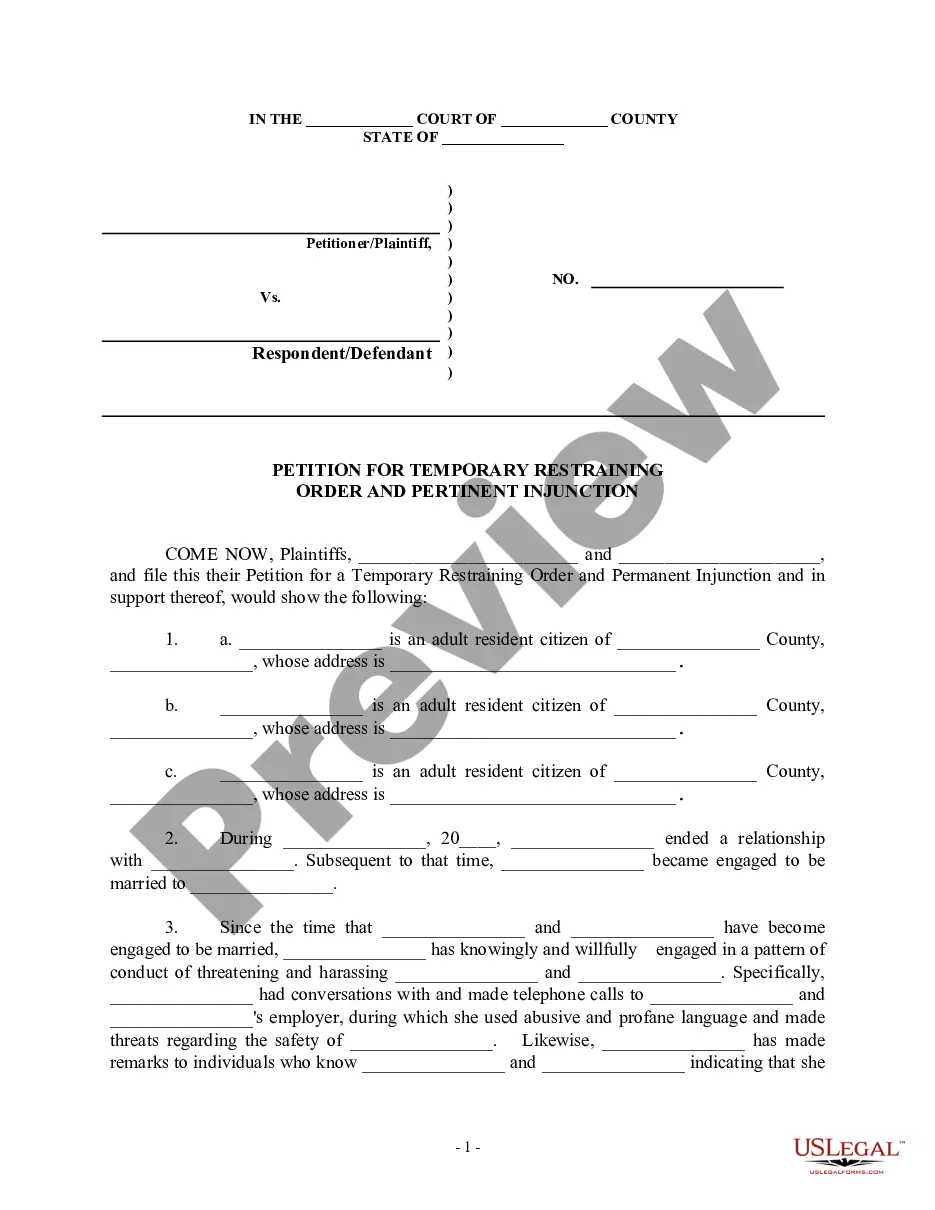
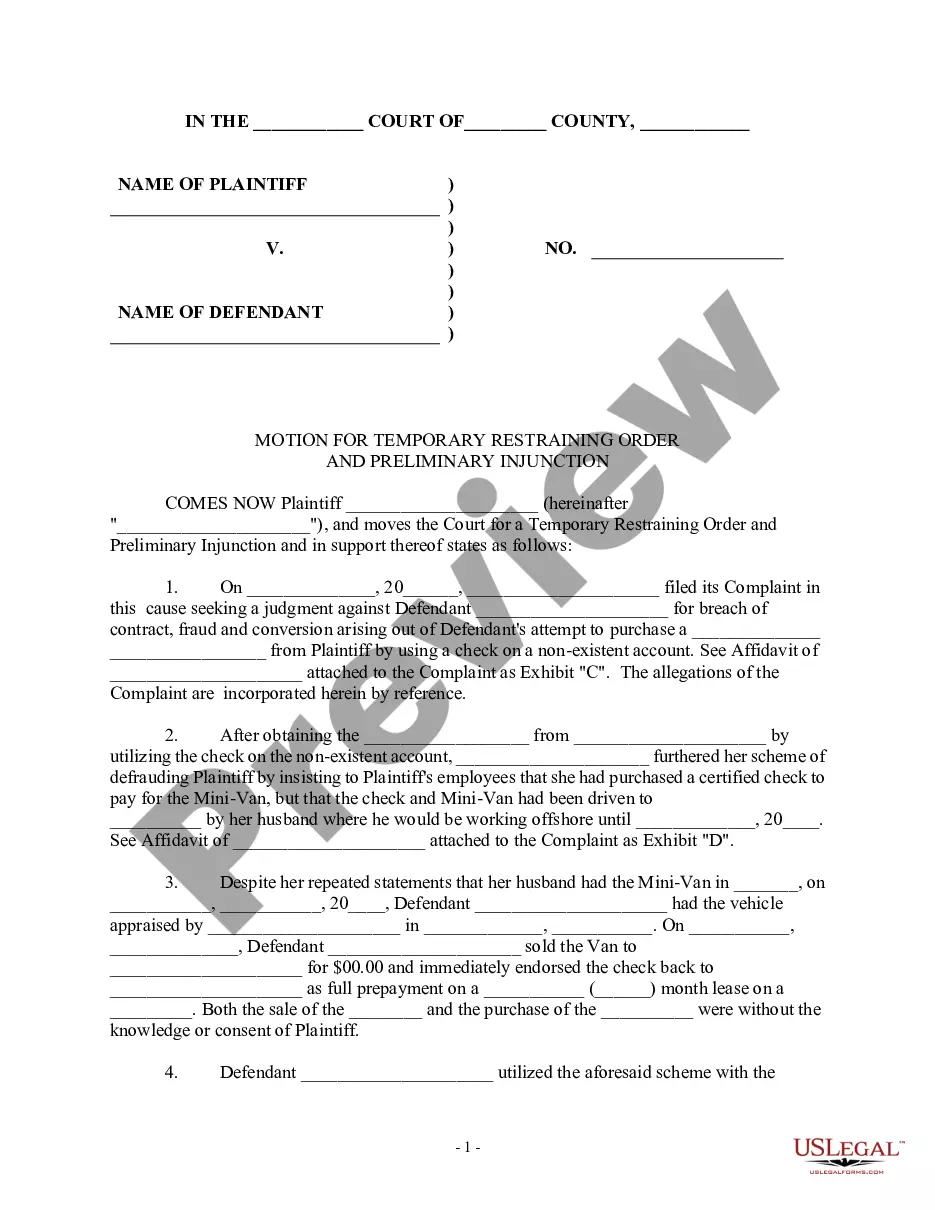
Description








Form popularity
FAQ
California Domestic Violence Laws. In the State of California, as in many other states, “Restraining Orders” and “Protective Orders” mean exactly the same thing.
Obtaining a restraining order is a legal process. However, you don't need a lawyer to obtain a restraining order. To obtain the forms, or for information on agencies that can assist you with this process, go to the Los Angeles County Superior Court website.
For a domestic violence restraining order, the burden of proof is a “preponderance of the evidence.” You must show, by a preponderance of evidence, that the court should rule in your favor. Preponderance of evidence simply means that it is more likely than not.
Fill out all required forms Request for Civil Harassment Restraining Orders (form CH-100) Confidential CLETS Information (form CLETS-001) Notice of Court Hearing (form CH-109) Temporary Restraining Order (form CH-110) Civil Case Cover Sheet (form CM-010)
Anyone seeking such an order must be prepared to present some evidence in addition to their own written statements and testimony in Court. This standard means that the Court must see photographs, text messages, e-mails or any other physical evidence that can support claims made by the Petitioner.
To obtain a permanent civil restraining order the Petitioner must prove their allegations to the court with “Clear and Convincing” evidence. Clear and convincing evidence goes far beyond simple declarations.
A significant change in circumstances, such as improved behavior, completion of anger management or counseling programs, or evidence that the risk of violence has diminished, may provide grounds for seeking the dismissal of a restraining order.