Sample Restraining Order Form With Attorney In Nassau
Description
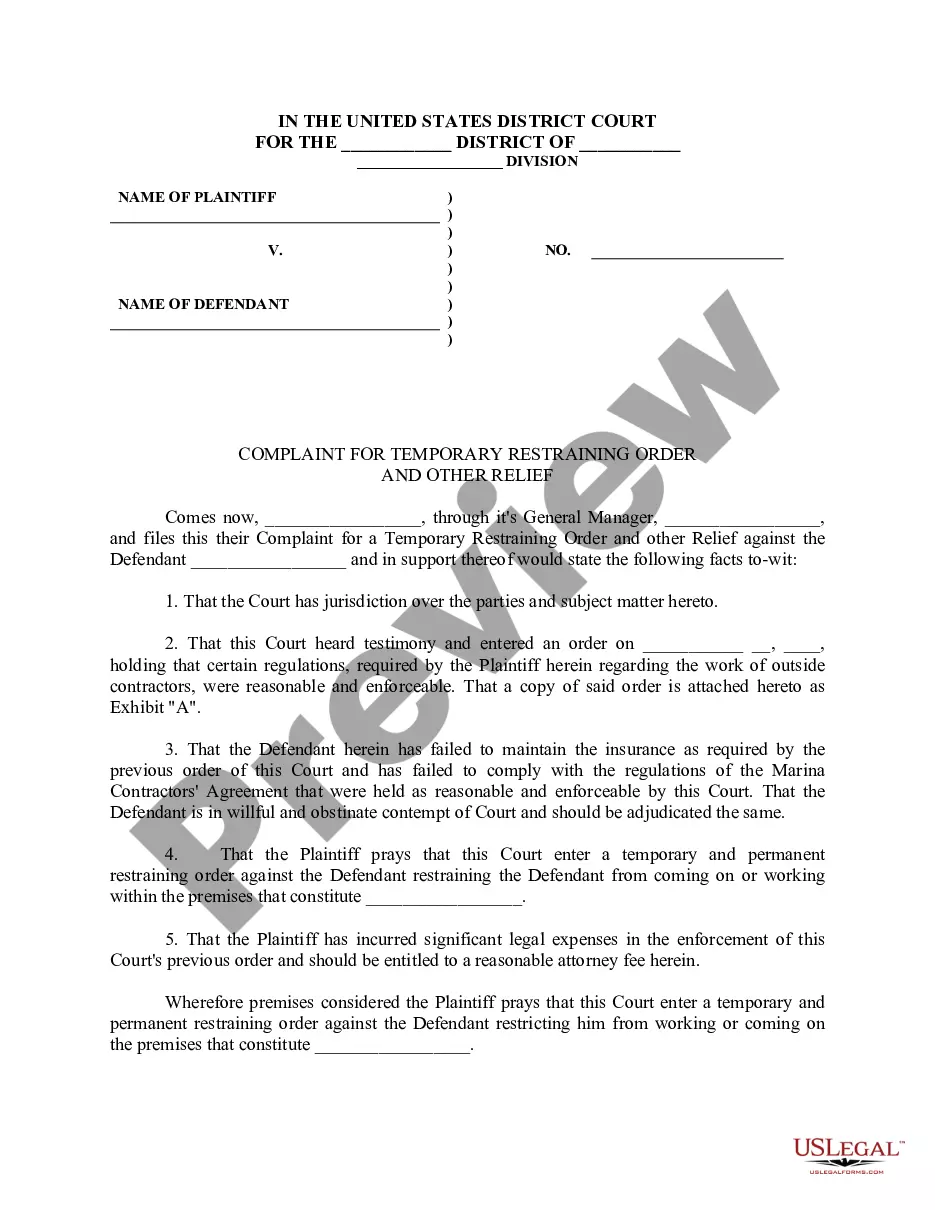


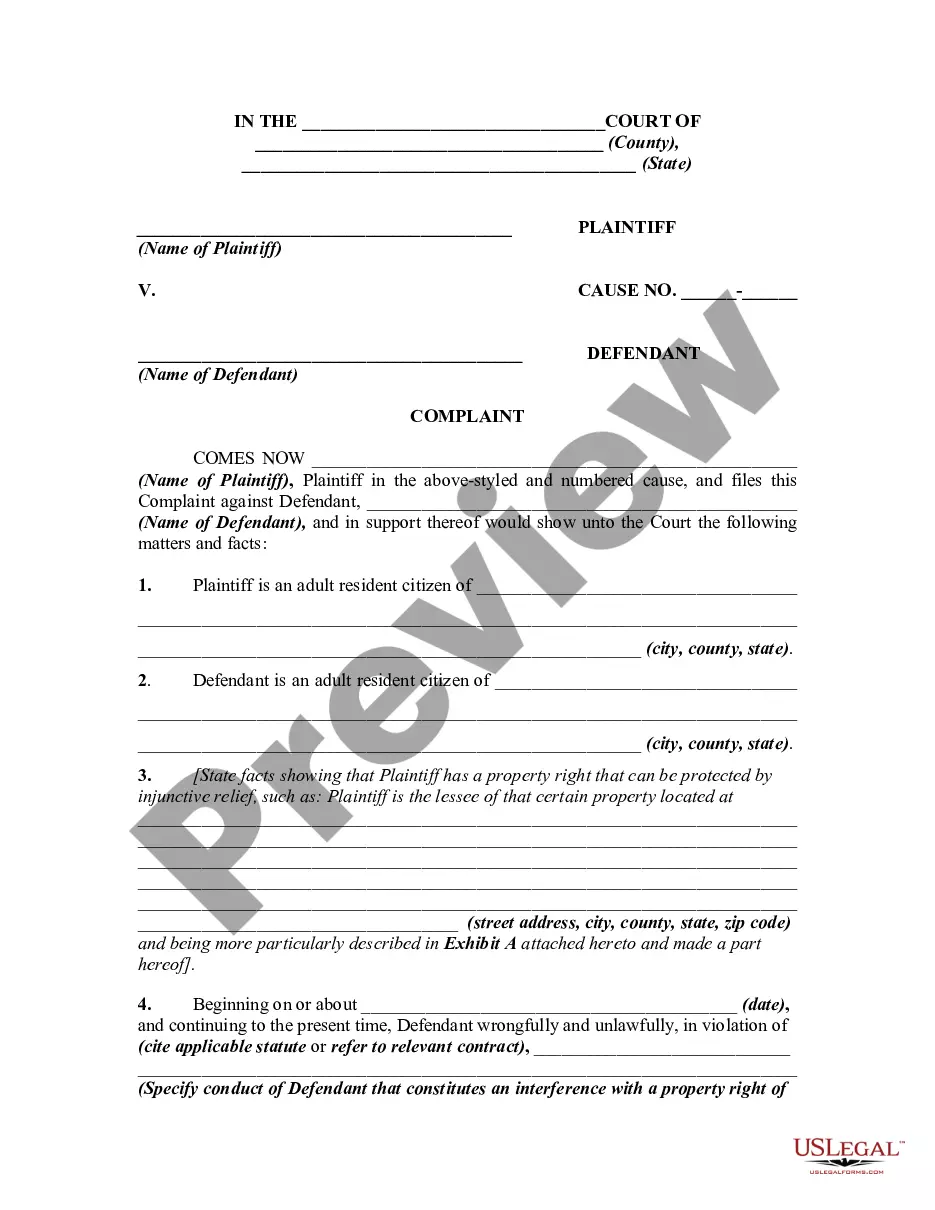
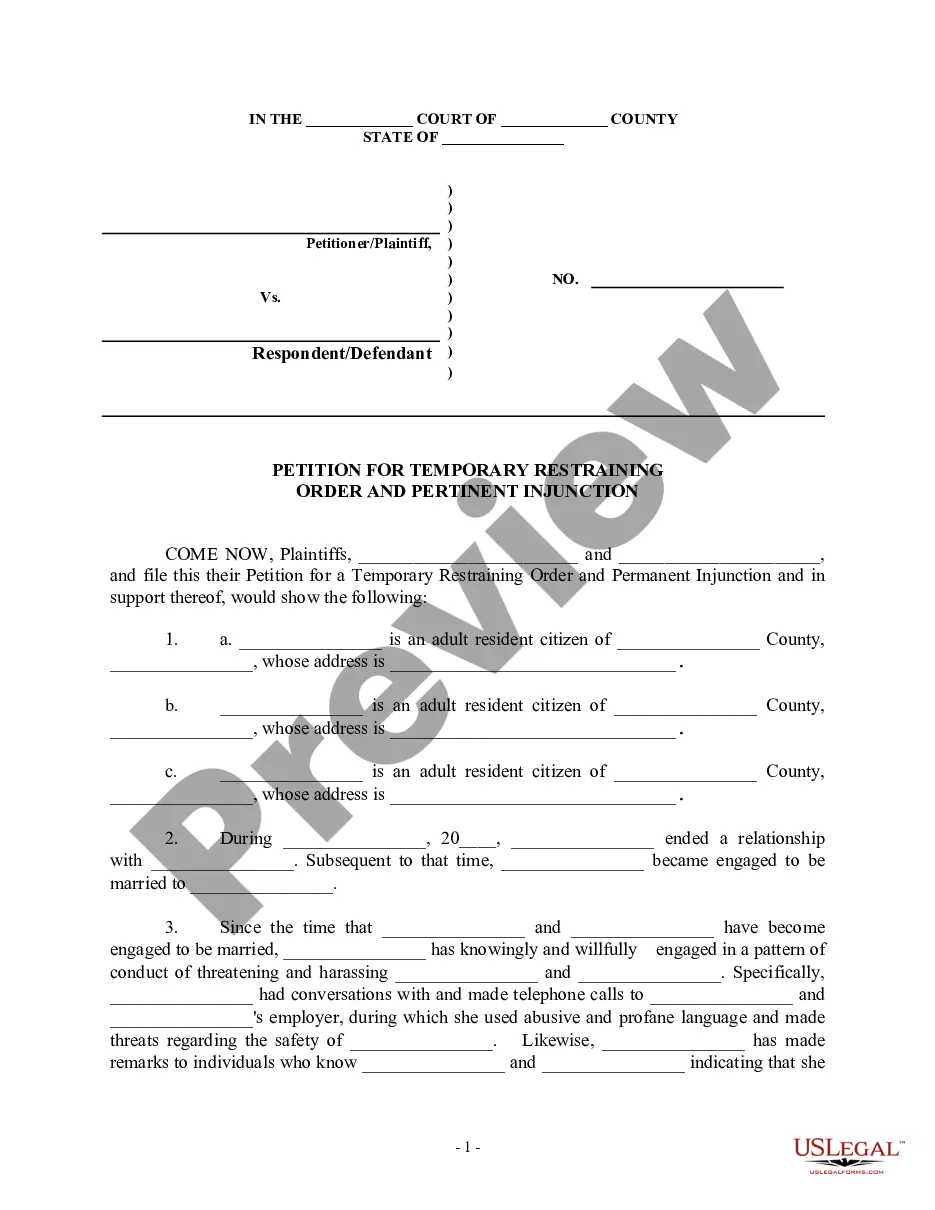

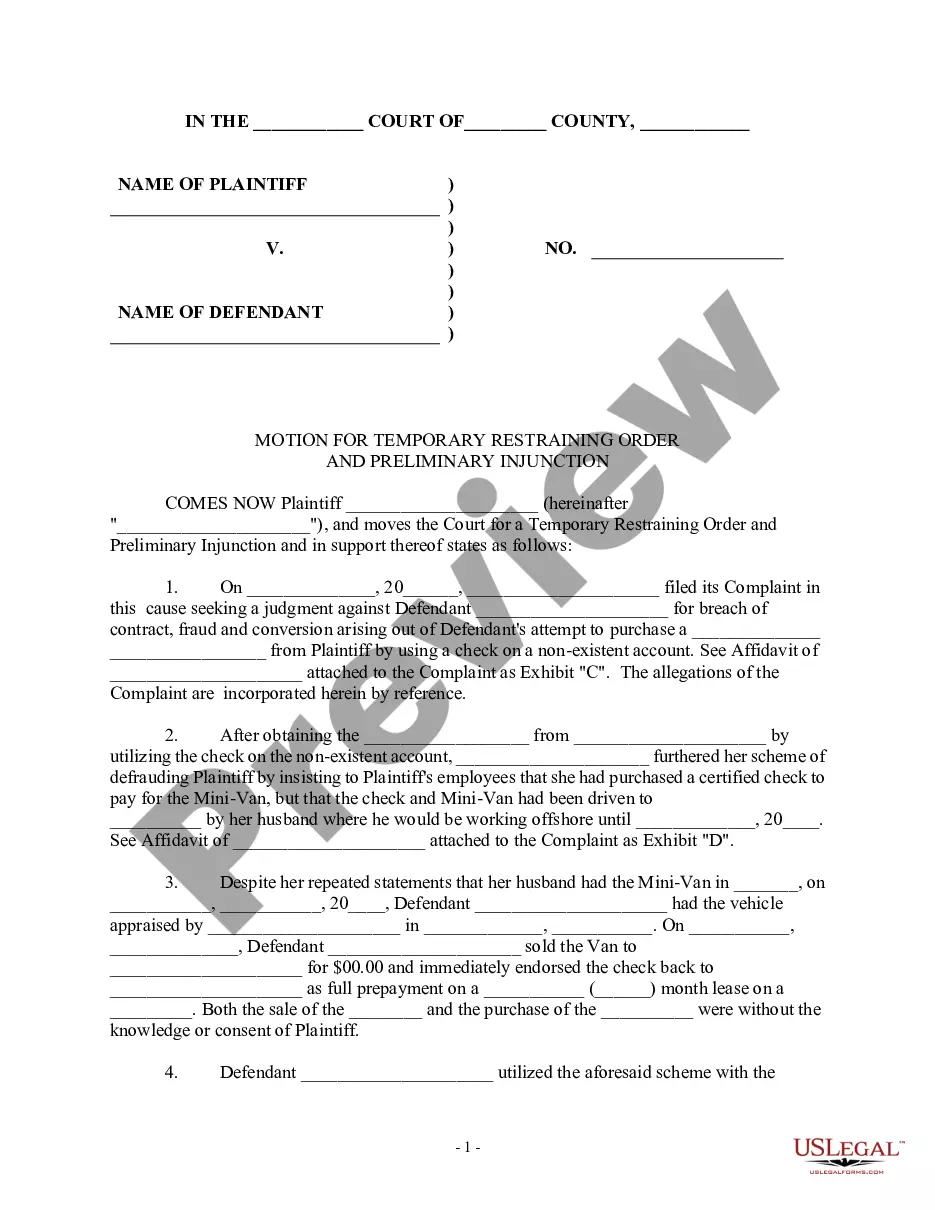
Get your form ready online
Our built-in tools help you complete, sign, share, and store your documents in one place.
Make edits, fill in missing information, and update formatting in US Legal Forms—just like you would in MS Word.
Download a copy, print it, send it by email, or mail it via USPS—whatever works best for your next step.
Sign and collect signatures with our SignNow integration. Send to multiple recipients, set reminders, and more. Go Premium to unlock E-Sign.
If this form requires notarization, complete it online through a secure video call—no need to meet a notary in person or wait for an appointment.
We protect your documents and personal data by following strict security and privacy standards.

Make edits, fill in missing information, and update formatting in US Legal Forms—just like you would in MS Word.

Download a copy, print it, send it by email, or mail it via USPS—whatever works best for your next step.

Sign and collect signatures with our SignNow integration. Send to multiple recipients, set reminders, and more. Go Premium to unlock E-Sign.

If this form requires notarization, complete it online through a secure video call—no need to meet a notary in person or wait for an appointment.

We protect your documents and personal data by following strict security and privacy standards.
Looking for another form?








Form popularity
FAQ
In order to respond to a motion or an order to show cause, you must prepare answering papers. If you disagree with what is being asked for in the motion or order to show cause, you must prepare an affidavit in opposition (see Exhibit A).
Bringing a motion by notice usually gives the other side weeks to respond and sets no real deadline for the court to make a decision. If the movant cannot wait weeks, she may submit an order to show cause, asking the court to set tight deadlines for a response and to make a decision.
An Order to Show Cause is way to present to a judge the reasons why the court should order relief to a party. For example, a party can seek an order granting discovery, or dismissing all or part of an action by bringing an Order to Show Cause.
Legal Examples: A Show Cause Order is issued to a party who has allegedly violated a court order. The individual must appear in court to explain why they should not be held in contempt for failing to comply with the original order, such as not paying court-ordered child support.
To get an order of protection, you must allege that the abuser committed one or more “family offenses” against you. The following crimes are considered to be family offenses when the victim and abuser are/were related by blood, marriage, in an intimate relationship, or they have a child in common: Disorderly conduct.
In New York, this type of substitute motion is called an "Order to Show Cause." An order to show cause can be heard anytime the court directs, even fewer than the usual eight days, and even as short as a few hours later, if the court is convinced there's a real emergency.
Key Differences A Harassment Order addresses unwanted behavior that may not necessarily involve physical harm but still causes significant distress to the victim. In contrast, a Restraining Order is typically sought in cases involving a history of violence, physical threat, or other forms of serious harm.
California law defines abuse as any act that puts you, your children, or another person in immediate fear of injury, as well as any act that causes harm to you or your property. If such harm exists, you can file a request for an order to keep the abuser away.
A temporary order of protection is issued on the day you file for an order of protection before the respondent is served with the papers. It only lasts until the next time that you are in court. The court usually will extend the temporary order at each court date until the case is over.