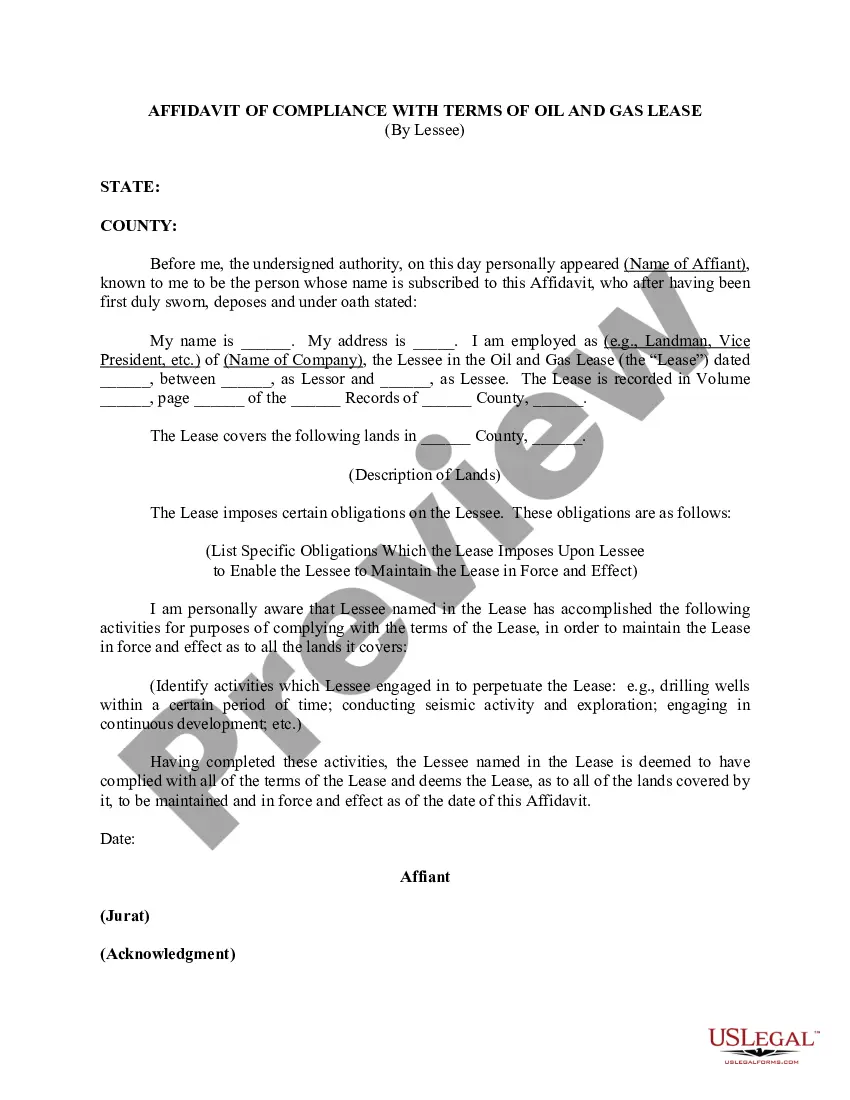
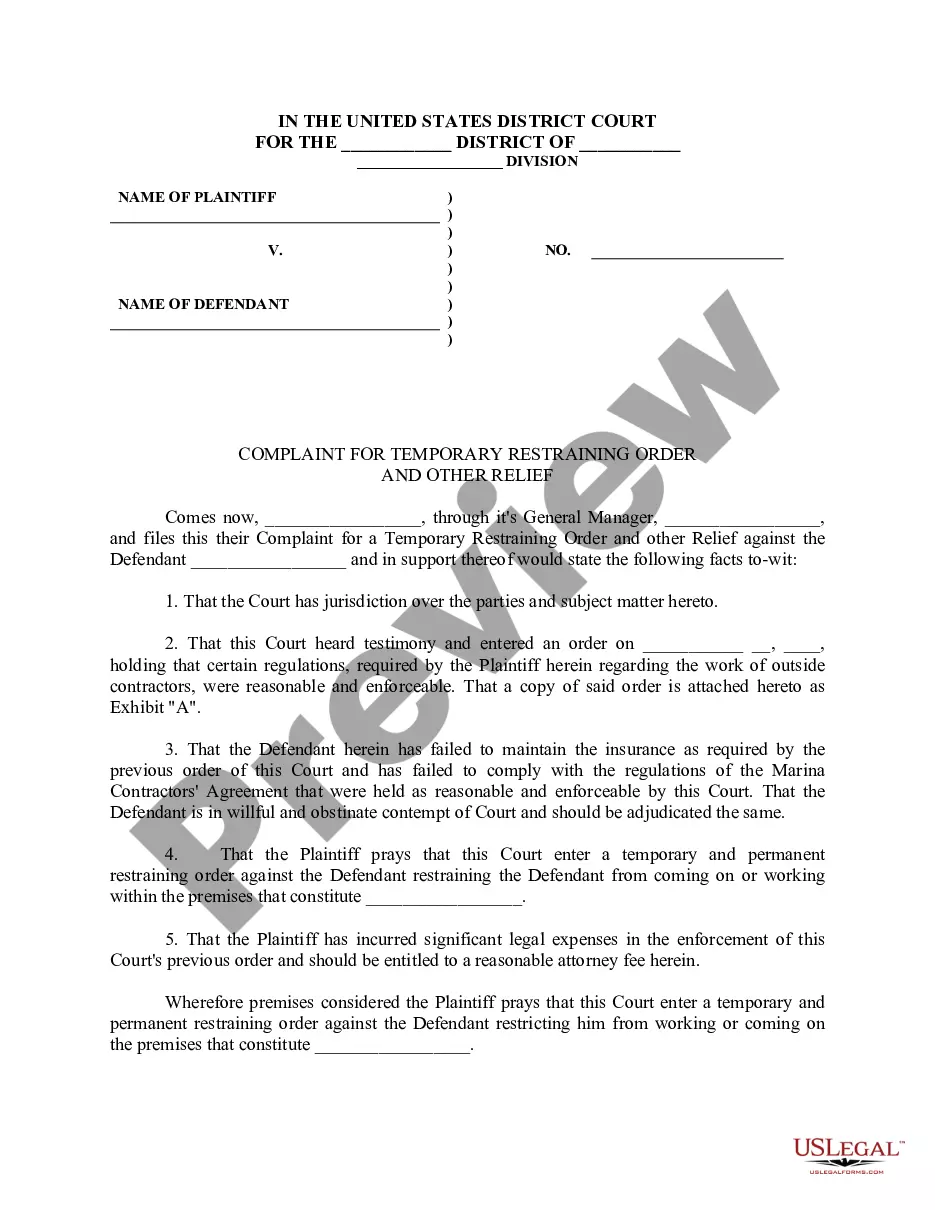
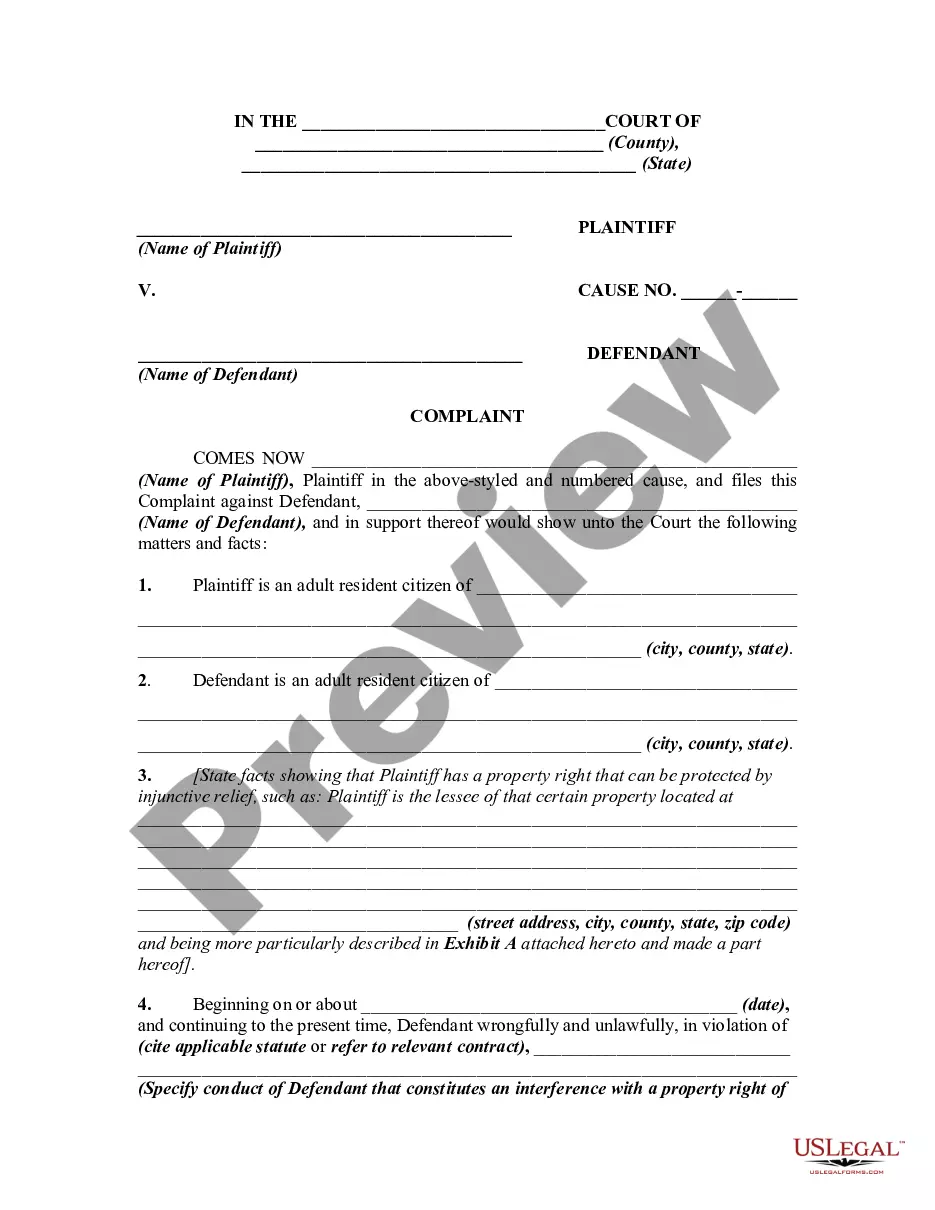
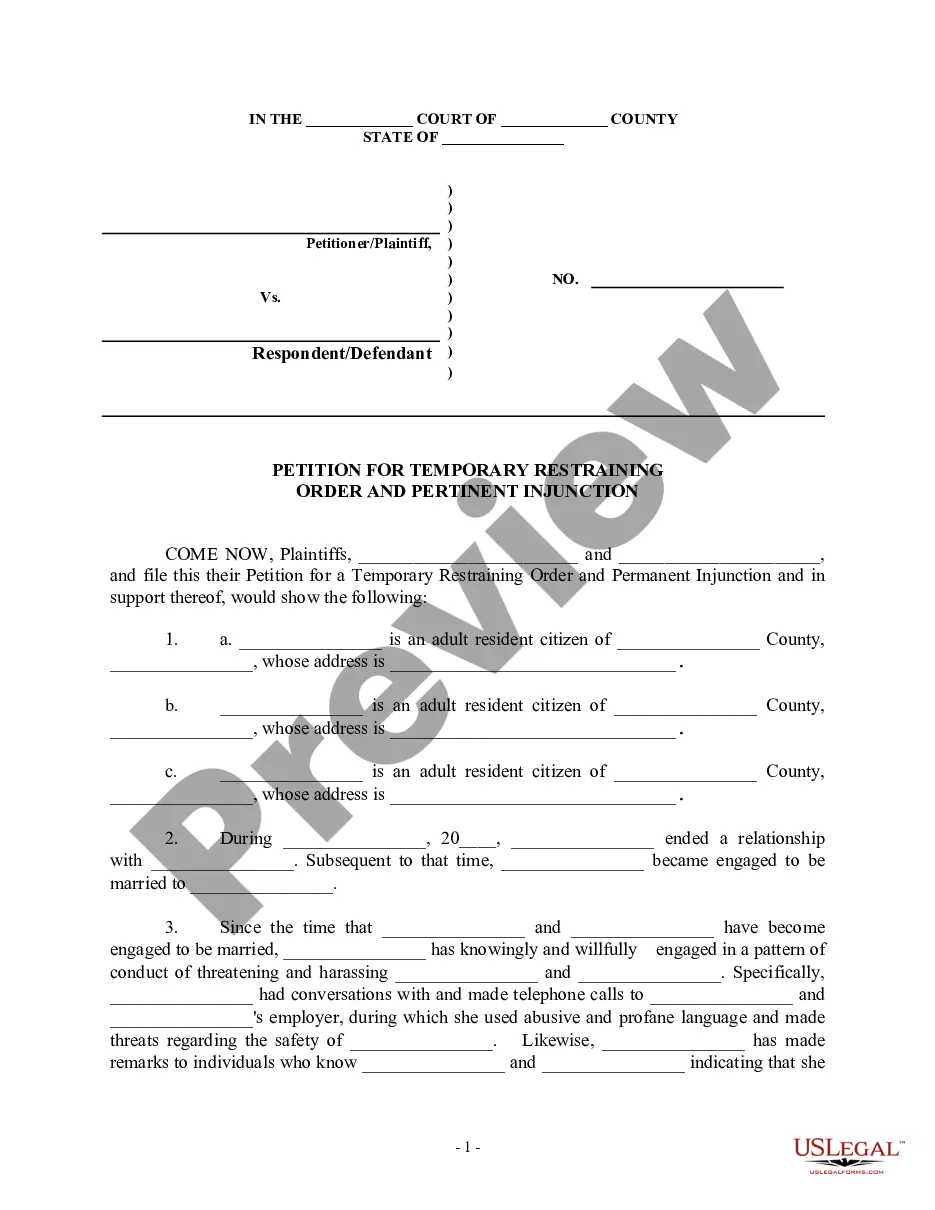
Sample Restraining Order Form Foreclosure Texas In Illinois
Description



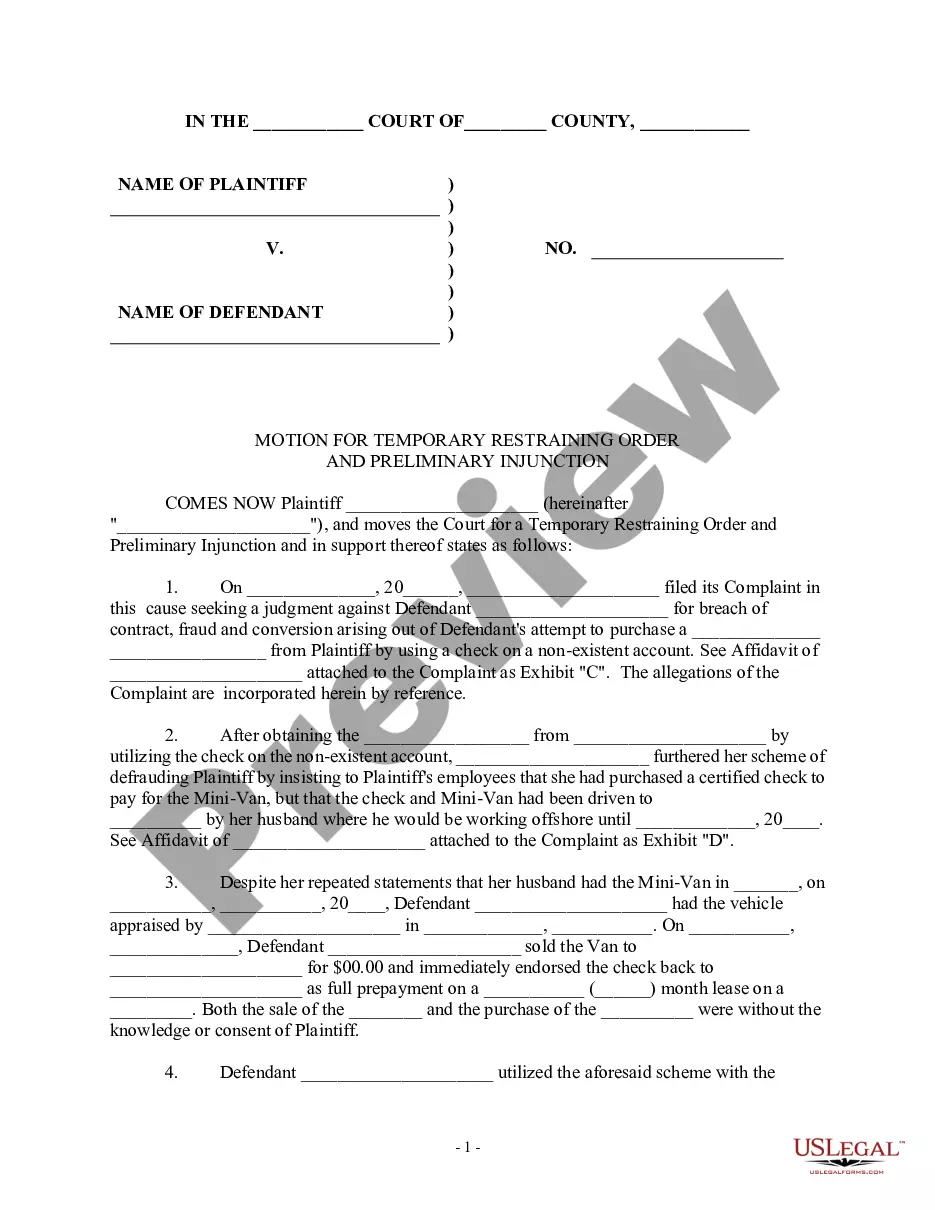
Get your form ready online
Our built-in tools help you complete, sign, share, and store your documents in one place.
Make edits, fill in missing information, and update formatting in US Legal Forms—just like you would in MS Word.
Download a copy, print it, send it by email, or mail it via USPS—whatever works best for your next step.
Sign and collect signatures with our SignNow integration. Send to multiple recipients, set reminders, and more. Go Premium to unlock E-Sign.
If this form requires notarization, complete it online through a secure video call—no need to meet a notary in person or wait for an appointment.
We protect your documents and personal data by following strict security and privacy standards.

Make edits, fill in missing information, and update formatting in US Legal Forms—just like you would in MS Word.

Download a copy, print it, send it by email, or mail it via USPS—whatever works best for your next step.

Sign and collect signatures with our SignNow integration. Send to multiple recipients, set reminders, and more. Go Premium to unlock E-Sign.

If this form requires notarization, complete it online through a secure video call—no need to meet a notary in person or wait for an appointment.

We protect your documents and personal data by following strict security and privacy standards.
Looking for another form?



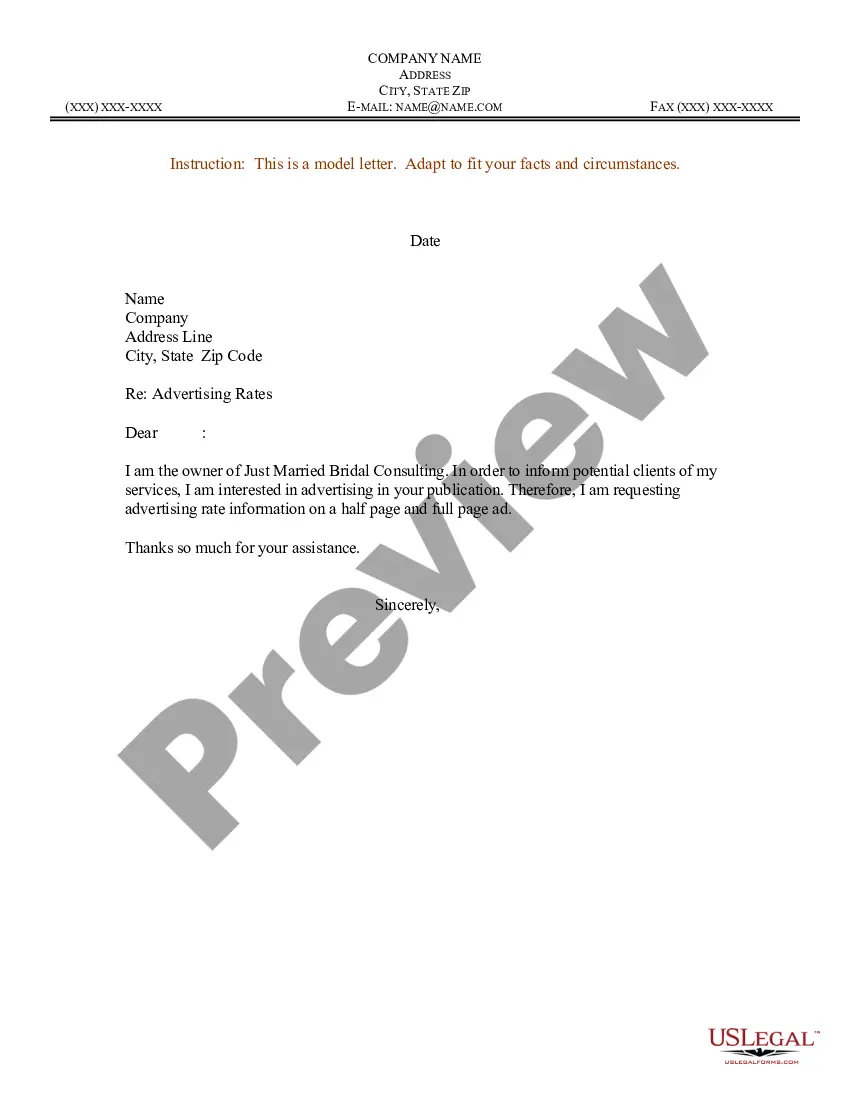
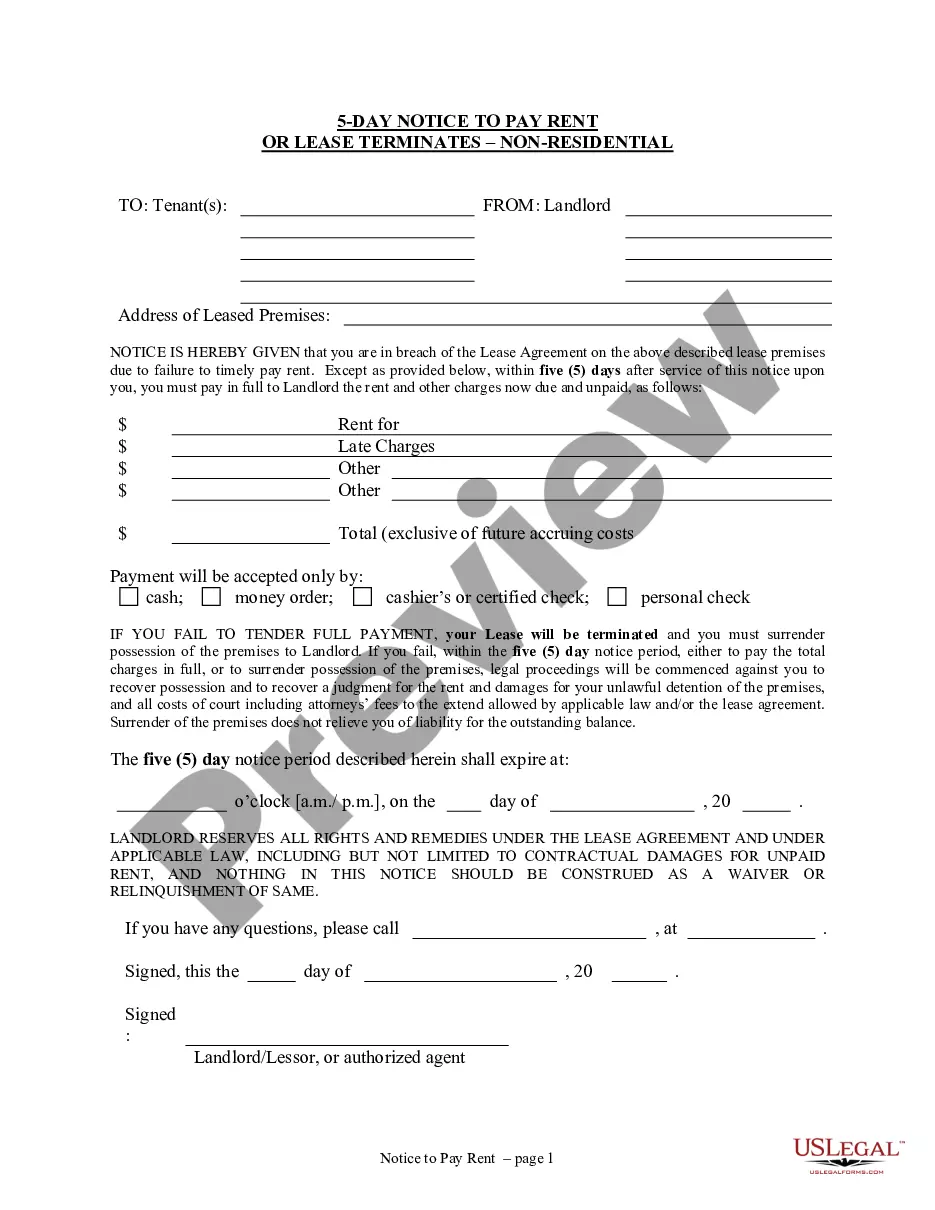

Form popularity
FAQ
Harassment, intimidation, interference with personal liberty, each have their own definition. These are pretty specific instances described as harassment. Any testimony to an incidence such as these will be sufficient evidence for a finding of “harassment” thereby allowing the court to issue an order of protection.
The standard of proof required is “a preponderance of the evidence,” the default standard of proof in civil litigation proceedings, which requires the party with the burden of proof to show that the allegations giving rise to a cause of action are more likely than not to be true.
Generally, under Illinois law, a plaintiff must present evidence in support of four factors before a court will issue a TRO or other form of injunction: (1) the plaintiff possesses a clearly ascertainable right in need of protection, (2) there is a likelihood that the plaintiff will succeed on the merits, (3) the ...
You can potentially obtain a TRO by convincing the judge assigned to your case that you would suffer harm that could only be described as “irreparable” if they don't halt the foreclosure process temporarily. Sometimes, the TRO process all takes place within 24-48 hours. A TRO is, by definition, temporary.
No. You also cannot expunge records of orders of protection, or of divorce and other civil matters. Can I expunge or seal a DUI? Not in Illinois.
To begin the process of terminating an order of protection, the restrained person must file a motion to dissolve the order. This involves completing court forms that request the termination or modification of the existing order. The forms must be submitted to the district court that issued the protection order.
Contact a skilled criminal defense attorney who has experience fighting orders of protection cases in Illinois. Gather evidence supporting your defense, including videos, recordings, text messages, voicemails, documents, or witnesses. Attend all court dates and hearings with your attorney.
An Order of Protection is a civil case, not a criminal matter; therefore, it will not go on the respondent's criminal record. Although the Order of Protection will not become part of the public record, law enforcement officers and the court clerk in your county can check to find out that it exists.