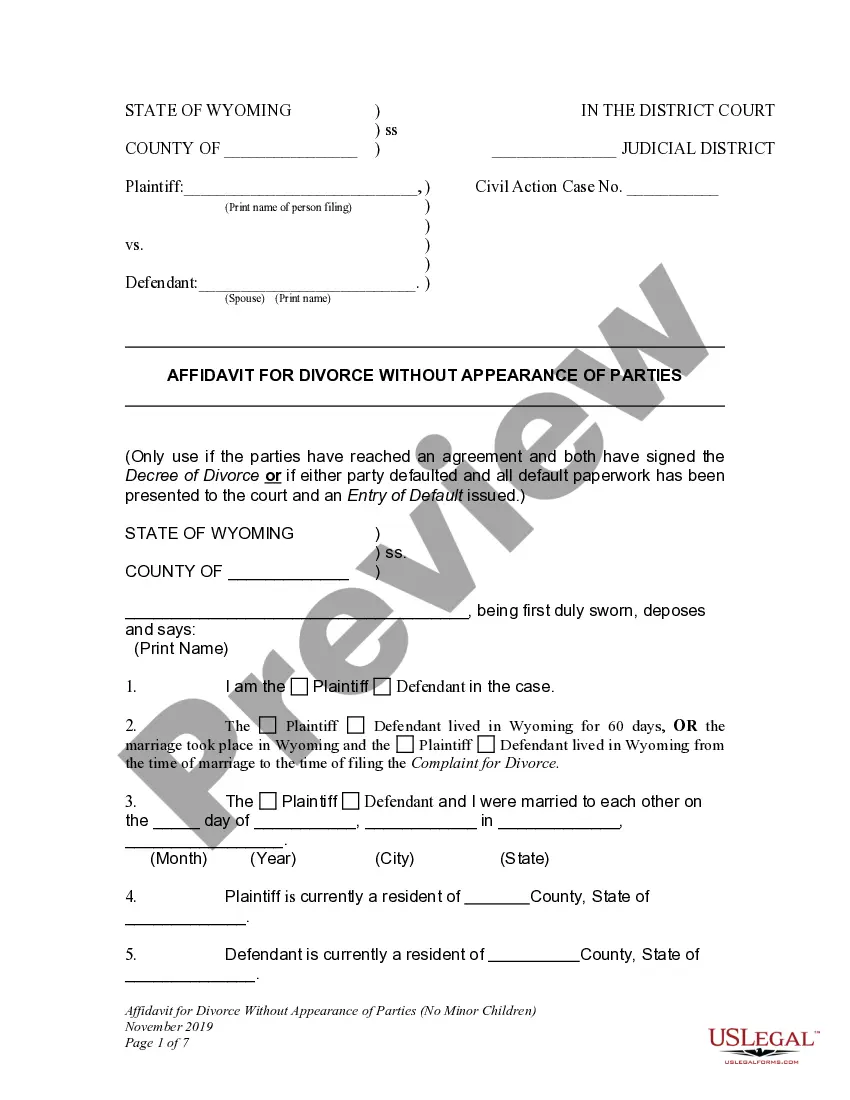
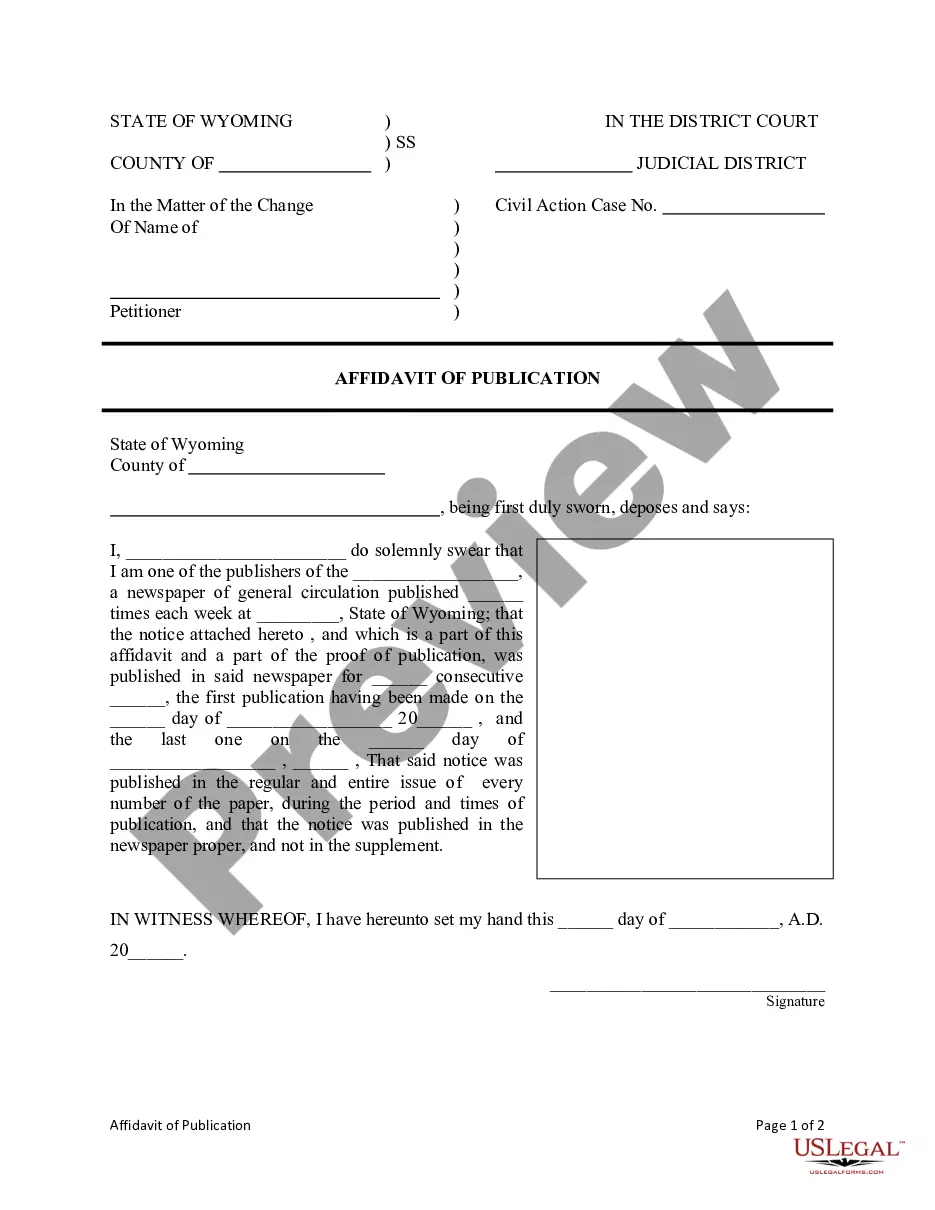
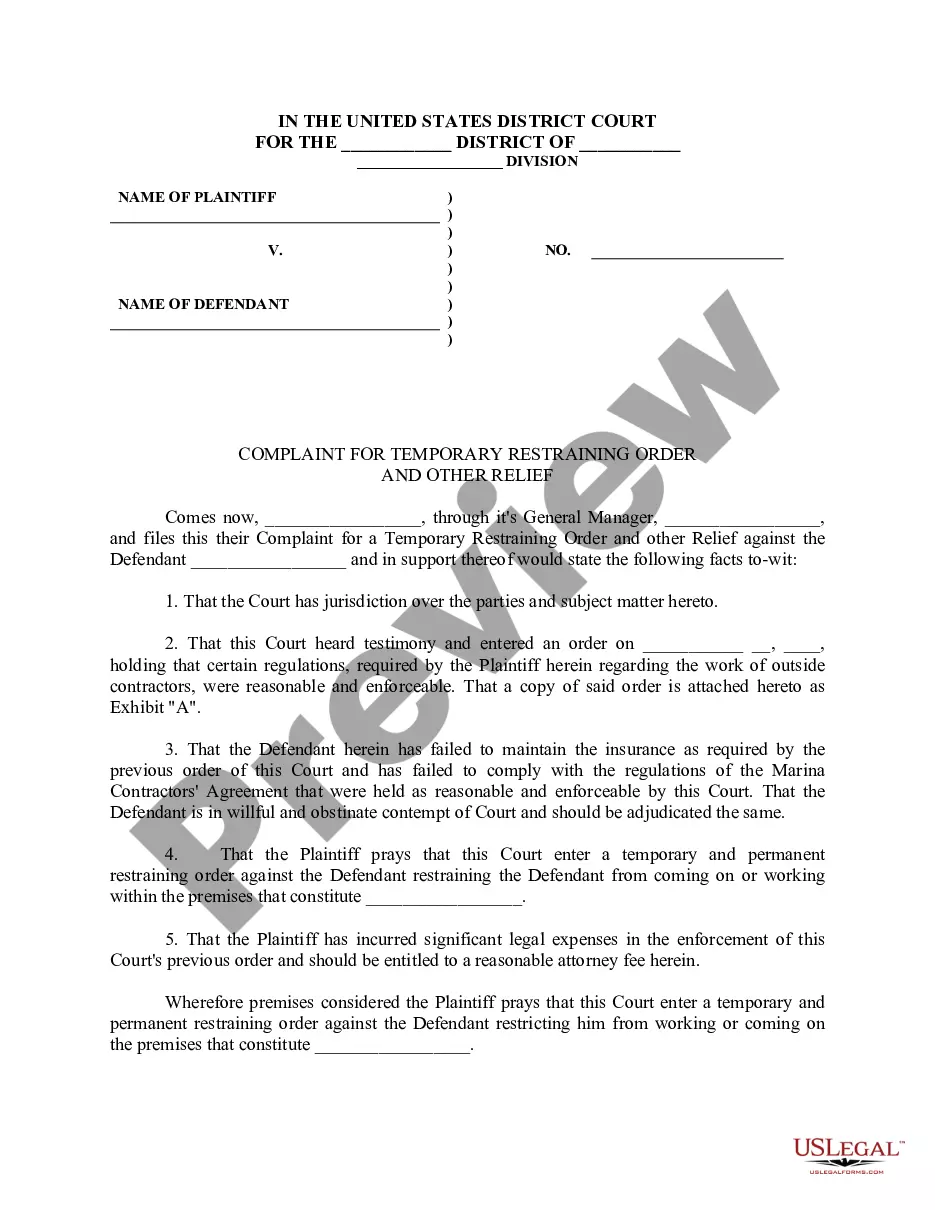
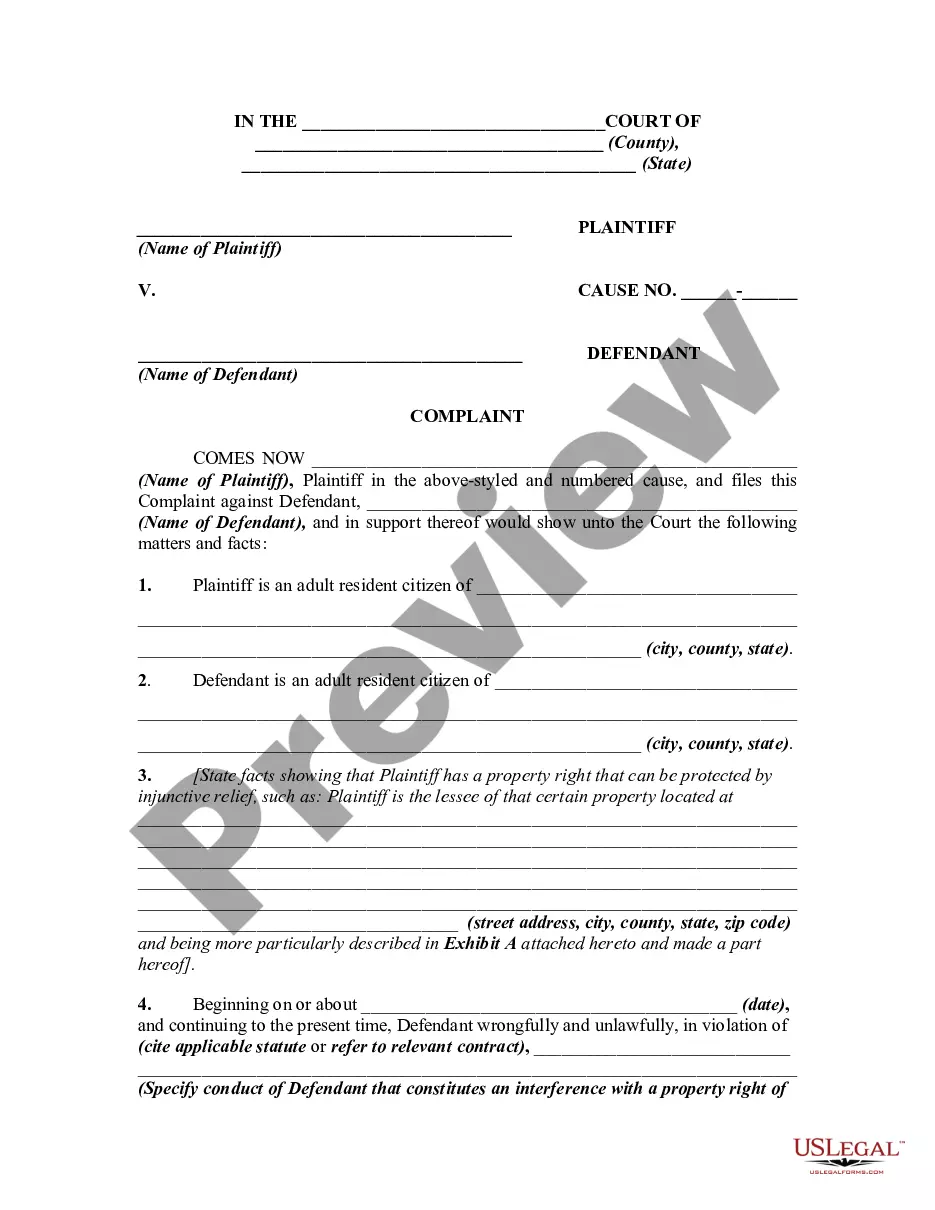
Sample Restraining Order Form Foreclosure Texas In Georgia
Description


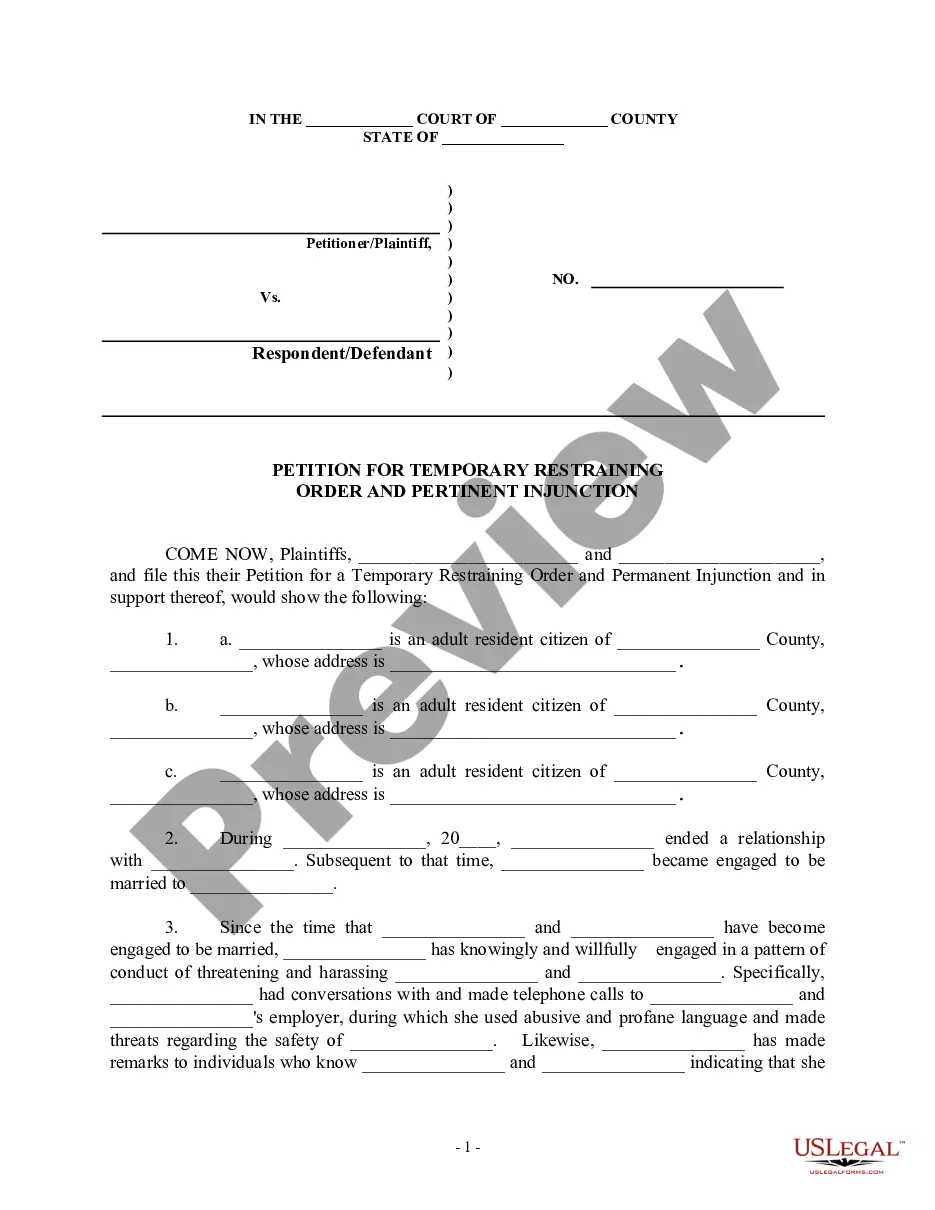

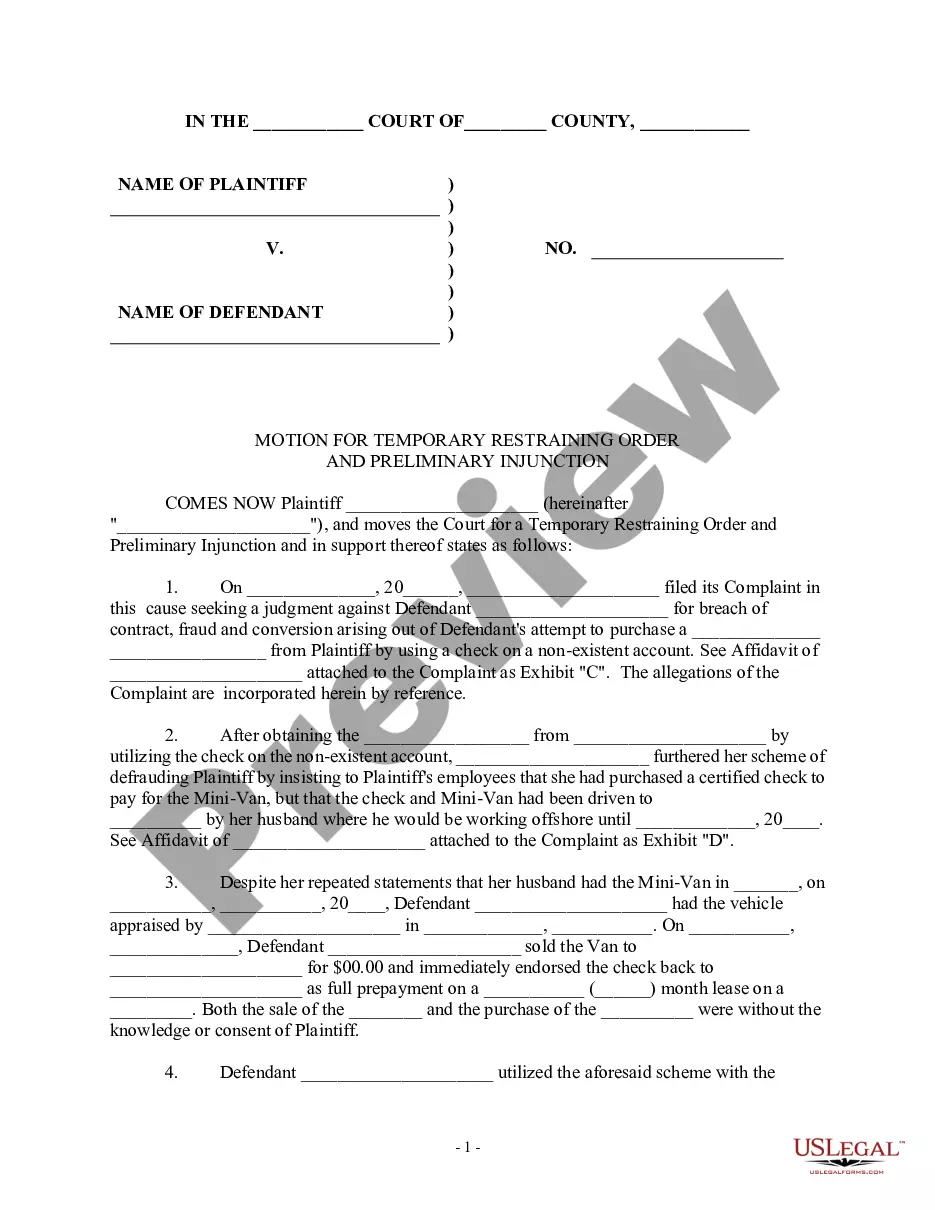
Get your form ready online
Our built-in tools help you complete, sign, share, and store your documents in one place.
Make edits, fill in missing information, and update formatting in US Legal Forms—just like you would in MS Word.
Download a copy, print it, send it by email, or mail it via USPS—whatever works best for your next step.
Sign and collect signatures with our SignNow integration. Send to multiple recipients, set reminders, and more. Go Premium to unlock E-Sign.
If this form requires notarization, complete it online through a secure video call—no need to meet a notary in person or wait for an appointment.
We protect your documents and personal data by following strict security and privacy standards.

Make edits, fill in missing information, and update formatting in US Legal Forms—just like you would in MS Word.

Download a copy, print it, send it by email, or mail it via USPS—whatever works best for your next step.

Sign and collect signatures with our SignNow integration. Send to multiple recipients, set reminders, and more. Go Premium to unlock E-Sign.

If this form requires notarization, complete it online through a secure video call—no need to meet a notary in person or wait for an appointment.

We protect your documents and personal data by following strict security and privacy standards.
Looking for another form?







Form popularity
FAQ
The Georgia Protective Order Registry is an online service that stores all Protective Orders issued by the Superior Courts of Georgia as authorized by the Family Violence statutes of the state.
An order of protection can order someone not to injure, threaten or harass you, your family, or any other people listed in the order. For example, it can order someone to: have no contact with you, your family, household members, or your children, regardless of their age (see: Melanie's Law) move out of your home.
A temporary restraining order may be issued with or without notice, based on a declaration that, to the satisfaction of the court, shows reasonable proof of harassment of the petitioner by the respondent, and that great or irreparable harm would result to the petitioner.
State to the court that you would like a restraining order and what you would like the court to order. Be as specific as possible. Examples: “I am asking the court to grant me a _____ month/year injunction.” “I want no contact in person, at home, by phone, at work, by mail or through third parties.”
State to the court that you would like a restraining order and what you would like the court to order. Be as specific as possible. Examples: “I am asking the court to grant me a _____ month/year injunction.” “I want no contact in person, at home, by phone, at work, by mail or through third parties.”
Go to the courthouse in your county or the county where the abuser lives. Find the office of the Clerk of Court. Tell them that you are there to file a petition for a temporary and permanent protection order.
What if I want to drop (dismiss) my permanent restraining order? If you want to drop your restraining order, you need to go back to the court that issued your order and fill out a request (motion) to dismiss the order. You may have to talk to the judge and tell him/her why you want to drop the restraining order.
Protection orders are generally in place when there is no pending criminal case. However, in many cases, a person will seek a protection order prior to a situation where law enforcement gets involved. Then, later, when a criminal act occurs a no contact order is then requested by the prosecutor.
Often, these two terms are used interchangeably, even though there are differences between them. In Texas, a restraining order is often linked to a civil case, whereas a protective order is usually associated with family violence.