Sample Restraining Order Form For Medical Records In Bronx
Description

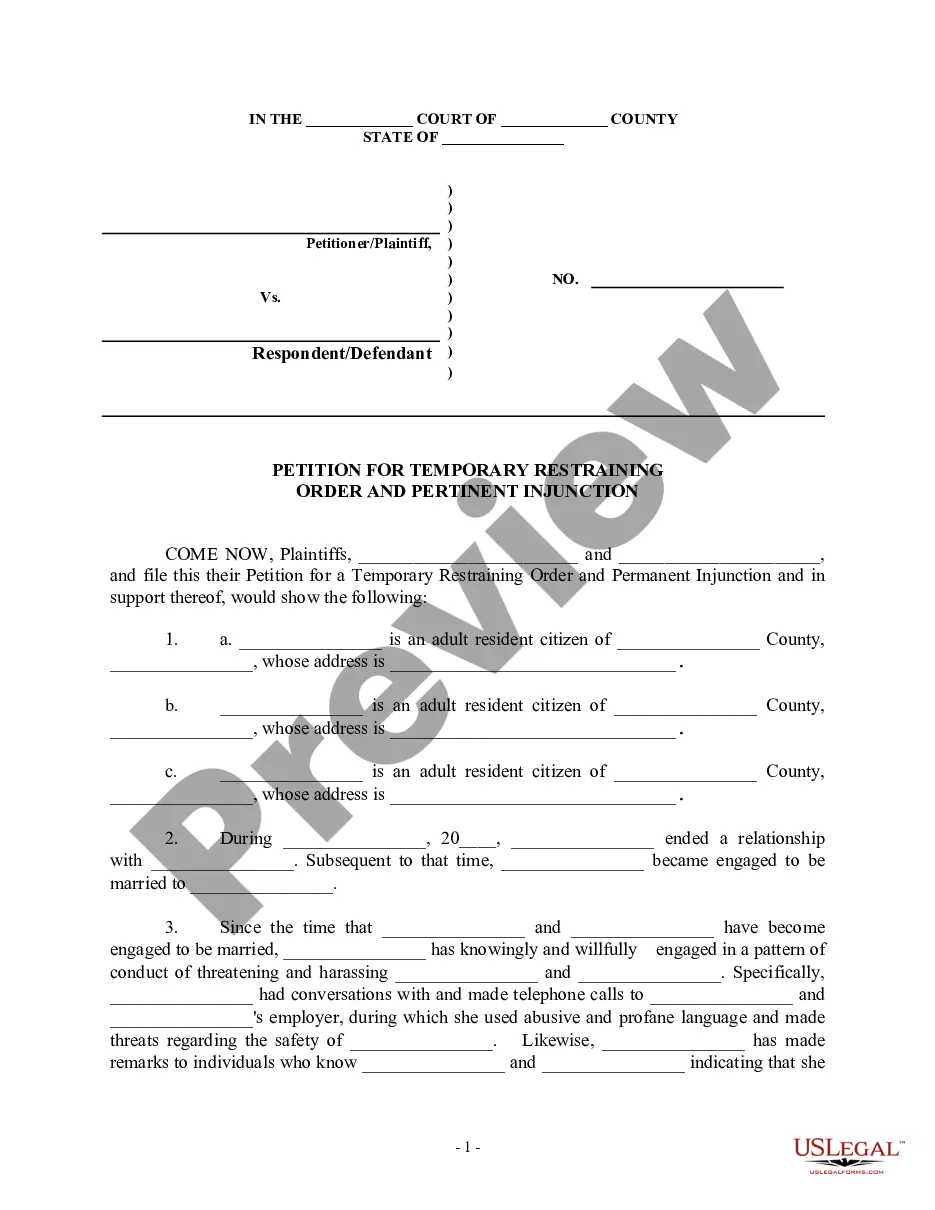

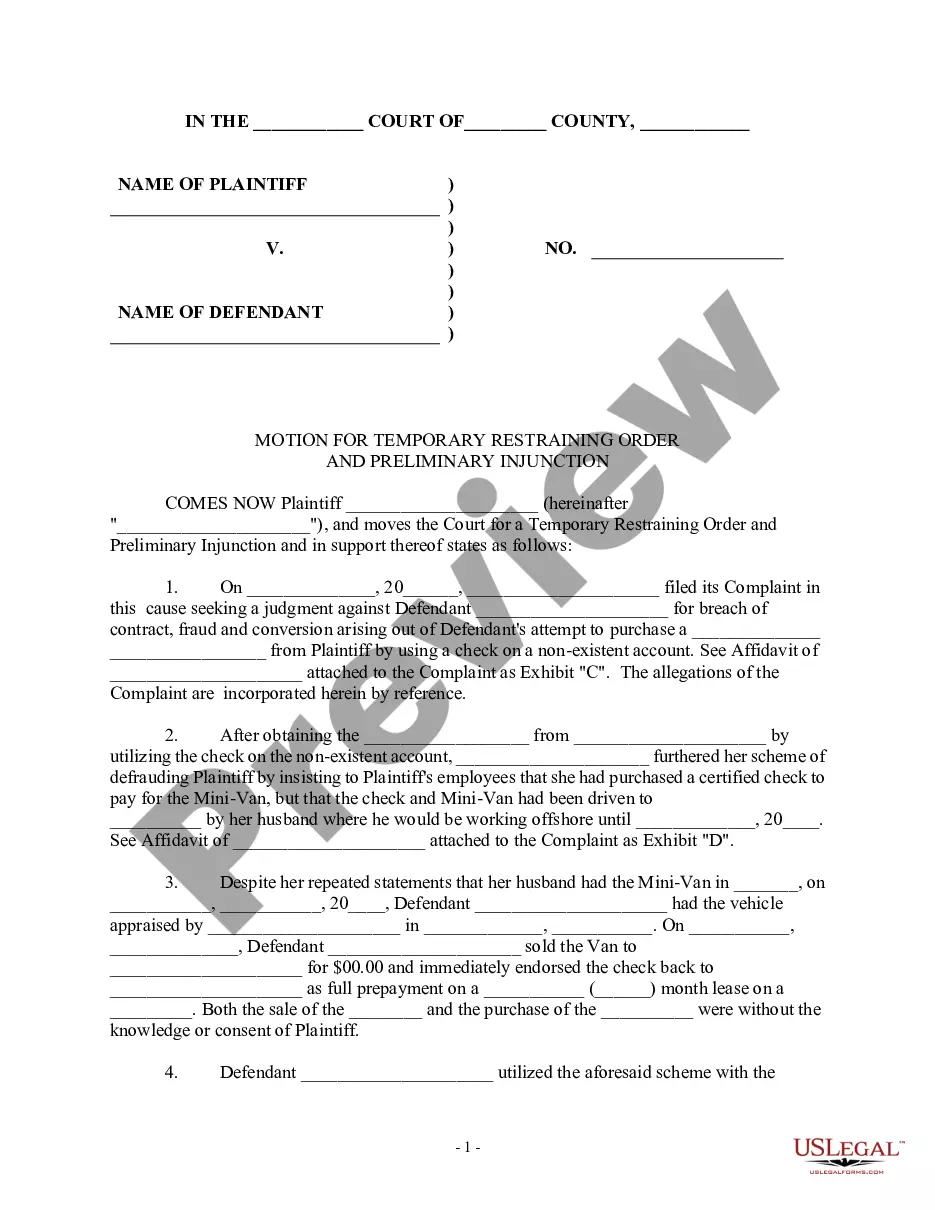
Get your form ready online
Our built-in tools help you complete, sign, share, and store your documents in one place.
Make edits, fill in missing information, and update formatting in US Legal Forms—just like you would in MS Word.
Download a copy, print it, send it by email, or mail it via USPS—whatever works best for your next step.
Sign and collect signatures with our SignNow integration. Send to multiple recipients, set reminders, and more. Go Premium to unlock E-Sign.
If this form requires notarization, complete it online through a secure video call—no need to meet a notary in person or wait for an appointment.
We protect your documents and personal data by following strict security and privacy standards.

Make edits, fill in missing information, and update formatting in US Legal Forms—just like you would in MS Word.

Download a copy, print it, send it by email, or mail it via USPS—whatever works best for your next step.

Sign and collect signatures with our SignNow integration. Send to multiple recipients, set reminders, and more. Go Premium to unlock E-Sign.

If this form requires notarization, complete it online through a secure video call—no need to meet a notary in person or wait for an appointment.

We protect your documents and personal data by following strict security and privacy standards.
Looking for another form?





Form popularity
FAQ
§ 202.20-b is entitled “Limitations on Deposition” and provides that unless stipulated by the parties or court-ordered, depositions taken by the plaintiffs, defendants, or third-party defendants are limited to ten and seven hours per deponent.
A law signed by Governor Hochul in October 2023, with an effective date of January 1, 2024, amended the CPLR to allow affirmations from any person. This brings New York civil practice more in line with federal court practice, where un-notarized declarations have been in use for decades under 28 U.S.C. § 1746.
The proper venue for individual parties is the county of residence for each individual. CPLR § 503(a); Smart Code. There must be substantial proof that the claimed residence is real and permanent, and not an attempt to forum shop.
Any party may move for summary judgment in any action, after issue has been joined; provided however, that the court may set a date after which no such motion may be made, such date being no earlier than thirty days after the filing of the note of issue.
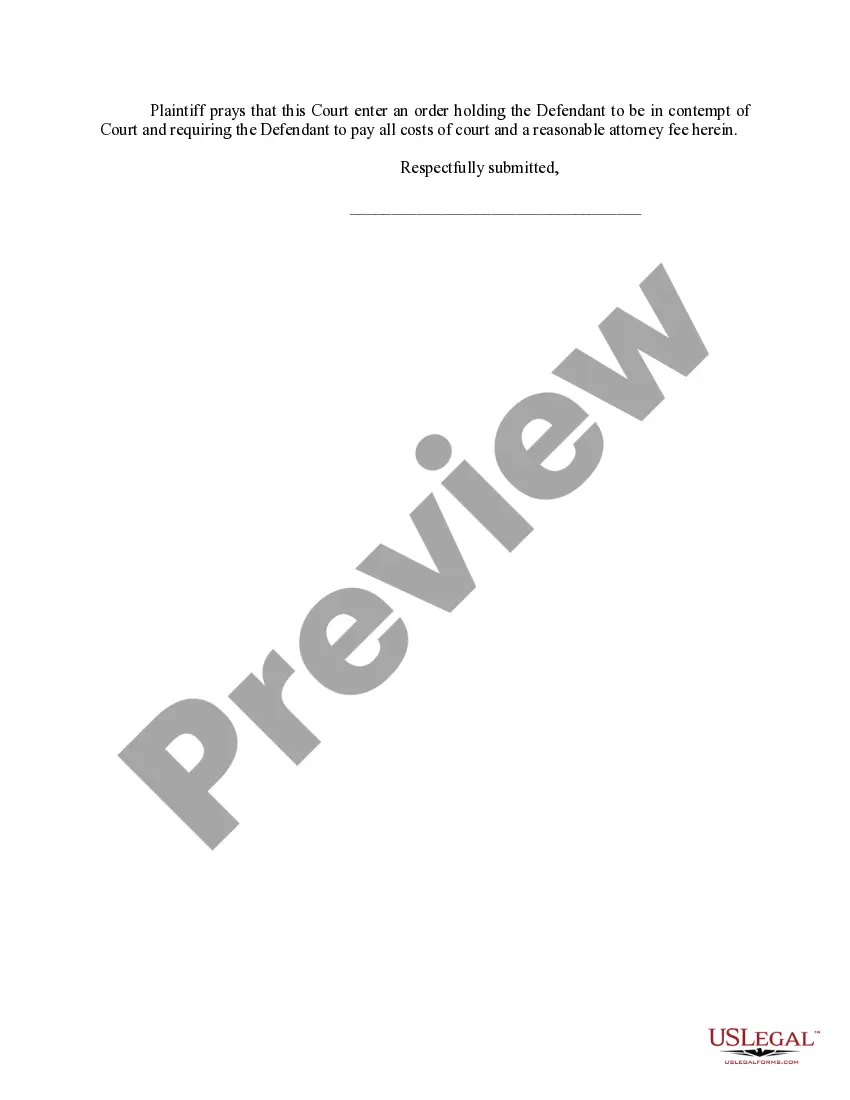
Specifically, pursuant to Uniform Rule 202.7 (f), upon an application for an order to show cause that seeks a temporary restraining order, the application must contain an affirmation demonstrating that there will be significant prejudice to the party seeking the restraining order by the giving of notice.