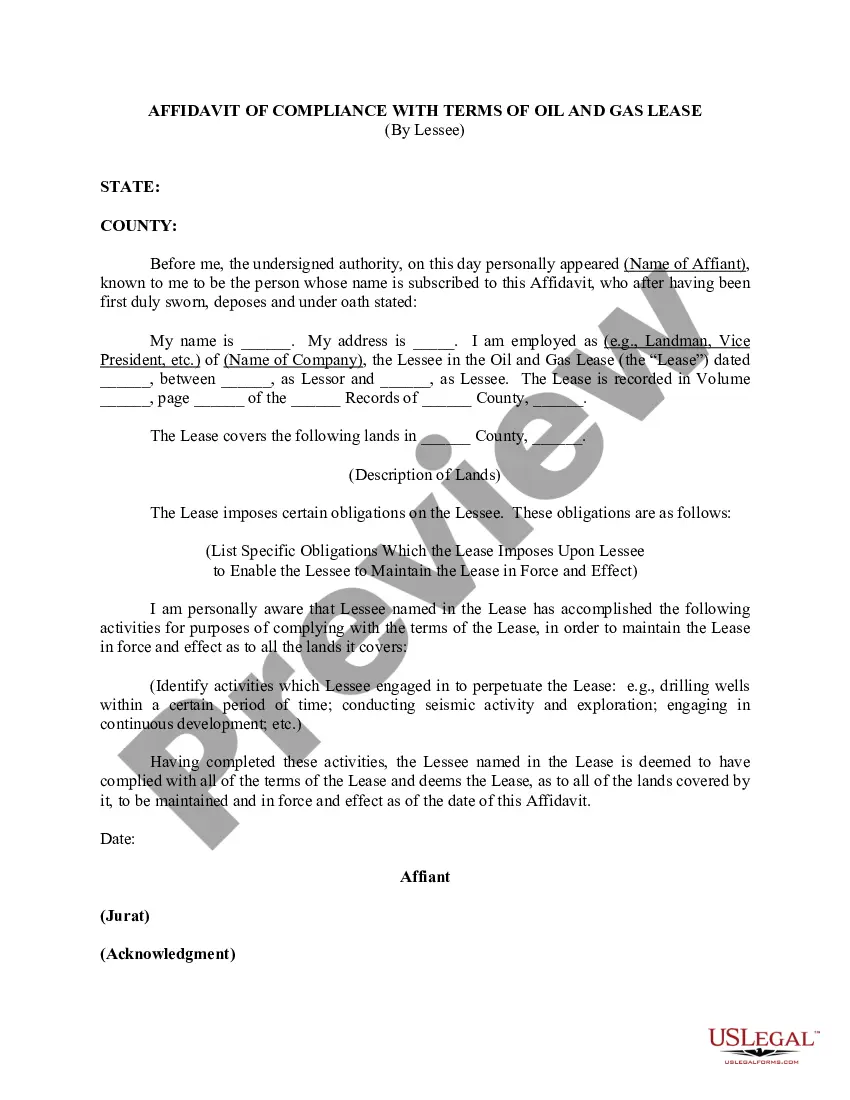
Sample Restraining Order Form Foreclosure Texas In Bexar
Description
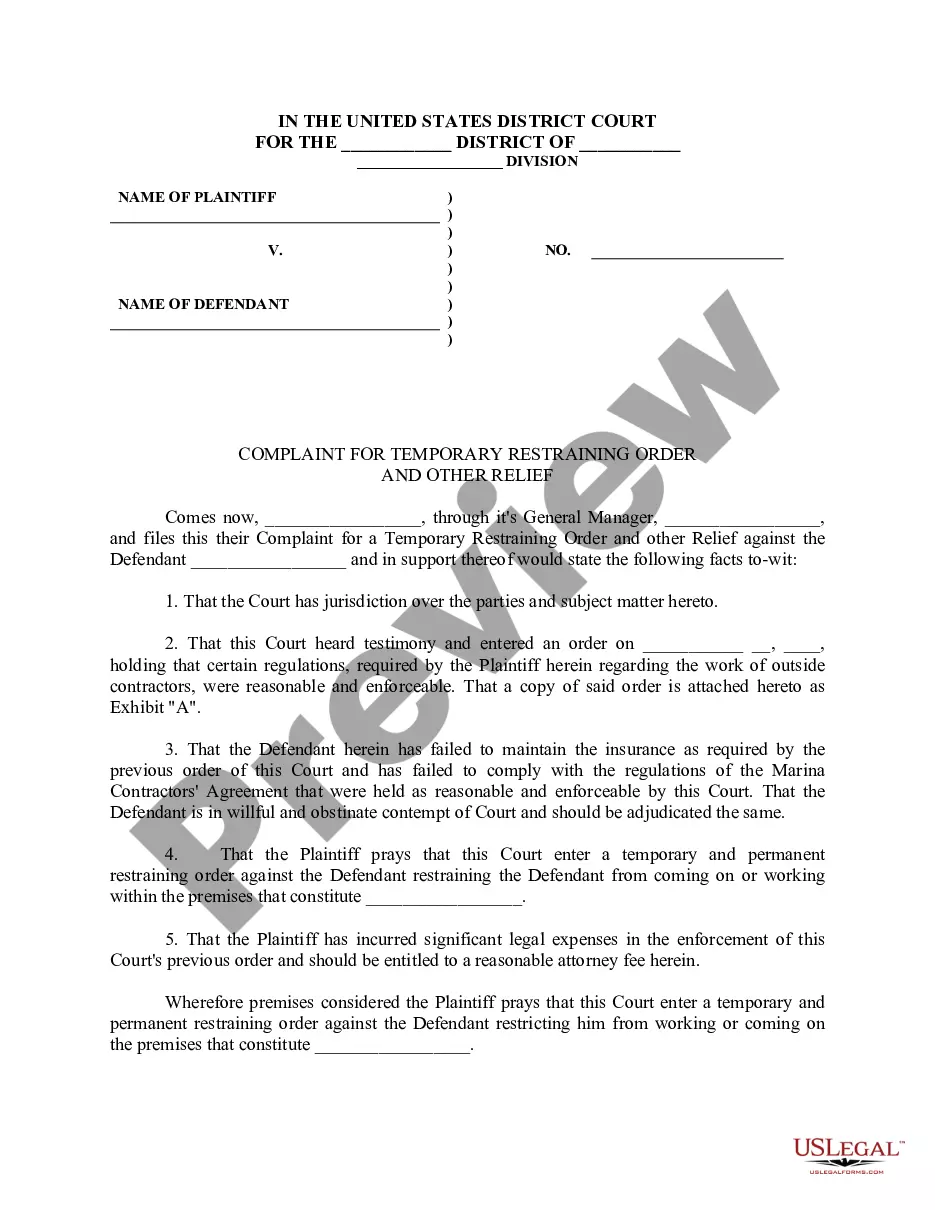
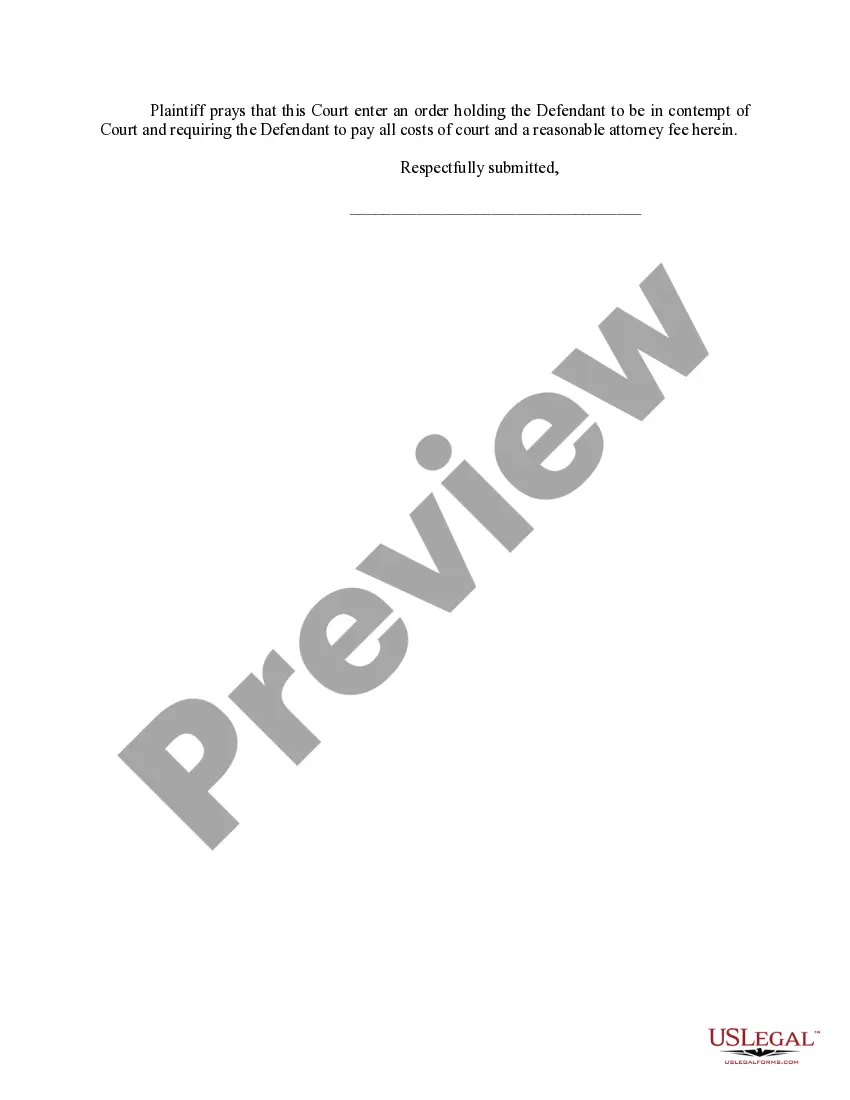

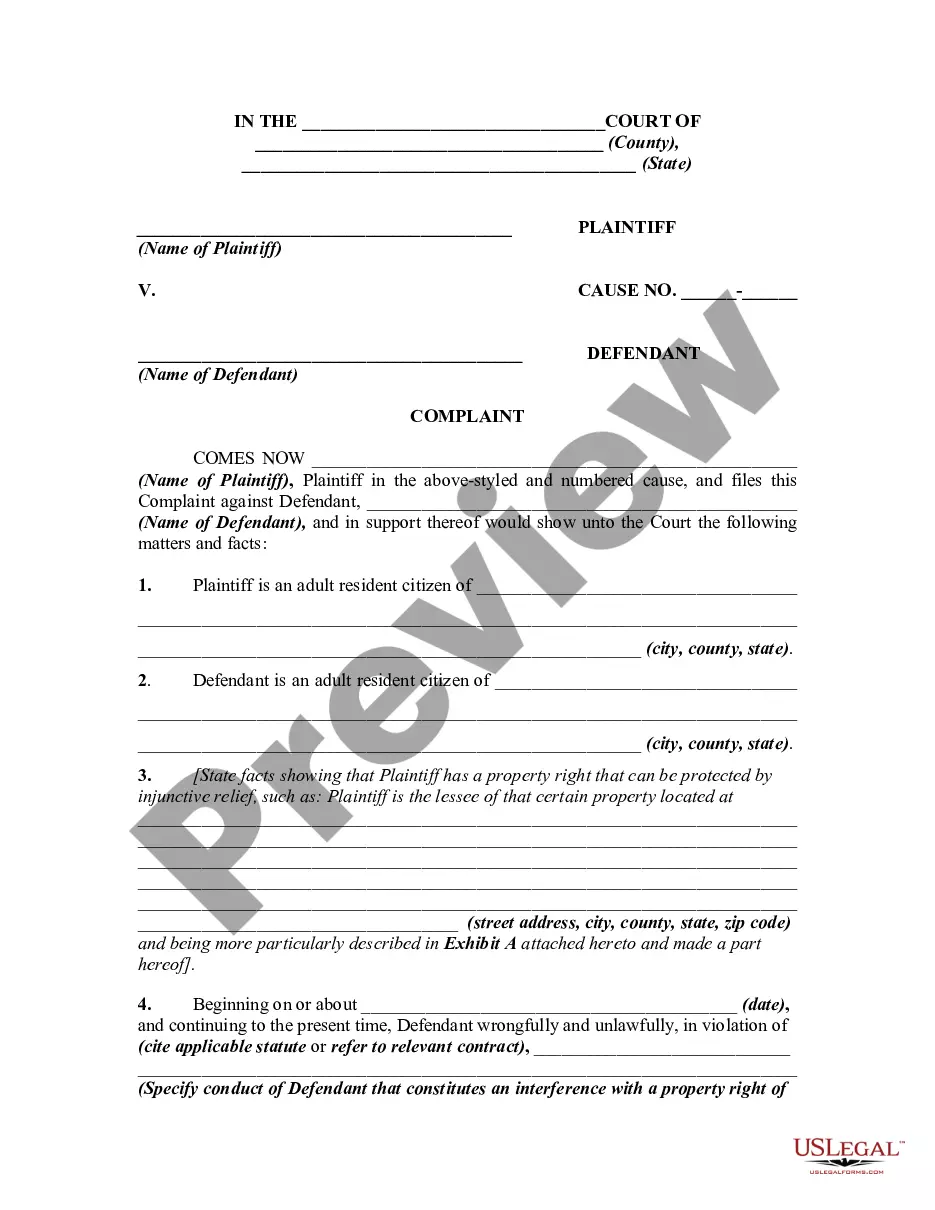
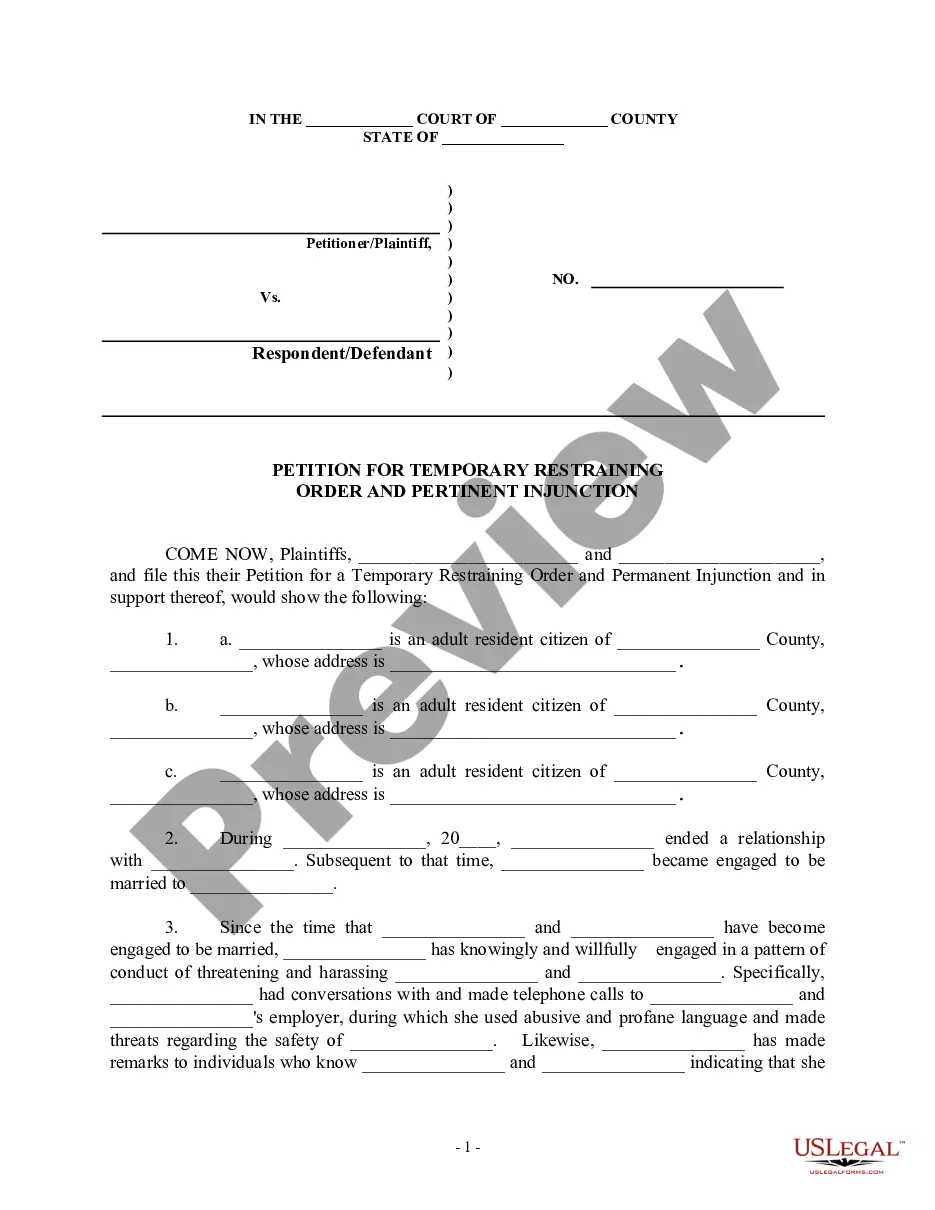

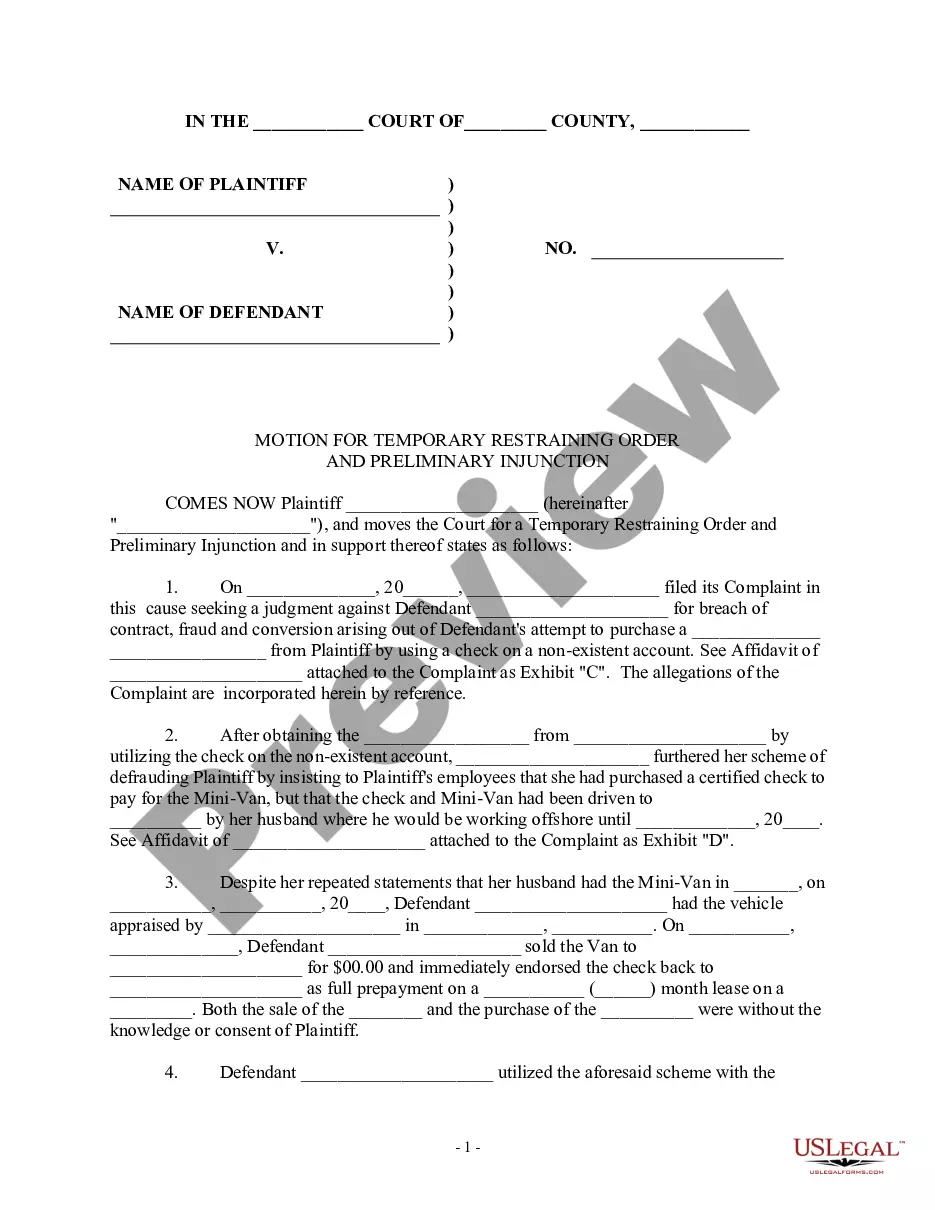
Get your form ready online
Our built-in tools help you complete, sign, share, and store your documents in one place.
Make edits, fill in missing information, and update formatting in US Legal Forms—just like you would in MS Word.
Download a copy, print it, send it by email, or mail it via USPS—whatever works best for your next step.
Sign and collect signatures with our SignNow integration. Send to multiple recipients, set reminders, and more. Go Premium to unlock E-Sign.
If this form requires notarization, complete it online through a secure video call—no need to meet a notary in person or wait for an appointment.
We protect your documents and personal data by following strict security and privacy standards.

Make edits, fill in missing information, and update formatting in US Legal Forms—just like you would in MS Word.

Download a copy, print it, send it by email, or mail it via USPS—whatever works best for your next step.

Sign and collect signatures with our SignNow integration. Send to multiple recipients, set reminders, and more. Go Premium to unlock E-Sign.

If this form requires notarization, complete it online through a secure video call—no need to meet a notary in person or wait for an appointment.

We protect your documents and personal data by following strict security and privacy standards.
Looking for another form?







Form popularity
FAQ
A significant change in circumstances, such as improved behavior, completion of anger management or counseling programs, or evidence that the risk of violence has diminished, may provide grounds for seeking the dismissal of a restraining order.
Using the facts of the incident only, keep your statement brief and to the point. Briefly describe the most recent incident of abuse and/or threats of abuse or other behaviors. Focus on the actual behavior. Do not include prior incidents, (that will be the next paragraph).
Key Differences A Harassment Order addresses unwanted behavior that may not necessarily involve physical harm but still causes significant distress to the victim. In contrast, a Restraining Order is typically sought in cases involving a history of violence, physical threat, or other forms of serious harm.
Requirements for a protective order for domestic violence to be issued include establishing that family violence has occurred and is likely to occur again without such an order. The burden of proof for this involves what's known as a “preponderance of evidence” favoring the accuser.
State laws, rather than local county laws, dictate whether you are eligible to change your name, but you must initiate your civil suit by filing documents with the Bexar County District Clerk. The Civil Filing Main Line phone number is (210) 335-2621. The Bexar County District Clerk's Office is located at 101 W.
Procedures: Please e-file all appropriate documents for your case with the Bexar County Probate Clerk's office, including Proposed Orders, Judgments, Affidavits of Heirship, and Proof of Death for review.
Divorces and Suits Affecting the Parent-Child Relationships Civil District Judge's Standing Order - must be attached to all new petitions for Divorce and Suits Affecting the Parent-Child Relationship.
A final protective order may last up to two years and, in some instances, may last longer. The Petitioner has the burden of proof and must prove by a “preponderance of the evidence” that family violence has occurred and is likely again to occur.
The phrase “ex parte” is Latin for “by or for a party,” and a temporary ex parte protective order typically remains in effect for 20 days—usually until the date of a final hearing at which the applicant must be present in order for the protective order to remain in effect.
If you are seeking a family violence Protective Order, the law requires that you prove family violence has occurred and family violence is likely to occur in the future. If you are seeking a stalking Protective Order, the law requires that you prove that there are reasonable grounds that you are the victim of stalking.