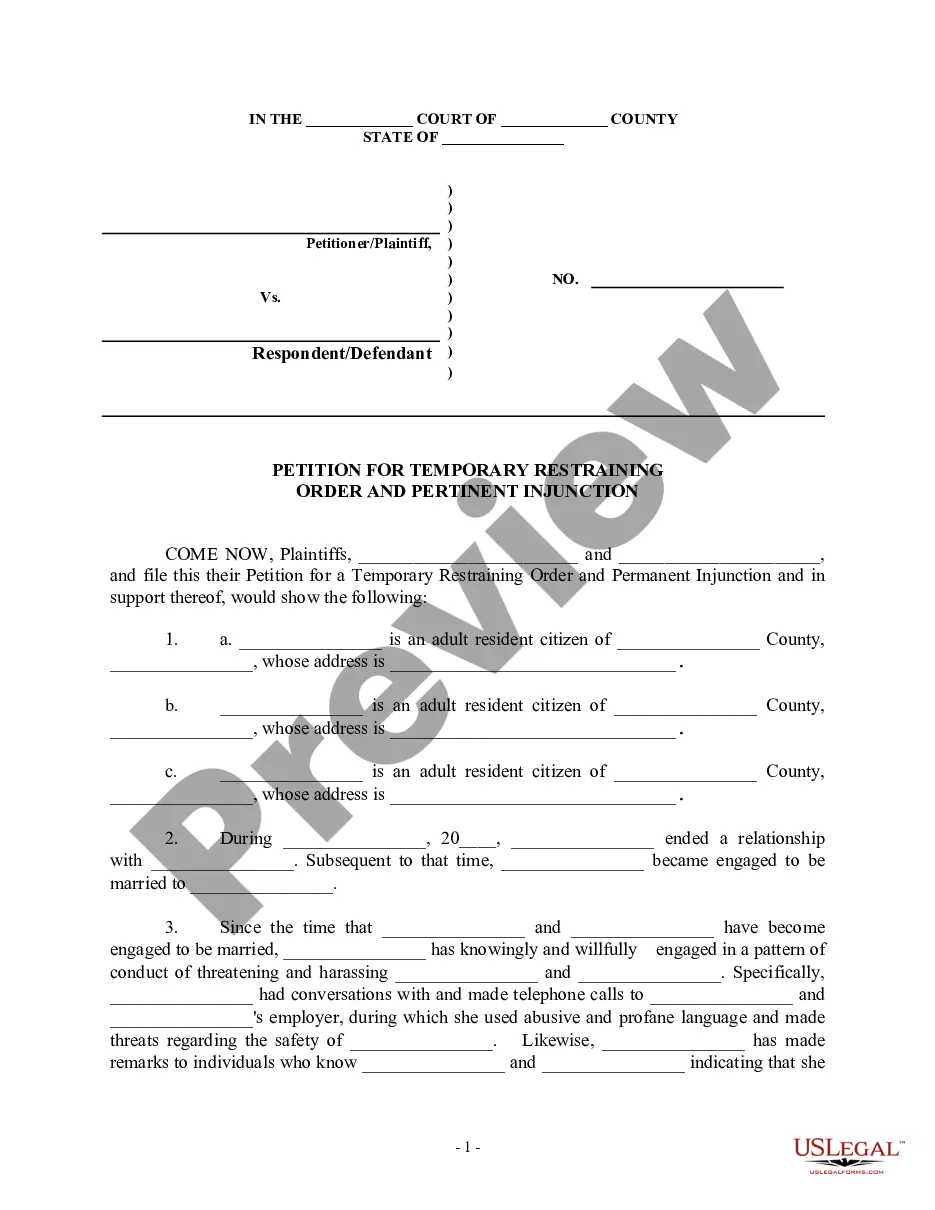
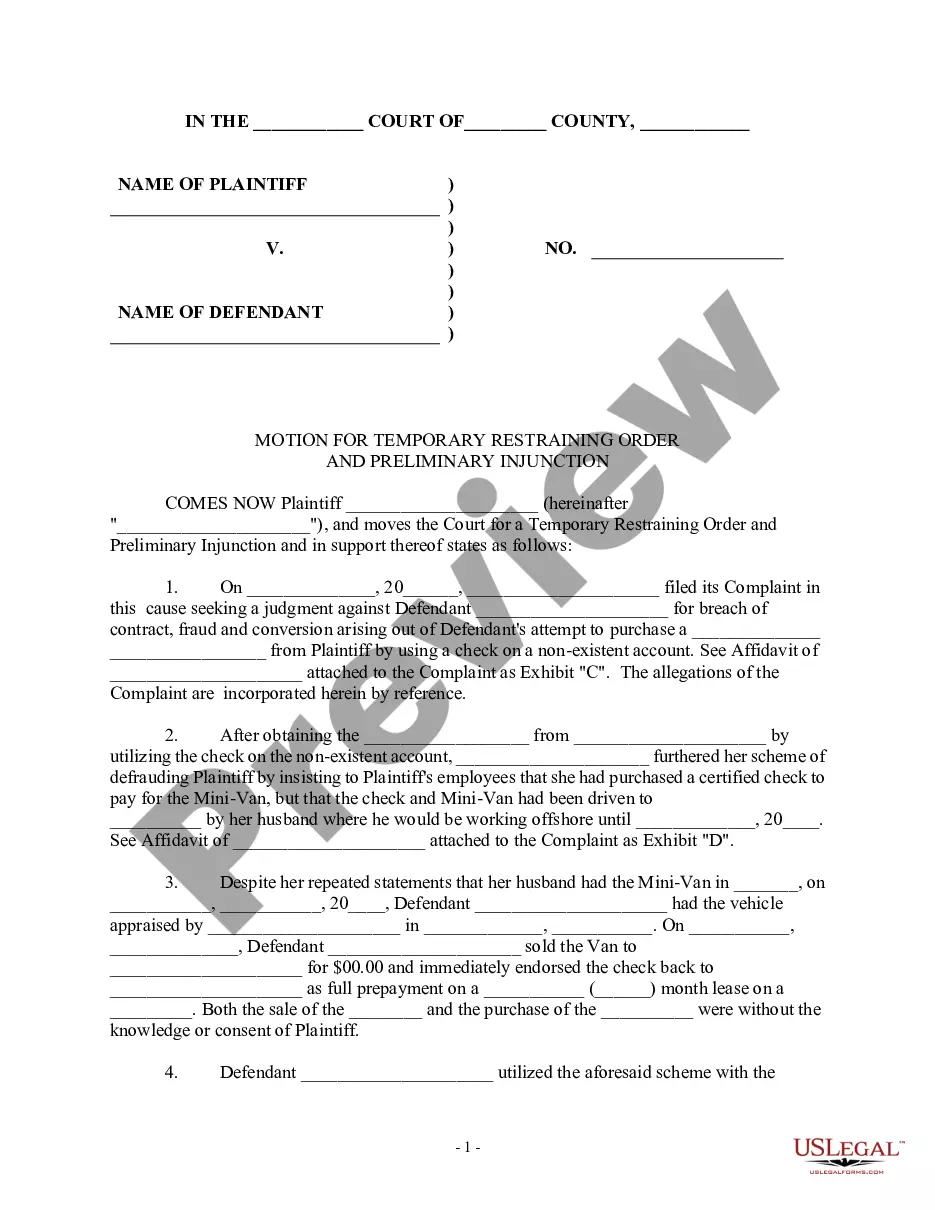
Sample Restraining Order Form With Attorney In Arizona
Description



Get your form ready online
Our built-in tools help you complete, sign, share, and store your documents in one place.
Make edits, fill in missing information, and update formatting in US Legal Forms—just like you would in MS Word.
Download a copy, print it, send it by email, or mail it via USPS—whatever works best for your next step.
Sign and collect signatures with our SignNow integration. Send to multiple recipients, set reminders, and more. Go Premium to unlock E-Sign.
If this form requires notarization, complete it online through a secure video call—no need to meet a notary in person or wait for an appointment.
We protect your documents and personal data by following strict security and privacy standards.

Make edits, fill in missing information, and update formatting in US Legal Forms—just like you would in MS Word.

Download a copy, print it, send it by email, or mail it via USPS—whatever works best for your next step.

Sign and collect signatures with our SignNow integration. Send to multiple recipients, set reminders, and more. Go Premium to unlock E-Sign.

If this form requires notarization, complete it online through a secure video call—no need to meet a notary in person or wait for an appointment.

We protect your documents and personal data by following strict security and privacy standards.
Looking for another form?
Form popularity
FAQ
In most cases, you must have evidence to convince the judge that the person seeking a restraining order is in danger of harm. The danger or harm can include domestic violence, threats, criminal trespass, stalking, and harassment. An adult can file for a restraining order when they believe their safety is in danger.
The plaintiff has the burden of proving the allegations to be true based on the preponderance of the evidence. The purpose of an Injunction Against Harassment is to restrain a person from committing acts of harassment.
In most cases, you must have evidence to convince the judge that the person seeking a restraining order is in danger of harm. The danger or harm can include domestic violence, threats, criminal trespass, stalking, and harassment. An adult can file for a restraining order when they believe their safety is in danger.
Some courts and scholars have suggested probable cause could, in some circumstances, allow for a fact to be established as true to a standard of less than 51%, but as of August 2019, the United States Supreme Court has never ruled that the quantification of probable cause is anything less than 51%.
Rule 34 - Jurisdiction (a) Superior Court Jurisdiction. The superior court has exclusive jurisdiction to issue a protective order when a family law action is pending between the parties. A limited jurisdiction court must refer a plaintiff who has a pending family law action to the superior court.
In most cases, you must have evidence to convince the judge that the person seeking a restraining order is in danger of harm. The danger or harm can include domestic violence, threats, criminal trespass, stalking, and harassment. An adult can file for a restraining order when they believe their safety is in danger.
The specific elements you need to prove to get a restraining order vary from state to state, but in general, you need to show: A specific instance or instances of abuse or harassment (such as sexual assault by an intimate partner) The threat of violence or of further abusive behavior or harassment.
Because a protective order is a civil court order, a victim can drop an order of protection. The victim must return to the court and ask the judge to dismiss the order.
Using the facts of the incident only, keep your statement brief and to the point. Briefly describe the most recent incident of abuse and/or threats of abuse or other behaviors. Focus on the actual behavior. Do not include prior incidents, (that will be the next paragraph).