Deceptive Practices In Research In Tarrant
Description

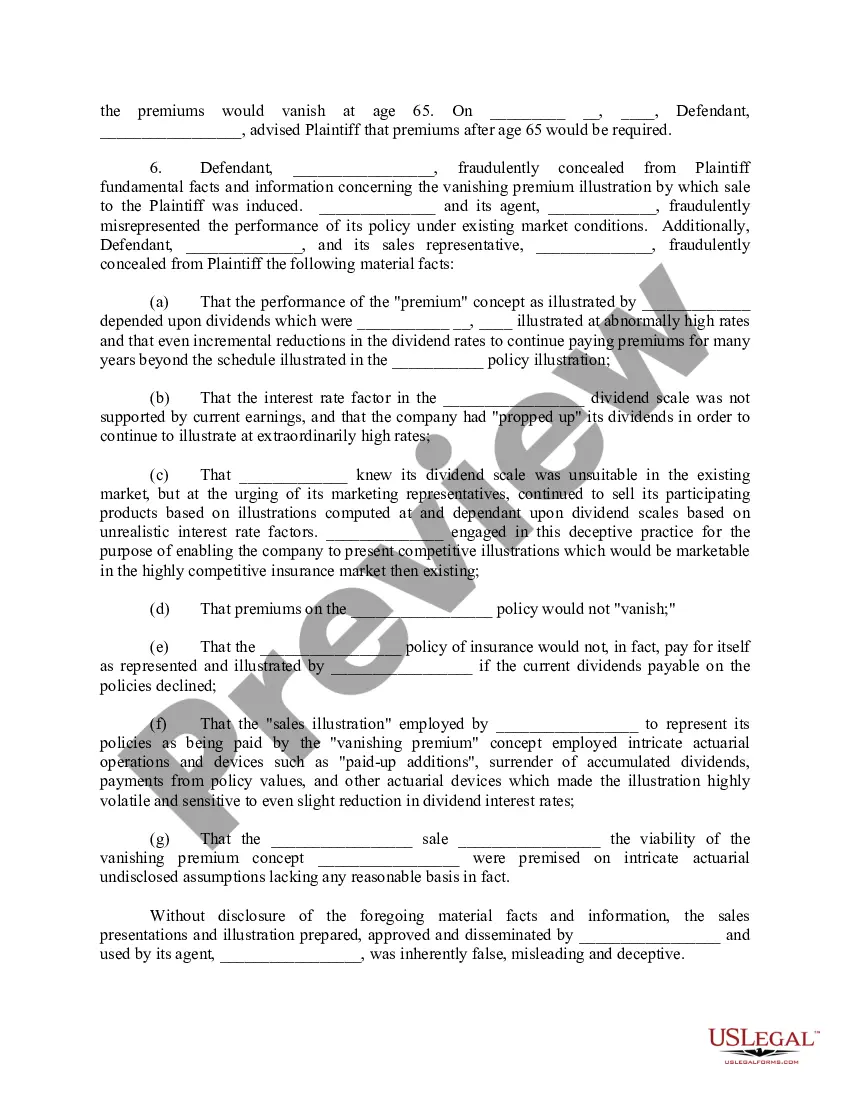
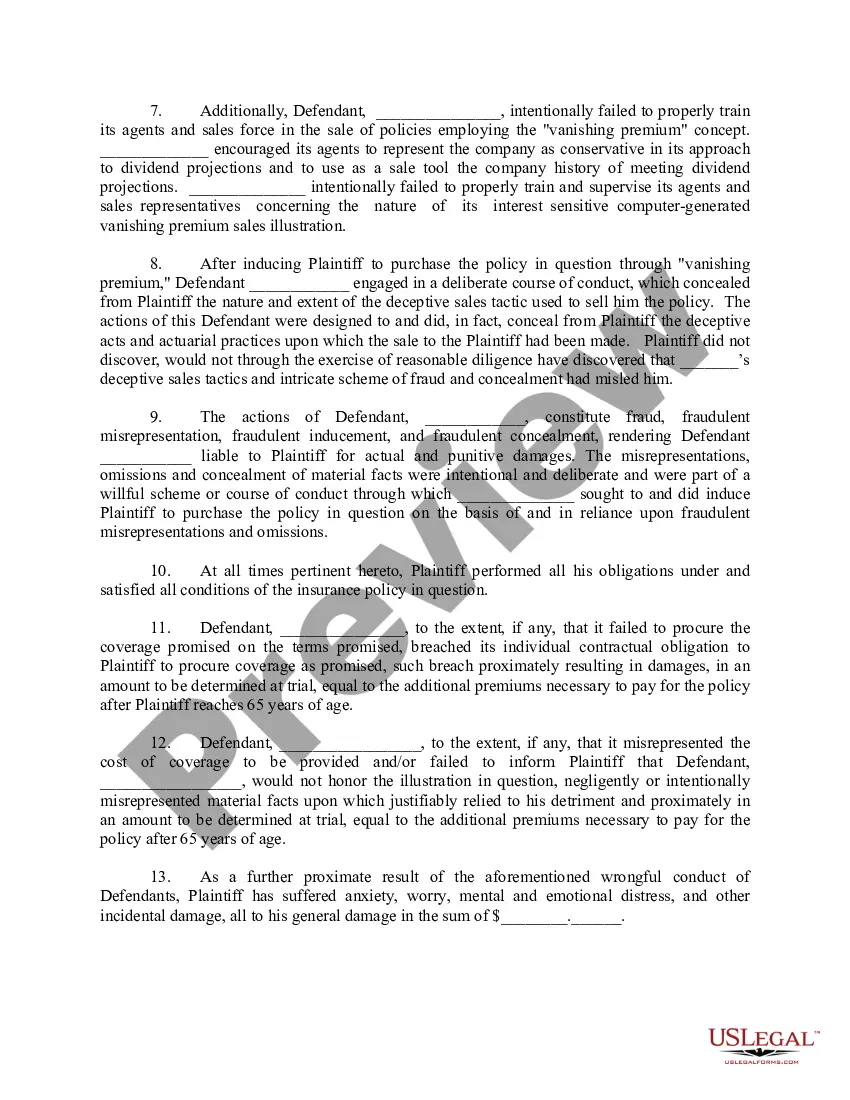
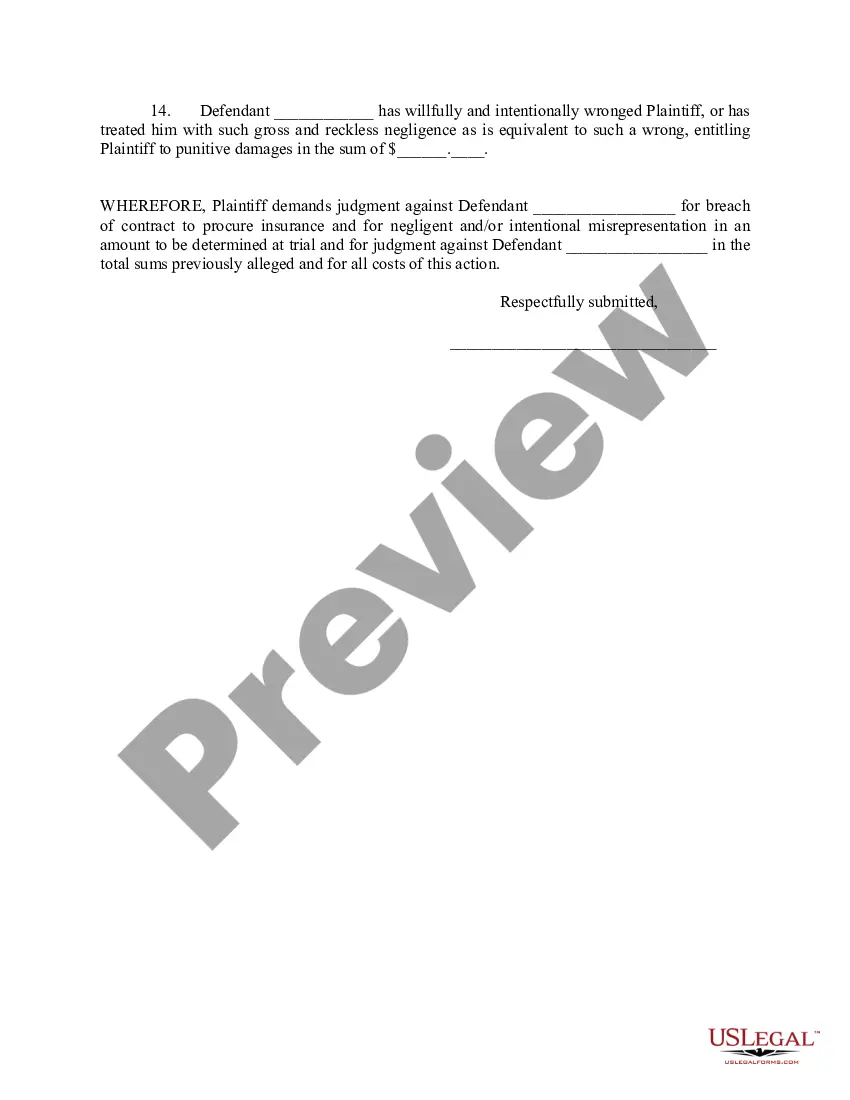



Get your form ready online
Our built-in tools help you complete, sign, share, and store your documents in one place.
Make edits, fill in missing information, and update formatting in US Legal Forms—just like you would in MS Word.
Download a copy, print it, send it by email, or mail it via USPS—whatever works best for your next step.
Sign and collect signatures with our SignNow integration. Send to multiple recipients, set reminders, and more. Go Premium to unlock E-Sign.
If this form requires notarization, complete it online through a secure video call—no need to meet a notary in person or wait for an appointment.
We protect your documents and personal data by following strict security and privacy standards.

Make edits, fill in missing information, and update formatting in US Legal Forms—just like you would in MS Word.

Download a copy, print it, send it by email, or mail it via USPS—whatever works best for your next step.

Sign and collect signatures with our SignNow integration. Send to multiple recipients, set reminders, and more. Go Premium to unlock E-Sign.

If this form requires notarization, complete it online through a secure video call—no need to meet a notary in person or wait for an appointment.

We protect your documents and personal data by following strict security and privacy standards.
Looking for another form?







Form popularity
FAQ
Steps to Filing a DTPA Claim The process begins with providing a written notice to the offending business at least 60 days before filing a lawsuit, detailing the complaint and specifying the alleged violations of 17.46(b) of the Texas Business and Commerce Act.
The complainant (person making the complaint) must, in good faith, make full, fair, and honest disclosure of all facts and circumstances known to him/her at the time the complaint is made. The facts, as presented, must be in the form of an affidavit and signed under oath.
Examples of Active Deceptive Research Participants complete a quiz and are falsely told that they did poorly, regardless of their performance. Participants who do not know they are in a research study are observed to see how they behave when they find valuables (e.g., wallet, laptop) unattended in a public location.
Elements of a DTPA Claim Generally, to prevail on a DTPA claim, plaintiffs must establish three elements: The plaintiff is a consumer; The defendant engaged in false, misleading, or deceptive acts; and. The acts were a producing cause of the consumer's damages.
To file a complaint, just go to ftc/complaint, and answer the questions. Or call That's all there is to it. If you've been ripped off or scammed, complain to the Federal Trade Commission. It can help put the bad guys out of business.
Steps to Filing a Personal Injury Lawsuit in Texas Obtain Medical Treatment for Injuries. File an Insurance Claim. Consult with a Personal Injury Lawyer. Conduct an Accident Investigation. Send a Settlement Demand Letter. File a Personal Injury Lawsuit. The Discovery Process. Settlement Negotiations and Trial Preparation.
When you are ready to file a DTPA lawsuit in Texas, you can't go straight to the courthouse to file your claim. The Deceptive Trade Practices Act requires that you give written notice of your problem to the business at least 60 days before you can file the suit in court.
Definition. Deception is the intentional misleading of subjects or the withholding of full information about the nature of the experiment. Investigators may mislead or omit information about the purpose of the research, the role of the researcher, or what procedures in the study are actually experimental.
For a benign deception, most participants likely won't be upset, but more intense deception activities may require an in-depth debriefing process. After the participants are fully debriefed, you are required to provide a post-debrief consent form which asks for participants to again consent to participate in the study.