Deceptive Trade For Georgia In Riverside
Description




Get your form ready online
Our built-in tools help you complete, sign, share, and store your documents in one place.
Make edits, fill in missing information, and update formatting in US Legal Forms—just like you would in MS Word.
Download a copy, print it, send it by email, or mail it via USPS—whatever works best for your next step.
Sign and collect signatures with our SignNow integration. Send to multiple recipients, set reminders, and more. Go Premium to unlock E-Sign.
If this form requires notarization, complete it online through a secure video call—no need to meet a notary in person or wait for an appointment.
We protect your documents and personal data by following strict security and privacy standards.

Make edits, fill in missing information, and update formatting in US Legal Forms—just like you would in MS Word.

Download a copy, print it, send it by email, or mail it via USPS—whatever works best for your next step.

Sign and collect signatures with our SignNow integration. Send to multiple recipients, set reminders, and more. Go Premium to unlock E-Sign.

If this form requires notarization, complete it online through a secure video call—no need to meet a notary in person or wait for an appointment.

We protect your documents and personal data by following strict security and privacy standards.
Looking for another form?









Form popularity
FAQ
Please call the Georgia Association of REALTORS® at 770-451-1831 to find out. If the person you would like to file a complaint against is not a REALTOR®, you must contact the Georgia Real Estate Commission at 404-656-3916.
Yes. If you prefer, you can file a report anonymously. How much information you give is up to you, but filling in your contact information can help if the FTC needs more information from you. We will not automatically share your information with the company, but there are times when we may share it.
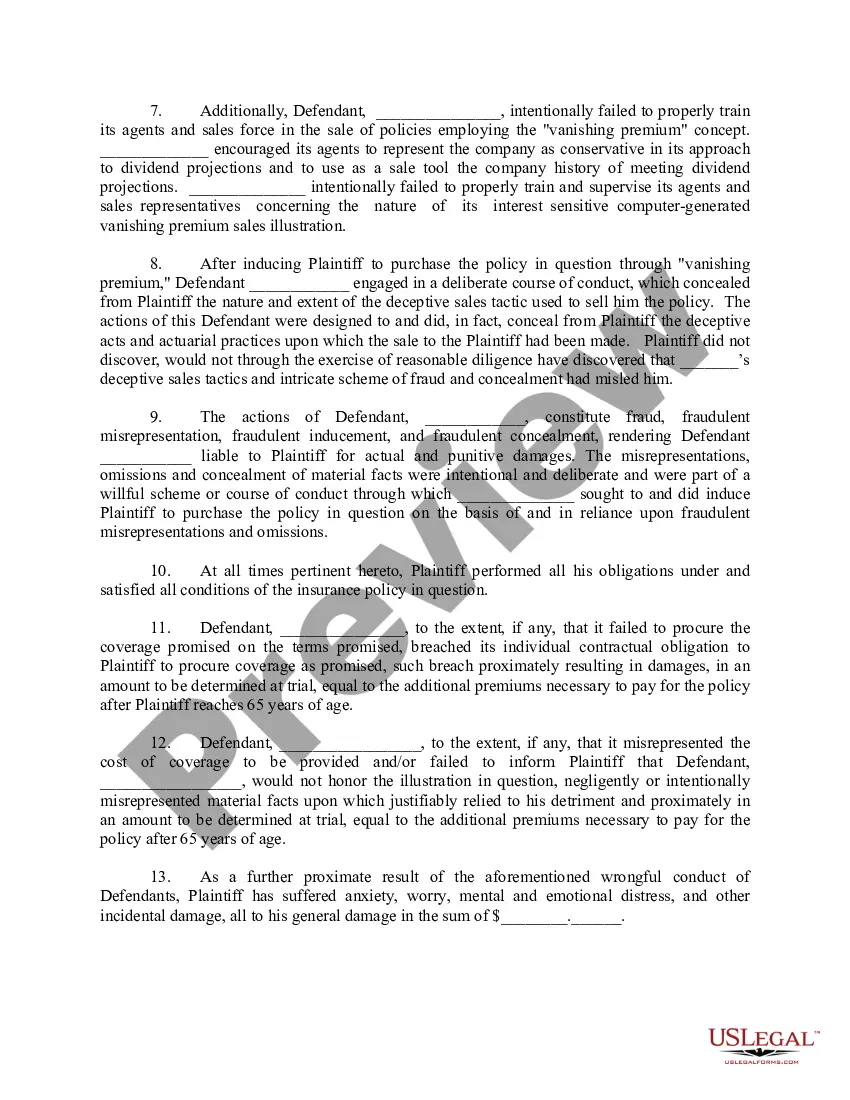
The Uniform Deceptive Trade Practices Act The Act lists eleven deceptive trade practices, such as bait advertising, and misrepresentations of trade names, the geographical origin of goods, and the standard or quality of goods.
File a complaint with your local consumer protection office or the state agency that regulates the company. Notify the Better Business Bureau (BBB) in your area about your problem. The BBB tries to resolve your complaints against companies.
Unfair trade practices are practices that grossly deviate from good commercial conduct and are contrary to good faith and fair dealing. 1 Unfair trading practices are typically imposed in a situation of imbalance by a stronger party on a weaker one, and can exist from any side of the B2B relationship.
The composition of goods is another common category of deceptive claims. For example, a product advertised as “wool” had better be 100 percent wool; a mixture of wool and synthetic fabrics cannot be advertised as wool.
Georgia's Fair Business Practices Act prohibits unfair and deceptive acts or practices in the marketplace. This law applies to consumer transactions involving the sale, lease or rental of goods, services or property mainly for personal, family or household purposes.
An act or practice is unfair where it (1) causes or is likely to cause substantial injury to consumers, (2) cannot be reasonably avoided by consumers, and (3) is not outweighed by countervailing ben- efits to consumers or to competition.
(These practices are commonly called misleading or unfair business practices.) They include false advertising, misrepresentation, tied selling, and failing to comply with regulations. Under consumer protection laws, they are illegal and can lead to compensatory or punitive damages.
The Attorney General's Consumer Protection Division is the primary consumer protection organization for the State of Georgia. The division helps to protect Georgia consumers and legitimate businesses from unfair and deceptive practices in consumer transactions.