Deceptive Practices In Advertising In Pima
Description



Get your form ready online
Our built-in tools help you complete, sign, share, and store your documents in one place.
Make edits, fill in missing information, and update formatting in US Legal Forms—just like you would in MS Word.
Download a copy, print it, send it by email, or mail it via USPS—whatever works best for your next step.
Sign and collect signatures with our SignNow integration. Send to multiple recipients, set reminders, and more. Go Premium to unlock E-Sign.
If this form requires notarization, complete it online through a secure video call—no need to meet a notary in person or wait for an appointment.
We protect your documents and personal data by following strict security and privacy standards.

Make edits, fill in missing information, and update formatting in US Legal Forms—just like you would in MS Word.

Download a copy, print it, send it by email, or mail it via USPS—whatever works best for your next step.

Sign and collect signatures with our SignNow integration. Send to multiple recipients, set reminders, and more. Go Premium to unlock E-Sign.

If this form requires notarization, complete it online through a secure video call—no need to meet a notary in person or wait for an appointment.

We protect your documents and personal data by following strict security and privacy standards.
Looking for another form?










Form popularity
FAQ
You can complain if you feel a business has misled you about a product or service or you object to the content in an advert. The Advertising Standards Authority is the main body for enforcing rules around advertising but there are other bodies who set standards for different sectors.
False advertising The defendant made false or misleading statements as to their own products (or another's); Actual deception occurred, or at least a tendency to deceive a substantial portion of the intended audience; The deception is material in that it is likely to influence purchasing decisions;
The FTC enforces these truth-in-advertising laws, and it applies the same standards no matter where an ad appears – in newspapers and magazines, online, in the mail, or on billboards or buses.
The FTC's Bureau of Consumer Protection stops unfair, deceptive and fraudulent business practices by collecting reports from consumers and conducting investigations, suing companies and people that break the law, developing rules to maintain a fair marketplace, and educating consumers and businesses about their rights ...
The Federal Trade Commission (FTC) works to prevent fraudulent, deceptive, and unfair business practices. They also provide information to help consumers spot, stop, and avoid scams and fraud.
To report misleading advertising at the local level, contact the Better Business Bureau.
You can complain if you feel a business has misled you about a product or service or you object to the content in an advert. The Advertising Standards Authority is the main body for enforcing rules around advertising but there are other bodies who set standards for different sectors.
A person commits false advertising if, in connection with the promotion of the sale of property or services, such person recklessly causes to be made or makes a false or misleading statement in any advertisement. B. False advertising is a class 1 misdemeanor.
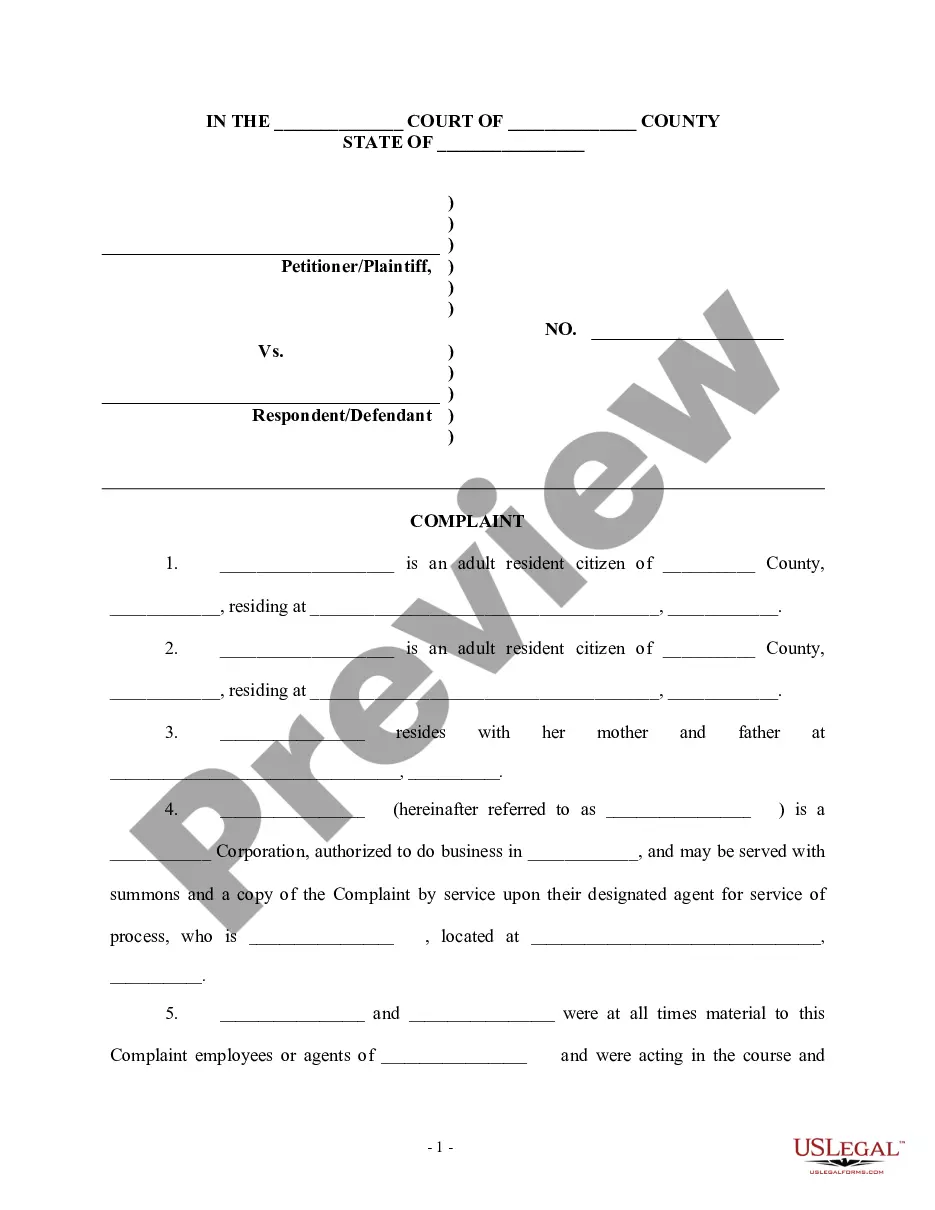
The plaintiff files a document (complaint) with the clerk of the court stating the reasons why the plaintiff is suing the defendant, and what action the plaintiff wants the court to take. A copy of the complaint and a summons are delivered to (served on) the defendant.