Texas Deceptive Trade Practices Act Statute Of Limitations In Philadelphia
Description

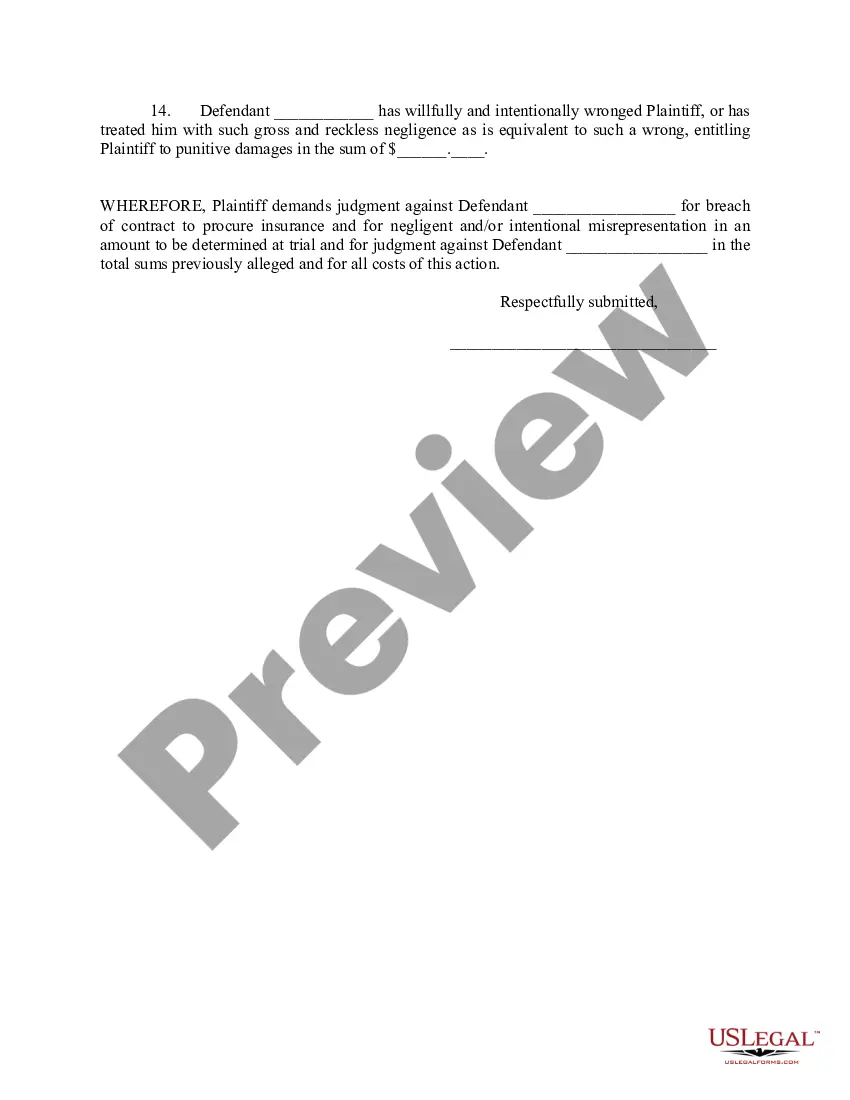



Get your form ready online
Our built-in tools help you complete, sign, share, and store your documents in one place.
Make edits, fill in missing information, and update formatting in US Legal Forms—just like you would in MS Word.
Download a copy, print it, send it by email, or mail it via USPS—whatever works best for your next step.
Sign and collect signatures with our SignNow integration. Send to multiple recipients, set reminders, and more. Go Premium to unlock E-Sign.
If this form requires notarization, complete it online through a secure video call—no need to meet a notary in person or wait for an appointment.
We protect your documents and personal data by following strict security and privacy standards.

Make edits, fill in missing information, and update formatting in US Legal Forms—just like you would in MS Word.

Download a copy, print it, send it by email, or mail it via USPS—whatever works best for your next step.

Sign and collect signatures with our SignNow integration. Send to multiple recipients, set reminders, and more. Go Premium to unlock E-Sign.

If this form requires notarization, complete it online through a secure video call—no need to meet a notary in person or wait for an appointment.

We protect your documents and personal data by following strict security and privacy standards.
Looking for another form?




Form popularity
FAQ
(These practices are commonly called misleading or unfair business practices.) They include false advertising, misrepresentation, tied selling, and failing to comply with regulations. Under consumer protection laws, they are illegal and can lead to compensatory or punitive damages.
Chapter 16 of the Texas Civil Practice and Remedies Code specifies that there is a four-year statute of limitations for breach of contract claims. As such, you must typically file your lawsuit within four years from the date upon which the breach occurred or else forfeit your right to file a claim.
The statute of limitations for a UTPCPL claim is six years, which means that a consumer must file a claim pursuant to the statute within six years from the date that an alleged wrongdoing occurred.
First, the UTPCPL is not subject to the relatively short two-year statute of limitations applicable to common law fraud claims, thereby allowing a plaintiff to pursue what is in essence a claim for fraud so long as he files within the six-year limitations period applicable to UTPCPL claims.
Exceptions include certain crimes against children, which start when the child turns 18. Also, the statute of limitation for lying about the identity of an egg or sperm donor starts at the time the crime is discovered.
Generally speaking, in Pennsylvania, there is a two-year statute of limitations that applies to any civil action in which an individual seeks to recover damages for personal injuries, or for the death of an individual, caused by the wrongful act or negligence of another person.
17.46. DECEPTIVE TRADE PRACTICES UNLAWFUL. (a) False, misleading, or deceptive acts or practices in the conduct of any trade or commerce are hereby declared unlawful and are subject to action by the consumer protection division under Sections 17.47, 17.58, 17.60, and 17.61 of this code.
That is because the Deceptive Trade Practices Act (DTPA) in Texas has a two-year “statute of limitations.” A lawsuit must be filed within two years of the fraudulent sale, lease, repair, service, or other offending conduct.
Exceptions include certain crimes against children, which start when the child turns 18. Also, the statute of limitation for lying about the identity of an egg or sperm donor starts at the time the crime is discovered.
Under the discovery rule, a cause of action accrues when a claimant discovers or in the exercise of reasonable diligence should have discovered the injury and that the injury was likely caused by the wrongful acts of another. See Childs v. Haussecker, 974 S.W. 2d 31, 40 (Tex.