Unfair Trade Practices In Consumer Protection Act In Ohio
Description




Get your form ready online
Our built-in tools help you complete, sign, share, and store your documents in one place.
Make edits, fill in missing information, and update formatting in US Legal Forms—just like you would in MS Word.
Download a copy, print it, send it by email, or mail it via USPS—whatever works best for your next step.
Sign and collect signatures with our SignNow integration. Send to multiple recipients, set reminders, and more. Go Premium to unlock E-Sign.
If this form requires notarization, complete it online through a secure video call—no need to meet a notary in person or wait for an appointment.
We protect your documents and personal data by following strict security and privacy standards.
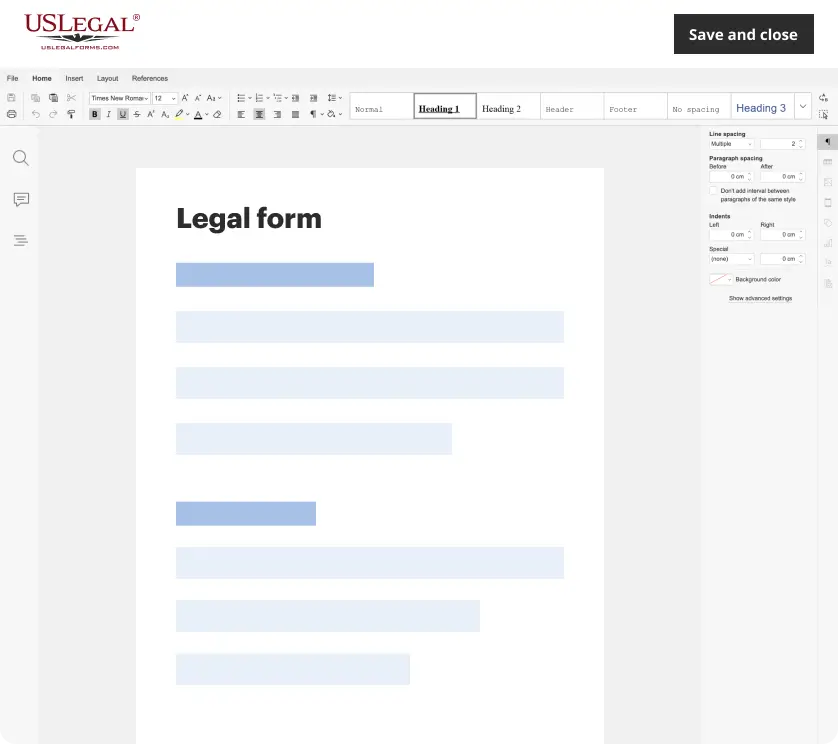
Make edits, fill in missing information, and update formatting in US Legal Forms—just like you would in MS Word.
Download a copy, print it, send it by email, or mail it via USPS—whatever works best for your next step.
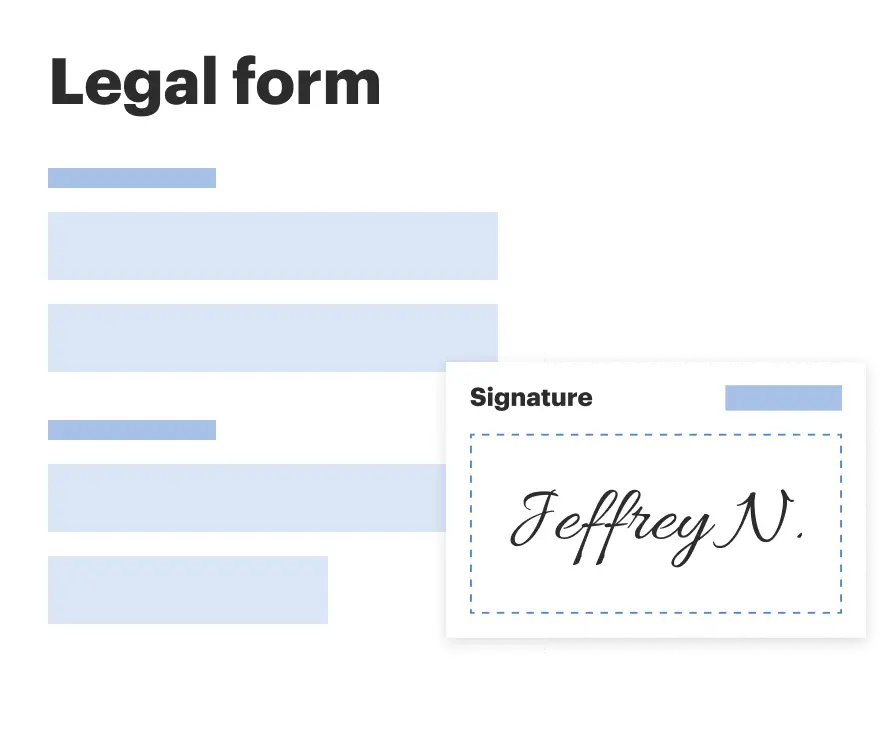
Sign and collect signatures with our SignNow integration. Send to multiple recipients, set reminders, and more. Go Premium to unlock E-Sign.
If this form requires notarization, complete it online through a secure video call—no need to meet a notary in person or wait for an appointment.
We protect your documents and personal data by following strict security and privacy standards.
Looking for another form?








Form popularity
FAQ
The CPRs contain a general prohibition of unfair commercial practices and, in particular, contain prohibitions of misleading and aggressive commercial practices. They also prohibit 31 specific commercial practices that are listed in chapter 6 on banned practices.
(A) No supplier shall commit an unfair or deceptive act or practice in connection with a consumer transaction. Such an unfair or deceptive act or practice by a supplier violates this section whether it occurs before, during, or after the transaction.
You can choose to file a complaint at the Ohio Attorney General's Consumer Protection Section online; by phone at 800-282-0515; or through the postal mail after requesting and receiving a hard copy of the office's complaint form.
Misrepresentation Representing that goods or services are of a particular quality, style or model if that representation is untrue. Making false or misleading statements about the condition of used goods. Representing goods as new when they are used, deteriorated, altered or reconditioned.
The term “unfair trade practice” describes the use of deceptive, fraudulent, or unethical methods to gain business advantage or to cause injury to a consumer. Unfair trade practices are considered unlawful under the Consumer Protection Act.
The CPRs contain a general prohibition of unfair commercial practices and, in particular, contain prohibitions of misleading and aggressive commercial practices. They also prohibit 31 specific commercial practices that are listed in chapter 6 on banned practices.
Unfair trade practices refer to businesses using deceptive, fraudulent, or otherwise unethical methods to gain an advantage or turn a profit. Consumer Protection Law, as well as Section 5(a) of the Federal Trade Commission Act, protects consumers from unfair business practices.