Practice Trading With Virtual Money In Oakland
Description



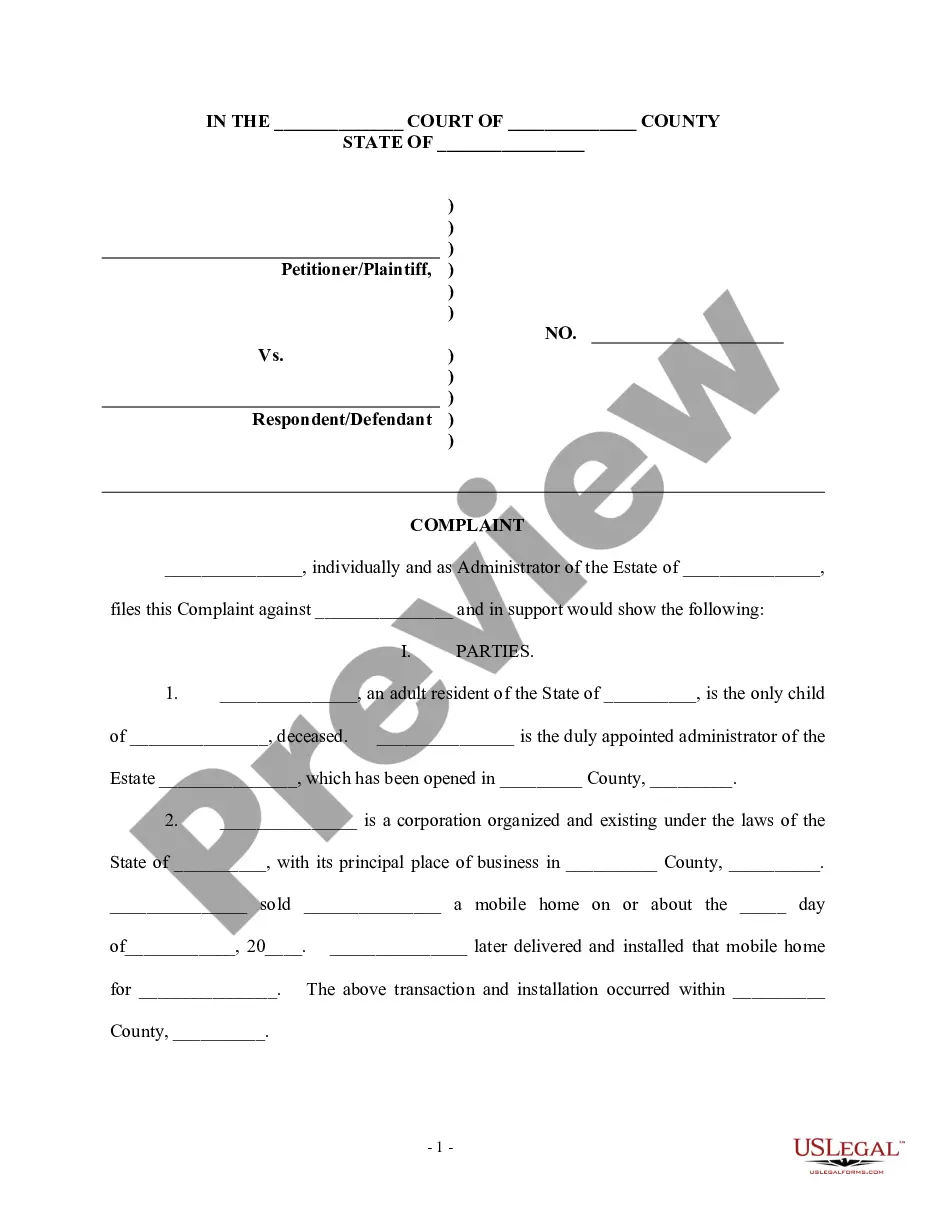
Get your form ready online
Our built-in tools help you complete, sign, share, and store your documents in one place.
Make edits, fill in missing information, and update formatting in US Legal Forms—just like you would in MS Word.
Download a copy, print it, send it by email, or mail it via USPS—whatever works best for your next step.
Sign and collect signatures with our SignNow integration. Send to multiple recipients, set reminders, and more. Go Premium to unlock E-Sign.
If this form requires notarization, complete it online through a secure video call—no need to meet a notary in person or wait for an appointment.
We protect your documents and personal data by following strict security and privacy standards.

Make edits, fill in missing information, and update formatting in US Legal Forms—just like you would in MS Word.

Download a copy, print it, send it by email, or mail it via USPS—whatever works best for your next step.

Sign and collect signatures with our SignNow integration. Send to multiple recipients, set reminders, and more. Go Premium to unlock E-Sign.

If this form requires notarization, complete it online through a secure video call—no need to meet a notary in person or wait for an appointment.

We protect your documents and personal data by following strict security and privacy standards.
Looking for another form?








Form popularity
FAQ
After creating an ETRADE account, users can access the paper trading platform to gain trading experience and leverage the benefits of virtual trading. Once logged in, users can navigate to the 'Trading' section on the platform and select 'Virtual Accounts' to set up their paper trading account.
And research or maybe consider not beginning the journey at all you might save yourself a lot ofMoreAnd research or maybe consider not beginning the journey at all you might save yourself a lot of Heartache. If you're not prepared to put in significant hard work.
The best sites are Nyse, Nasdaq, Investopedia, these resources have absolutely all the data for trading on the stock market. From such moments as your broker trades and how he provides you with his services until the moment your order is executed and to whom your order is resold before it reaches the exchange.
And research or maybe consider not beginning the journey at all you might save yourself a lot ofMoreAnd research or maybe consider not beginning the journey at all you might save yourself a lot of Heartache. If you're not prepared to put in significant hard work.
If there is one thing industry professionals have learned in all their years in the financial markets, it is never add to a losing position. That means never “average down” a losing long position or “average up” a losing short position. This is even more important when using leverage.
The 3 5 7 rule is a risk management strategy in trading that emphasizes limiting risk on each individual trade to 3% of the trading capital, keeping overall exposure to 5% across all trades, and ensuring that winning trades yield at least 7% more profit than losing trades.
In investing, the 80-20 rule generally holds that 20% of the holdings in a portfolio are responsible for 80% of the portfolio's growth. On the flip side, 20% of a portfolio's holdings could be responsible for 80% of its losses.
The Rule of 90 is a grim statistic that serves as a sobering reminder of the difficulty of trading. ing to this rule, 90% of novice traders will experience significant losses within their first 90 days of trading, ultimately wiping out 90% of their initial capital.
The "11 am rule" refers to a guideline often followed by day traders, suggesting that they should avoid making significant trades during the first hour of trading, particularly until after 11 am Eastern Time.
Let's dissect the rule: 3%: The maximum risk per trade. 5%: The total risk across all open positions. 7%: The minimum profit-to-loss ratio.