Deceptive Trade Practices In Georgia In Michigan
Description

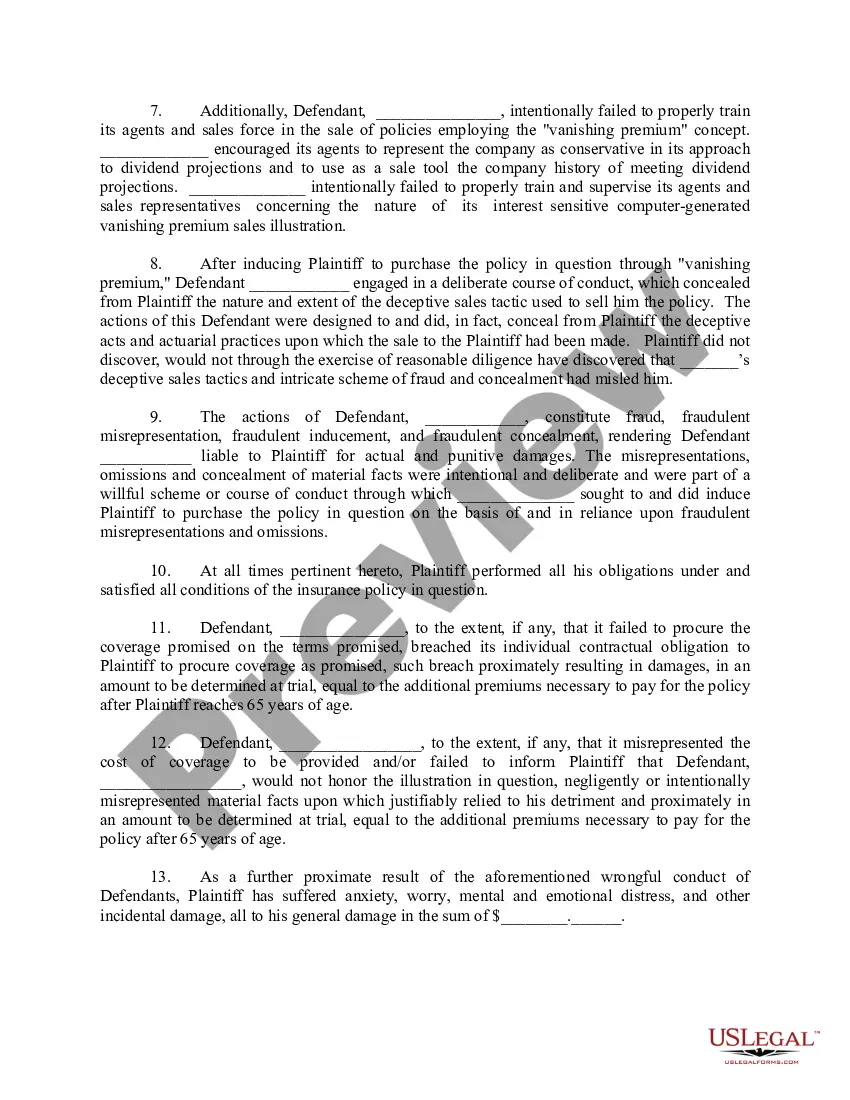
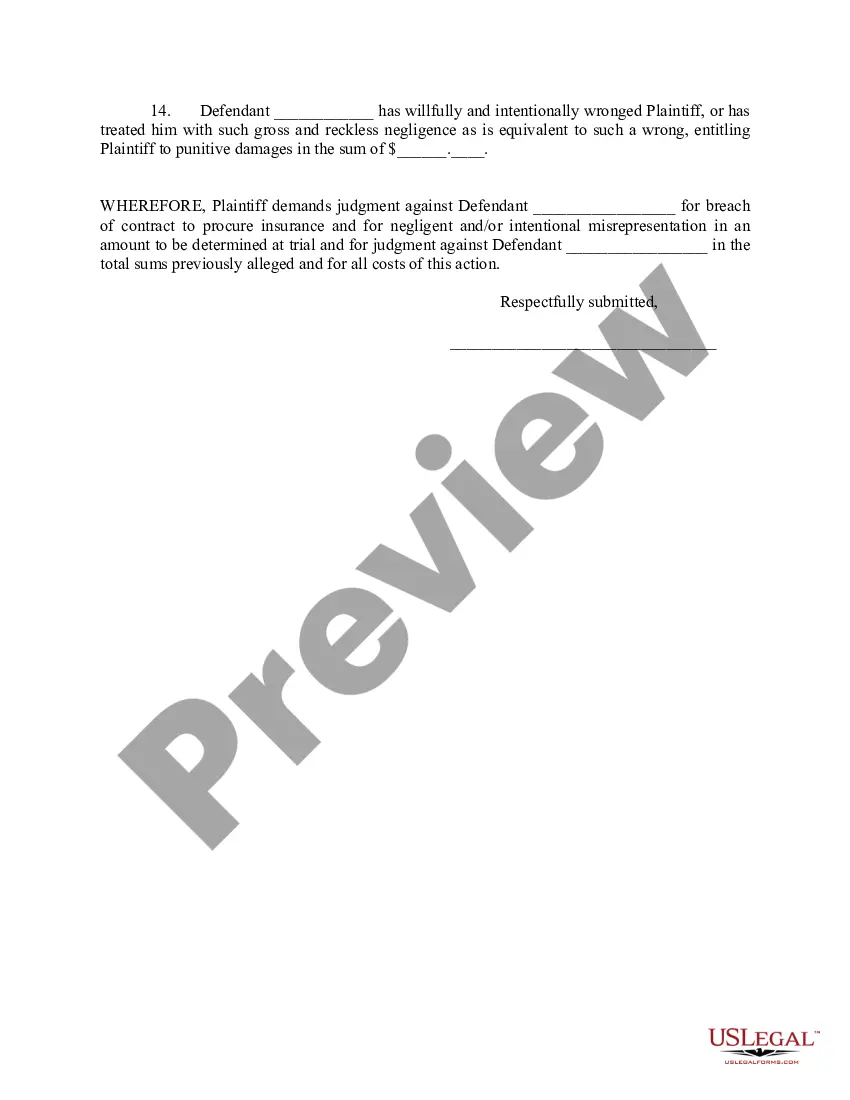

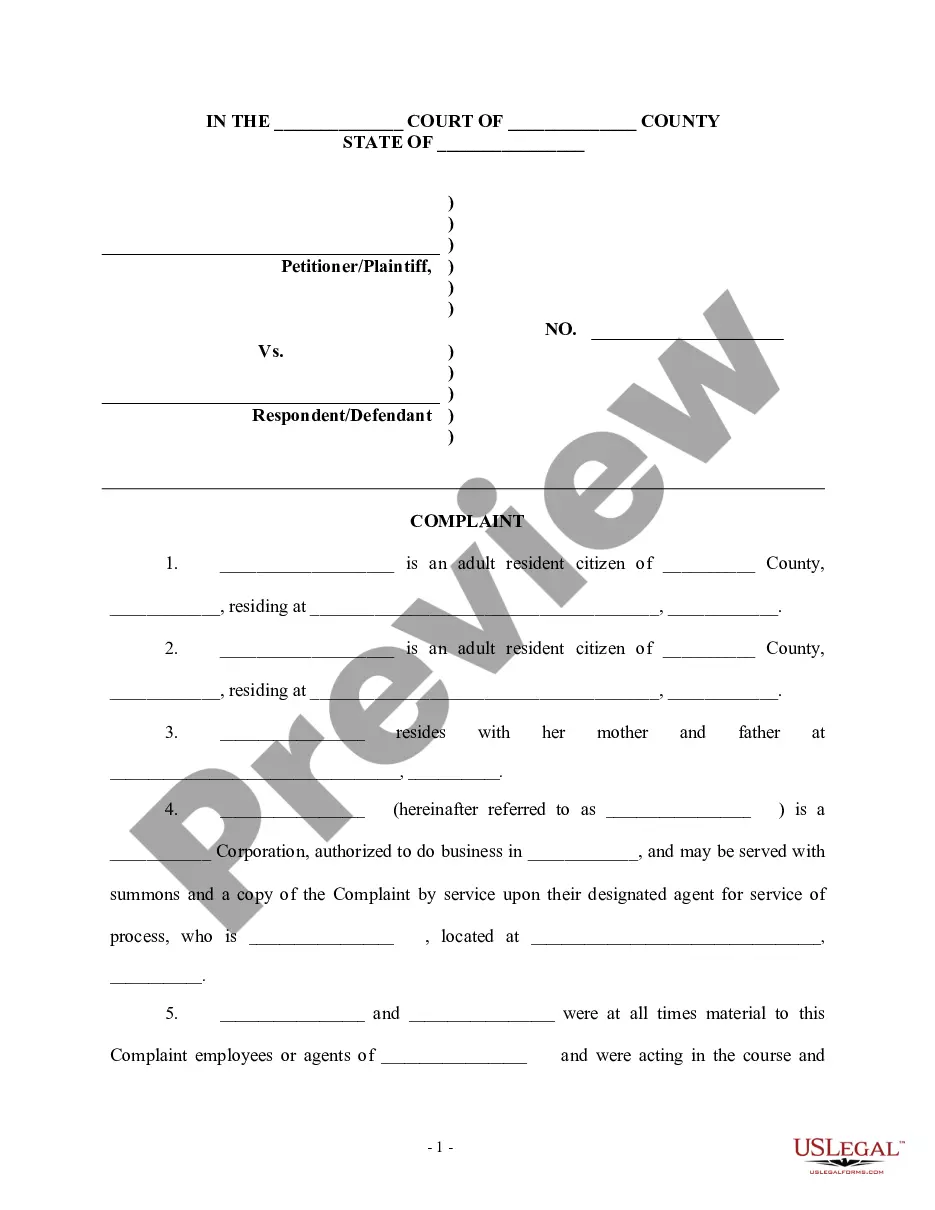
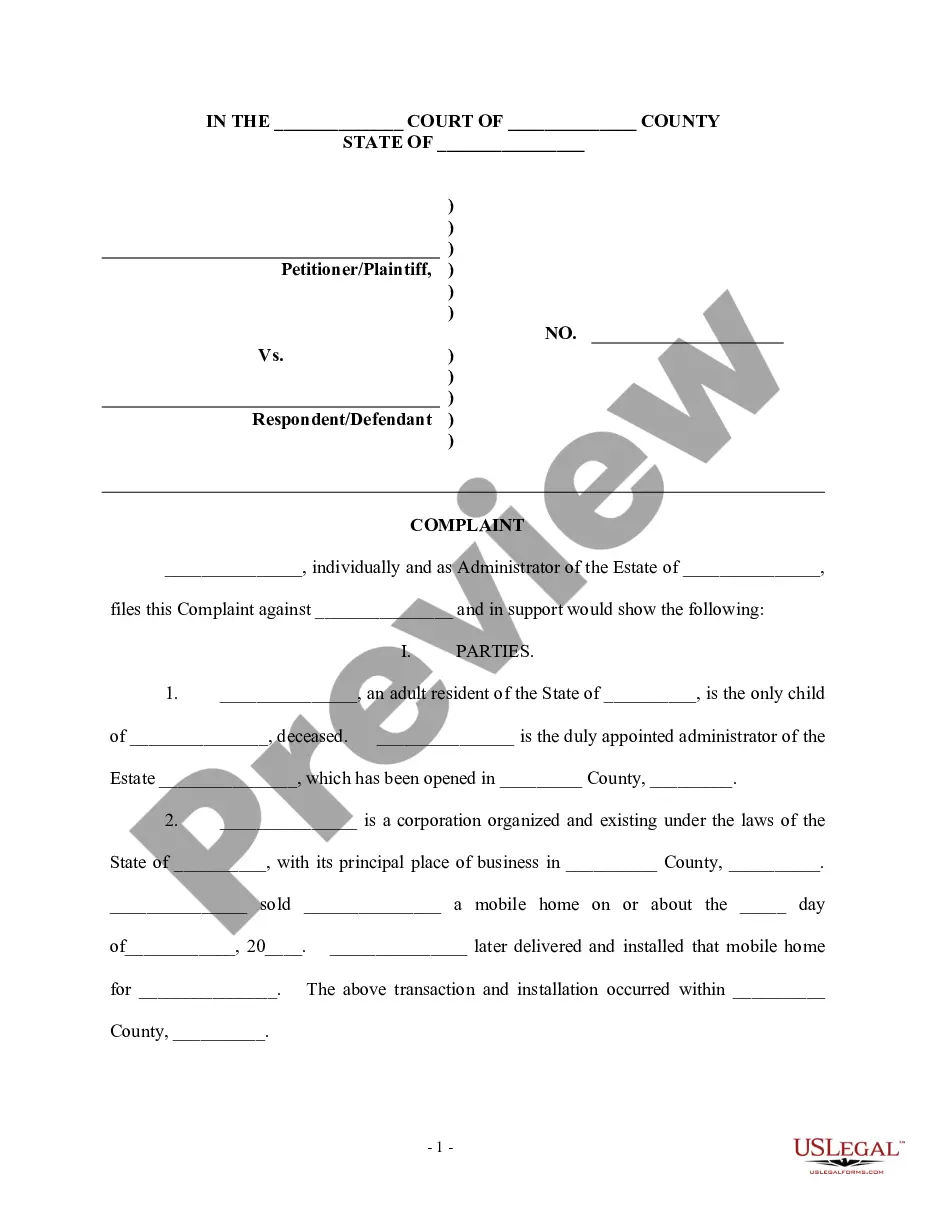
Get your form ready online
Our built-in tools help you complete, sign, share, and store your documents in one place.
Make edits, fill in missing information, and update formatting in US Legal Forms—just like you would in MS Word.
Download a copy, print it, send it by email, or mail it via USPS—whatever works best for your next step.
Sign and collect signatures with our SignNow integration. Send to multiple recipients, set reminders, and more. Go Premium to unlock E-Sign.
If this form requires notarization, complete it online through a secure video call—no need to meet a notary in person or wait for an appointment.
We protect your documents and personal data by following strict security and privacy standards.

Make edits, fill in missing information, and update formatting in US Legal Forms—just like you would in MS Word.

Download a copy, print it, send it by email, or mail it via USPS—whatever works best for your next step.

Sign and collect signatures with our SignNow integration. Send to multiple recipients, set reminders, and more. Go Premium to unlock E-Sign.

If this form requires notarization, complete it online through a secure video call—no need to meet a notary in person or wait for an appointment.

We protect your documents and personal data by following strict security and privacy standards.
Looking for another form?









Form popularity
FAQ
The first step is to file a claim against the person or business you want to sue. This is done in person at a district court office. The claim can be filed in the county where the defendant lives, the county where the business is located, or in the county where the transaction took place.
(1) Unfair, unconscionable, or deceptive methods, acts, or practices in the conduct of trade or commerce are unlawful and are defined as follows: (a) Causing a probability of confusion or misunderstanding as to the source, sponsorship, approval, or certification of goods or services.
O.C.G.A. Sections 10-1-390 et seq. ) Georgia's Fair Business Practices Act prohibits unfair and deceptive acts or practices in the marketplace. This law applies to consumer transactions involving the sale, lease or rental of goods, services or property mainly for personal, family or household purposes.
Section 5 of the Federal Trade Commission Act (FTC Act) (15 USC 45) prohibits ''unfair or deceptive acts or practices in or affecting commerce. '' The prohibition applies to all persons engaged in commerce, including banks.
Consumer Complaint Not all consumer complaints are handled by the Attorney General. If we do not handle it, we will forward it on to the appropriate agency. If you have questions about filing a complaint, please call 517-335-7599. In-state residents can also call 877-765-8388.
(1) Unfair, unconscionable, or deceptive methods, acts, or practices in the conduct of trade or commerce are unlawful and are defined as follows: (a) Causing a probability of confusion or misunderstanding as to the source, sponsorship, approval, or certification of goods or services.
Who does the law apply to and how can consumers sue? The law applies to businesses in Michigan that participate in trade or commerce. If an unlawful act conducted by a business causes injury or loss to a consumer, the consumer has the right to take legal action and file a civil suit against the offending business.
(These practices are commonly called misleading or unfair business practices.) They include false advertising, misrepresentation, tied selling, and failing to comply with regulations. Under consumer protection laws, they are illegal and can lead to compensatory or punitive damages.
The composition of goods is another common category of deceptive claims. For example, a product advertised as “wool” had better be 100 percent wool; a mixture of wool and synthetic fabrics cannot be advertised as wool.