Deceptive Trade For In Miami-Dade
Description


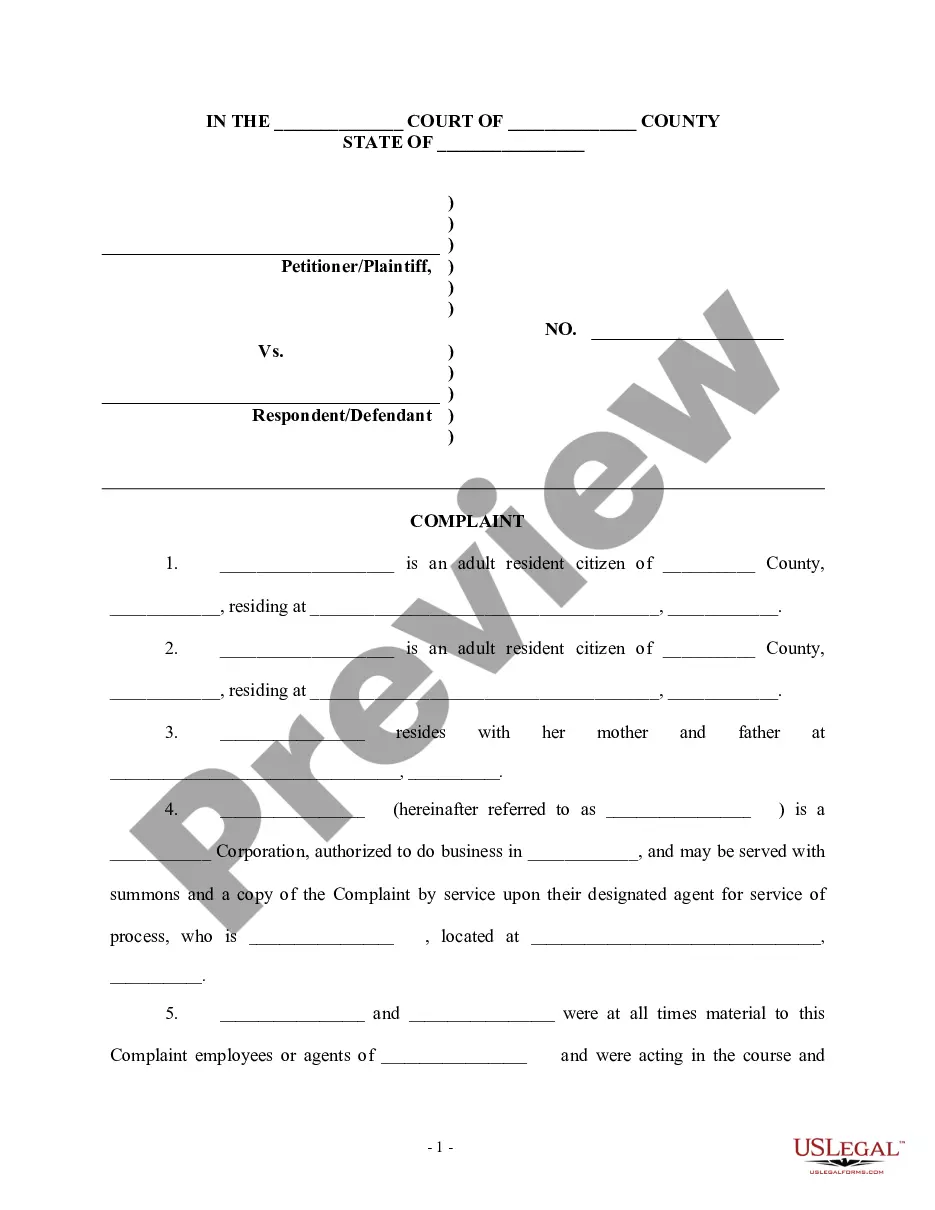

Get your form ready online
Our built-in tools help you complete, sign, share, and store your documents in one place.
Make edits, fill in missing information, and update formatting in US Legal Forms—just like you would in MS Word.
Download a copy, print it, send it by email, or mail it via USPS—whatever works best for your next step.
Sign and collect signatures with our SignNow integration. Send to multiple recipients, set reminders, and more. Go Premium to unlock E-Sign.
If this form requires notarization, complete it online through a secure video call—no need to meet a notary in person or wait for an appointment.
We protect your documents and personal data by following strict security and privacy standards.

Make edits, fill in missing information, and update formatting in US Legal Forms—just like you would in MS Word.

Download a copy, print it, send it by email, or mail it via USPS—whatever works best for your next step.

Sign and collect signatures with our SignNow integration. Send to multiple recipients, set reminders, and more. Go Premium to unlock E-Sign.

If this form requires notarization, complete it online through a secure video call—no need to meet a notary in person or wait for an appointment.

We protect your documents and personal data by following strict security and privacy standards.
Looking for another form?

Form popularity
FAQ
FDUTPA defines unfair trade practices as those that “cause substantial injury to consumers or other businesses and cannot be reasonably avoided by the consumer or the other business.” FDUTPA is also a “gap filler” to questions of federal law because it provides consumers with a private right of action to sue for unfair ...
These practices include false advertising, a misleading sales pitch, or failing to disclose important information about a product or service. The Florida Deceptive and Unfair Trade Practices Act (FDUTPA) prohibits such practices.
Ing to Florida Statute, this crime occurs when an individual lies or misrepresents facts in order to obtain a property title. False pretenses involve the actual transfer of ownership, whereas larceny-by-trick simply entails telling a lie in order to steal something.
An act or practice is unfair when it (1) causes or is likely to cause substantial injury to consumers, (2) cannot be reasonably avoided by consumers, and (3) is not outweighed by countervailing benefits to consumers or to competition.
Consult a Consumer Attorney If unsatisfied with the company's response, consulting with an experienced Florida consumer protection attorney is advisable. They can evaluate if you have valid legal claims and immediately begin investigating the false advertising issues.
Examples of deceptive trade practices in this area include making false statements, omitting important details, and advertising unavailable goods or services. While many companies exaggerate the benefits of their products, it is unlawful to completely fabricate information.
Miami-Dade County Ordinance 89-95 (Amendment Ord. 05-167) authorized the Miami-Dade Water and Sewer Dept. (WASD) to impose and collect connection charges from retail and wholesale customers.
File a complaint with your local consumer protection office. Notify the Better Business Bureau (BBB) in your area about your problem. The BBB tries to resolve complaints against companies.